Door Guards for Car: Choose the Right Protection
Pick clip-on guards for frequent parking in tight lots, magnetic guards for steel doors and short-term use, and adhesive or film guards for painted edges you want left on year-round. Get the size wrong and you can scratch paint, trap grime, or lose a guard in traffic. Check door material, panel length, and how often you plan to remove it before you buy. This guide compares door guard types by door material, parking environment, and vehicle type.
Do door guards actually work?


Yes, within limits. Door guards can cut scratches, scuffs, and low-speed parking-lot dings when the impact lands on the covered area. They will not stop every hit, and they work best when the guard size, mount type, and door shape match the parking risk.
What they can prevent
Edge guards protect the leading edge where a door swings into another car or a pillar. Full-surface panels and dent protectors spread impact across a wider area, which helps against repeated light bumps in garages and crowded lots. Magnetic styles come off easily, while adhesive and tape-mounted products fit longer-term use.
Where they fail
High door-swing angles can push the impact above or below a short guard. Wind can pull a loosely attached removable panel away from the door, and sloped parking surfaces can change how a door opens, especially on a hill or angled curb. Repeated hard contact can also overwhelm a light foam panel.
Scratch protection and dent protection are not the same thing. Thin trim can keep a painted edge from rubbing, while thicker panels made from EVA foam or similar impact-absorbing material are meant to take more contact across the door skin. No product stops every impact, so the right choice depends on how the other car, cart, or wall meets your door.
Door guard types explained
Door guards fall into three practical groups: magnetic removable panels, edge guards, and fuller dent protectors. The biggest difference is coverage. Some protect only the edge. Others cover a broad section of the door skin. That choice changes appearance, convenience, and how much of the vehicle stays protected.
Magnetic car door guards
Magnetic car door guards use rare-earth magnet attachment and are built for temporary use. DoorShox says its magnets only work with steel doors, and the magnet should not make direct contact with paint. Car Repair Mag lists Dent Prevent as removable magnetic strips. These are handy, but they are not universal.
Car door edge guards
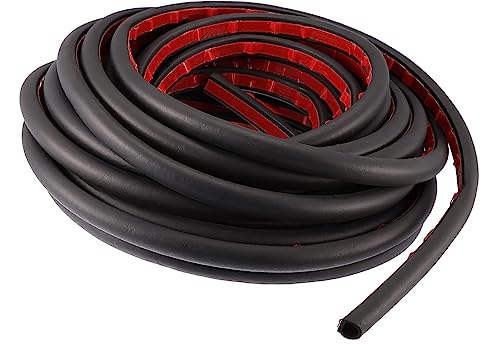
Car door edge guards protect the door edge only, not the full door skin. They usually come as a trim or strip format with adhesive or cling fit. EPDM rubber is common here because it holds up well in outdoor exposure. This category works when the main problem is edge chips from parking near walls or other cars.
Dent protectors and door dent panels
Dent protectors and door dent panels give fuller door-surface coverage. They come in regular and heavy-duty versions, and some models add a security cable to help keep the panel in place. DentGoalie offers Size Large panels measuring 10 inches high by 70 inches long, and Size Small panels measuring 10 inches high by 46 inches long.
Which guard fits your door?
Start with door material, then match the attachment method to how often you want to remove the guard. Steel doors can accept magnetic products. Aluminum and carbon-fiber doors need suction-cup or adhesive alternatives. Two-door cars often need different coverage than four-door models, especially if you want both sides protected.
Steel doors and magnetic attachment
Magnetic guards are the cleanest short-term answer for steel doors. They go on and come off quickly, which helps if you only need protection for commuter parking or a weekend event. That convenience does not transfer to aluminum or carbon-fiber panels, and it does not solve coverage if the guard is too short for the door’s height.
Aluminum doors and non-magnetic alternatives
This is a common failure case for buyers. Magnetic steel-only products do not work on aluminum doors. DentGoalie’s suction-cup option is recommended for aluminum or carbon-fiber vehicles. Adhesive-backed guards are another path, but they need clean surfaces and careful placement because they are not meant for frequent removal.
2-door and 4-door coverage needs
Fitment changes with body style. A two-door vehicle usually has taller, longer front doors, so one panel may need more height and length to cover the swing zone. A four-door car may need both sides covered if it parks in narrow rows, which raises cost and makes installation consistency more important.
Say your coupe has a long front door and you park beside a concrete wall. A short strip at the edge may only protect the corner, while a 10-inch by 70-inch panel gives more of the door skin a chance to absorb a cart tap or a neighboring door swing.
Door protection decision table
This table maps door material, parking environment, and vehicle type to a practical guard category. The cost figures below are approximate per protected door based on the sourced price points and common single-door coverage math. Failure risk notes matter because attachment problems often show up before the product itself wears out.
| Door material | Parking environment | Vehicle type | Best guard category | Approx. cost per door | Failure-risk note |
|---|---|---|---|---|---|
| Steel | Short-term lot parking | Sedan or SUV | Magnetic car door guard | $32.48 to $34.98 | Can shift in wind or on a slope; steel-only fit means no use on aluminum. |
| Steel | Daily garage use | 4-door car | Dent protector panel | About $84.50 to $99 | Better coverage, but larger panels can misfit curved doors or sit too high if sized poorly. |
| Aluminum | Crowded garage or public lot | 2-door car | Suction-cup dent panel | Varies by model | Suction can fail if the surface is dirty, wet, or very curved. |
| Painted edge only | Apartment curbside or narrow bay | Any body style | Car door edge guard | Usually lowest | Protects the edge only, so side impacts can still mark the door skin. |
| Steel | Valet or temporary valet queue | Sedan, crossover, or SUV | Removable magnetic strip or panel | $34.98 to $35 | Easy to forget on the car; removal matters if you do not want visible hardware. |
Materials and mounting details
Material choice affects comfort, durability, and fit. EVA foam is used in garage and dent-guard panels because it absorbs impact and stays light and flexible. EPDM rubber works well for edge guards because it tolerates outdoor exposure. Self-adhesive automotive tape gives a semi-permanent or permanent fit, depending on the product.
EVA foam and impact absorption
EVA foam is useful when the goal is to soften contact rather than simply block it. That matters for garage panels and fuller dent guards, where a cart tap or door swing can land on a broad area. Foam panels are usually more noticeable on the vehicle than edge trims, but they cover more real estate.
EPDM rubber and outdoor durability
EPDM rubber is a practical edge-guard material because it stands up well in outdoor exposure. It suits drivers who want a simple strip at the edge rather than a full panel. It is also a good fit when you want less visual bulk and do not need a removable magnetic product.
Self-adhesive automotive tape and surface prep
Woodpecker Finish says its door guards use strong automotive tape. That kind of fit can hold well, but only if the surface is clean, dry, and grease-free before installation. Adhesive guards are more permanent than magnetic ones, and they usually suit drivers who plan to leave the protection in place for months.
- Wash the door area and dry it fully.
- Remove wax, road film, and dust from the contact zone.
- Check the fit against the door curve before peeling any backing.
- Align the guard so the contact edge sits where the other door or cart is likely to hit.
- Press firmly along the full length, then wait before heavy use if the product instructions call for it.
Which guard suits your parking routine?
Parking routine matters as much as door material. A guard that works for a weekly garage stop may be awkward for a driver who removes it every day. Temporary removable products favor convenience. Permanent or semi-permanent trim favors consistency. The wrong choice can be annoying long before it fails mechanically.
Parking lots and garages
For crowded lots and garages, fuller dent protectors usually give the best coverage because they handle repeated low-speed contact better than a narrow edge strip. Magnetic panels are a strong fit for steel doors if you need to remove them often. If you leave them on daily, a taped panel or edge guard may be simpler.
Street parking and curbside use
Street parking adds another problem: traffic, weather, and occasional awkward door swings. Edge guards help when the main risk is brushing a wall or pole. For repeated door-to-door contact in a tight row, a wider panel is a better match. Temporary removable guards are less convenient here if you park every day.
Temporary removal vs permanent fit
Temporary removable guards suit drivers who want clean paint lines most of the time. Permanent or semi-permanent fit works better for commuters who park in the same tight area every day. Appearance matters too. A panel you remove daily can be more convenient, while a taped strip may look cleaner once installed but is harder to change later.
Picture a steel-door sedan parked in a downtown garage four days a week. A magnetic panel is easy to move, but if the driver wants year-round coverage with less daily handling, a taped edge guard or dent panel becomes more practical, even if it is less flexible.
Door guard cost and value
Price should be judged by protected area, not sticker price alone. DoorShox Standard starts at $64.95, and DoorShox Valet is priced at $69.95. DentGoalie’s Size Large set of 2 costs between $169 and $198. Car Repair Mag’s Dent Prevent is listed as removable magnetic strips, which puts convenience into the value equation too.
Cost per protected door
For a two-panel set like DentGoalie’s Size Large, the rough cost per protected door is about $84.50 to $99. DoorShox Standard works out to roughly $32.50 per door for a two-door setup, while DoorShox Valet comes to roughly $35 per door under the same assumption. Exact coverage still depends on model and vehicle shape.
Cost versus a dent repair
A single dent repair can easily cost more than one guard panel, especially if the damage requires paint work. That is why cost per door matters. If your parking environment is low-risk, a simple edge guard may be enough. If the same door keeps getting hit in the same place, a wider panel often makes better financial sense.
Frequently asked questions
Do door guards for cars actually prevent scratches and dents?
They can reduce both, but only if the impact lands on the protected area and the guard stays attached. Edge guards help with scuffs at the door edge. Full panels help with parking-lot dings. No guard prevents every hit, especially if the swing angle is high or the contact is hard.
What is the difference between door edge guards and door guards?
Door edge guards protect only the edge of the door. Full door guards cover more of the door skin and are meant to absorb a wider range of contact. That difference matters because an edge strip can save paint at the corner while still leaving the side panel exposed.
Are magnetic car door guards safe for paint?
They can be, if they are designed for steel doors and used as directed. The same source says its magnets only work with steel doors, and the magnet should not contact paint directly. Dirt trapped under any guard can still mar the finish, so the door must be clean before installation.
Will car door guards work on aluminum doors?
Not magnetic steel-only models. Aluminum doors need suction-cup or adhesive alternatives, and DentGoalie’s suction-cup option is recommended for aluminum or carbon-fiber vehicles. This is one of the most common buyer mistakes because the product can look universal while still being limited by door material.
How do I install car door guards without damaging the finish?
Clean and dry the surface first, then remove wax, dust, and grit before applying anything. Use the correct attachment type for the door material, and avoid forcing magnetic guards onto non-magnetic panels. For adhesive products, careful alignment matters because strong automotive tape is usually a semi-permanent or permanent fit.
How much do car door guards cost?
Prices vary by type. Edge guards are usually the least expensive category, while fuller dent panels cost more because they cover more area.
Products related to this article
Sponsored / affiliate links. As an Amazon Associate I earn from qualifying purchases. I may earn additional commission from eligible campaigns.