3 Best Door Moulding for Car (2026): We Compared
The best door moulding for a car depends on the damage and fit: choose OEM replacement for exact panel fit, a press-on edge guard for quick impact protection, or adhesive EPDM trim for wider, flexible coverage. Choose the wrong type and you can get wind noise, peeling adhesive, paint wear, or a moulding that does not line up with the door profile. This comparison covers fitment, durability, climate resistance, installation difficulty, and which of the three options makes sense for your car.
Quick comparison
| Product | Badge | Best for | Price | ||
|---|---|---|---|---|---|
 |
Ricmjend 4Pcs Weatherstrip Window Moulding Trim Seal BeltRicmjend | Our pick | OEM-style trim · vehicle-specific fit · rubber seal belt | $36.99
Price as of 24 Oct 2026
|
View |
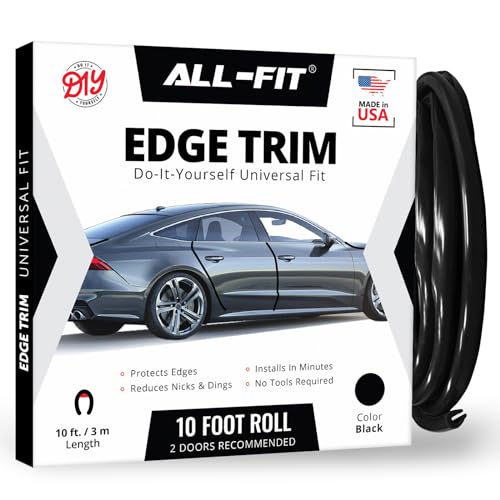 |
All-Fit Car Door Edge Protector Made in USA – Easy ToAll-Fit Automotive | Also great | 10 ft · universal fit · black edge guard | $19.96
Price as of 24 Oct 2026
|
View |
 |
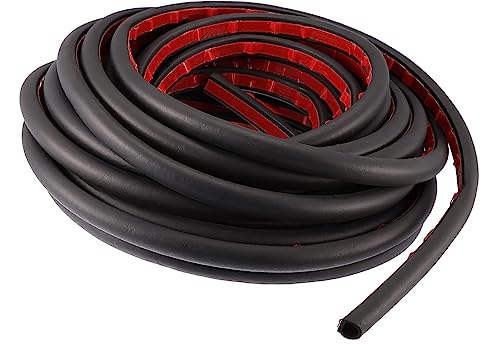
Rubber Edge Trim, Fit 1/16"(1.0mm), Length 10Ft, BlackProtalwell | Budget pick | 10 ft · self-adhesive · EPDM edge trim | $7.99
Price as of 24 Oct 2026
|
View |
The main trade-off is plain: OEM replacement gives the closest factory match, while universal trim gives faster protection with more fitment risk. The right choice depends on fixing a missing factory piece, protecting a scuffed edge, or adding flexible coverage to a thin lip.
Door moulding can protect against door dings, scuffs, and paint damage on the mid-door, beltline, rocker, or window-adjacent area. It can also help with sealing when the part is really weatherstripping or outer door window moulding, so the category needs a careful read before you buy.
Door moulding comparison matrix
| Use case | Attachment method | Fitment risk | Climate durability | Installation difficulty | Best vehicle segment |
|---|---|---|---|---|---|
| OEM replacement moulding for factory-like appearance and seal | Vehicle-specific clips, tabs, or tape depending on the part | High if year, body style, side, or part number is wrong | High when the correct OEM-style material is used | Moderate to high | Late-model sedans, trim-sensitive cars, used OEM restorations |
| U-shape rubber edge guard for quick door-edge protection | Press-on fit with built-in metal clips or metal sheet | Medium; depends on edge thickness and profile | Medium to high, depending on rubber quality and exposure | Low to moderate | Daily drivers, fleet cars, vehicles that park tight |
| Self-adhesive EPDM edge trim for thin edges and flexible coverage | Adhesive-backed, often paired with fresh 3M automotive double-sided tape for reinstallation work | Medium; good on thin edges, weaker on complex factory contours | High; EPDM rubber resists cracking and ozone damage | Low | Older vehicles, DIY installs, thin sheet-metal edges |
Wrong choice warning: A universal protective strip will not fix a missing factory moulding that also seals water or matches a painted body line. If the part is part of the door’s appearance package, the replacement needs to match the vehicle, not just the edge.
How we chose
These picks focus on fitment, attachment style, and the job each product actually does. A good door moulding choice should solve one problem without creating three new ones.
- Use case clarity: factory replacement, quick edge protection, or thin-edge coverage.
- Fitment risk: year, make, model, body style, side, and part number sensitivity.
- Installation reality: tool needs, tape use, and removal risk.
- Durability: weather exposure, UV, and ozone resistance where relevant.
- Vehicle match: sedan versus hatchback, trim level, and sub-model checks.
Ricmjend window moulding: best for OEM-style replacement
This Ricmjend kit is for drivers replacing outer door window moulding on a Mitsubishi Lancer 2008-2017 and want an OEM-style seal belt rather than a generic protector. It is the right pick when the original trim has hardened, cracked, or started letting in wind noise and water.
What stands out is the vehicle-specific fit and the factory-like job it is built to do. That matters because window moulding is not the same thing as a door edge guard; this type sits at the glass line and helps with sealing, appearance, and noise control.
The drawback is fitment sensitivity. The listing is specific to the Lancer platform, so body style, year, and side verification still matter before you order.
Wrong choice warning: Do not buy this if you only need scratch protection on a door edge. It is a replacement seal belt, not a universal clip-on guard.
All-Fit car door edge protector: best for quick protection
This All-Fit press-on edge guard is best when you want fast protection against parking-lot dings and scuffs without replacing factory trim. The 10 ft length makes it a compact DIY option for a door edge or a limited section of vulnerable paint.
It uses a self-adhesive, flexible design that bends around curves and needs no tools. That makes it a practical answer for drivers who want a simple shield more than an exact factory match.
The drawback is fitment ceiling. A universal strip can be useful, but it cannot solve a broken moulding clip, a missing body-side part, or a mismatch between sedan and hatchback profiles.
Wrong choice warning: Do not expect a universal edge protector to replace a part that also seals or matches a painted moulding line. If the original piece is part of the vehicle’s shape, this is the wrong category.
Protalwell EPDM edge trim: best for thin edges
This Protalwell trim is the better fit when the edge is thin and you want flexible coverage with strong weather resistance. It is a self-adhesive EPDM option designed for narrow sheet-metal edges, including edges down to 1/16 inch.
EPDM matters here because it resists cracking and ozone damage better than many basic rubber trims. That makes it a sensible choice for hot, sunny climates or long-term use where the trim will spend a lot of time outside.
The drawback is that it still depends on clean surfaces and the right edge profile. If the edge is thick, irregular, or meant to snap into factory tabs, a press-on guard or OEM part is the safer route.
Wrong choice warning: Do not use this as a substitute for a molded factory door panel piece or a weather seal with a specific clip pattern. Thin-edge trim is not a universal cure.
Which one should you buy?
Start with the damage, not the brand. If the original moulding is missing, loose, or part of the door’s finished look, choose OEM replacement. If the goal is quick protection from dings, use a press-on edge guard. If the edge is thin and you want durable coverage in heat, choose adhesive EPDM trim.
Choose by damage type
If the car has a cracked, loose, or peeling factory moulding, the replacement needs to match the original part’s shape and mounting style. If the car just needs a barrier against another door or a garage wall, a protective strip is usually enough.
Door moulding, weatherstripping, and window moulding do different jobs. Door moulding protects and changes appearance, while outer or inner door window moulding helps seal the glass area against water intrusion and wind noise.
Choose by climate and parking exposure
For hot weather, EPDM rubber is the safest material choice because it resists UV and ozone damage better than cheaper rubber mixes. If the car lives outdoors, that matters more than a shiny finish or a long universal roll.
Say your car parks under trees and the doors get brushed in a narrow driveway. A flexible edge guard can be the faster fix, but only if it matches the edge shape and stays clear of moving glass and factory seals.
Choose by installation skill and tools
Press-on guards are the easiest to install. Adhesive-backed trim is still manageable for most DIY owners if the surface is clean and dry, and 3M automotive double-sided tape is commonly used when reinstallation calls for fresh adhesive.
OEM replacement is the hardest because clips, mounting tabs, and part numbers all matter. That type is worth the extra effort when you want a factory-like look or the part is doing real sealing work.
How do you know it fits?

Fitment depends on year, make, model, body style, side, and often trim level or sub-model. A moulding that fits a sedan may not fit a hatchback, and a left-side part will not always mirror a right-side part in shape, length, or mounting points.
Sedan versus hatchback checks
Check the body style first. Sedan and hatchback parts are often not interchangeable, even when the nameplate is the same. A model-year exclusion can be enough to make a trim sit too short, curve wrong, or miss the mounting points entirely.
The Honda Civic is a clear example. The 2012-2015 kit and the 2016-2021 kit each list four OEM part numbers, and one Civic option is for 2012-2015 four-door sedans only. That is not a detail to skip.
Matching side, model year, and sub-model
Side-specific fitment matters because door moulding often follows one door profile, one beltline, or one rocker shape. A common first-timer mistake is ordering the correct year but the wrong side, then discovering the clip pattern does not match the door.
Suppose your sedan has a factory moulding on only the passenger side. Matching both sides can still be the better visual choice if the driver side has faded badly, but only if the part numbers and profiles line up.
Used OEM checks for clip-tabs and mounting tabs
Used OEM parts can be a smart buy, but only if the clip-tabs and mounting tabs are intact. Check for straightness, warp, and breakage before you commit, because a bent tab can loosen the whole moulding or leave it sitting proud of the panel.
That matters more on used front or rear door mouldings than on simple universal trim. A used factory part with sound tabs can be better than a cheap aftermarket piece that looks right but mounts poorly.
What is the difference between door moulding and window moulding?
Door moulding usually protects the body from dings, scuffs, and paint damage along the mid-door, beltline, rocker, or a similar exposed area. Window moulding sits around the glass and helps with sealing, wind noise, and water control, often as an outer or inner door window moulding.
That difference matters because the wrong category will fail in the wrong place. A door edge guard will not restore a water seal, and a window moulding will not protect a parking-lot strike on the door skin.
How do you remove old adhesive from door moulding?
Start with a plastic scraper, then use an adhesive remover that is safe for automotive paint. Work slowly so you do not gouge the clear coat, and wipe the panel clean before applying fresh tape or adhesive-backed trim.
If the old part used 3M automotive double-sided tape, expect residue on both the body and the back of the moulding. Fresh tape adheres better to clean paint than to old residue, dust, or wax.
Why do door mouldings fall off or peel?
They usually fail because the surface was dirty, the adhesive aged out, or the clips and tabs no longer held shape. Heat, cold cycles, moisture, and repeated door slams can all shorten life, especially on parts that depend on tape alone.
Poor fitment is another common cause. A part that is too short, too stiff, or matched to the wrong body style will pull away at the ends first, then peel or rattle.
What length of edge guard or moulding do you need for your vehicle?
Measure the door edge or the section you plan to cover, then compare that number with the product length before you buy. Universal edge guards are commonly sold in 13 ft, 16.4 ft, 26 ft, 32 ft, and 33 ft lengths, so you want enough material for all planned doors plus any extra for trimming.
For reference, one guide ranks 10 car door moldings for paint protection and weather sealing. In that group, the top-ranked edge guard is 16.4 ft long, the best value pick is 13 ft long, one long-roll option is 32 ft, and another universal rubber seal is 33 ft long.
Say your car needs coverage on both front doors plus a little extra for mistakes. A 10 ft roll may be enough for one side only, while a longer roll gives you room to cut clean ends and avoid a shortfall.
OEM replacement moulding: best for factory fit?
Yes, when the part is part of the vehicle’s original look or sealing system. OEM replacement moulding is the best choice when you want part-number specific fitment, factory-like appearance, and the least guesswork about how the piece sits on the door.
Best use case and where it belongs on the car
OEM replacement belongs where the original moulding has failed, faded, or come off and the car still needs the same visual line and mounting pattern. That includes beltline pieces, door-side mouldings, and window-adjacent trim that must match the body shape exactly.
On a sedan, especially a trim-sensitive model, that accuracy matters. It is also where a used OEM piece can be attractive, provided the tabs and tabs-to-panel contact are still sound.
Fitment notes: year, body style, trim level, and part numbers
OEM replacement is sensitive to year, body style, trim level, and sub-model. A four-door sedan piece may not fit a hatchback, and a base trim may use a different profile than a higher trim with more chrome or a different molding line.
The Honda Civic examples make this clear.
Wrong choice warning: when a universal trim will fail
A universal trim will fail when the part is doing more than looking clean. If it must seal water, line up with adjacent bodywork, or follow a molded contour, the generic part may sit crooked, leave gaps, or peel at the ends.
U-shape rubber edge guard: best for quick protection?
Yes, if the goal is fast, low-tool protection for a door edge that needs a cushion more than a factory replacement. A U-shape rubber edge guard presses on, grips the edge with built-in metal clips or a metal sheet, and is meant to reduce scratches and dings.
How the press-on attachment works
The guard slides over the edge and uses internal metal reinforcement to hold shape. That makes installation easier than a part that depends on precise clips or body-specific tabs, though the fit still depends on edge thickness and profile.
It is a protective trim, not a direct substitute for a painted OEM moulding. It can help a car that parks tightly, but it does not restore a missing factory line.
Length, clip, and trim-fit checks before you buy
Check the length first. U-shape rubber edge guards are commonly sold in 13 ft, 16.4 ft, 26 ft, 32 ft, or 33 ft rolls, so choose enough length for the areas you want to cover and a little extra for clean cuts.
Also check the clip style and the edge thickness. If the metal insert cannot grip the panel without forcing it, the guard may work loose or scratch the paint under the edge.
Wrong choice warning: when paint-matched replacement is the better fix
If the original moulding is part of the vehicle’s styling or sealing system, a press-on guard is the wrong category. It protects well enough against minor contact, but it will not blend like factory trim or solve a fitment problem created by the missing original part.
Self-adhesive EPDM edge trim: best for thin edges?
Yes, especially when the edge is narrow and you want flexible protection with better weather resistance than basic trim. Self-adhesive EPDM edge trim is designed for thin edges down to 1/16 inch and is a strong fit for owners who want durable coverage with simple installation.
Why EPDM matters for UV and ozone resistance
EPDM rubber stands out because it resists cracking and ozone damage well, which helps in hot sun and mixed weather. That makes it a smart material for long service life when the trim will live outside and face repeated temperature swings.
One weather-ready trim uses an aluminum layer, which is another sign that material choice matters as much as shape. The wrong rubber can harden early, curl at the edges, or lose grip.
Where thin-edge trim fits and where it does not
This type works best on thin sheet-metal or narrow protective edges. It is useful where a door lip, hood edge, or similar panel needs a cushioned cover and the shape is too thin for a bulky guard.
It does not belong on a complex factory moulding that needs exact clips or on a body side with a large painted profile. If the panel demands a molded replacement, thin-edge trim is only a partial answer.
Wrong choice warning: when a thicker edge guard is safer
If the edge is broad, exposed, or oddly shaped, a thicker U-shape guard may hold better. Thin EPDM can be the right material, but it still needs the right profile to stay put under vibration, heat, and repeated door use.
Frequently asked questions
What is the best door moulding for a car?
The best door moulding depends on the problem you are solving. OEM replacement is best for factory fit and appearance, a press-on edge guard is best for quick protection, and adhesive EPDM trim is best for thin edges that need flexible, weather-resistant coverage.
How do I know if door moulding will fit my car?
Match the year, make, model, body style, side, and, when needed, trim level or sub-model. For OEM parts, part numbers matter too. If the car is a sedan, do not assume a hatchback piece will fit just because the nameplate is the same.
Should I choose OEM or aftermarket door moulding?
Choose OEM if you want the closest factory match and the least guesswork about fit. Choose aftermarket only when the product clearly matches the door profile and attachment style. For used OEM parts, check clip-tabs and mounting tabs for straightness and damage before buying.
What material is best for car door moulding in hot weather?
EPDM rubber is a strong choice in hot weather because it resists UV and ozone damage well. That makes it better for long-term outdoor exposure than cheaper rubber trims that can crack, harden, or peel sooner in sun-heavy climates.
Can I install car door moulding myself?
Yes, many universal trims can be installed at home if the surface is clean, dry, and free of residue. Press-on guards and adhesive-backed trims are the easiest. OEM replacement is more demanding because it may require exact tabs, part alignment, and fresh 3M automotive double-sided tape.
Products related to this article
Sponsored / affiliate links. As an Amazon Associate I earn from qualifying purchases. I may earn additional commission from eligible campaigns.