Graco Car Seat Expiration: Genius Essential
To find your Graco car seat expiration, look for a sticker on the plastic shell, often on the back or underside. It’s crucial for safety, as materials degrade over time.
Getting a car seat for your little one is a huge step for any new parent. You want the safest ride possible. Graco is a brand many trust. But have you ever wondered if car seats have a ‘best by’ date? They do! It’s a really important detail, and knowing it can save you a lot of worry. This might seem a bit confusing at first, but we’ll break it down simply. We’ll show you exactly where to find that date on your Graco seat and why it matters so much. Stick around, and you’ll be a car seat expiration expert in no time!
Sometimes, you might hear car seats referred to as having an expiration date, but it’s more accurate to think of them as having a recommended “use-by” date. This isn’t like milk expiring; it’s about the materials the car seat is made from. Over time, especially with exposure to sunlight, temperature changes, and even just general wear and tear, the plastics and other components can become brittle or weakened. This can compromise the seat’s ability to protect your child in a crash.
Manufacturers like Graco put these dates on their seats for a very good reason: your child’s safety. It’s a way to ensure that the seat is still performing optimally. Imagine trying to find that tiny date; it can be frustrating, especially when you’re trying to get your little one ready for a drive. That’s why understanding where to look and what it means is so important. Let’s make this easy!
Why Do Graco Car Seats Have an Expiration Date?
It might seem strange that a car seat “expires.” After all, it’s not like food that goes bad. But car seats are made from specific materials, primarily plastics, that can degrade over time. Think about it: your car seat lives in a car, which can get really hot in the summer and cold in the winter, and it often sits in direct sunlight. These environmental factors, along with normal use and potential minor impacts (even if they weren’t in a crash), can weaken the materials.
Manufacturers set these expiration dates as a safety guideline. They estimate how many years the materials will remain structurally sound and able to perform their best in a crash. After this date, they can no longer guarantee the seat’s safety performance. It’s a proactive measure to ensure your child is always protected by a seat that’s in optimal condition.
The science behind this involves understanding how polymers in plastics break down. Factors like UV radiation from the sun, extreme temperature fluctuations, and even repeated stress from being buckled and unbuckled can affect the integrity of the plastic shell and harness webbing. Graco, like all reputable car seat manufacturers, adheres to strict safety standards, and these dates are a crucial part of that commitment to child passenger safety.
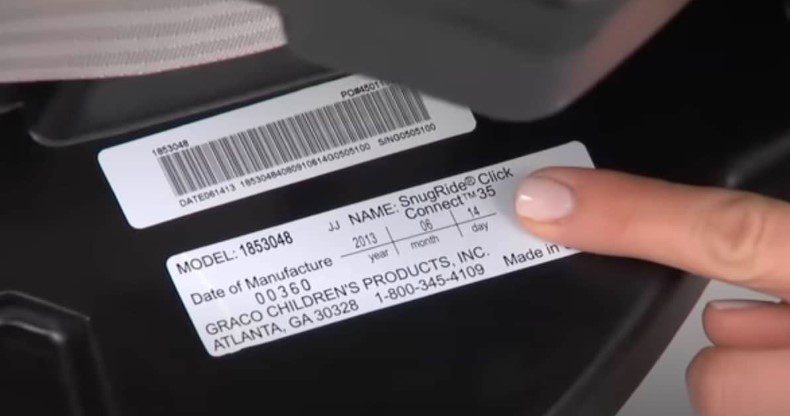
Where is the Expiration Date on a Graco Car Seat?
This is the million-dollar question for parents! The good news is that Graco usually makes this information easy to find, though the exact location can vary slightly depending on the specific model of your Graco car seat. When you’re looking for the expiration date, or sometimes it might be referred to as a “manufacture date” and a “use-by” period, here are the most common places to check:
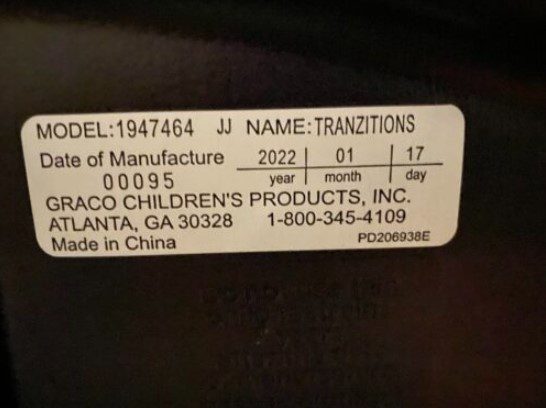
- The Sticker is Your Best Friend: The expiration date is almost always printed on a sticker. This sticker is typically located on the plastic shell of the car seat.
- Back of the Seat: Many Graco car seats have this sticker on the back of the main plastic frame. You might need to tip the seat or look behind the fabric.
- Underside of the Seat: Another very common spot is on the bottom of the car seat’s plastic base. Feel around the bottom; you should encounter a sticker with important information.
- Side of the Seat: Some models might have the sticker on the side of the plastic shell as well.
- Near the Harness Adjuster: Occasionally, you might find it near other important labels, like those related to harness adjustment or buckle mechanisms.
- Manual is Key: If you absolutely cannot find it, your Graco car seat manual is your best bet. It will specify exactly where to look for the date. You can usually find a digital copy on the Graco official website if you no longer have the physical one.
Pro Tip: Once you find the sticker, take a clear photo of it with your phone. This way, if the sticker ever becomes faded or damaged, you’ll still have a record of your seat’s expiration date. It’s a simple step that can save you future headaches!
The sticker usually contains more than just the expiration date. You’ll often see:
- Manufacturing Date
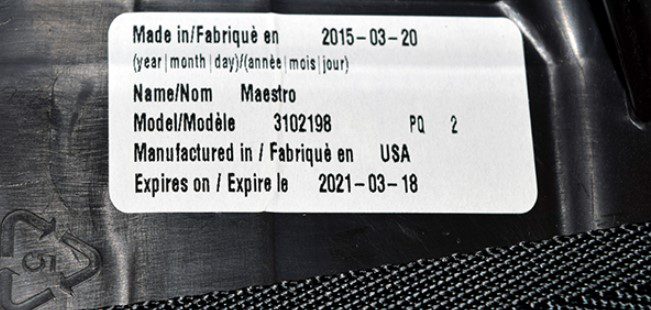
- Expiration Date (or Use-By Date)
- Model Number
- Serial Number
- Safety Certifications
What Does the Expiration Date Really Mean?
The expiration date on your Graco car seat is not arbitrary; it’s a critical safety feature. Manufacturers determine these dates based on rigorous testing and an understanding of material science. Over time, exposure to various elements can compromise the car seat’s ability to protect your child and, critically, its ability to absorb energy during a crash.
Here’s a breakdown of what the date signifies:
- Material Degradation: Over the years, the plastics in the car seat shell and harness can become brittle due to exposure to UV rays (sunlight), temperature fluctuations (hot cars, cold winters), and general wear and tear. Brittle plastic is more likely to crack or shatter in an impact.
- Webbing Strength: The harness straps are made of special webbing that can withstand significant force. Like plastics, these materials can weaken over time, reducing their ability to hold your child securely in the event of an accident.
- Buckle and Adjuster Mechanisms: The internal mechanisms, like the buckle and harness adjustment systems, can also wear out or become less reliable with age.
- Safety Standards Evolution: Car seat technology and safety standards are constantly evolving. An older car seat may not meet the latest safety recommendations or incorporate newer, more effective protective features. For insights into current safety standards, the National Highway Traffic Safety Administration (NHTSA) provides comprehensive guidance.
Essentially, the expiration date is the manufacturer’s way of saying that they can no longer guarantee the seat’s original safety performance after that point. It’s a crucial piece of information for ensuring your child is always riding in the safest possible environment.
How Long Are Graco Car Seats Good For?
The lifespan of a Graco car seat, like from other manufacturers, generally falls within a range of 6 to 10 years from the date of manufacture. This timeframe is usually printed on the expiration date sticker. It’s important to note that this is from the manufacture date, not the date you purchased it. So, if you buy a car seat that was manufactured a year ago, it effectively has 5 to 9 years of usable life left.
Here’s a typical breakdown, though always check your specific seat’s sticker:
- Infant Car Seats: Often have a slightly shorter lifespan, typically around 6-7 years from the manufacture date.
- Convertible and All-in-One Car Seats: These usually have a longer lifespan, commonly 7-10 years from the manufacture date.
Why the Variation? Different types of car seats use slightly different materials and designs. Infant seats, for example, are made to be lightweight and easily portable, which might influence material choices. Convertible seats are designed to grow with the child over a longer period, and manufacturers account for this in their lifespan estimations.
It’s also worth considering that if you have more than one child, you might need to pass down a car seat. Always verify the expiration date before doing so. If the seat is expired or damaged, it’s best to get a new one.
Graco Car Seat Expiration Date Examples and What to Look For
Finding that specific date can feel like a treasure hunt. Let’s look at what you might see on that crucial sticker:
When you find the sticker on your Graco car seat, take a close look. You’ll typically see information presented clearly. Here are some common formats you might encounter:
| Information Label | Typical Format | Meaning |
|---|---|---|
| Manufacture Date | MFG DATE: MM/YY or MM/DD/YY | The date the car seat was produced. |
| Expiration Date | EXP DATE: MM/YY or MM/DD/YY | The date after which the seat should NOT be used. |
| Or Use By | USE BY: XX Months/Years FROM MFG DATE | This indicates a timeframe after the MFG DATE. For instance, “USE BY 7 YEARS FROM MFG DATE.” |
Example Scenario: Let’s say you find a sticker that reads:
- MFG DATE: 05/17 (May 2017)
- USE BY: 7 YEARS FROM MFG DATE
In this case, the car seat would expire in May 2024 (2017 + 7 years). It’s always best to err on the side of caution and replace it when it reaches that date. Never guess; always find the official date.
What if the sticker is gone or unreadable? If the sticker is missing, faded, or damaged in a way that makes the dates illegible, it’s recommended to replace the car seat. Without a verifiable expiration date, you cannot be sure of its safety. Graco customer service might be able to help if you have the model and serial number, but often, they will advise replacement for safety reasons as per consumer product safety guidelines which emphasize maintaining product integrity and clear labeling for safety items.
What to Do with an Expired Graco Car Seat
Discovering your car seat is expired can feel like a bummer, but safety comes first! You definitely do NOT want to donate an expired car seat. Why? Because a child could be seriously injured or worse by using a seat that has lost its protective integrity. Additionally, many charities and donation centers specifically do not accept expired car seats because they cannot in good conscience give them to families.
So, what’s the proper way to dispose of an expired car seat? The goal is to make sure no one else uses it. Here’s how:
- Destroy the Seat: Before you get rid of it, you need to sabotage it so it absolutely cannot be used again. This involves cutting the harness straps. Make several deep cuts through all the webbing of the harness.
- Destroy the Buckle: Cut the buckle as well. This prevents it from being used.
- Remove or Black Out Labels: If possible, try to remove or deface the safety labels and the expiration date label. This further ensures it won’t be mistakenly used. Blacking it out with a permanent marker can also work.
- Dispose Responsibly: Check with your local municipality or waste management service. Some areas have specific recycling programs or collection events for car seats. If not, you’ll typically throw it in your regular household trash. Some baby stores or organizations, like Babies “R” Us (though less common now) or local Safe Kids chapters, sometimes host car seat recycling events. These are often advertised locally.
Important Note: Even if the car seat was never used (e.g., it was a spare or a gift that wasn’t needed), its materials still age. An unused expired car seat is no safer than an expired one that has been in constant use.
Can You Use a Graco Car Seat After the Expiration Date?
The simple and definitive answer is: no, you should not use a Graco car seat after its expiration date. It’s a safety guideline set by the manufacturer for a very good reason. Using an expired car seat puts your child at a significantly increased risk in the event of a car accident.
Think of it this way: the car seat is a piece of safety equipment, much like a helmet or a parachute. These items have a limited lifespan because their ability to protect you diminishes over time due to the very nature of the materials they are made from and the stresses they endure.
Here’s why it’s imperative to adhere to the expiration date:
- Compromised Materials: As discussed, plastics degrade. Harness webbing can lose tensile strength. The foam used for impact absorption can break down.
- Unpredictable Performance: After the expiration date, the manufacturer can no longer guarantee the seat’s ability to perform as designed in a crash. This means it might not absorb impact effectively, leading to more severe injuries for your child.
- Outdated Safety Standards: Car seat technology advances. An older seat might not meet contemporary safety benchmarks.
- Manufacturer’s Recommendation: Every manufacturer explicitly states that their seats should not be used past their expiration date. Failure to comply can void any potential warranty or support from the company.
While it might seem like a waste to discard a perfectly functional-looking car seat, that appearance can be deceiving. The degradation happens at a molecular level within the materials. Always prioritize your child’s safety by replacing an expired car seat with a new one.
Is It Safe to Buy a Used Graco Car Seat?
Buying a used car seat can seem like a great way to save money, but it comes with significant risks, especially if you can’t verify its history. For a car seat, safety is paramount, and here’s why buying used can be a gamble:
- Unknown Accident History: The most critical concern is whether the car seat has been in a crash. Even a minor fender-bender can compromise a car seat’s structural integrity. If you buy used, you must trust the seller’s word that it has never been in an accident, which is impossible to truly verify.
- Expiration Date: As we’ve learned, car seats expire. A used seat might be close to or already past its expiration date, meaning it’s no longer safe to use. You need to be able to confidently check this date.
- Missing Parts or Damage: A used seat might be missing essential parts or have hidden damage (like cracked plastic or frayed straps) that isn’t immediately obvious.
- Recall Status: Car seats can be recalled if they are found to have safety defects. A used seat might be subject to a recall that the current owner is unaware of, or has forgotten to mention. You can check for recalls at safecar.gov.
- Improper Cleaning: If the seat wasn’t cleaned properly, there could be hidden allergens or stains that affect its safety or usability.
Graco’s Stance on Used Seats: Graco, like most manufacturers, strongly advises against using second-hand car seats unless you are absolutely certain about their complete history – including that they have never been in an accident, are not expired, and have all original parts and labels intact.
Our Recommendation: While tempting, it’s generally safest to buy new car seats. The peace of mind that comes from knowing its complete history and ensuring it meets current safety standards is invaluable. If you do consider a used seat, be extremely diligent: check the expiration date, look for all original labels, inspect for any signs of damage or wear, try to find out its history (how old it is, if it’s been in a crash), and check for any recalls.
Graco Car Seat FAQs
Q1: How can I tell if my Graco car seat is expired?
A: Look for a sticker on the plastic shell of the car seat, usually on the back or underside. It will have a “Manufacture Date” (MFG DATE) and an “Expiration Date” (EXP DATE) or a “Use By” timeframe from the manufacture date. Always check this sticker.
Q2: What happens if I use an expired Graco car seat?
A: Using an expired car seat is unsafe. The materials can degrade over time, making the seat less effective at protecting your child in a car accident. Plastic can become brittle, and straps can lose strength.
Q3: Where do I find the manufacture date on a Graco car seat?
A: The manufacture date is typically found on the same sticker as the expiration date