Green Eye on Car Battery Is It Good
Figuring out if your car battery is good can be tricky sometimes. You might see a little green eye on it and wonder what it means. This can be confusing, especially if you’re new to car stuff.
But don’t worry! It’s not as hard as it looks. We’ll walk you through it step by step so you know exactly what your battery is telling you.
Let’s find out what that little green indicator means for your car.
What Is A Car Battery Hydrometer And How Does It Work
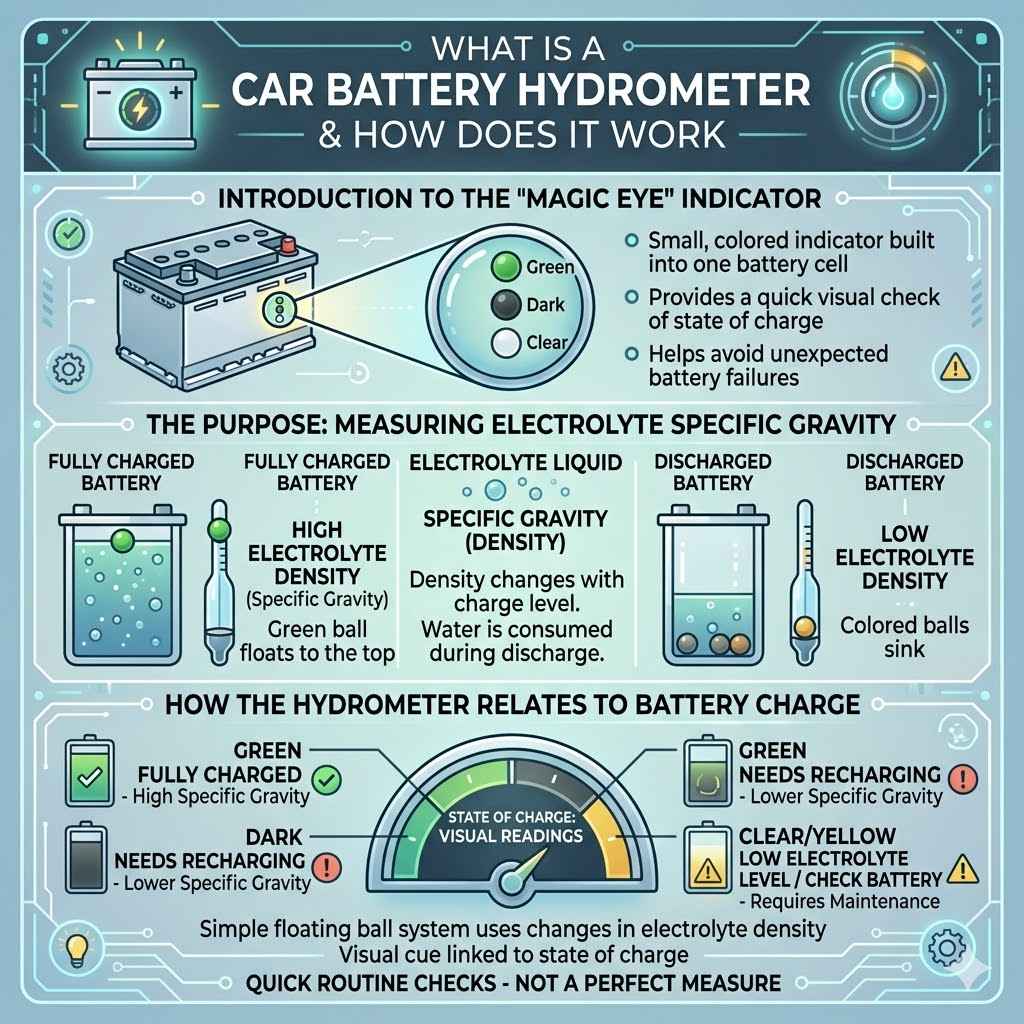
A car battery often has a small, colored indicator, commonly known as a hydrometer or magic eye. This little window is designed to give you a quick visual cue about the battery’s state. Understanding what this eye means is key to knowing if your battery is healthy or needs attention.
It’s a simple tool meant to help car owners avoid surprises. This section will break down exactly what this indicator is and how it functions to provide essential battery health information.
The Purpose Of The Battery Hydrometer
The main job of this indicator is to show the specific gravity of the electrolyte inside one of the battery’s cells. Electrolyte is a liquid inside the battery that helps it store and deliver power. Its density changes depending on whether the battery is charged or discharged.
When the battery is fully charged, the electrolyte is denser. As the battery loses charge, water is used up, and the electrolyte becomes less dense.
The hydrometer is a small, floating device with colored balls. These balls are designed to float at different levels depending on the density of the liquid around them. The indicator window lets you see how these balls are positioned, giving you a visual representation of the electrolyte’s specific gravity.
It’s like a mini fuel gauge for your battery’s charge level.
How The Hydrometer Relates To Battery Charge
The color you see in the hydrometer’s eye is directly linked to the battery’s charge level. This is because the density of the electrolyte changes with the state of charge. A denser electrolyte, found in a charged battery, will make the floating indicator balls behave in a certain way.
Conversely, a less dense electrolyte, found in a discharged battery, will cause them to behave differently.
This system allows for a very quick visual check. You don’t need special tools to get a general idea of the battery’s condition. While it’s not a perfect measure for every situation, it’s a handy feature for routine checks.
It helps you spot potential issues before they become major problems.
Green Eye On Car Battery Is It Still Good Understanding The Colors
The question on many minds is the meaning of that specific green eye on the car battery. Is it still good? This is where understanding the color codes becomes important.
Different colors indicate different states of the battery’s internal electrolyte. This section will clarify what each color signifies, focusing on the green eye, and provide a clear answer to whether it means your battery is in good condition.
The Meaning Of The Green Indicator
When you see a green eye on your car battery’s hydrometer, it usually means that at least one cell of the battery is fully charged. This is generally a good sign. The green color typically indicates that the electrolyte in that specific cell has reached a sufficient density, meaning it holds a strong charge.
It’s a positive indicator that the battery is performing well in that particular section.
However, it’s important to remember that this indicator only reflects the condition of the cell it’s in. A battery has multiple cells, and if the green eye is only visible in one, it doesn’t guarantee the entire battery is perfect. Other cells might be weaker or have issues.
So, while green is good news for that cell, it’s part of a bigger picture.
What Other Colors Might Mean
Besides green, you might encounter other colors or symbols on your battery’s indicator. These colors provide additional information about the battery’s state. It’s useful to know what these mean to get a complete understanding.
A common other color is black or dark. This usually signals that the electrolyte in that cell is weak or discharged. It means that particular cell needs attention, and the battery might not be holding a full charge.
In some batteries, you might also see a white or clear indicator. This often suggests that the battery needs more distilled water, as the electrolyte level is too low to properly cover the indicator.
When Green Is Not Enough
While a green eye is a positive sign, it’s not the only factor determining a battery’s overall health. Sometimes, even with a green eye, a battery might be failing. This can happen for several reasons, and it’s important to be aware of them.
For example, the battery might be old. Batteries have a lifespan, and even a well-maintained one will eventually need replacement. If your battery is several years old, a green eye might be misleading.
Also, damage to other cells or internal problems not reflected by the hydrometer can affect performance.
- Battery Age: Batteries typically last 3-5 years. If yours is older, even a green eye might not mean it’s in peak condition. Age is a significant factor in battery performance and reliability.
- Internal Sulfation: Over time, lead sulfate crystals can build up on the battery plates. This is called sulfation. It reduces the battery’s ability to hold a charge and deliver power. The hydrometer might not always show this internal damage.
- Corrosion: Battery terminals and cables can corrode. This corrosion can impede the flow of electricity, even if the battery itself is charged. You might see a green eye, but poor connections can still cause starting problems.
Testing Your Car Battery When The Green Eye Appears
Seeing that green eye on your car battery is a helpful indicator, but it’s wise to perform further checks to confirm its condition. This section will guide you through simple tests you can do to get a more complete picture. We will look at how to use a multimeter and what else to consider to ensure your battery is truly good to go.
Using A Voltmeter To Check Battery Voltage
A voltmeter, also known as a multimeter, is a very useful tool for assessing your car battery’s health. It measures the electrical potential difference, or voltage, of the battery. This is a more precise way to gauge the battery’s charge level than just looking at the hydrometer.
You can buy a simple voltmeter at most auto parts stores. To use it, set it to measure DC voltage. Then, carefully touch the red probe to the positive (+) terminal of the battery and the black probe to the negative (-) terminal.
Ensure the engine is off and has been for at least a few hours to get an accurate reading of the battery’s resting voltage.
Understanding Voltage Readings
The voltage reading will give you a good idea of the battery’s charge.
| Voltage Reading | Battery Condition |
|---|---|
| 12.6 volts or higher | Fully charged |
| 12.4 volts | About 75% charged |
| 12.2 volts | About 50% charged |
| 12.0 volts or lower | Discharged or needs attention |
If you see a green eye and your voltmeter reads 12.6 volts or higher, it’s a very strong indication that your battery is in good condition. If the voltage is lower, even with a green eye, it might suggest an issue that needs further investigation.
Load Testing The Battery
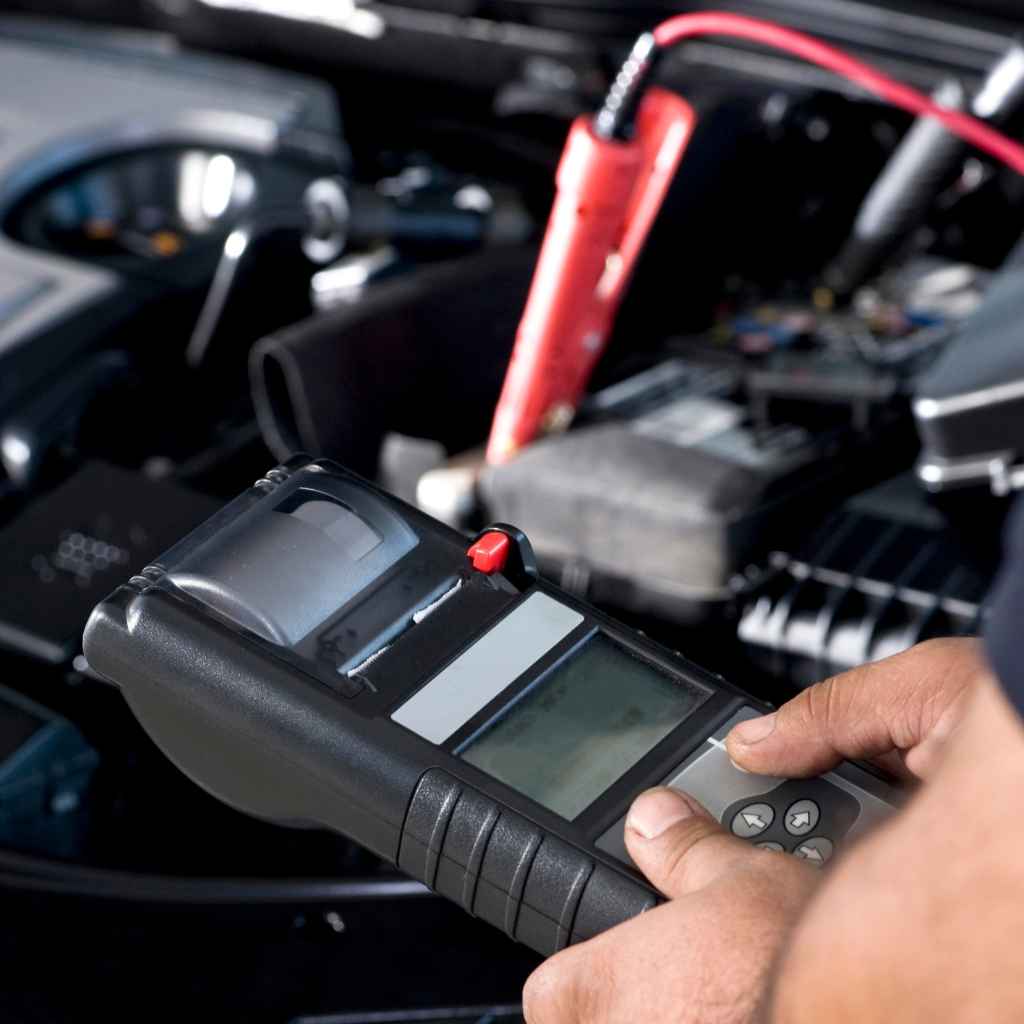
A voltage test is a good start, but a load test provides an even more definitive answer about a battery’s ability to perform under stress. This test simulates the demands placed on the battery when you start your car’s engine. Many auto parts stores offer free battery load testing services.
During a load test, a special machine applies a significant electrical load to the battery. It then measures how well the battery maintains its voltage while under this heavy demand. A healthy battery will maintain a stable voltage, while a weak battery will show a significant drop.
- What A Load Test Reveals: A load test checks the battery’s cranking amps. This is the amount of power it can deliver to start your engine, especially in cold weather. A battery might show a green eye and good voltage but fail a load test if its internal components are degrading.
- Importance For Starting Your Car: Your car’s starter motor draws a lot of power. If the battery cannot supply enough cranking amps, your car might struggle to start or not start at all, even if the hydrometer shows green.
Inspecting For Visible Signs Of Damage
Before relying solely on the green eye or voltage readings, take a moment to look over the battery itself for any obvious signs of trouble. Sometimes, external damage is the culprit behind a battery that isn’t performing as expected.
Check the battery case for cracks, bulges, or leaks. These could indicate internal damage or overheating. Also, inspect the battery terminals for excessive corrosion.
Green or white powdery buildup on the terminals can hinder electrical connections. Clean terminals ensure a good flow of power to and from the battery.
Example Scenario:
- Maria noticed the green eye on her car battery. She checked the voltage with a multimeter and it read 12.5 volts, which is good.
- However, her car was still slow to start on cold mornings. She took it to an auto parts store for a load test.
- The load test showed that the battery could not deliver enough cranking amps. Even though the hydrometer showed green and voltage was decent, the battery was old and weak. She needed a new one.
What If The Green Eye Isn’t Visible Or Clear
Sometimes, you might look at your car battery and not see a clear green eye, or perhaps the indicator isn’t visible at all. This can be just as confusing as interpreting the colors. This section will address these situations, explaining what it might mean and what steps you should take when the visual cue is missing or unclear.
When The Hydrometer Window Is Black Or Dark
If the hydrometer window shows black or a very dark color, it usually means the electrolyte in that cell is at a low specific gravity. This indicates that the cell is discharged. It suggests the battery is not holding a full charge and may need to be recharged.
If all the indicator windows are black, it’s a strong sign that the entire battery is significantly discharged. This could be due to leaving lights on, a faulty charging system, or simply an old battery that can no longer hold a charge effectively. In this case, recharging is usually the first step, followed by testing.
What If The Indicator Is Missing Or Damaged
Not all batteries have a visible hydrometer indicator. Some batteries are sealed and do not allow for this type of visual check. In such cases, you must rely on other methods, like voltage testing and load testing, to determine the battery’s condition.
If your battery is supposed to have an indicator but it’s missing or appears damaged, this can be a problem. It could mean the indicator itself has failed, or it might point to more significant internal damage within the battery. If the window is cracked or the indicator ball is stuck, it’s best to assume that cell is not providing accurate information and proceed with other tests.
The Need For Professional Inspection
When you’re unsure about your battery’s condition, or if the hydrometer is not giving you a clear answer, it’s always a good idea to have it inspected by a professional. A mechanic or a battery specialist has the tools and knowledge to perform thorough diagnostics.
They can perform more advanced tests, such as checking the battery’s internal resistance or using specialized diagnostic equipment. This ensures that you get an accurate assessment of your battery’s health and avoid unexpected breakdowns.
- Professional Diagnostic Tools: Mechanics use equipment that can detect subtle issues not visible to the naked eye or indicated by a simple hydrometer. These tools provide detailed reports on battery performance.
- Charging System Check: A weak battery might not be the battery’s fault. The problem could be with your car’s alternator, which charges the battery while the engine is running. A professional can test the entire charging system.
- Confirmation of Battery Life: Even if a battery passes initial tests, professionals can offer an opinion on its remaining lifespan based on its age and type, helping you plan for future replacement.
Low Electrolyte Level Indication
Some hydrometer indicators will show a very low level or a different color (often white or clear) if the electrolyte level is too low. This means the liquid inside the battery cells is not covering the plates or the indicator mechanism properly. Low electrolyte levels can happen over time due to evaporation or excessive heat.
If you see this, and your battery is not a sealed maintenance-free type, you might be able to add distilled water to the cells. It is crucial to use only distilled water because tap water contains minerals that can damage the battery. After adding water, you may need to charge the battery to mix the water with the electrolyte.
Sample Scenario:
- John looked at his battery, and the indicator window was completely white. He knew his battery was not a sealed type.
- He carefully opened the cell caps and added distilled water until the plates were covered.
- Then, he put the battery on a charger overnight. The next day, the indicator showed green, and his car started perfectly.
Car Battery Maintenance For Longevity
Keeping your car battery in good shape involves more than just checking its color. Proper maintenance can significantly extend its lifespan and ensure reliable performance. This section will cover essential maintenance tips that can help you avoid common battery problems and keep that green eye looking bright for longer.
Keeping Terminals Clean
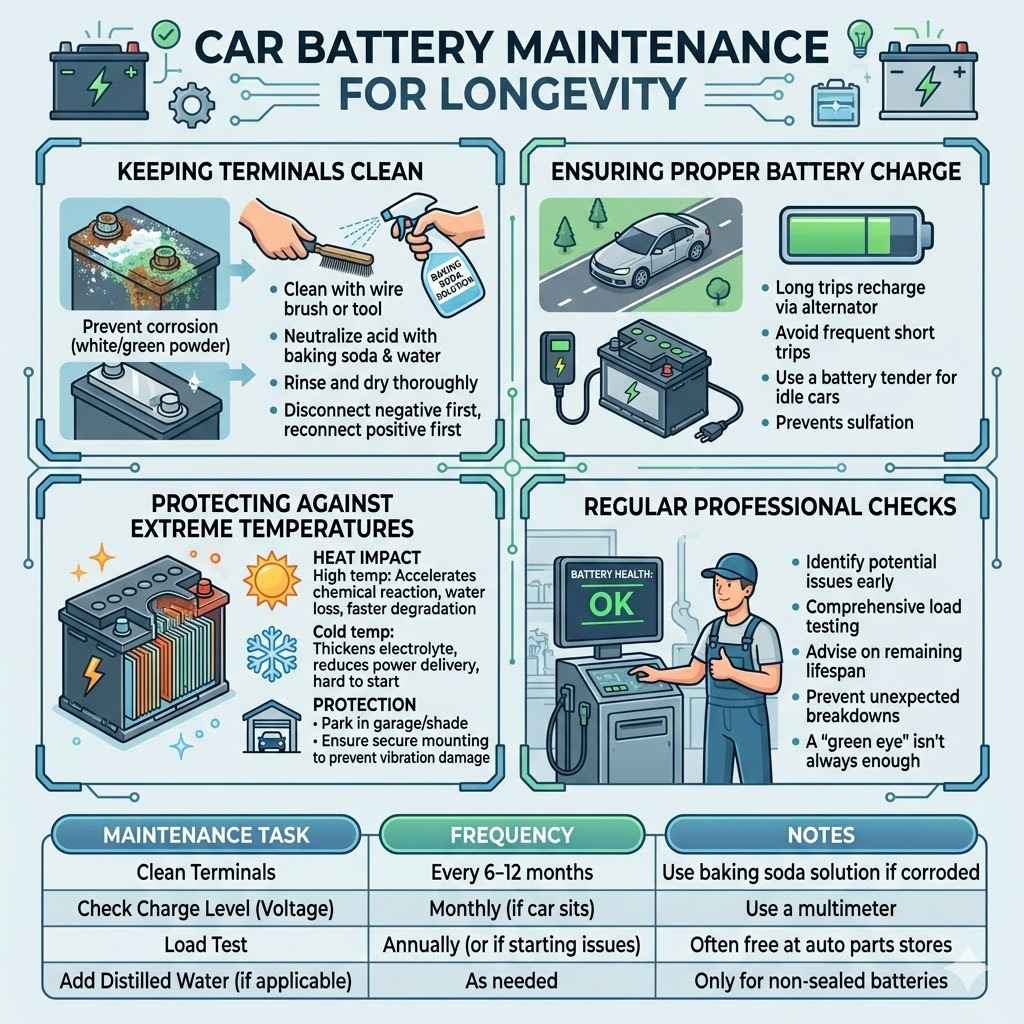
Corrosion on battery terminals is a common issue that can interfere with the battery’s ability to deliver power. It looks like a white or greenish powdery substance. This corrosion builds up over time from escaping battery gases.
To clean the terminals, disconnect the battery cables (always disconnect the negative terminal first, then the positive). You can use a wire brush or a special terminal cleaning tool. A mixture of baking soda and water can also help neutralize the acid that causes corrosion.
Rinse with clean water and dry thoroughly before reconnecting the cables (positive first, then negative).
Ensuring Proper Battery Charge
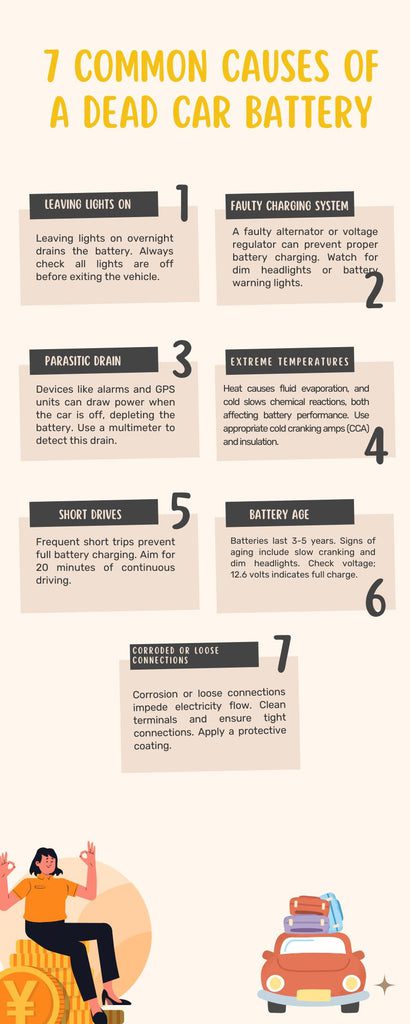
Batteries perform best when they are kept adequately charged. Letting a battery sit for long periods without being used can cause it to discharge, which can lead to sulfation. Short trips in a car also don’t give the alternator enough time to fully recharge the battery.
If your car sits for extended periods, consider using a battery tender or trickle charger. This device keeps the battery topped up without overcharging it. For daily drivers, ensure your driving routes are long enough for the alternator to do its job effectively.
Protecting Against Extreme Temperatures
Both extreme heat and cold can negatively impact battery life and performance. In hot weather, high temperatures accelerate the chemical reactions inside the battery, which can lead to faster degradation and water loss. In cold weather, the battery’s capacity to deliver power is reduced, making it harder for the engine to start.
If possible, park your car in a garage or shaded area to protect it from extreme temperatures. Ensure your battery is securely mounted; a loose battery can vibrate and suffer damage.
- Heat Impact: High temperatures can cause the electrolyte to evaporate faster and can damage the internal components of the battery. This leads to a shorter overall lifespan.
- Cold Impact: Cold weather thickens the battery’s electrolyte, making it harder for the battery to produce and deliver electrical current. This is why batteries are more likely to fail in winter.
- Alternator’s Role: Your car’s alternator is responsible for recharging the battery while the engine is running. If the alternator is not working correctly, the battery will not receive enough charge, leading to a dead battery.
Regular Professional Checks
Even with regular DIY maintenance, it’s wise to have your battery checked by a professional periodically. Mechanics can perform comprehensive checks that go beyond simple visual inspections or basic voltage tests. They can identify potential issues early on.
This can save you from unexpected breakdowns and costly repairs down the line. A mechanic can also advise you on the remaining lifespan of your battery and when it might be time for a replacement, even if it’s still showing a green eye.
| Maintenance Task | Frequency | Notes |
|---|---|---|
| Clean Terminals | Every 6-12 months | Use baking soda solution if corroded |
| Check Charge Level (Voltage) | Monthly (if car sits) | Use a multimeter |
| Load Test | Annually or if starting issues | Often free at auto parts stores |
| Add Distilled Water (if applicable) | As needed | Only for non-sealed batteries |
Frequently Asked Questions
Question: What does the green eye on my car battery mean
Answer: A green eye on a car battery hydrometer usually indicates that the electrolyte in that specific cell is at a sufficient density, meaning that cell is fully charged and in good condition.
Question: Can a battery with a green eye still be bad
Answer: Yes, a battery with a green eye may still be bad. The eye only indicates the condition of one cell, and the battery could be old, have sulfation issues, or other problems affecting its overall performance.
Question: How often should I check my car battery
Answer: You should check your car battery visually at least once a month. It is recommended to perform a voltage test every few months and a load test annually, or if you notice any starting problems.
Question: What should I do if my battery indicator is black
Answer: If your battery indicator is black, it means the cell is discharged. You should try to recharge the battery using a suitable charger and then test it again. If it doesn’t hold a charge, it may need replacement.
Question: Do all car batteries have a green eye indicator
Answer: No, not all car batteries have a green eye indicator. Many modern batteries are sealed and maintenance-free, meaning they do not have visible hydrometers or indicators.
Summary
The green eye on your car battery is a helpful visual cue. It generally signals a charged cell. However, it’s just one part of assessing your battery’s health.
Always combine this visual check with voltage and load tests. Proper maintenance keeps your battery strong. Knowing these simple steps ensures your battery serves you well.