Hawaiian Decals for Car Windows: Best Picks and Buying Tips
The best Hawaiian car window decal fits the glass, uses outdoor-rated vinyl for heat and wet weather, and stays within your local visibility rules; for rear side windows, about 6- to 12-inch decals are a common starting range. The wrong size or film can peel early, block sight lines, or draw a ticket. This guide compares styles, sizes, and vinyl types so you can choose the right decal for your exact window and weather.
The top pick for most shoppers is a high-quality die cut vinyl decal, because it gives you the widest mix of weather resistance, fade resistance, and vehicle compatibility without forcing a frosted look or heavy coverage.
For material claims, the best check is the manufacturer spec sheet, not the marketplace summary. Outdoor vinyl families from major brands such as 3M and Avery Dennison typically publish expected durability ranges, application temperatures, and surface-prep guidance; a neutral installation reference like 3M’s application guidance and Avery Dennison’s spec resources are useful starting points for confirming whether a decal is meant for sun, rain, and automotive glass. For visibility and placement, check your state or local windshield and window tint rules before putting any decal in the driver’s forward view; the IIHS and your DMV or vehicle code are better references than seller copy for that part of the decision.
Quick picks by window use


| Best for | Decal type | Visibility impact | Install difficulty | Climate fit | Short recommendation |
|---|---|---|---|---|---|
| Rear side glass | Die cut vinyl decal | Low to moderate, depending on size | Easy | Good for hot, wet, and coastal use if the listing confirms weather resistance | Pick this when you want a clean graphic without fogging the glass. |
| Rear window visibility | Small die cut vinyl or small hibiscus/turtle graphic | Low | Easy | Good if placed outside the sweep of wipers and away from defroster lines | Use a smaller piece when rearward sight lines matter. |
| Small accent spaces | Hibiscus flower decal or custom monogram | Low | Easy | Good for sunny windows if fade resistance is listed | Choose a small size when the glass area is tight. |
| Privacy or decorative frosted look | Etched glass vinyl | Moderate | Moderate | Best for interior window use, not for maximum clarity needs | Use it when the look matters more than clear-through visibility. |
| Personalized gift or club decal | Custom Hawaiian decal | Depends on text size and color | Moderate | Good if the seller offers outdoor-rated vinyl | Choose this when a name, monogram, or club text matters more than a motif. |
Die-cut vinyl decals
What the material does well
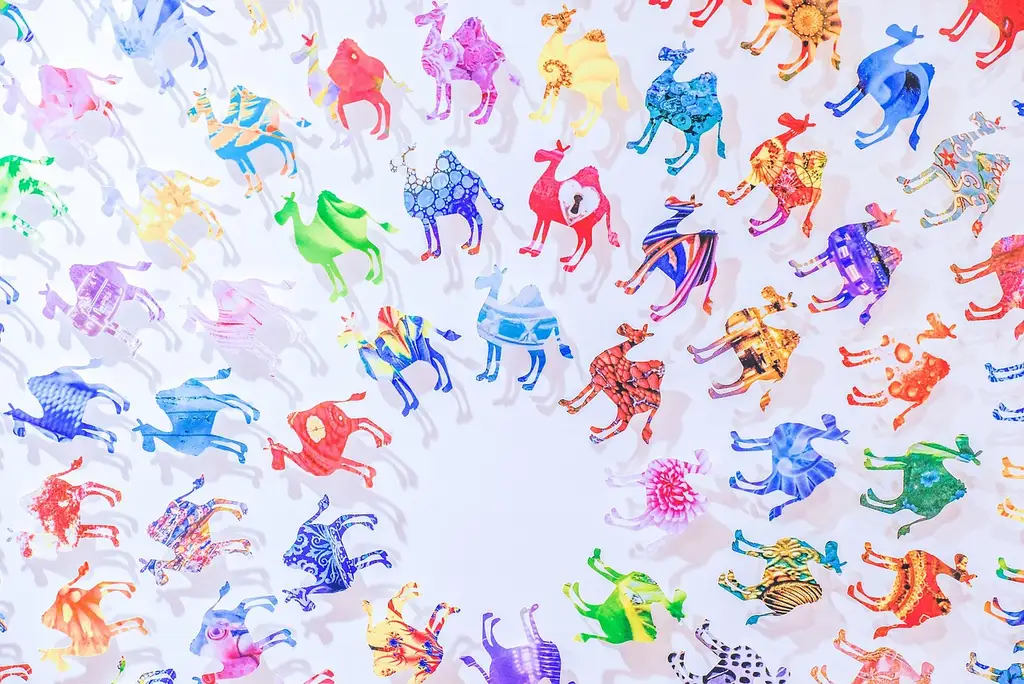
High-quality die cut vinyl is the most flexible choice for Hawaiian decals for car windows because it can carry hibiscus, turtle, palm, and aloha artwork without covering more glass than needed. The important detail is the material spec, not the theme: look for outdoor-rated vinyl with UV and moisture resistance if the car lives in strong sun, rain, or salt air. Manufacturer spec sheets are the right place to confirm that, since marketplace blurbs often compress the details.
Die-cut vinyl decals are marketed for cars, trucks, windows, and more. That matters because the same material can move from a side glass panel to a truck rear window without changing the basic installation approach. In practical terms, the main variables are still the same: smooth glass, clean edges, enough open area for the cut shape, and placement away from moving wiper paths.
Where it fits best on cars and trucks
This type works best on rear side glass, quarter windows, and other flat or gently curved panels. It also suits trucks, because larger glass areas give the artwork room to breathe without crowding the edge of the window. On a windshield, though, visibility and local rules come first, not the artwork. If the decal sits in the driver’s line of sight, check your state restrictions before you apply anything.
What to check in the listing before buying
Check the stated placement, the listed finish, and whether the decal is meant for interior or exterior application. If the page says the vinyl is weather resistant and fade resistant, that helps for hot parking lots and long sun exposure, but those claims still need to match the exact window and climate. For install best practices, the safer standard is clean glass, a dry or lightly misted application only if the product directions allow it, and full cure time before washing the vehicle.
- Measure the visible glass area, not the metal frame.
- Check whether the glass has dark tint or a rear defroster grid.
- Choose a size that leaves clear sight lines if the window is used for reversing.
- Confirm whether the decal is designed for interior or exterior placement.
- Verify that the listing mentions outdoor durability if the car lives in heat, rain, or coastal air.
Etched glass vinyl for windows
Frosted look and light pass-through
Etched glass vinyl is offered for a frosted window look, and the stated purpose is to make the decal look like etched window glass. That makes it a stronger visual fit for people who want a softer, more decorative finish than a colored sticker can provide.
The tradeoff is visibility. A frosted effect changes how much of the glass reads as clear, so it belongs on windows where the decorative finish is the point and the driver does not need a wide open view through that panel. On tinted glass, the frosted look can feel heavier than expected because the tint and the film stack visually.
Best window placements
Rear side windows, cargo-area glass, and fixed side glass are often good places for etched glass vinyl. Those areas usually allow a decorative layer without interfering with mirrors or direct forward vision. It can also suit home windows, which is why the product line is often framed as a window-specific option rather than a car-only graphic.
When to avoid it
Avoid it on any glass where you rely on a crisp rear view, and be careful around dark tint. A frosted decal on already tinted glass can make the window feel much heavier visually than expected. If the car has a steep rear window or you use that glass for lane checks, a clear die cut decal is the safer choice. For legality and sight-line issues, the conservative rule is simple: keep decorative film out of the driver’s essential field of view.
Hibiscus flower decals
Flower-only styles
Hibiscus is one of the most common Hawaiian motifs, and flower-only versions are the easiest way to keep the design clean. They read well on small glass areas because the subject is simple and instantly recognizable. Rather than focusing on price tags, compare the specific product page, size, and finish. Plain flower art is the simplest accent; monogrammed versions are a better fit when the decal needs to feel personal.
Small versus large sizes
Premium vinyl Hawaiian decals are offered in small and large sizes, and that choice should follow the window area rather than the graphic alone. Small hibiscus decals suit rear quarter glass and narrow side windows. Large versions work better on broad rear side glass or on the back window of a truck.
Suppose your sedan has a narrow rear quarter window with a steep curve. A small flower decal can sit cleanly in the open area, while a large version may crowd the glass and pull attention away from the shape of the car.
Color and readability choices
The decals come in a variety of colors, which matters more than style names suggest. On dark tint, a pale or high-contrast hibiscus is easier to read. On lighter glass, deeper colors can hold their shape better at a distance. Readability drops fast when the color blends into the tint or the background trim.
Sea turtle and palm tree decals
Tribal and decorative sea turtle styles
Sea turtle decals are another standard Hawaiian motif, and the options include tribal and decorative variants. They work well on car windows because the outline of a turtle stays recognizable even when the decal is sized down. Turtle art is a strong fit when you want a symbol-based decal rather than a floral one. It can feel more graphic and less ornamental, especially on darker glass.
Island and sunset palm tree styles
Palm tree decals bring a more tropical look, and island or sunset variants push that effect further. They suit rear side windows, hatch glass, and larger panels where the horizon-like shape has room to sit. On a small window, the trunk and fronds can lose clarity if the size is too ambitious.
Hawaiian scene decals include Hawaii Living On Island Time Decals and State of Hawaii Decals, which gives shoppers a second path if they want scenery rather than a single icon.
Which vehicle types they suit?
Sea turtles and palm trees work on cars, trucks, and SUVs, but the fit changes with the glass shape. Trucks usually have more room for sunset scenes and larger silhouettes. Jeeps often have smaller or more upright windows, so a compact turtle or palm graphic may read better than a wide scene.
Custom Hawaiian decals
Personalized text or monograms
Custom Hawaiian decals are the right move when the goal is a name, club text, family tag, or monogram instead of a stock motif. They can feel more intentional than a generic graphic, especially on the rear side glass where text can be read in passing. Keep the wording short if the window is small, and avoid fonts that get too thin to survive tint, defroster lines, or distance.
Color and size options
Custom decals usually give you the most control over color and size, which helps if the car has unusual glass proportions. A monogram can be placed in a tight corner, while a full phrase needs a wider opening. Check the manufacturer’s listing for your model if the seller gives size choices by panel rather than by general category. The goal is not maximum coverage; it is readable placement.
When custom is worth it
Choose custom when the decal needs to match a family name, a club name, or a specific look that a standard hibiscus or turtle cannot deliver. It is also the better choice when you need the lettering to fit around defroster lines or tint boundaries. That extra control matters more than a prettier stock image.
How to choose size and placement
Interior versus exterior placement
Car window stickers can be applied on the interior or exterior side, and the right choice depends on the product listing and the glass location. Interior placement usually protects the decal from direct weather, while exterior placement can make sense for some specialty films. Never assume both are acceptable without checking the seller’s instructions. If the instructions are vague, treat the decal as interior-only until the maker says otherwise.
Tint, defroster lines, and visibility
Tint changes the way the decal reads, and defroster lines can break up thin lettering or delicate floral stems. Windshields are a separate issue; in many places, even a small decal can be restricted if it sits where the driver can see it. Keep decorative film away from the driver’s forward view and from areas that need a clear rearward look.
A common first-timer mistake is buying a large sunset palm decal for a rear window, then discovering the defroster grid cuts through the trunk and makes the design look chopped. A smaller decal placed higher or to one side often solves the problem without changing the design.
Small and large decal sizing by window area
Small decals often work best for quarter windows, narrow side glass, and accent placement. Large decals belong on broad rear side windows, truck rear glass, or flat decorative panels. Premium vinyl Hawaiian decals are offered in small and large sizes, so match the choice to visible glass area instead of the overall vehicle size.
Trucks, SUVs, and Jeep window fit
Will a Hawaiian decal work on trucks, SUVs, or Jeeps? Yes, if the size and placement match the panel. Trucks usually allow bigger graphics, SUVs often support mid-size designs on rear side glass, and Jeeps may need shorter text or smaller motifs because the windows can be narrower or more upright.
Hawaiian decal buying matrix
Use this matrix to compare the common Hawaiian decal types by where they belong, how much they affect visibility, and how much care they need during installation. The goal is not to find the prettiest graphic first. The goal is to choose the one that fits the glass and the climate.
| Decal type | Window location | Visibility impact | Install difficulty | Sun and heat durability | Removability | Best-fit vehicle type | Recommendation |
|---|---|---|---|---|---|---|---|
| Die cut vinyl decal | Rear side glass, rear window, side glass | Low to moderate | Easy | Best choice when the listing states weather resistance and fade resistance | Usually straightforward if adhesive is standard | Cars, trucks, SUVs | Choose this first for most shoppers. |
| Etched glass vinyl | Fixed side glass, rear side windows, home windows | Moderate | Moderate | Good for sun exposure if the film is listed for window use | Can leave more residue risk than simple cut vinyl, so check the listing | Cars with decorative side panels | Best when you want a frosted look more than a bold graphic. |
| Hibiscus flower decal | Side glass, rear side glass, small accent spaces | Low | Easy | Good if colorfastness is stated | Usually easy on smaller sizes | Cars and compact SUVs | Use this for a simple floral accent. |
| Sea turtle decal | Side glass, rear window, truck glass | Low to moderate | Easy | Good if the vinyl is rated for weather and fade exposure | Usually easy in smaller shapes | Cars, trucks, Jeeps | Pick this when you want a symbol that reads quickly. |
| Palm tree decal | Rear side glass, hatch glass, larger windows | Moderate | Easy to moderate | Good on larger glass when the listing supports outdoor use | Medium, depending on size | SUVs and trucks | Best for a stronger tropical look. |
| Custom Hawaiian decal | Any window with enough open space for text | Depends on font and size | Moderate | Depends on the vinyl spec | Depends on adhesive and size | Any vehicle with usable glass area | Choose this when names or monograms matter most. |
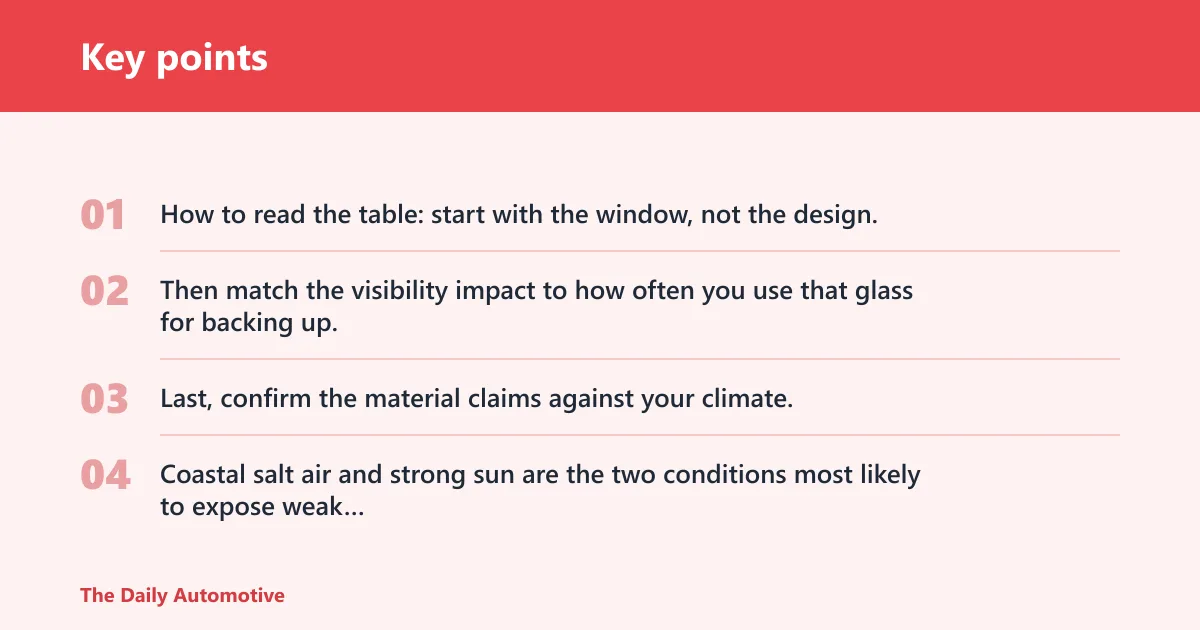
How to read the table: start with the window, not the design. Then match the visibility impact to how often you use that glass for backing up, lane checks, or mirror checks. Last, confirm the material claims against your climate. Coastal salt air and strong sun are the two conditions most likely to expose weak adhesive or fading ink, but the actual durability still depends on the exact vinyl, ink, and laminate the maker uses.
Frequently asked questions
What are the best Hawaiian decals for car windows?
The best Hawaiian decals for car windows are usually die cut vinyl decals because they balance a clean look with weather resistance and fade resistance claims. If you want a decorative finish, etched glass vinyl works well on side glass. For small spaces, hibiscus and turtle decals are the easiest to fit.
Are Hawaiian window decals waterproof and fade-resistant?
Many listings say the decals are weather resistant and fade resistant, but those claims should be checked for the exact product you buy. Heat, rain, and coastal air are the main stress points. If the listing does not clearly state outdoor use, treat it as an indoor-style decorative decal instead.
What size decal works best on car windows?
A common starting point is 6 to 12 inches for rear side windows, but the real answer depends on the visible glass area and how much sight line you want to keep open. Small decals fit quarter windows and accent spots. Large decals suit truck glass and broad rear side windows.
Should I choose die-cut vinyl or etched-glass style decals?
Choose die-cut vinyl if you want a clear graphic with lower visibility impact and broad vehicle compatibility. Choose etched-glass style if you want a frosted look and do not need the window to stay visually open. For rearward visibility or dark tint, die-cut vinyl is usually the safer bet.
How do I apply a decal to a car window without bubbles?
Clean the glass first, then align the decal before peeling the backing. Press from the center outward with a firm squeegee or credit-card edge wrapped in a soft cloth. Work slowly, especially around defroster lines and curved corners, because those are the spots where trapped air shows up first.
How much do Hawaiian car decals usually cost?
Prices vary by style and whether the decal is custom, so it is better to compare the exact product page than rely on broad price claims. If cost matters most, compare the plain motif, the custom version, and the size options side by side before you buy. Custom text usually costs more than a plain motif.
Products related to this article
Sponsored / affiliate links. As an Amazon Associate I earn from qualifying purchases. I may earn additional commission from eligible campaigns.