Hot Wheels Car Culture Ford GT vs Mustang Shelf Guide
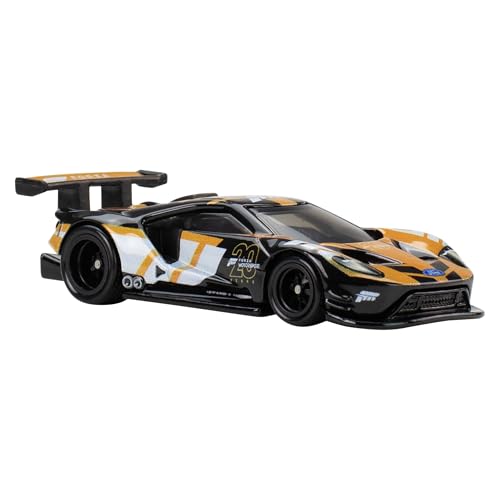
For 1:64 display, I tend to pick the Ford GT when I want a lower, sharper, more exotic-looking casting; I tend to pick the Mustang when I want a better-known Ford shape and easier shelf pairing. Pick badly and you pay for a car that looks plain, sits awkwardly beside other castings, or duplicates a silhouette you already own. This guide compares Car Culture Ford GT and Mustang castings by proportions, body fidelity, wheel stance, and sealed-versus-loose collector use.
This guide is part of our Cars in pop culture series.
Hot Wheels Car Culture Ford GT vs Mustang: which casting looks better on a shelf?

![[30 Pack] 0.6mm Extra Thick Protector Cases for Hot Wheels Premium Series, Car Culture & Retro Entertainment, Crystal Cl](https://m.media-amazon.com/images/I/51kXO8ydtVL._SL500_.jpg)
| Decision factor | Hot Wheels Car Culture Ford GT | Ford Mustang | Winner |
|---|---|---|---|
| Silhouette accuracy | Low, wide, and visually clean; reads like a supercar first | Long-hood, short-deck profile reads instantly as a pony car | Tie |
| Wheel stance | Looks best when the wheels sit flush under the hips | More forgiving if the ride height is a touch tall | Mustang |
| Tampo readability | Simple graphics usually read well on the broad body sides | More body surfacing can interrupt side graphics and striping | Ford GT |
| Display presence | Unusual shape stands out fast in a mixed lineup | Familiar shape pairs well with other Ford castings | Ford GT |
| Likely sealed-vs-loose preference | Often stronger as a loose display piece | Often stronger for sealed collectors who chase themes and variants | Tie |
Silhouette accuracy: the real fight is shape, not badge
The Ford GT has the easier job in 1:64 because its shape is built from a low roof, wide hips, and a short, tight cabin. If the casting gets those three pieces right, the model reads correctly from across a room.
The Mustang is harder to judge because Ford has used the name on many body styles, but the common thread is the long hood and compact rear deck. In miniature, that profile can look excellent or a little plain depending on how the roofline and beltline were compressed.
Wheel stance: this is where many releases are won or lost
Car Culture rides on Real Riders, and that matters because the tire diameter, offset look, and wheel face shape all influence how planted the car appears. A Ford GT with a slightly high stance can look toy-like fast.
The Mustang is more forgiving because the real car already carries more visual mass. Even when a release sits a bit tall, the body still reads as a proper street car instead of a shrunken supercar with the wrong posture.
Tampo readability: graphics can rescue, or ruin, a casting
Clean side graphics matter more on the Ford GT because the body panels are smoother and the shape is less cluttered. When the deco is centered well, the car looks crisp and deliberate.
The Mustang often has more character lines to compete with. Good tampo placement still matters, but a busy body side can make stripes or sponsor marks feel split if the artwork crosses shut lines or wheel arches badly.
Display presence: shelf impact is not the same thing as rarity
The Ford GT usually wins first-glance shelf presence because it looks special even to casual viewers. The profile is uncommon, and the car’s low, technical form catches light in a way that flatters premium paint.
The Mustang wins when the collector wants an easy anchor piece that sits naturally beside other American performance castings. It is the safer visual bridge between Ford themes, muscle-car shelves, and general premium displays.
What makes Hot Wheels Car Culture feel more premium?
Hot Wheels Car Culture is generally treated as a premium 1:64 collector line, and the difference often starts with construction: metal body and base parts, Real Riders-style tires, and licensed vehicle replicas aimed more at collectors than casual play. That package changes how the car feels in hand and how it reads behind glass.
Metal/Metal construction and why it changes the hand feel
Metal/Metal gives the model more density than a basic mainline car. That matters because a premium casting should feel like a small display object, not a light shell.
For buyers who keep cars loose, the extra mass also makes the model sit with less fuss. It tends to feel more deliberate when turned or placed on a shelf.
Real Riders tires, wheel choice, and what collectors notice first
Real Riders are the collector cue most people spot immediately. They separate Car Culture from ordinary basics and often make the model look closer to a proper scale replica because the tire sidewall and wheel face have more presence.
Wheel choice can change the whole read of a Ford GT or Mustang. A bad wheel design can make an otherwise accurate casting look clumsy; a good one can make a plain deco feel premium.
Licensed replicas, paint quality, and package presentation
Car Culture exists to mimic real vehicles, not generic shapes. That is why paint depth, tampo alignment, and card art presentation matter so much to sealed buyers.
For carded collectors, the package is part of the purchase. For loose collectors, the package matters less, so the finish on the car itself carries more weight.
Ford GT vs Mustang: which real-car shape scales down better?
The Ford GT often scales down cleanly because its proportions are dramatic and compact, which can help the casting read as a performance object even at 1:64. The Mustang can also scale well, but its familiar shape leaves less room for error when the hood length, roof height, or rear deck are off.
Ford GT proportions, low nose, and rear haunches
The Ford GT’s low nose and rear shoulders are visual anchors. If those lines are preserved, the miniature looks expensive and purposeful even before the details are studied.
Where it can fail is in roof thickness or wheel arch swelling. A little extra plastic in the wrong place makes the car lose that knife-edge look collectors want.
Mustang proportions, roofline, and how the body side reads in 1:64
The Mustang depends on the balance between hood length and cabin placement. Get that wrong and the casting can look nose-heavy or short-backed in a way that breaks the profile.
Because the Mustang comes in Fastback and Convertible forms in the real world, collectors are used to seeing different roof treatments. That makes the body side more flexible, but also more exposed to proportion mistakes.
Where each model can lose accuracy when compressed into die-cast form
The Ford GT can lose accuracy if the cabin sits too high or the tires look too small. The Mustang can lose accuracy if the greenhouse is too chunky or the decklid feels abbreviated.
Both issues are common in 1:64, and they matter more than brand loyalty. A good casting is one that still looks right from the side after it has been parked among other premium cars.
Which one is better for display detail and stance?
The Ford GT usually wins on clean detail and a dramatic stance, while the Mustang usually wins on forgiving presence and easier shelf pairing. For display buyers, the better casting is the one whose proportions and ride height look believable from normal viewing distance.
Side-by-side collector scorecard for Ford GT vs Mustang
| Factor | Hot Wheels Car Culture Ford GT | Ford Mustang | Winner |
|---|---|---|---|
| Silhouette accuracy | Excellent when the roof sits low and the body stays tight | Excellent when the hood, cabin, and deck proportions stay balanced | Ford GT |
| Wheel stance | Needs the right ride height to avoid a toy-like look | Handles slight stance variation more gracefully | Mustang |
| Tampo readability | Graphics usually land cleanly on the body | More body lines can break up graphic flow | Ford GT |
| Display presence | Striking, rare-looking shape on a shelf | Easy to stage with other Ford and pony-car castings | Ford GT |
| Sealed-vs-loose preference | Loose display often brings out the body lines better | Sealed buyers often enjoy the broader variation pool | Tie |
Wheel stance and ride height scorecard
A good stance can make a decent casting look expensive. A bad one can sink an otherwise strong release.
In practice, the Mustang tolerates a little more ride height because its shape is more upright and familiar. The Ford GT wants a lower, tighter setup or it starts to look off from every angle.
Tampo readability and graphic placement scorecard
The Ford GT is usually easier to read because its surfaces are cleaner and the panels are broader. That gives sponsor text, stripes, or race-inspired deco a better chance of staying legible.
The Mustang can still look excellent, especially on a plain-color release, but its stronger surfacing can break up side graphics. When the tampo is busy, the car can look more cluttered than premium.
Shelf presence for carded and loose display
Carded, the Mustang often benefits from name recognition and broader theme fit. The card art and the real-car familiarity do a lot of the work.
Loose, the Ford GT often feels more special because the physical form does the selling. It needs less explanation, and that matters on a shelf with several premium castings already competing for attention.
Which Ford Mustang versions matter to collectors?
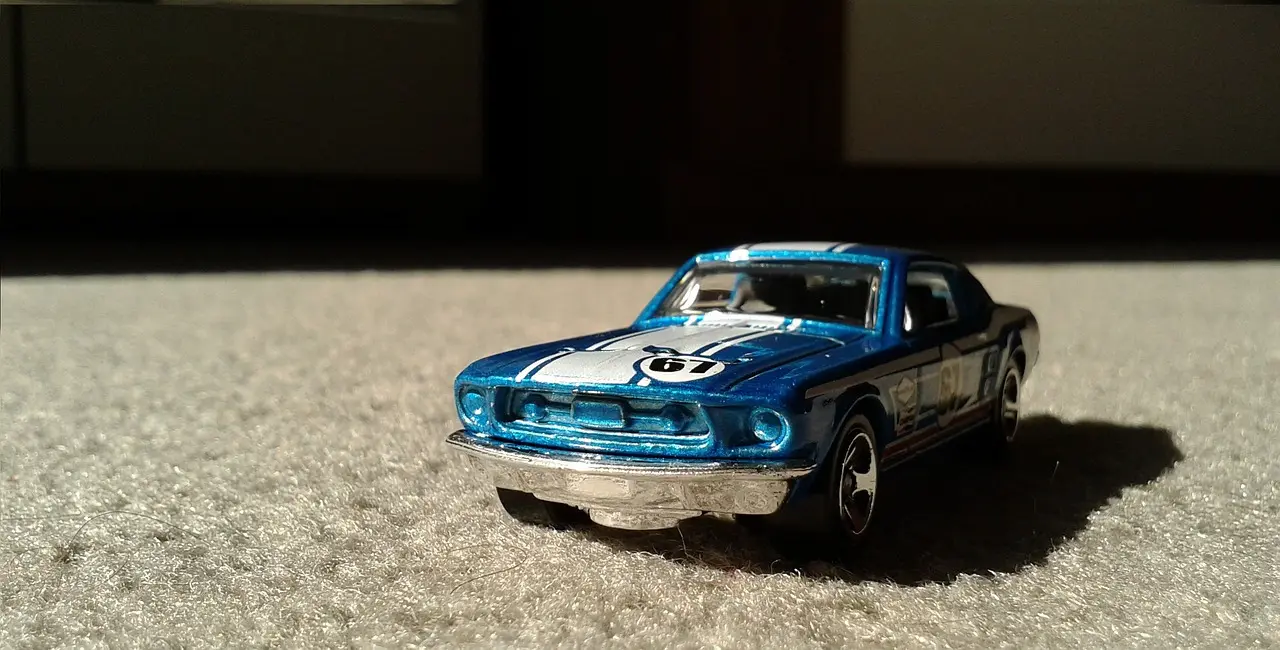
Collectors usually care less about the generic badge and more about which real Mustang variant the casting or deco is hinting at. The GT and EcoBoost references matter because they point to different performance identities, and that changes how a premium model is received.
Mustang GT cues collectors expect to see
The 2026 Mustang GT Fastback uses a 5.0L Ti-VCT V8 engine with 480 hp. It also offers a 6-speed manual transmission with rev matching, and that specification gives the GT a performance-first identity that collectors tend to translate into more aggressive graphics and wheel fitment.
On a miniature, GT cues often read as larger brake visuals, darker trim, and a more assertive stance. Those details make the casting feel like the “driver’s car” version of the Mustang family.
Mustang EcoBoost cues collectors expect to see
The 2026 Mustang EcoBoost models use a 2.3L EcoBoost engine with 315 hp. The model family includes both Fastback and Convertible body styles, so collectors may see premium castings that lean cleaner, lighter, or more open in profile.
EcoBoost-themed releases often fit a more street-driven look. That can make them appealing in Car Culture when the goal is a modern road car rather than an all-out track piece.
Fastback, coupe, and convertible cues that affect casting appeal
Fastback forms usually photograph best because the roofline carries motion into the rear deck. Convertible forms can be more polarizing in die-cast because they expose interior detail and demand a cleaner beltline.
For display, the best Mustang castings usually keep the side profile tidy and the greenhouse proportion believable. The trim identity matters less than whether the miniature captures the real body language.
Which Hot Wheels Car Culture casting is better, Ford GT or Ford Mustang?
For display purposes, the Ford GT can have the edge because its shape is more distinctive and its graphics often read with less visual clutter. The Mustang is the safer all-around buy if the collector wants a familiar Ford icon that slots into more shelves, themes, and eras without forcing the rest of the display to change.
Release theme, deco style, and how they change demand
Car Culture releases are not equal just because the casting is the same. A strong color choice, good wheel selection, and clean tampo placement can push one release above another very quickly.
That is why collectors should compare specific releases instead of speaking in absolutes. A weak Ford GT can lose to a sharp Mustang, and the reverse happens just as often.
Why sealed buyers and loose buyers may choose differently
Sealed buyers often care about theme, card art, and release identity. The Mustang has an advantage there because it is a familiar name with broad appeal.
Loose buyers usually focus on the object itself. In that setting, the Ford GT’s cleaner silhouette and stronger shelf drama often win the argument.
How color and wheel swaps can change perceived quality
Two releases of the same casting can look like different models once the paint and wheels change. A darker wheel on the Ford GT may sharpen the car’s stance, while a better wheel face on the Mustang can make the body appear more planted.
Collectors should judge the exact release in hand or in clear photos. A strong color can hide a minor proportion issue, but it cannot fix a bad stance.
Which Hot Wheels Car Culture Ford casting is better, Ford GT or Ford Mustang?
Neither is automatically “better.” The Ford GT is often the better display object when the goal is a lower, more exotic silhouette with cleaner graphic flow, while the Mustang is often the better all-round Ford casting when the goal is broad appeal, easier shelf mixing, and stronger recognition among collectors.
Best pick for sealed collectors
Choose the Mustang if the buyer values name recognition, broader theme flexibility, and a casting that still reads as Ford even without a detailed comparison. Sealed collectors usually reward releases that photograph well on the card and stay understandable from a glance.
Choose the Ford GT if the release has a strong color and a clean package presentation. The GT can feel more special in a blister, especially when the card art echoes the car’s low, expensive posture.
Best pick for loose-display collectors
Choose the Ford GT if the shelf already has muscle cars, pony cars, or other modern Fords and the buyer wants a casting that breaks the pattern. Its shape has more visual tension and usually looks more like a premium object once freed from the card.
Choose the Mustang if the buyer wants a model that sits comfortably beside many other American performance pieces. It is easier to stage and usually feels less demanding in a mixed display.
Best pick for buyers who want a Ford theme without owning both
Choose the Mustang for breadth. It covers more visual ground across Ford collections and connects easily to GT, EcoBoost, and classic-badge themes.
Choose the Ford GT for impact. It gives the display a stronger exotic anchor and usually reads as the more immediate conversation piece.
What should I check before buying a loose or carded Car Culture Ford?
Check the stance, wheel alignment, tampo placement, paint quality, and whether the release photographs better than it looks in a seller’s cropped image. For carded cars, also inspect the blister for crushing, yellowing, or shelf wear that can hurt resale value and display appeal.
Loose-buy checklist
- Look at wheel centering from the front and rear.
- Check that the car sits level and does not lean.
- Inspect the tampo for smearing or crooked placement.
- Verify that mirror, spoiler, or intake details are intact.
- Compare the roofline and hood profile against known good photos of the release.
Carded-buy checklist
Packaging condition matters because the premium line is bought by both display collectors and resellers. A clean card can carry a weaker release farther than a damaged one can carry a strong release.
For the Ford GT, card art that suits the low body shape tends to help. For the Mustang, a strong theme or color can be enough to make the blistered piece feel complete.
Which is more collectible in Car Culture, the Ford GT or Mustang?
The Mustang is usually more broadly collectible because the nameplate cuts across more types of Ford fans, but the Ford GT can feel more special to dedicated premium collectors who want a sharper, less common silhouette. Carded buyers often lean toward Mustang; loose-display buyers often lean toward Ford GT.
What changes collector demand release by release
Theme matters. A racing deco, a street build, or a clean factory-style color can each shift demand in different directions.
Variation also matters. A repaint, wheel change, or tampo revision can make a later release look better than an earlier one, even when the base casting is unchanged.
How to think about sealed versus loose value
Sealed value tends to reward condition, card appeal, and broad recognition. That usually helps the Mustang.
Loose value is driven more by how well the casting reads as a display object. That is where the Ford GT often pulls ahead because the shape itself does more of the work.
Choose Hot Wheels Car Culture Ford GT if… / Choose Ford Mustang if…
Choose Hot Wheels Car Culture Ford GT if you want the sharper silhouette, the stronger shelf drama, cleaner side graphics, or the more exotic-looking loose display piece. It is the better pick when the rest of your collection already covers common muscle-car shapes.
Choose Ford Mustang if you want the more familiar Ford icon, easier shelf pairing, stronger sealed-package appeal, or a casting that tolerates small stance changes better. It is the smarter buy when you want one premium Ford that fits almost anywhere.
Frequently asked questions
Which Hot Wheels Car Culture casting is better, Ford GT or Ford Mustang?
The Ford GT is usually better as a pure display object because the shape is lower and more dramatic. The Mustang is better if the buyer wants wider appeal, easier shelf integration, and a casting that still looks right even when the exact release is not perfect.
What makes a Hot Wheels Car Culture Ford casting premium?
Metal/Metal construction, Real Riders tires, licensed vehicle detail, and sharper paint work make the difference. Premium also means the car is meant to read like a collector replica, not a basic toy, so proportions, stance, and packaging presentation matter more.
Are Real Riders and Metal/Metal worth paying extra for?
Yes, if the buyer cares about display presence and hand feel. Real Riders usually improve the visual realism, while Metal/Metal gives the model more weight and a more substantial feel than a basic mainline car.
Which Ford Mustang variants have been done in Hot Wheels premium lines?
Premium Mustang releases often draw from GT and EcoBoost themes, and collectors may also see Fastback and Convertible styling cues reflected in the casting or deco. The real 2026 Mustang GT Fastback uses a 5.0L Ti-VCT V8 engine with 480 hp, while the EcoBoost models use a 2.3L EcoBoost engine with 315 hp.
How close are Hot Wheels Ford castings to the real Mustang proportions?
The better releases get the long hood, short rear deck, and cabin placement close enough to read instantly as a Mustang. The Ford GT is often even easier to judge because its low, wide proportions are more distinctive and leave less room for ambiguity in 1:64.
What should I check before buying a loose or carded Car Culture Ford?
Check wheel alignment, stance, tampo placement, and paint quality on loose pieces. On carded pieces, inspect blister condition, card wear, and whether the release theme matches the version of the casting you actually want.
Products related to this article
Sponsored / affiliate links. As an Amazon Associate I earn from qualifying purchases. I may earn additional commission from eligible campaigns.