Hot Wheels Car Culture Price Review: Worth It?
Hot Wheels Car Culture premiums earn their higher price when you want metal bases, rubber tires, and sharper paint detail. Skip them if wheel variation matters most or if you only want a cheap display filler. Pay too much for packaging hype, and you fund duplicates instead of stronger models. This guide breaks down the price gap, the upgrades that matter, and the features you can safely ignore.
Verdict
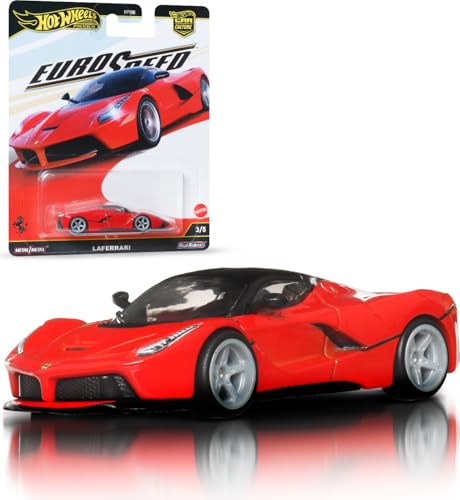
The clearest case for premium prices is a collector who cares about shelf realism and theme accuracy more than raw car count. Car Culture sits above mainline Hot Wheels, which usually cost about $1.25 in the U.S. and use simpler plastic-based construction. A typical Car Culture single reference point is around $6.50 in U.S. pricing, so the question is whether Real Riders, metal/metal build, and stronger tampo work justify that jump for the casting in front of you.
Car culture value matrix
This is the practical filter: buy only when the feature mix matches the goal. A premium car can be worth the money for one buyer and poor value for another, especially when the casting is common or the retail tag drifts above the usual reference range.
| Buyer goal | What to look for | Buy / wait / skip | Price threshold range | Why it lands there |
|---|---|---|---|---|
| Display realism | Metal/metal, Real Riders, clean tampos, licensed subject | Buy | Up to about $6.50 for a single; wait if it climbs much higher | These features change how the car sits on a shelf and how convincing it looks next to other premiums. |
| Licensing and theme appeal | Strong livery, recognizable car, set theme you already collect | Buy or wait | Buy near reference pricing; wait if the theme does not matter to you | Themed 5-car sets make more sense when every car in the wave fits your interests. |
| Resale upside | Chase-style demand, scarce casting, strong condition, popular theme | Wait | Below reference pricing or at a discount; skip above that unless demand is clear | Upside exists, but it depends on rarity and demand, not on the premium label alone. |
| Shelf value | Nice packaging, tidy deco, no obvious repeat in your collection | Buy or skip | Buy near normal premium pricing; skip when the car is common and expensive | Shelf value is the easiest thing to overpay for, because packaging can look special without adding much long-term value. |
What do you get for the money?
The premium is more than branding. Car Culture usually adds metal/metal construction, Real Riders rubber tires, and more detailed tampo printing. That mix changes the feel in hand, the stance on the shelf, and the visual payoff from a few feet away.
Metal/metal construction
Metal body and metal chassis are a major part of the premium pitch. The heavier hand feel matters because it makes the car seem closer to a display piece than a play car, and the zinc-metal chassis cited for premium and Car Culture models reinforces that impression. It is a cue, though, not a guarantee on every release.
That last point matters. Check the specific listing or packaging for the model in front of you, because premium branding does not erase all variation. Some releases lean harder into presentation than others, and a car can still feel underwhelming if the casting itself is common.
Real Riders and why they matter
Real Riders rubber tires are one of the few upgrades that change the collector experience in a visible way. They look more realistic than basic plastic wheels, and they give the car a better display stance. That is why so much of Car Culture’s value lives in the tire-and-wheel package rather than the packaging alone.
Suppose you are choosing between two similar castings and one has rubber tires with proper stance while the other has simpler wheel treatment. The first car usually justifies the premium more easily. The second can feel like expensive decoration if the rest of the release is ordinary.
Tampo printing and finish quality
Tampo printing is where the decoration gap becomes obvious. Car Culture releases often add racing liveries, badges, trim lines, and layered graphics that mainline cars usually skip. The result is not just more color. It is more specific detail, and that matters for subjects that collectors want to look “finished” on a shelf.
Finish quality still varies by casting and release. A well-chosen deco can make a $6.50 single feel like a meaningful upgrade. A generic theme can make the same price feel high once you realize the design is doing most of the work and the car itself is not especially special.
Who is it for?
Car Culture is best for display-first collectors, theme collectors, and buyers who already know which castings they want. It is less appealing if your main goal is a cheap way to fill a peg, because the premium price pays for presentation more than for simple ownership of another 1:64 car.
Display-first collectors
If the car will live on a shelf, in a case, or in a carded wall display, Car Culture makes sense more often than mainline Hot Wheels. The metal body, rubber tires, and stronger tampo work all help the model hold visual interest. That is where the extra money goes.
Theme and license buyers
Collectors who chase specific subjects get the most value from themed 5-car sets. Hot Wheels Car Culture is built around those groupings, including sets such as Japan Historics and Mountain Drifters. If the theme fits your taste, the premium can feel justified before you even look at the individual car.
A common first-timer mistake is buying a premium wave because it looks special in the store, then realizing the set contains three castings you would never display. That turns a collector purchase into a packaging purchase, and packaging usually does not hold value as well as a desirable car.
New collectors watching budget
New collectors should be selective. Mainline Hot Wheels still makes sense when you want variety, play value, or a low-cost way to experiment with castings. Premium cars reward focus. Without a clear target, it is easy to spend premium money on cars that feel only slightly better than mainline once the card comes off the peg.
What works
Car Culture does several things well. Premium presentation is the biggest one, but the better subject selection and stronger shelf presence are what make the price gap understandable. The line feels aimed at adult collectors, and that aim shows up in the details.
First, the themed 5-car format gives the line a collector rhythm that plain singles do not always have. Second, the combination of subject choice and more detailed decoration makes the cars feel intentional. Third, the metal body and rubber tire mix often gives the model a more substantial presence than a basic mainline casting.
Hot Wheels Premium is the wider tier above mainline, and Car Culture sits inside it alongside Boulevard, Team Transport, Pop Culture, and Fast & Furious. That matters because the brand is not selling one universal premium standard. It is offering several premium flavors, and Car Culture is only one of them.
What does not justify the price?
Common castings at inflated retail are the biggest miss. If the car is easy to find, the theme is generic, and the deco does little beyond making it look shiny, the premium markup can be hard to defend. You are paying for a better finish, but not every finish is worth the jump.
Duplicates are another weak-value buy. If a collector already owns a similar version, the new release may add little beyond packaging variation. That is especially true when the underlying casting is not rare and the deco change is minor. The card looks different. The shelf payoff may not.
Not every Car Culture release is equally appealing. Some castings are desirable because the subject is strong. Others are desirable because the theme is strong. When both are weak, the car can feel like branding carrying the whole price tag.
Alternatives
Car Culture is not the only premium choice, and it is not always the best one. Boulevard can be better when you want a more straightforward premium display car, while Team Transport makes more sense when the truck-and-car pairing matters more than a single casting. Mainline is still the smarter buy when the premium upgrade does not change how you plan to enjoy the model.

Matchbox 8-pack is the better value when you want quantity and a broader mix of vehicles for the money. It can beat a single premium car on pure shelf-fill value, but it is not a direct Car Culture substitute and the theme focus is looser.
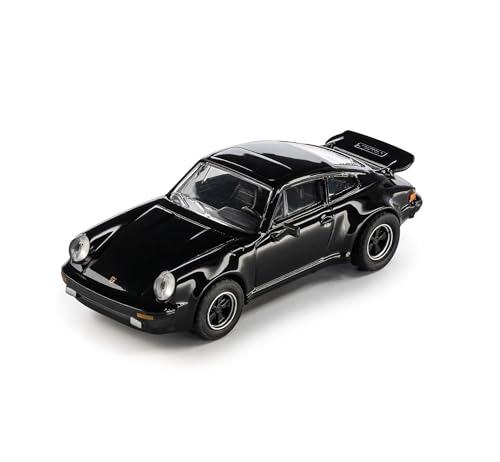
Majorette Collection Porsche 930 Turbo makes more sense if you want a lower-cost collector piece. The drawback is that it is a single-model purchase, so it does not satisfy buyers looking for themed wave collecting.
Should you buy it?
Buy Car Culture at retail when the casting is one you actually want, the theme fits your collection, and the price is close to the usual premium reference point. The best purchases are the ones where metal/metal, Real Riders, and stronger deco all matter to you at once. That is when the premium feels earned.
Wait for a discount when the casting is common, the theme is only mildly interesting, or the retail price pushes beyond the normal single-car reference. Skip it when you only want a cheap display car, when you already own a similar version, or when the premium is mostly packaging and branding. The car has to justify the money, not the other way around.
- Check whether the casting and theme are relevant to your collection.
- Confirm that the release uses the premium features you want.
- Compare the deco against a mainline version of the same subject.
- Ask whether the car still looks good if you ignore the card art.
- Buy only if the price sits near the normal premium reference range for your market.
Frequently asked questions
Are Hot Wheels Car Culture cars worth the extra money?
Yes, when you care about realism, better shelf presence, and more detailed decoration. Car Culture is worth more than mainline for collectors who want premium construction and stronger tampo detail. If you only want a low-cost toy or a quick display filler, the upgrade is harder to justify.
How much do Hot Wheels Car Culture singles usually cost?
A common U.S. reference point is about $6.50 for a Car Culture single, compared with about $1.25 for mainline Hot Wheels. Prices vary by retailer, region, and release. Always check the current shelf tag.
What makes Car Culture different from mainline Hot Wheels?
Car Culture usually sits in the premium tier with metal/metal construction, Real Riders rubber tires, and more detailed decoration. Mainline Hot Wheels usually cost less, use simpler plastic-base construction on most cars, and are built more for play and track use than display realism.
Do Car Culture cars have metal/metal construction and Real Riders?
Usually, yes. Premium Hot Wheels in lines such as Car Culture commonly use metal body and metal chassis construction, along with Real Riders rubber tires. It is still worth checking the specific release, because premium branding does not make every detail universal across every car.
Which Hot Wheels premium lines are better value than Car Culture?
Boulevard can be a better value when you want similar premium display appeal with a different theme focus, while Team Transport makes sense if you want a truck-and-car package instead of a single casting. Mainline is the better value when the premium details do not change your collecting experience enough.
Why are some Hot Wheels Premium sets priced so much higher than singles?
Premium sets can cost much more because they bundle multiple cars, often with collector-focused themes and more elaborate presentation. That is a very different purchase from a single Car Culture car. The question is whether the entire set earns its price, not just one casting in it.
Do Car Culture cars hold resale value better than mainline Hot Wheels?
Often, yes, but only when demand and condition line up. Premium castings can appreciate, and chase cars or rare releases can skew higher. Still, not every Car Culture car is an investment. A common premium casting can settle near purchase price or below it if interest is weak.
What should I check before buying a Car Culture car at retail?
Check the casting, the theme, the condition of the card, and whether the release actually uses the premium features you want. Look for premium construction, Real Riders, and clean tampo work. If the car is common and the price is high, the premium may not be earning its spot in your collection.
Are all Car Culture releases the same quality?
No. The line is consistent in intent, but not every release has the same value. Some castings benefit far more from the premium treatment than others. A strong subject with good deco can feel worth the money, while a weak theme can make the same premium price feel inflated.
Is Car Culture better for display or play?
Display, clearly. Car Culture is aimed at adult collectors and uses premium details that make more sense on a shelf than on a track. Mainline Hot Wheels is the better choice for casual play and track use, while Car Culture is for buyers who want realism and presentation first.
Products related to this article
Sponsored / affiliate links. As an Amazon Associate I earn from qualifying purchases. I may earn additional commission from eligible campaigns.