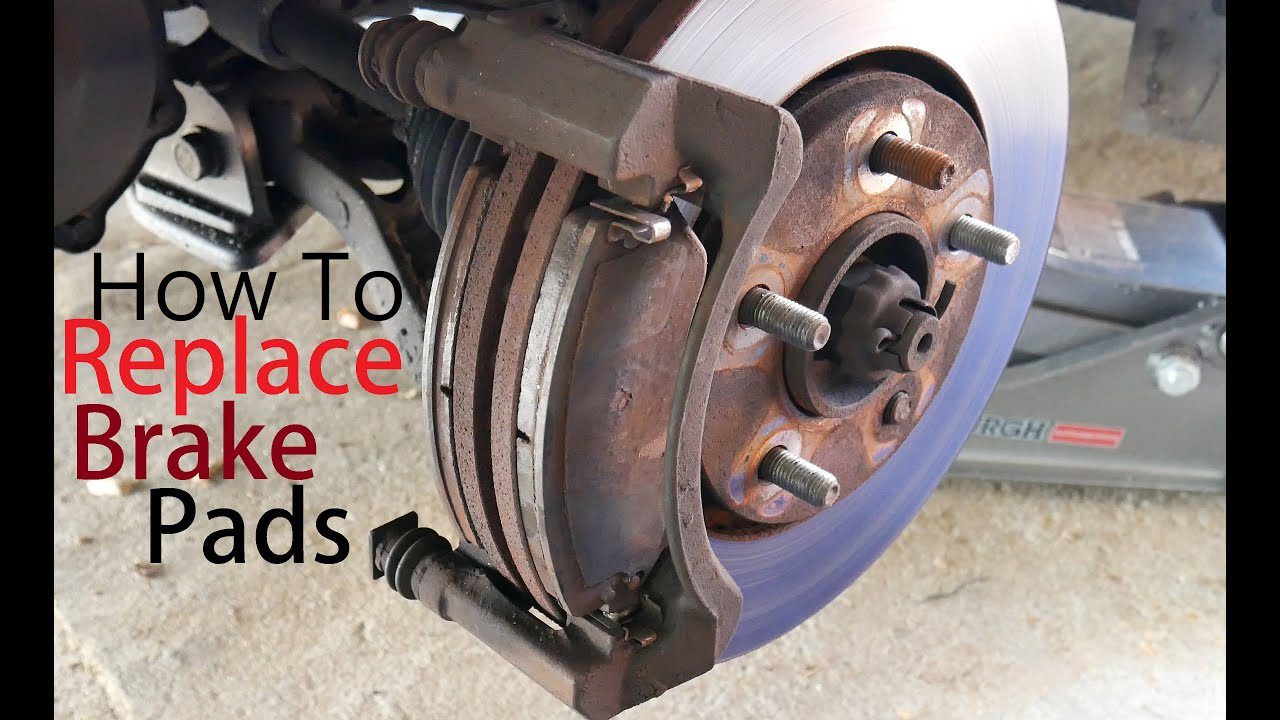
How Do You Change Brake Pads on a Car: Step-by-Step Guide
Changing brake pads on a car is essential for safety. It’s a task that many car owners can do themselves.
Brake pads wear out over time, which can affect your car’s braking performance. Replacing them is a straightforward process if you have the right tools and some basic knowledge. In this guide, we’ll walk you through the steps to change your brake pads.
You’ll save money and gain confidence in maintaining your car. Ready to get your hands dirty? Let’s dive into the details of changing brake pads and ensure your car stops smoothly and safely.
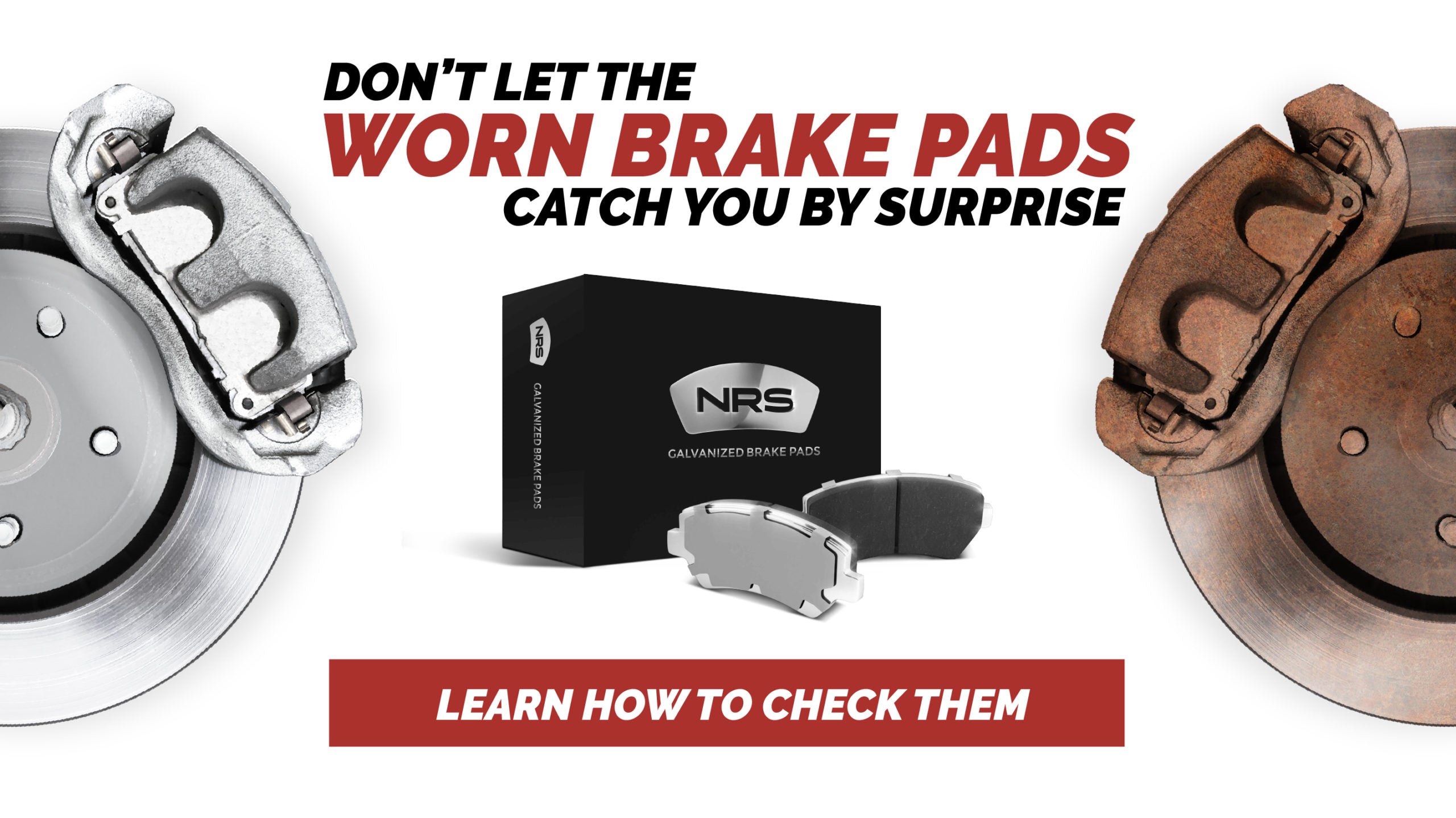
Credit: nrsbrakes.com
Tools And Materials Needed
Changing brake pads requires specific tools. A jack lifts the car safely. A lug wrench removes wheel nuts. A socket set loosens bolts. Use pliers to handle clips. Brake cleaner keeps parts clean. A C-clamp compresses the brake caliper. Safety goggles protect your eyes. Gloves keep hands safe from dirt and chemicals.
Get new brake pads and rotors. Buy brake grease for smooth operation. A brake fluid bottle is essential. Ensure you have a rag to wipe dirt. Look for a caliper tool if needed. Always check your car manual for specifics. Each car may have unique needs. Keep all materials nearby for easy access.

Credit: www.youtube.com
Preparing Your Car
Always make sure the car is on a flat surface. This prevents it from rolling. Turn off the engine and remove the keys. Use wheel chocks to block the wheels. This keeps the car in place. Wear protective gear. Gloves and goggles are a must. They keep you safe from dust and debris. Be careful with hot parts. The brakes might be hot after driving. Wait until they cool down. Safety first should be your motto.
Use a sturdy car jack to lift the vehicle. Place it under the car’s jacking point. This part is strong enough to support the weight. Raise the car slowly and steadily. Never rush this step. Ensure the car is stable before you go under it. Use jack stands for extra support. They keep the car from falling. Double-check everything before starting work.
Removing The Old Brake Pads
First, find a safe place to park the car. Use the parking brake for safety. Then, use a wrench to loosen the lug nuts on the wheel. Do this before lifting the car. Next, use a jack to lift the car off the ground. Make sure it is stable. Now, fully remove the lug nuts. Take off the wheel and put it aside.
With the wheel off, you can see the brake caliper. The caliper holds the brake pads. Use a socket wrench to remove the bolts on the caliper. Be careful not to lose them. Once the bolts are off, gently slide the caliper away. This gives you access to the brake pads. You can now remove the old brake pads.
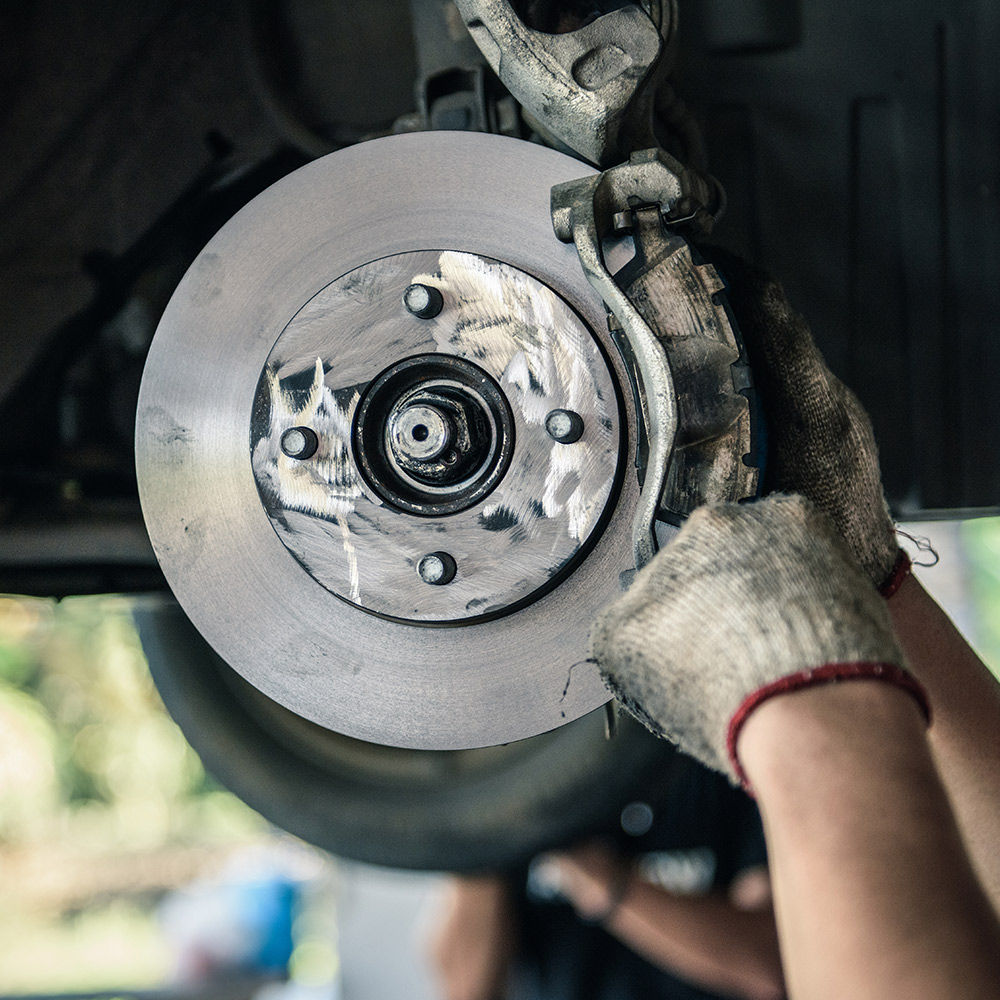
Credit: www.homedepot.com
Inspecting Brake Components
Rotors are round and shiny. They spin with the wheels. Rotors must be smooth. Use your fingers to feel them. Check for scratches or grooves. These can cause problems. Rotors that are uneven need fixing. A mechanic can help. Measure the thickness too. Thin rotors are unsafe. Always keep rotors in good shape.
Calipers hold the brake pads. They are important for stopping. Check if they move easily. They should slide without trouble. Look for leaks around them. Leaks mean there is a problem. Rust can be bad for calipers. Rust stops them from working. Make sure bolts are tight. Loose bolts can be unsafe. Calipers must work well for safe driving.
Installing New Brake Pads
First, check the old brake pads. Make sure they are out. New pads must fit well. Place them in the brake caliper bracket. Ensure they sit tight. Alignment is key. Pads should not move. This step is crucial for safe driving.
Once pads are in, focus on the brake caliper. Position it over the new pads. Use the bolts to secure it. Tighten them well. Loose bolts can be dangerous. Check everything twice. Make sure nothing is loose. Your brakes should work smoothly now.
Reassembling The Wheel
Reattaching the wheel is crucial after changing brake pads. First, place the wheel back on the hub. Make sure the holes align. Next, tighten the lug nuts by hand. This keeps the wheel in place. Use a wrench to tighten the nuts further. Do not over-tighten. Over-tightening can damage the wheel or hub. Tighten the nuts in a crisscross pattern. This ensures even pressure on the wheel. Finally, check all nuts again to ensure they are secure.
Lowering the vehicle is the final step. Use a jack to gently lower the car. Make sure the vehicle is stable. Remove the jack completely once lowered. Check the ground for any tools or debris. Ensure everything is clear. Test the brakes before driving. This confirms everything works properly.
Testing The New Brake Pads
Changing brake pads on a car involves lifting the vehicle, removing the wheel, and taking off the old pads. Fit the new pads securely and ensure proper alignment for effective braking. Testing ensures safety and confirms the new pads are working correctly.
Initial Brake Check
First, ensure the car is on level ground. Press the brake pedal with moderate force. The pedal should feel firm and steady. Next, check for any unusual noises. If you hear grinding or squeaking, there might be a problem. Look for leaks under the car. Fluid leaks can signal brake issues. Always ensure proper brake fluid level in the reservoir. Safety comes first.
Road Test Procedures
Start the car and drive slowly. Apply the brakes gently at first. Feel if the car stops smoothly. Listen for any strange sounds. Increase speed gradually. Test brakes at higher speeds. Ensure the car stops evenly and without pulling. Repeat this process a few times. Always stay alert for anything unusual. Your safety depends on it.
Maintenance Tips
Changing brake pads ensures safe driving. Start by loosening the lug nuts, then lift the car with a jack. Remove the wheel, unbolt the caliper, and slide out old pads. Insert new pads, reattach the caliper, and secure the wheel.
Tighten lug nuts and lower the car gently.
Regular Inspections
Regular checks keep your car safe. Look at the brake pads often. This helps you catch problems early. Replace the pads before they wear out completely. This saves money and time. Clean your brakes to keep them working well. Dust and dirt can cause damage. Use a brush to clean them. Check the brake fluid too. It should be clear. If it’s dark, change it.
Signs Of Wear
Worn brake pads make a squealing noise. The car may take longer to stop. This is a sign to check the brakes. Look for thin pads. If they are less than 1/4 inch, change them. Watch out for vibrations when braking. This means the pads are uneven. A burning smell can mean the brakes are overheating. Stop and let them cool down.
Frequently Asked Questions
Can I Replace Brake Pads Myself?
Yes, you can replace brake pads yourself. Ensure you have the necessary tools and follow a reliable guide. It’s crucial to prioritize safety and ensure everything is properly reassembled. If unsure, consult a professional mechanic. Always check your vehicle’s manual for specific instructions.
Is Changing Brake Pads Easy?
Changing brake pads can be easy with the right tools and knowledge. Follow instructions carefully and ensure safety. Beginners may find it challenging initially. Professional assistance ensures proper installation and safety. Regular maintenance and inspection are crucial for optimal performance and safety.
Always prioritize safety during any brake pad replacement.
How To Change Brake Pads Step By Step?
Lift the vehicle and remove the wheel. Loosen the caliper bolts and remove the caliper. Take out old brake pads. Install new brake pads. Reattach the caliper and tighten bolts. Reinstall the wheel and lower the vehicle. Test brakes for proper function.
How Do I Know My Brake Pads Are Bad?
Squeaking, grinding, or squealing noises indicate worn brake pads. Reduced braking performance is another sign. Inspect for visible wear; pads less than 1/4 inch thick need replacement. A vibrating brake pedal or longer stopping distances also suggest issues. Regular checks ensure safety and optimal performance.
Conclusion
Changing brake pads is simpler than it seems. With the right tools, you can do it yourself. Start by gathering all necessary equipment. Follow each step carefully. Safety comes first. Make sure your car is secure. Remember to check for wear and tear.
Regular maintenance keeps your car running smoothly. Brake pads play a vital role. They ensure safe stops. After installation, test your brakes thoroughly. Feel confident on the road. Enjoy the peace of mind. Keep learning and practicing car maintenance. Your efforts save money and enhance safety.
Keep your car in top condition. Happy driving!