How Far Should You Stop Behind A Car? Safe Rule
Many new drivers wonder, How Far Should You Stop Behind a Car? Safe Rule is a question that causes a little worry. It’s not always obvious how much space you need, especially when you’re just getting used to being on the road.
But don’t stress! We’ll walk through a super simple way to figure this out so you can feel confident and safe every time you drive. Get ready for a clear, easy-to-follow guide that will make this driving skill second nature.
The Importance of Following Distance
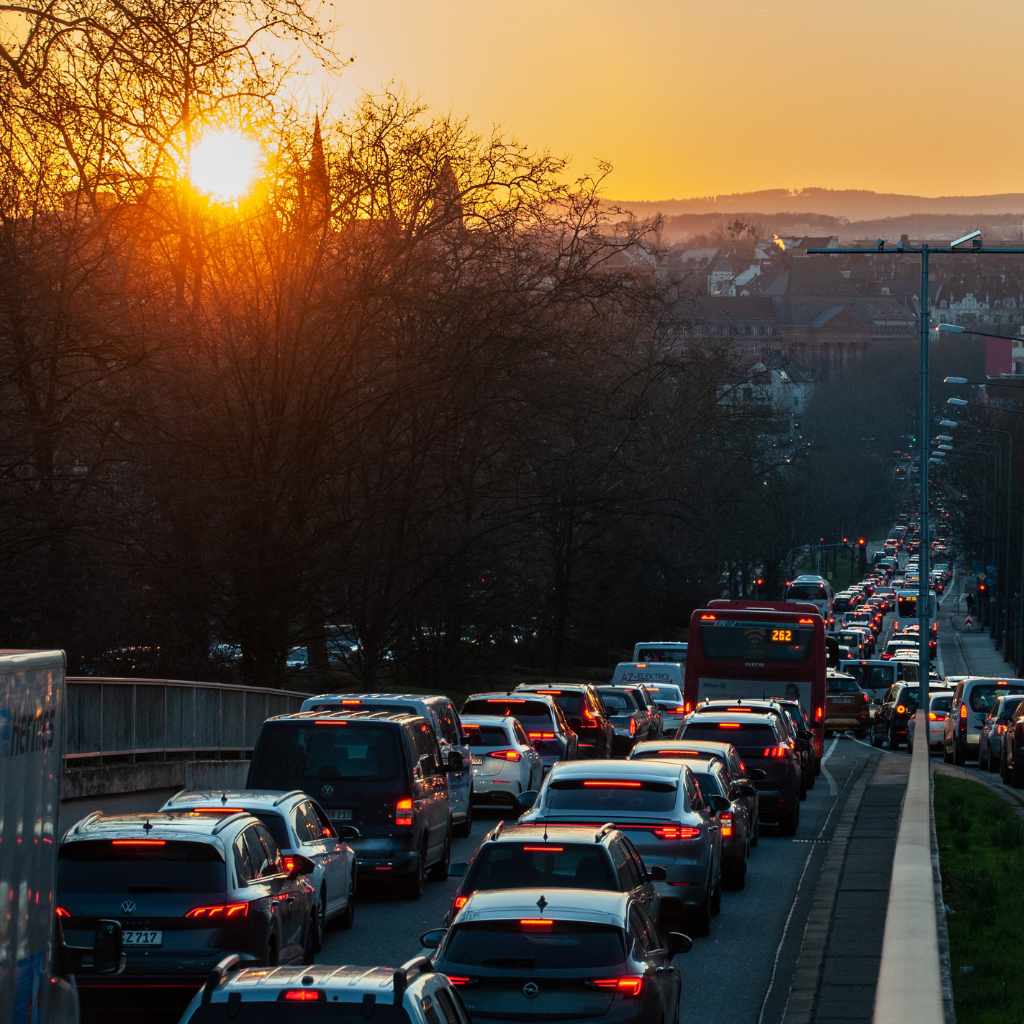
Keeping a safe distance from the car in front of you is one of the most important skills any driver can have. It’s not just about following the law; it’s about protecting yourself, your passengers, and others on the road. When you drive too close, you take away your ability to react if the driver ahead suddenly brakes.
This can lead to accidents, which nobody wants.
Think of it this way: the car in front of you might hit a pothole, swerve to avoid an animal, or just slam on their brakes for no reason you can see. If you’re too close, you won’t have enough time to stop safely. Your reaction time plus your car’s stopping distance needs space to work.
That space is your following distance.
Understanding how far to stop behind another vehicle is a key part of defensive driving. Defensive driving means anticipating what might happen and being prepared to react. A good following distance is your first line of defense against many common driving hazards.
The Simple Rule for Safe Stopping Distance
The most common and easiest-to-remember rule for safe following distance is the “three-second rule.” It’s a simple method that works in most everyday driving conditions. It gives you a good buffer of time and space to react to unexpected events.
Here’s how it works:
- When the car in front of you passes a fixed object (like a signpost, a tree, or a bridge support), start counting.
- Count “one-thousand-one, one-thousand-two, one-thousand-three.”
- If you reach that fixed object before you finish counting “one-thousand-three,” you are following too closely.
- You need to slow down and increase your distance.
This rule gives you about three seconds of space between your car and the car ahead. Three seconds might not sound like much, but it’s a significant amount of time for reacting and stopping your vehicle safely. It’s a mental checklist that’s easy to use while you’re driving.
Why Three Seconds?
The three-second rule is based on the average driver’s reaction time and the typical stopping distance of most vehicles. Let’s break down why this timeframe is so effective.
Driver Reaction Time
When a hazard appears, a driver needs time to see it, process it, and then move their foot from the accelerator to the brake pedal. This is called reaction time. For an average driver, this can take anywhere from 0.75 to 1.5 seconds.
So, the first part of your following distance is for your brain to tell your foot what to do.
Braking Distance
Once your foot hits the brake, your car needs distance to slow down and come to a complete stop. This is your braking distance. Braking distance depends on many factors, including your car’s speed, the condition of your brakes, the tires, and the road surface.
At lower speeds, braking distance is shorter. At higher speeds, it increases dramatically.
The three-second rule accounts for both your reaction time and a reasonable amount of braking distance in normal conditions. It’s a practical compromise that works well for most situations.
Factors That Require More Distance
While the three-second rule is a great starting point, it’s important to know that sometimes you need even more space. Driving conditions are rarely perfect, and you should always adjust your following distance based on what’s happening around you. Thinking ahead is always a good idea.
Adverse Weather Conditions
Rain, snow, ice, and fog all make driving much more dangerous. When roads are wet or slippery, your car’s ability to brake effectively is reduced. Stopping distances can almost double on wet roads compared to dry ones.
On ice, stopping distances can be ten times longer!
In these conditions, you should increase your following distance to four, five, or even six seconds. For example, if it’s raining lightly, try the four-second rule. If it’s snowing heavily, you might need six seconds or more.
Always err on the side of caution when the weather is bad.
Driving at Higher Speeds
As your speed increases, so does your stopping distance. The faster you go, the more distance your car needs to stop. The relationship between speed and braking distance isn’t linear; it’s exponential.
This means if you double your speed, your braking distance increases by about four times.
If you’re driving on a highway at high speeds, you should definitely consider extending your following distance beyond three seconds. Four or five seconds is a good adjustment for highway speeds, especially if you’re not familiar with the road or traffic flow.
Driving Heavy Loads or Towing
If you’re driving a larger vehicle, like a truck or an RV, or if you’re towing a trailer, your vehicle will take longer to stop. These heavier loads put more stress on your brakes and require more distance to slow down. This applies even if you’re driving a car that’s fully loaded with passengers and luggage.
If you’re driving something heavy or towing, aim for at least four or five seconds of following distance, even in good conditions. Get to know how your vehicle handles and stops with a load.
When Following Large Vehicles
Trucks, buses, and other large vehicles have longer stopping distances than cars. They also have blind spots, known as “no zones,” where you can’t be seen by the driver. If you’re stuck behind a large truck, try to create extra space.
When you can’t see the road ahead because the vehicle in front of you is too large, you can’t see potential hazards. This means you can’t react in time. Try to stay out of their blind spots and give yourself enough room to see what’s happening ahead.
On Hills and Curves
Driving uphill or downhill affects your stopping distance. When going downhill, gravity will make your vehicle accelerate, meaning it will take longer to stop. When going uphill, gravity helps you slow down, but you still need to be mindful of the car ahead.
On sharp curves, your visibility is limited. You can’t see what’s around the bend. It’s wise to slow down and increase your following distance when approaching curves, especially if you don’t know what’s on the other side.
When You Are Tired or Distracted
If you’re feeling sleepy, stressed, or distracted, your reaction time will be slower. In these situations, it’s even more critical to give yourself extra space. If you’re not feeling 100%, consider pulling over and taking a break.
Being tired or distracted is almost as dangerous as driving under the influence of alcohol. Your judgment and ability to react are impaired. Therefore, a longer following distance is a must.
Putting the Three-Second Rule into Practice
The three-second rule is easy to learn, but it takes practice to apply it consistently. Here’s how to make it a habit:
- Find a Fixed Object: As you drive, pick out a fixed object on the side of the road (a sign, a lamppost, a tree).
- Start Counting: When the vehicle in front of you passes that object, start your count.
- Check Your Timing: Say “one-thousand-one, one-thousand-two, one-thousand-three” in your head.
- Adjust If Needed: If you reach the object before you finish counting, ease off the gas and let the car in front get further away. If you have plenty of time, your distance is good.
- Repeat Regularly: Make this a constant habit. Scan ahead and repeat the process with new fixed objects as they appear.
It might feel slow at first, especially if you’re used to tailgating. But sticking to this rule will become second nature and make you a much safer driver. You’ll notice that you feel less stressed and more in control of your driving.
What if the Driver Behind You Is Too Close?
Sometimes, no matter how careful you are, another driver might get too close to your bumper. This can be unnerving, but it’s important not to let it make you drive dangerously. Your safety is the priority.
- Do Not Brake Suddenly: Slamming on your brakes will almost certainly cause an accident. Avoid this at all costs.
- Maintain Your Speed (If Safe): If you’re already maintaining a safe following distance, try to keep it. Don’t speed up just to get away from them, as that could lead to other risks.
- Change Lanes When Possible: If there’s an opportunity to safely move into another lane (and it’s not blocked by another car), do so. Let the impatient driver pass. This is often the best solution.
- Don’t Engage: Avoid making eye contact or making gestures. Getting into a road rage situation rarely ends well.
- Use Your Mirrors: Keep an eye on the driver behind you using your rearview and side mirrors. This helps you anticipate their actions.
Remember, the three-second rule is about your space. While you can’t control what others do, you can control your own actions to minimize risk. Letting someone pass is often the safest and most effective way to deal with this situation.
Comparing Following Distances
It’s helpful to see how different following distances stack up. The table below gives you an idea of the space provided by different rules.
| Following Rule | Approximate Distance Provided (at 50 mph) | Suitability |
|---|---|---|
| One-Second Rule (Too Close!) | ~73 feet | Never advisable. High risk of collision. |
| Two-Second Rule (Minimum Legal in Many Places) | ~147 feet | Bare minimum in ideal conditions. Still risky. |
| Three-Second Rule (The Safe Standard) | ~220 feet | Good for normal driving conditions. |
| Four-Second Rule (Good for Fair Weather) | ~293 feet | Recommended for slightly less ideal conditions. |
| Five-Second Rule (For Caution) | ~367 feet | Ideal for adverse weather, higher speeds, or towing. |
| Six-Second Rule (For Very Poor Conditions) | ~440 feet | For heavy rain, snow, ice, or fog. |
As you can see, the difference between two seconds and three seconds is significant. And the difference between three and five seconds is even greater. This extra space is what can save you from an accident.
Common Mistakes to Avoid
Even with a good rule like the three-second rule, drivers can still make mistakes. Being aware of these common errors can help you avoid them.
- Only Checking Brake Lights: Some drivers only watch the brake lights of the car in front. This isn’t enough. You need to see the road ahead to anticipate problems.
- Following Too Close on Highways: Many drivers relax too much on the highway and forget about safe following distances. The higher speeds require more space, not less.
- Ignoring Weather Conditions: Failing to adjust the following distance when it rains or snows is a very common and dangerous mistake.
- Getting Distracted: Looking at your phone, eating, or fiddling with the radio can cause you to drift closer to the car in front without realizing it.
- Not Practicing: Like any skill, safe following distance takes practice. If you don’t actively work on it, you won’t become proficient.
By actively practicing the three-second rule and adjusting it when needed, you can build a habit that will serve you well throughout your driving life. It’s about developing a cautious and aware mindset.

Frequently Asked Questions
Question: Is the three-second rule the law everywhere?
Answer: While the three-second rule is widely taught as the safest practice, specific laws about following distance can vary by state or country. Many laws require drivers to maintain a safe distance, and the three-second rule is a common interpretation of what that means. It’s always a good idea to be aware of the traffic laws in your specific area.
Question: What if I’m driving a manual transmission car? Does that change things?
Answer: Driving a manual transmission requires more skill, especially with downshifting and clutch control. If you’re not comfortable with your manual driving skills, you might need a slightly longer following distance to allow for smoother braking and gear changes. For experienced manual drivers, the three-second rule generally still applies, but you should always be prepared for potential stalls or jerky movements if you’re not used to a particular car.
Question: How does my car’s braking system affect the safe distance?
Answer: Your car’s braking system is designed to stop your vehicle. Modern cars often have Anti-lock Braking Systems (ABS) which help prevent wheels from locking up, allowing for better steering control during hard braking. However, ABS doesn’t reduce the physical distance needed to stop.
Older cars with less advanced braking systems might require even more distance. The three-second rule is a general guideline that assumes a vehicle with functional brakes in reasonable condition.
Question: Can I use the rule for motorcycles?
Answer: Motorcycles require even more stopping distance than cars because they have less stable contact with the road and less mass. While the three-second rule is a starting point, it’s often recommended that motorcyclists maintain at least a four-second following distance from the vehicle in front. This is because motorcycles are less visible and can be harder for other drivers to judge.
They also have less protection in the event of a crash.
Question: What if I’m following a police car or emergency vehicle?
Answer: When following a police car, ambulance, or fire truck, especially if they have their lights on, you should give them extra space. They may need to stop suddenly or make unexpected turns. Maintain a safe following distance, and if possible, move over to another lane to let them pass freely.
Their priority is responding to emergencies, and your safe distance helps them do their job without obstruction.
Final Thoughts
Maintaining a safe following distance is fundamental to safe driving. The three-second rule offers a straightforward, effective way to gauge this space in normal conditions. Remember that this is a guideline, and you must extend that distance when weather is poor, you’re driving faster, or you’re handling heavier loads.
Adapting your following distance is a sign of a skilled and responsible driver. Practice this simple technique every time you get behind the wheel, and you’ll build a strong habit that protects you and everyone else on the road. Staying aware and giving yourself room to react is the best way to handle unexpected situations and arrive at your destination safely.