How Fast Do Stock Cars Go? Speed Breakdown
If you’re new to the exciting world of NASCAR and stock car racing, you might be wondering, How Fast Do Stock Cars Go? Speed Breakdown seems like it should be simple, but it can feel a little confusing at first. Don’t worry!
We’re here to make it super easy to grasp. Think of this as your friendly guide to understanding the incredible speeds these machines can reach on the track. We’ll break it all down step by step so you can follow along with all the racing action.
Get ready to learn about what makes these cars so fast!
The Thrill Of Speed In Stock Car Racing
Stock car racing, especially in series like NASCAR, is all about raw power, incredible speed, and daring drivers. When you watch these cars thunder around the track, it’s easy to be mesmerized by how quickly they seem to move. The question of How Fast Do Stock Cars Go?
Speed Breakdown is a very common one for fans, both new and old. It’s not just about one top speed; there are many factors that influence how fast a stock car can truly go, and understanding these gives you a deeper appreciation for the sport.
What Defines A “Stock Car”?
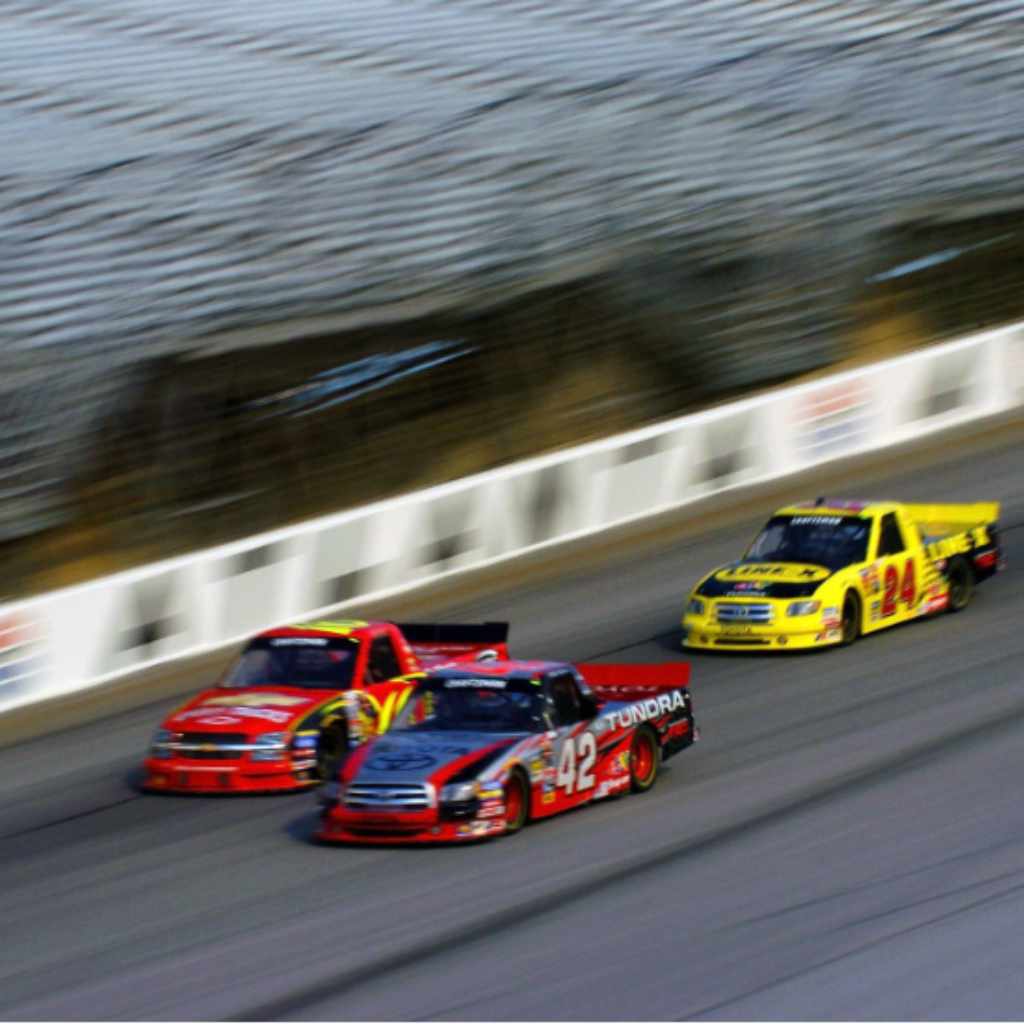
The term “stock car” can be a bit misleading. While the cars used in major racing series today are based on production models you might see on the street, they are far from standard. They are highly specialized, purpose-built racing machines.
Think of a souped-up version of a car you might buy at a dealership, but with racing as its sole function. The chassis, engine, suspension, and safety features are all engineered for peak performance and the rigors of competitive racing.
Maximum Speeds On The Track
So, just how fast do these powerful machines actually go? The top speeds of stock cars vary significantly depending on the type of track and the specific racing series. On superspeedways like Daytona International Speedway or Talladega Superspeedway, which are long, wide, and relatively flat, cars can reach their highest velocities.
Superspeedway Speeds
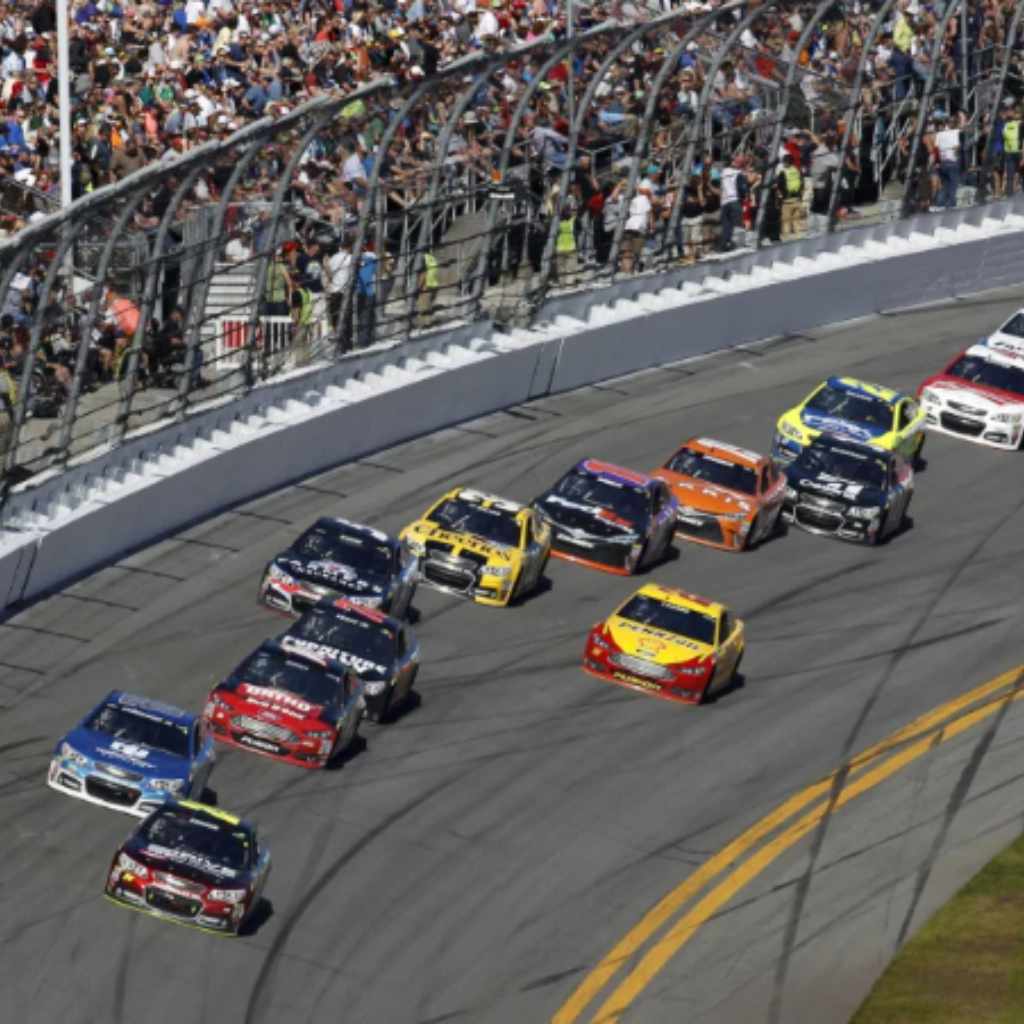
On these iconic tracks, often referred to as “drafting tracks,” stock cars can hit speeds upwards of 200 miles per hour (mph). During qualifying laps, when drivers are pushing the absolute limits and have clear track ahead, speeds can even flirt with 210 mph. These speeds are achieved through a combination of powerful engines, aerodynamic design, and the phenomenon of drafting.
The Role Of Drafting
Drafting is a critical strategy in stock car racing. When a car follows closely behind another car, it rides in a pocket of reduced air resistance. This allows the following car to go faster with less effort, or for both cars to maintain higher speeds.
During races on superspeedways, packs of cars often race in close proximity, drafting off each other to gain advantages. This is why you see cars running in tightly bunched groups, creating incredibly exciting and high-speed racing spectacles.
Intermediate Track Speeds
Tracks that are between 1 and 2 miles in length, often called intermediate tracks (like Las Vegas Motor Speedway or Charlotte Motor Speedway), offer a different kind of challenge and a slightly different speed profile. Here, speeds are still very high, but typically not quite as extreme as on superspeedways.
Speed On 1.5-Mile Tracks
On a typical 1.5-mile track, stock cars will generally reach top speeds in the range of 180-190 mph. These tracks often feature banking in the turns, which helps cars maintain speed through the corners. Drivers can still use drafting here, but the longer straightaways allow for more individual speed and passing opportunities without the constant close-quarters pack racing seen on superspeedways.
Short Track Speeds
Short tracks, typically under 1 mile in length (like Martinsville Speedway or Bristol Motor Speedway), are where stock car racing often becomes the most intense and action-packed. These tracks are characterized by tight turns, steep banking, and short straightaways.
The Tight And Fast Short Track
On short tracks, the top speeds are considerably lower than on larger ovals. Cars might reach speeds around 130-140 mph on the straightaways. However, the sheer number of corners and the close proximity of the cars make for incredibly dramatic racing.
Drivers are constantly jockeying for position, making split-second decisions, and the focus is more on handling and braking than outright top speed.
Road Course Speeds
Stock car racing isn’t just confined to ovals. Many races are held on road courses, which feature a mix of turns, straights, and elevation changes, similar to Formula 1 or sports car racing. These courses demand a different set of skills and result in different speed profiles.
Road Racing Dynamics
On road courses, the average speeds are lower due to the intricate nature of the tracks. Top speeds might still reach around 170-180 mph on the longest straights, but drivers will be braking hard for numerous corners and accelerating out of them. The emphasis here is on braking ability, cornering grip, and precise steering, rather than sustained high-speed running.
Factors Affecting Stock Car Speed
The speed of a stock car is not a single, fixed number. It’s a dynamic outcome influenced by a variety of elements. Understanding these factors helps explain why speeds can vary so much from one track to another and even within the same race.
Engine Power
The heart of any stock car is its engine. These are typically V8 engines that produce a tremendous amount of horsepower. While regulations limit the exact specifications, a NASCAR Cup Series engine can produce around 750 horsepower.
This raw power is essential for achieving the high speeds seen on the track. The engine’s design and tuning are paramount for performance.
Aerodynamics
Aerodynamics plays a massive role in how fast a stock car can go, especially at high speeds. The shape of the car is designed to minimize drag (air resistance) and, in some cases, generate downforce (a downward push that helps tires grip the track). On superspeedways, the car’s bodywork is optimized to slip through the air as efficiently as possible.
Different tracks might require slightly different aerodynamic setups to balance speed and handling.
| Track Type | Typical Top Speed Range (MPH) | Key Characteristics |
|---|---|---|
| Superspeedway (e.g., Daytona, Talladega) | 200-210+ | Long, wide, high banking; drafting crucial. |
| Intermediate (e.g., Charlotte, Vegas) | 180-190 | 1-2 miles long, moderate banking; balanced speed and handling. |
| Short Track (e.g., Martinsville, Bristol) | 130-140 | Under 1 mile, tight corners; intense racing, less top speed focus. |
| Road Course (e.g., Sonoma, COTA) | 170-180 (on longest straights) | Mixed turns, elevation changes; focus on braking and cornering. |
Tire Compound
The tires are the only part of the car that touches the track, so their performance is vital. Tire compounds are chosen based on the track surface and the expected conditions. Softer compounds offer more grip but wear out faster, while harder compounds last longer but provide less traction.
For qualifying, teams might use softer tires to maximize grip for a single fast lap. During a race, durability becomes more important.
Gear Ratios
The gear ratios in a car’s transmission determine how the engine’s power is delivered to the wheels. Teams carefully select gear ratios for each track. On a superspeedway where high top speed is the priority, they’ll use a “tall” gear ratio that allows the engine to run at lower RPMs while still achieving high speed.
On a short track, where acceleration out of corners is more important, they might use “shorter” gear ratios.
Weight Of The Car
The weight of the car affects its acceleration and braking capabilities. Regulations often set minimum weight limits. Teams strive to get their cars as close to this minimum weight as possible without compromising structural integrity or safety.
Lighter cars are generally faster, but power-to-weight ratio is the key metric.
Driver Skill And Strategy
While the car’s engineering is vital, the driver is the one controlling the machine. A skilled driver can extract more speed and better lap times than a less experienced one, especially in challenging conditions or during close racing. Driver strategy, such as when to pit for tires and fuel, or when to make a bold pass, also influences the overall race and the speeds achieved at critical moments.
Understanding The Speed Breakdown In Practice
When we talk about the How Fast Do Stock Cars Go? Speed Breakdown, it’s important to remember these speeds are achieved under very specific racing conditions. A stock car on a public road would likely have its speed limited electronically and wouldn’t be designed for such extreme performance.
The speeds discussed here are for the controlled environment of a professional race track.
Qualifying vs. Racing Speeds
Speeds during qualifying laps are generally higher than during the race. This is because drivers are pushing the car to its absolute limit with no other cars around them, allowing for maximum acceleration and minimal braking. During a race, drivers must balance speed with tire wear, fuel consumption, traffic, and the need to avoid accidents.
Therefore, average race speeds are often lower than peak qualifying speeds.
Cornering Speeds
While straightaways are where we see the highest speeds, cornering speeds are equally, if not more, important for overall lap time. On a superspeedway, cars might enter a turn at over 200 mph and still maintain a significant portion of that speed through the turn thanks to the banking. On a short track, cornering speeds are much lower, but the quick transitions from acceleration to braking and back are key.
Safety Measures And Speed
It might seem counterintuitive, but the safety advancements in stock cars have actually enabled higher speeds. Modern stock cars feature incredibly strong roll cages, fire suppression systems, and advanced safety harnesses. These features protect drivers and allow them to feel more confident pushing the limits, knowing they have a high degree of protection in case of an incident.
The development of safer race cars goes hand-in-hand with achieving faster speeds.
Frequently Asked Questions
Question: Can a stock car be driven on regular roads?
Answer: No, stock cars are not street legal. They are built specifically for racing tracks and lack features like headlights, taillights, mirrors, and emission control systems required for road use. Their suspension and tires are also not designed for everyday driving.
Question: What is the fastest stock car ever recorded?
Answer: While official records are hard to pinpoint and can depend on the specific car and testing conditions, speeds around 210 mph have been achieved in qualifying on superspeedways. Some experimental or modified cars might have reached even higher speeds in controlled environments.
Question: How much does a stock car cost?
Answer: A competitive NASCAR Cup Series stock car can cost anywhere from $200,000 to over $400,000. This includes the chassis, engine, electronics, and all the specialized components needed for racing.
Question: Do stock cars use automatic or manual transmissions?
Answer: Stock cars in major series like NASCAR use a manual transmission with a sequential shifter. This allows drivers more precise control over gear selection, which is crucial for optimal performance on different parts of the track.
Question: How does the weather affect stock car speeds?
Answer: Weather plays a significant role. Rain makes tracks extremely dangerous for stock cars, leading to postponements or cancellations. Heat can affect engine performance and tire degradation, while wind can impact car stability, especially at high speeds.
Final Thoughts
When you look at the speeds these cars achieve, it’s clear that a lot goes into making them go so fast. From the massive power of the engines to the sleek, air-cutting body designs, every part is engineered for speed. The type of track also makes a big difference; a superspeedway lets the cars stretch their legs to over 200 mph, while a tight short track keeps speeds in check for close, exciting battles.
Thinking about the How Fast Do Stock Cars Go? Speed Breakdown helps us appreciate the incredible engineering and driving skill involved in this sport. It’s a dynamic mix of technology, strategy, and driver talent that creates the thrilling spectacle of stock car racing.
Keep an eye out for these amazing machines the next time you watch a race and notice how they adapt their speed to fit the track they are competing on.