How Long Does A Stolen Car Stay In The System?
Figuring out how long a stolen car stays in the system can be a bit confusing, especially if you’re new to it. Many people wonder about this for different reasons, like buying a used car or if they’ve had a car stolen. It’s a common question, and the answer isn’t always a simple number.
We’ll break down How Long Does a Stolen Car Stay in the System? in a way that’s easy to grasp, step by step. Keep reading to learn more about what happens and what you need to know.
Understanding How Long a Stolen Car Remains Flagged
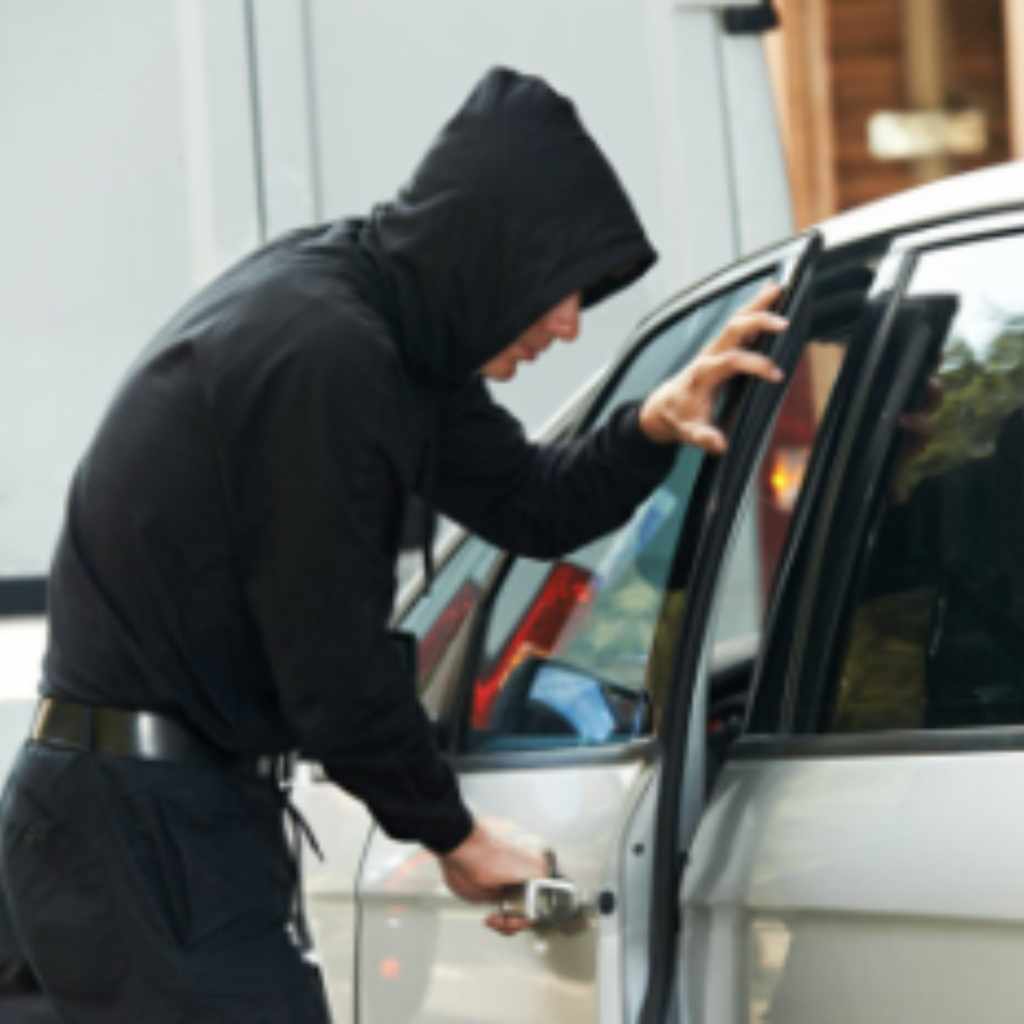
When a car is reported stolen, it’s entered into a national database. This database is crucial for law enforcement to identify and recover stolen vehicles. The main question on many minds is, How Long Does a Stolen Car Stay in the System? The answer isn’t a fixed period but rather depends on several factors. Once a car is flagged as stolen, it stays in the system until it’s recovered or the report is officially cleared by the authorities. This means it’s not a matter of time running out, but rather an action being taken to remove the stolen status.
The Role of Law Enforcement Databases
Law enforcement agencies worldwide rely on interconnected databases to track stolen vehicles. The most well-known is the National Crime Information Center (NCIC) in the United States, managed by the FBI. When a vehicle is reported stolen, its details, including the Vehicle Identification Number (VIN), license plate number, make, model, and color, are entered into NCIC. This makes the vehicle visible to law enforcement officers across the country during routine traffic stops or when they run vehicle checks.
The NCIC database is not something the general public can directly access. However, its information is shared with state and local law enforcement agencies, as well as some federal agencies. This ensures that any officer who encounters a vehicle can quickly determine if it has been reported stolen.
When Does a Stolen Car Get Removed from the System?
A stolen vehicle is removed from the system when one of two primary events occurs:
- Recovery of the Vehicle: This is the most common way a car is removed from the stolen vehicle database. Once law enforcement locates and recovers the stolen vehicle, officers will update the NCIC (or equivalent database) to reflect that the vehicle has been found. The stolen flag is then removed.
- Clearing of the Stolen Report: In some rare circumstances, a stolen vehicle report might be cleared without the vehicle being physically recovered. This could happen if there’s a clerical error, or if the owner withdraws the report because the vehicle was located by the owner themselves and not officially recovered by law enforcement. However, this is less common, and usually recovery is the trigger for removal.
The key takeaway is that the system doesn’t have an expiration date for a stolen vehicle report. The report remains active until the vehicle is found and properly documented as recovered.
Factors Affecting Recovery and Removal
Several elements can influence how long a stolen car might remain in the system, primarily related to the chances of recovery:
- Time Since Theft: While the system doesn’t have an expiry, the longer a car is missing, the harder it can be to recover. This is due to several reasons, including the car being dismantled for parts, repainted, or taken across borders.
- Vehicle Type: Some vehicles are more attractive to thieves than others. High-demand models or vehicles known for being easily resold or stripped for parts might be recovered faster or disappear more permanently.
- Circumstances of Theft: The way a car was stolen can also play a role. For example, if the theft involved organized crime or was part of a larger criminal operation, the vehicle might be moved quickly and hidden more effectively.
- Owner Action: Prompt reporting of the theft to the police is critical. The sooner the car is entered into the system, the sooner law enforcement can be on the lookout for it.
- Geographic Location: Vehicles stolen and then transported across state or national borders can be more challenging to track and recover due to varying jurisdictions and databases.
The VIN and its Importance
The Vehicle Identification Number (VIN) is a unique 17-character code assigned to every motor vehicle. It’s like a fingerprint for your car. When a car is stolen, its VIN is the primary identifier entered into law enforcement databases. This means that even if the license plates are changed or the car is repainted, a VIN check will still reveal its stolen status.
This is why when you are buying a used car, it is extremely important to get a vehicle history report. Services like Carfax or AutoCheck use the VIN to check for reported accidents, title issues, and crucially, if the vehicle has ever been reported stolen.
What Happens When a Stolen Car is Recovered?
When a stolen car is recovered, law enforcement officers will take several steps:
- Verification: They will confirm the VIN matches the stolen report.
- Documentation: The recovery will be officially documented.
- Database Update: The information will be updated in the NCIC and any other relevant databases to remove the “stolen” status.
- Notification: The owner will be notified that their vehicle has been recovered.
- Investigation: The vehicle may be processed for evidence related to the theft, even after recovery.
Once updated, the car is no longer considered stolen by law enforcement systems. However, the process of returning the car to the owner might involve some paperwork and a release from the police department.
Can a Stolen Car Accidentally Be Sold as Clean?
While law enforcement databases are generally accurate, errors can occasionally occur. However, it is very rare for a car that is currently flagged as stolen to be sold as a clean title. Here’s why:
- VIN Checks: As mentioned, the VIN is the key. Most reputable dealerships and many private sellers use services that check the VIN against various databases, including those that flag stolen vehicles.
- Title Records: When a car is stolen, and then recovered, the title status might be updated to reflect this event, even if it’s later cleared. This information can appear on vehicle history reports.
- Police Involvement: If a vehicle is flagged during a traffic stop, it will be impounded. This would prevent any sale from occurring.
The main risk comes from vehicles that were stolen a long time ago, recovered, and then had their records improperly handled, or from VIN cloning where a legitimate VIN is used on a stolen car. This is why due diligence, including vehicle history reports and thorough inspections, is so important.
Impact on Vehicle History Reports
Vehicle history reports (like Carfax or AutoCheck) play a vital role in informing potential buyers about a car’s past. When a car is reported stolen and then recovered, this information is typically recorded by the reporting agencies and can appear on these reports. Even after the car is removed from law enforcement databases, the fact that it was stolen might remain on its history report.
This doesn’t necessarily mean the car is unsellable, but it can significantly affect its market value. A history of being stolen can deter many buyers. However, if the car was recovered quickly, was undamaged, and has been properly repaired (if necessary), it might still be a viable option for some buyers, though likely at a reduced price.
Frequently Asked Questions
Question: Does a stolen car report ever expire?
Answer: No, a stolen car report does not have an expiration date. It remains active in law enforcement databases until the vehicle is recovered and officially cleared from the system by authorities.
Question: How can I check if a car I want to buy was stolen?
Answer: You can check by obtaining a vehicle history report using the car’s VIN from services like Carfax or AutoCheck. Also, a law enforcement officer can run a VIN check if you are at a police station or during a traffic stop.
Question: What happens if I buy a car that was stolen and I didn’t know?
Answer: If you unknowingly buy a stolen car, you could lose the vehicle, as it will be returned to its rightful owner. You may be able to pursue legal action against the seller for fraud, but recovering your money can be difficult.
Question: How long does it take for law enforcement to update databases after recovery?
Answer: The update process is usually quite fast, often within a few hours to a day, once the recovery is officially processed. However, there can be slight delays depending on the agency and the specific procedures they follow.
Question: Can a car be stolen multiple times?
Answer: Yes, a car can be stolen multiple times throughout its life. Each time it is reported stolen and then recovered, the event is typically recorded in its history, although law enforcement databases are updated to reflect its current status.
Final Thoughts
So, to recap the key point about How Long Does a Stolen Car Stay in the System?, it’s not a matter of time passing, but rather about the car being found. Once a car is reported stolen, it stays flagged until law enforcement recovers it. This is a critical safety measure to help track down stolen vehicles and prevent further criminal activity. For anyone considering buying a used car, always perform thorough checks using the VIN. Getting a vehicle history report is a smart move that can save you a lot of headaches and potential loss. Being informed about a car’s past, including any history of theft, is just as important as checking its mechanical condition. If you’re ever in doubt, consult with trusted sources and always prioritize your security and investment when making a vehicle purchase.