How Long Does a Car Seat Last Before It Expires?
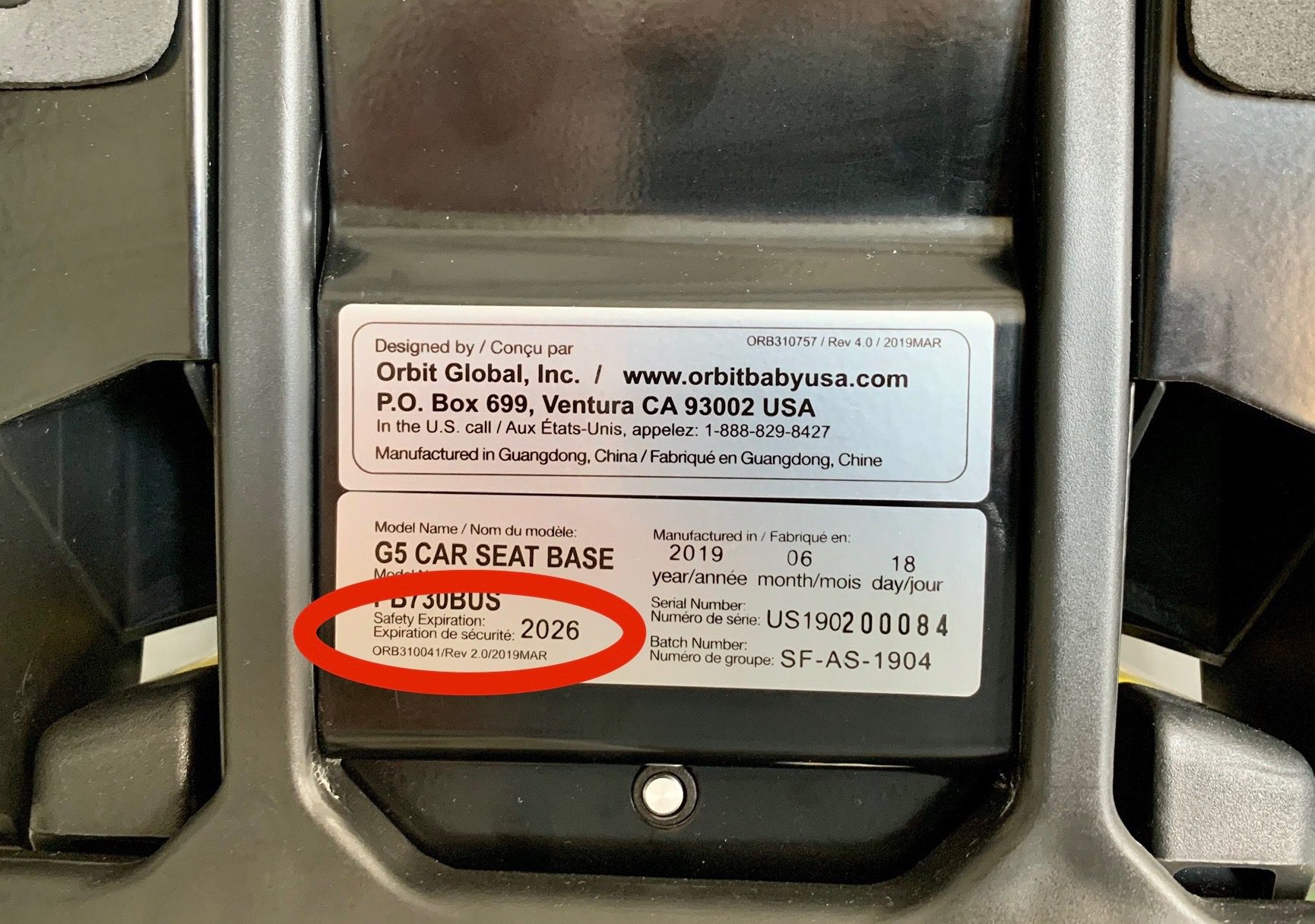
Most car seats last 6 to 10 years from their manufacture date — not the date you bought them. The exact number depends on the brand and model, and it’s printed or molded directly onto the seat itself, usually on a label on the bottom, back, or side of the shell.
Car seat plastic, foam, and harness webbing all break down over time from sun exposure, heat cycling inside a parked car, and years of buckle stress — even if the seat has never been in a crash. Federal crash-test standards have also changed since your seat was made, so an old seat may no longer meet the protection level a brand-new one does.
Here’s how to find your seat’s real expiration date, the warning signs that it’s already past its useful life, and when you actually have to replace one early — including the exact rule NHTSA uses after a crash.
How Long Do Car Seats Really Last? (By Brand)
BEST FOR REPLACING AN EXPIRED SEAT
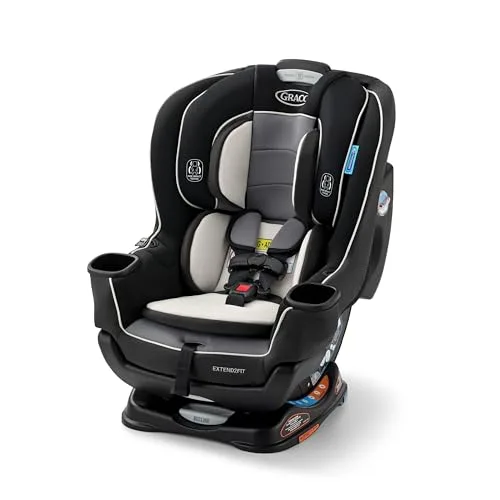 |
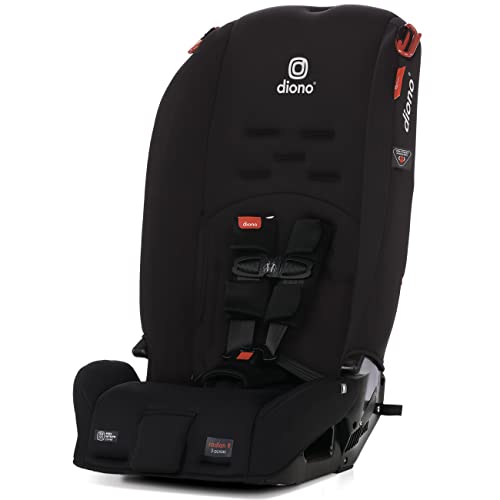
Graco Extend2Fit 3-in-1 Convertible Car Seat – $191.99 A steel-reinforced convertible seat rated for a full 10-year useful life from Graco, so it outlasts most plastic-shell seats before you have to think about expiration again.
|
Every major car seat brand sets its own useful-life rating, and it’s not always the same across every model in the lineup. These are typical ranges — always confirm against the label on your specific seat, since a manufacturer can rate two seats in the same product line differently.
| Brand | Typical Useful Life | Notes |
|---|---|---|
| Graco | 7 years (plastic-reinforced belt path) | Steel-reinforced seats and belt-positioning boosters get 10 years |
| Britax | 6-7 years (most infant & convertible seats) | ClickTight convertibles are rated 10 years; harness-to-booster seats get 9 |
| Evenflo | 6 years | The Symphony all-in-one is rated 8 years for its longer use span |
| Chicco | Varies by model | Check the white label on the underside of the seat and base |
| Other brands | Generally 6-10 years | Never assume — always read your seat’s own label |
Why Car Seats Expire
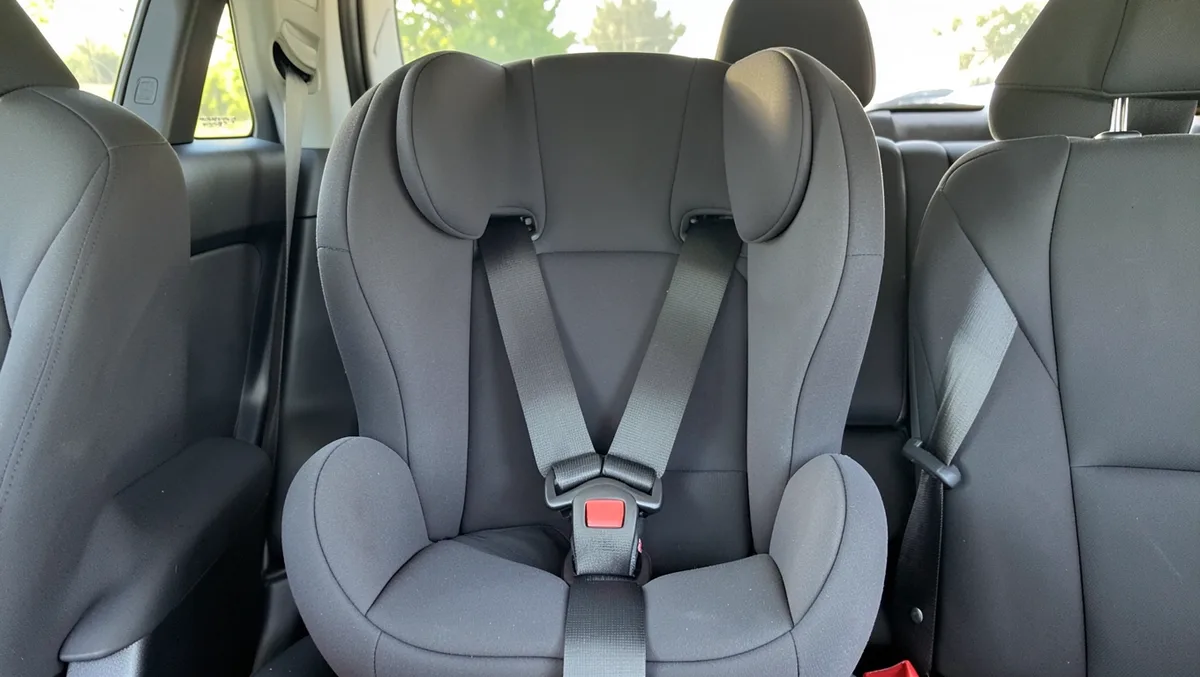
Two things drive a car seat’s expiration date. The first is material breakdown: the polypropylene or polyethylene plastic shell gets more brittle with every summer of heat and UV exposure through the windshield, the energy-absorbing foam inside compresses and loses its cushioning, and the nylon harness webbing loses tensile strength as it stretches and rubs against buckles year after year. None of that requires a crash — a seat that’s only ever been used for the school run still ages.
The second is that crash-test standards keep evolving. Manufacturers design and certify a seat against the safety requirements in place when it’s built. They can’t retroactively guarantee a seat from a decade ago meets testing protocols that came later, so they cap its useful life instead.
Signs Your Car Seat May Be Expired or Unsafe
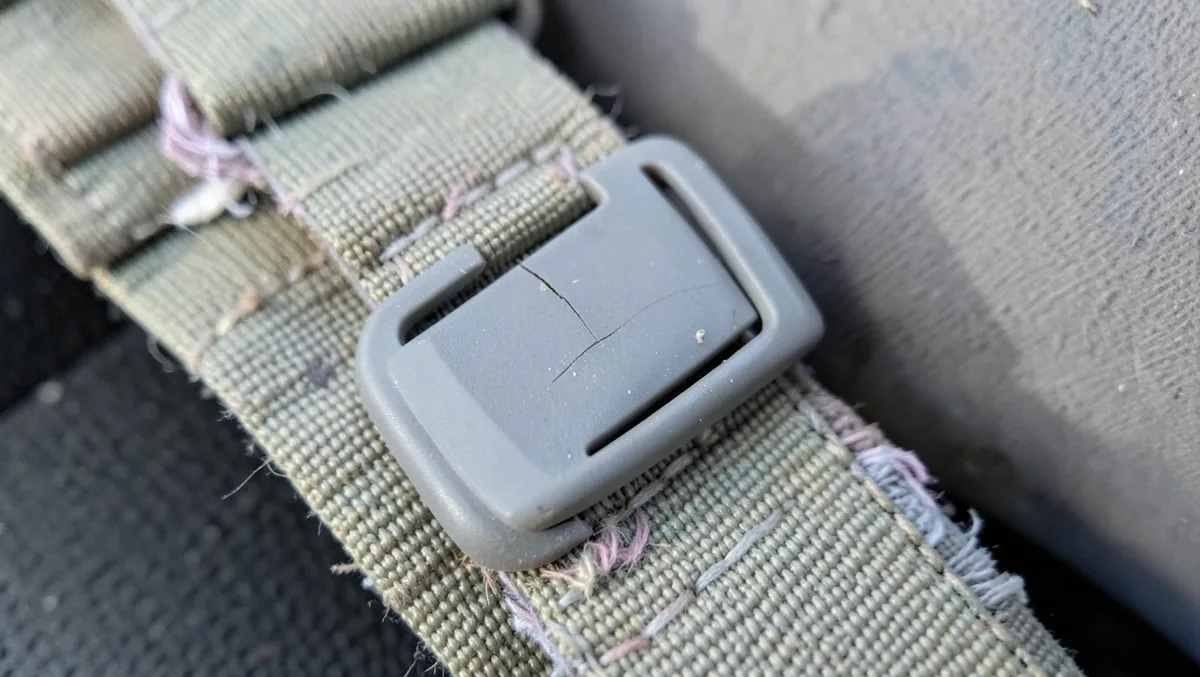
Beyond the printed date, look for physical clues. Cracks anywhere in the plastic shell, frayed or fuzzy harness webbing, and buckles or chest clips that don’t snap in cleanly or release with a firm click are all signs the seat has reached the end of its safe life. Faded or chalky-looking plastic is a giveaway that UV exposure has been breaking the material down, even if you can’t see a crack yet. If a seat shows any of these signs, treat it as expired regardless of what the label says.
What Happens If You Use an Expired Car Seat?
An expired seat’s job in a crash is the same as a new one’s — absorb and spread out the forces of a sudden stop so they don’t reach your child directly. Degraded foam and brittle plastic can’t do that job as well. A cracked shell can fail outright, a stretched harness can let a child move too far forward, and a worn buckle can pop open at the wrong moment. None of that is guaranteed to happen, but the entire point of the expiration date is that the manufacturer stops standing behind the seat’s performance once it passes.
How to Find Your Car Seat’s Expiration Date
The date is on the seat itself, not just in the box it came in or the manual you may have lost years ago.
Where the Label Is Located
Check the bottom of the seat first — that’s the most common spot. If it’s not there, look on the back of the shell, along the side, or underneath any padding near the base. Some seats have the date molded directly into the plastic instead of printed on a sticker, so run your fingers along the shell if a label seems to be missing; a worn-off sticker doesn’t mean there’s no expiration date, just that you’ll need to check the manual or the manufacturer’s website using the model number instead.
Understanding Date Codes
Most labels show the expiration date outright — often as “Do Not Use After” followed by a month and year. Others only print the manufacture date, and you have to add the model’s useful-life rating (from the table above, or the manual) yourself to get the actual expiration date. A few brands use a serial number that encodes the manufacture date instead of printing it plainly, so if you see a long number with no obvious date, check the manufacturer’s site for how to decode it rather than guess.
Keeping Your Car Seat in Good Condition
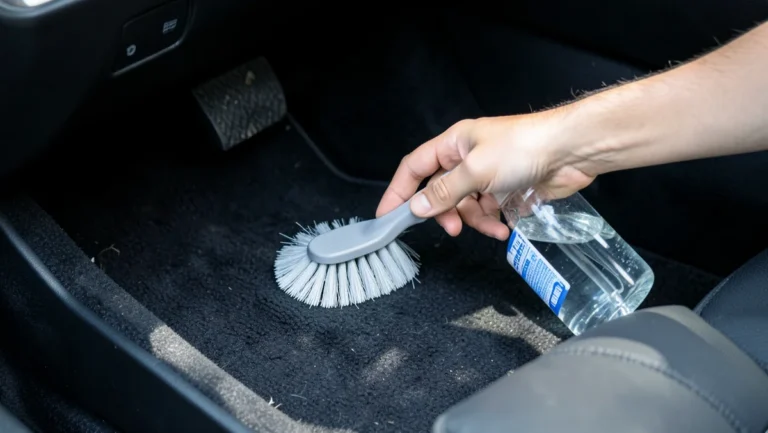
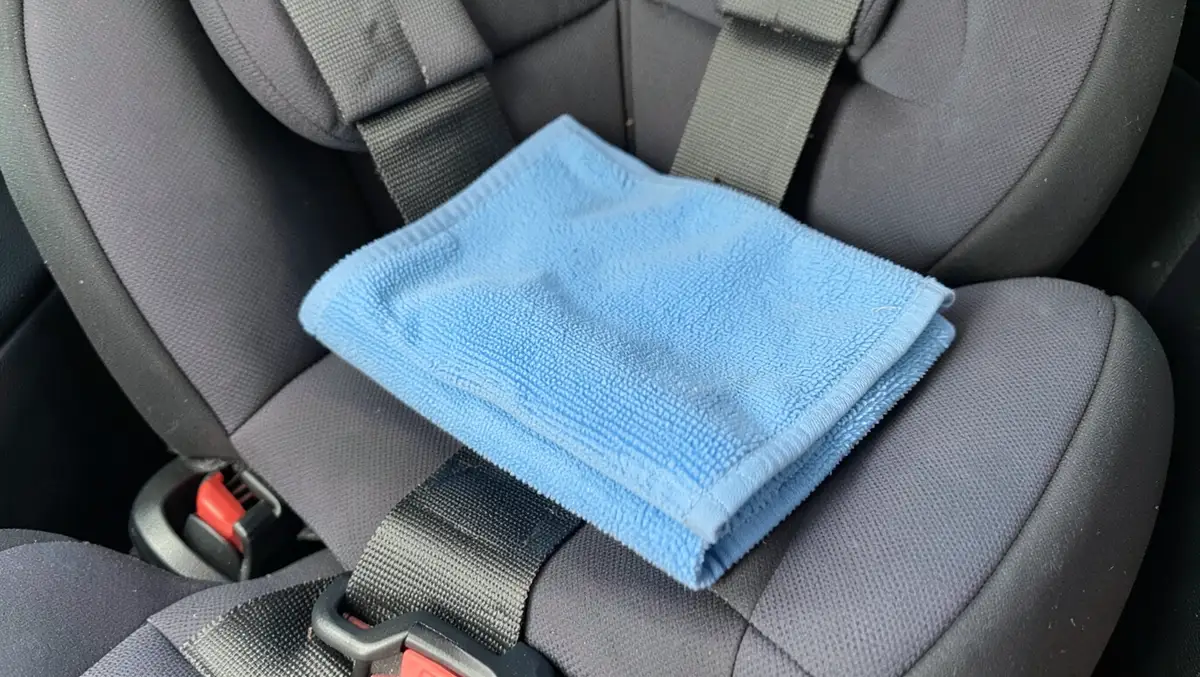
Regular care won’t extend the printed expiration date, but it keeps a seat performing as intended for however many years it has left. Wipe the shell and pads with a soft cloth, warm water, and mild soap, and skip harsh chemicals or solvents — they can degrade the same plastic that’s already breaking down from age. Let everything air dry completely; a clothes dryer’s heat will accelerate wear on foam and webbing. Check the harness and buckle for smooth action every few weeks, and see our guide on storing a car seat properly between uses if it won’t be installed for a while.
Do You Have to Replace a Car Seat After a Crash?
Not always — it depends on how minor the crash was. NHTSA says a seat can stay in service only if every one of these is true: the vehicle could be driven away from the scene, the door nearest the car seat wasn’t damaged, nobody in the vehicle was injured, the airbags didn’t deploy, and there’s no visible damage to the seat itself. If even one of those doesn’t hold, or the crash was moderate to severe, replace the seat — the foam and plastic may have already absorbed an impact and won’t perform the same way twice. Some manufacturers set stricter replace-after-any-crash policies than NHTSA’s minimum, so check your seat’s own manual too.
What to Do With an Expired Car Seat
Don’t hand an expired seat down or sell it — and don’t just put it out with regular curbside recycling, since most municipal programs won’t take one as-is because of the mixed plastic, metal, and foam. Target runs an annual car seat trade-in event every spring that accepts any seat, expired or not, in exchange for a discount toward a new one, and Clek runs its own take-back recycling program for its seats. Some cities also have dedicated drop-off points through their solid waste department. See our full breakdown of what to do with an expired car seat for state-by-state options, and our guide on how old a car seat can be if you’re unsure whether yours has already passed its limit.
Choosing a Replacement Car Seat
Look for a five-point harness, side-impact protection, and a LATCH system that matches your vehicle — those three matter more than any extra feature. Adjustable headrests and recline positions help the seat grow with your child and reduce how often you’ll need to buy a new one. Skip second-hand seats unless you personally know their full history: you can’t verify they weren’t in an undisclosed crash, and a seat with no visible manufacture label is one you can’t confirm hasn’t already expired. Whatever you buy, check it against the NHTSA recall database before you install it.
Frequently Asked Questions
How Do I Know If My Car Seat Is Expired?
Check the label on the bottom, back, or side of the seat for a “Do Not Use After” date or a manufacture date plus useful-life period. If the label is missing or worn off, look up the model number and manufacture date through the manufacturer’s website or customer service instead of guessing.
How Many Years Are Car Seats Good For?
Most car seats are rated for 6 to 10 years from their manufacture date. Steel-reinforced seats and many belt-positioning boosters tend to sit at the longer end of that range, while plastic-shell infant and convertible seats are more often rated 6 to 7 years.
Can I Use a 20-Year-Old Car Seat?
No. A 20-year-old seat is far past any manufacturer’s useful-life rating and was built before several rounds of updates to federal car seat safety standards. Two decades of heat and UV exposure will also have weakened the plastic and foam even if it looks fine on the outside. Replace it with a current model.
How Long Do Graco Car Seats Last Before They Expire?
Graco rates most plastic-reinforced convertible and infant seats for 7 years from the manufacture date, while steel-reinforced seats and belt-positioning boosters are rated for 10 years. Check the date molded into your specific seat’s shell to confirm — see our Graco-specific expiration breakdown for model details.
Does an Unused Car Seat Still Expire?
Yes. Expiration is tied to the manufacture date, not the date you bought it, opened the box, or first installed it. A seat that sat in a closet for eight years is just as expired as one used every day, since the plastic and foam degrade from age and storage temperature, not only from wear.
Do I Have to Replace My Car Seat After Every Accident?
No, not automatically. NHTSA allows reuse only if the crash meets its full minor-crash test: the vehicle was drivable afterward, the door next to the seat was undamaged, nobody was injured, the airbags didn’t deploy, and there’s no visible damage to the seat. If any of those isn’t true, or the crash was moderate to severe, replace the seat.
Where Can I Recycle or Dispose of an Expired Car Seat?
Target holds an annual spring trade-in event that accepts any car seat — expired, damaged, or otherwise — for a discount toward a new purchase, and Clek runs its own recycling program for its seats. Many cities also have a dedicated drop-off through their solid waste department. See our what to do with an expired car seat for more options near you.
Conclusion
Car seats aren’t built to last forever — heat, sunlight, and years of buckle stress wear down the plastic, foam, and straps whether or not the seat’s ever been used in a crash. Find the expiration date on your seat’s own label, watch for cracks or fraying in the meantime, and don’t wait for the date to pass if you already see damage. Replacing an expired seat is a lot cheaper than finding out it didn’t do its job.
Products related to this article
Sponsored / affiliate links. As an Amazon Associate I earn from qualifying purchases. I may earn additional commission from eligible campaigns.