Car Seat Expiration Dates Explained: When to Replace
Yes, car seats expire. Most manufacturers set an expiration date of 6 to 10 years from the date the seat was manufactured (not the date you bought it), after which the plastic shell, foam padding, and harness webbing can no longer be trusted to protect a child in a crash the way they did when new.
The date isn’t a marketing gimmick. UV light and heat make plastic brittle, foam padding compresses and loses its cushioning, and buckles and straps wear out from years of clicking and tugging. Crash-test standards also change over time, so a seat built a decade ago was engineered to a lower bar than one built today. Here’s how to find your seat’s exact date, what the law actually says about using an expired one, and what to do once it’s time to replace it.
Why Car Seats Have an Expiration Date
REPLACING AN EXPIRED SEAT
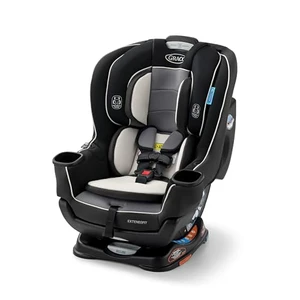 |
Graco Extend2Fit Convertible Car Seat – $191.99 If your current seat has passed its expiration date, this is a straightforward rear- and forward-facing replacement built to current crash-test standards.
|
Car seats aren’t built to last forever, and that’s by design. The main reasons manufacturers cap a seat’s useful life are:
- Material breakdown. Heat, cold, and repeated sun exposure make the hard plastic shell more brittle over years, and brittle plastic cracks instead of flexing to absorb crash energy.
- Foam and padding fatigue. The energy-absorbing foam inside the shell compresses with use, so it cushions an impact less effectively than it did when the seat was new.
- Harness and hardware wear. Buckles, adjusters, and webbing loosen and weaken from thousands of buckle-and-release cycles.
- Outdated safety standards. Federal crash-test requirements (FMVSS 213) and manufacturer engineering both improve over time, so a seat from 10 years ago wasn’t tested against today’s benchmarks.
- Recall and parts history. Manufacturers generally stop tracking parts and honoring recall fixes once a seat is past its labeled life, so an old seat with a known defect may never get repaired.
Is There a Law That Sets Car Seat Expiration Dates?
No. In the United States, the National Highway Traffic Safety Administration (NHTSA) does not require car seats to carry an expiration date, and federal safety standard FMVSS 213 doesn’t set one either. NHTSA does recommend that manufacturers include a date, and every major manufacturer now does, but the actual number of years is decided by the manufacturer based on how long they expect the specific model’s materials to hold up — typically 6 to 10 years from the manufacture date.
Canada and the United Kingdom follow a similar pattern to the U.S. rather than the strict “one national number” story you’ll sometimes see repeated online:
- Canada: Transport Canada does not legally require an expiration date on car seats sold in Canada, but it strongly recommends one, and nearly every seat sold there has one anyway. The manufacturer sets the actual number of years, most commonly 7 to 10.
- United Kingdom: UK regulations don’t require an expiry date on car seats at all. If your seat carries one, it’s the manufacturer’s own recommendation, not a UK legal mandate.
What this means in practice: there’s no single government “expiration law” for you to look up. The date that matters is the one printed on your specific seat, because that’s what the manufacturer actually tested and stands behind.
How to Find Your Car Seat’s Expiration Date
Every car seat sold in the U.S. today has this date printed or embossed somewhere on the shell, and it’s usually easy to find once you know where to look:
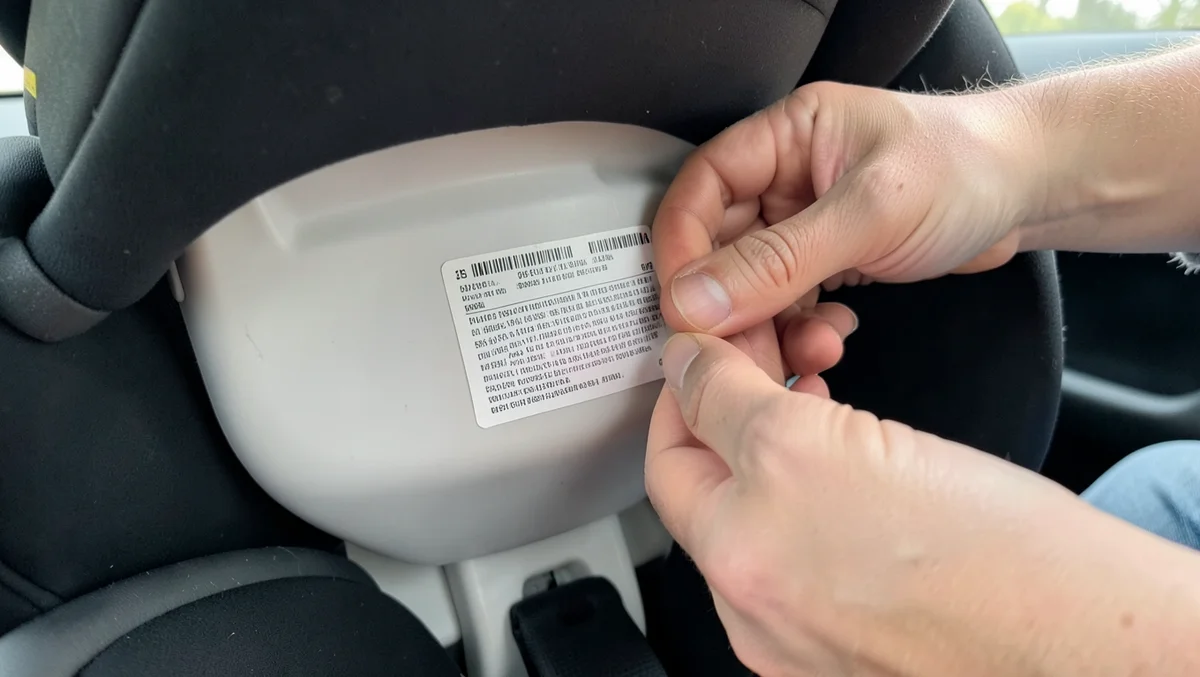
- Check the bottom of the seat first. Most manufacturers stamp or print the manufacture date and expiration date directly into the plastic on the underside of the base, or on a sticker there.
- Check the back or side of the shell. Some brands place the label on the back panel instead, especially on convertible and booster seats.
- Check the owner’s manual. The expiration policy, and sometimes the exact date, is spelled out in the manual that came with the seat — keep it, or download a replacement copy from the manufacturer’s website using your model number.
- Look for a date format, not just a sticker. Labels often list a “DOM” (date of manufacture) and separately a “do not use after” date; some seats only print the DOM and expect you to add the manufacturer’s stated lifespan yourself.
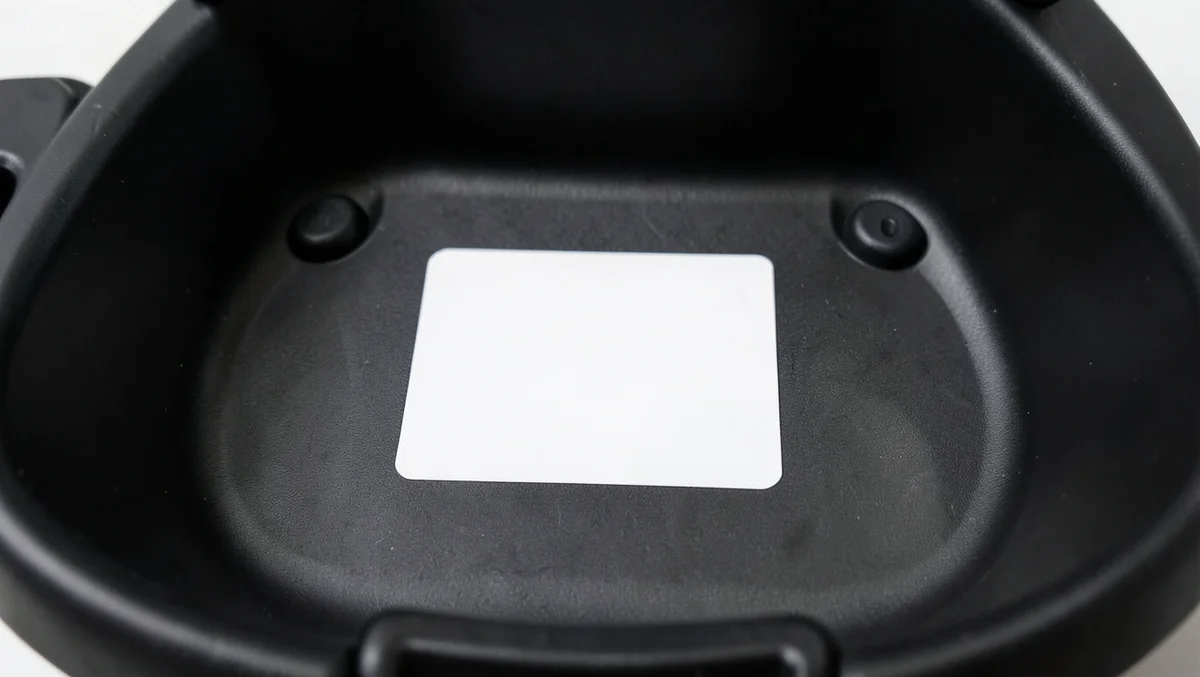
If you can’t find a label at all — a real possibility on a very old or secondhand seat — contact the manufacturer directly with the model number and serial number. Most brands can look up the exact expiration date for you, and if they can’t confirm it, that’s itself a strong sign the seat is too old to trust.
Is It Illegal to Use an Expired Car Seat?
There is no federal law in the U.S. that directly bans using an expired car seat, and most states don’t cite drivers specifically for “expired” seats either. Instead, state child-passenger-safety laws generally require that children ride in a car seat appropriate for their age and weight; an expired seat isn’t automatically illegal under most of these laws, but it can leave you with a seat that no longer meets the standard the law assumes you’re using. If you’re ever in a crash while using a known-expired seat, it can also complicate an insurance claim or personal-injury case, since insurers may argue the seat didn’t offer the protection it was designed for.
The bigger issue isn’t a ticket, it’s the seat itself. Independent crash tests and manufacturer data consistently show that materials degrade enough over 6 to 10 years to reduce a seat’s ability to protect a child, even if it looks fine on the outside.
What to Do With an Expired Car Seat
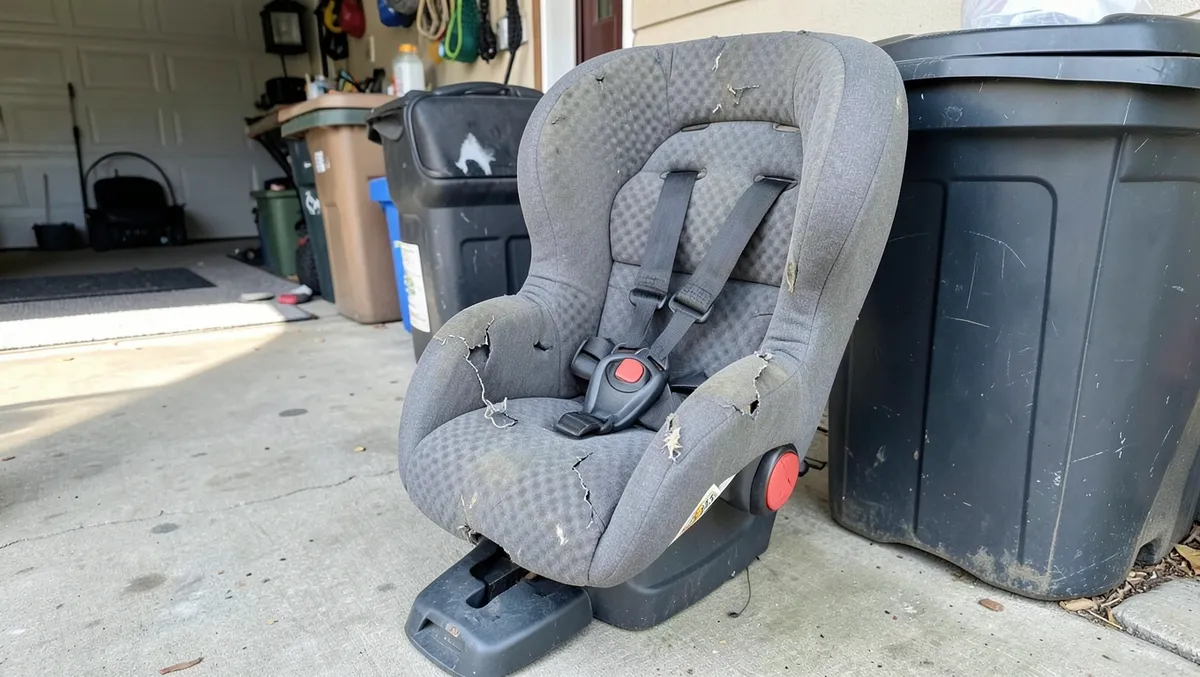
Don’t sell, donate, or hand down an expired car seat — and don’t put an intact one straight into the trash where someone could pull it out and reuse it. Disable it first, then choose one of these routes:
- Manufacturer take-back and trade-in programs. Several retailers and brands, including Target, run periodic car seat trade-in events that accept old and expired seats for recycling, often in exchange for a store discount.
- Local recycling programs. Some municipal recycling centers and specialty recyclers break seats down into separate plastic, metal, and foam streams. Availability varies a lot by city, so check local listings before assuming your area has one.
- Disable it before disposal. If no recycling option exists near you, cut the harness straps, remove the cover and padding, and write “EXPIRED — DO NOT USE” directly on the shell in permanent marker before putting it out with regular trash. This keeps someone else from picking it up and using it unknowingly.
For a full breakdown of donation, trade-in, and recycling options by seat condition, see our guide to what to do with old car seats.
Common Myths About Car Seat Expiration
A few misconceptions come up often enough that they’re worth addressing directly.
“A Car Seat That Looks Fine Must Still Be Safe”
Not necessarily. The plastic and foam degrade at a molecular level that isn’t visible from the outside. A seat can look spotless and still have lost a meaningful amount of its crash-absorbing capability.
“Manufacturers Just Want to Sell More Seats”
Expiration dates predate most manufacturers’ current business models and are tied to real material-science testing, not a sales tactic. If it were purely a money grab, dates wouldn’t vary as widely as they do — 6 years on one model, 10 on another from the same brand — based on the specific plastics and foam used.
“The Expiration Date Starts When I Buy It”
It starts from the date of manufacture, printed on the same label. A seat sitting in a warehouse or on a store shelf for a year before you buy it already has a year “used up” against its total lifespan.
Choosing a Replacement Car Seat
When your seat’s time is up, match the replacement to your child’s current age and weight rather than assuming the same seat type still fits: infants typically need a rear-facing infant seat, toddlers move to a convertible seat, and older kids graduate to a booster. Check the new seat’s own label for its weight and height range before buying, and compare a few models on comfort, ease of installation, and price — not just brand name. If you’re specifically deciding between seat types, our guide to what a convertible car seat is breaks down how that category differs from an infant-only or all-in-one seat, and our Graco-specific car seat lifespan guide covers typical expiration ranges if you’re staying with that brand.
Frequently Asked Questions
How Do I Know If My Car Seat Is Expired?
Check the expiration date label on the car seat, usually stamped or stickered on the bottom or back of the shell. If you can’t find it, check the owner’s manual or contact the manufacturer with your model and serial number.
How Many Years Are Car Seats Good For?
Most car seats last 6 to 10 years from the manufacture date, but the exact number is set by the manufacturer and printed on the seat’s label, not by a single universal rule. Always confirm the specific date on your seat rather than assuming a generic figure.
Do Car Seats Expire From the Date of Purchase or the Date of Manufacture?
From the date of manufacture, not the purchase date. That’s printed on the same label as the expiration date, so a seat that sat on a store shelf for months before you bought it already has less useful life remaining than a brand-new one.
Is It Safe to Use a 7-Year-Old Car Seat?
It depends entirely on that specific seat’s labeled expiration date, which typically falls somewhere between 6 and 10 years from manufacture. Check the label, inspect for cracks or recalls, and if the labeled date has already passed, replace it regardless of how it looks.
Is It Illegal to Use an Expired Car Seat?
No federal law bans it, and most states don’t specifically cite drivers for an expired seat. State child-passenger-safety laws generally require an age- and weight-appropriate seat rather than naming expiration directly, so the real risk is reduced crash protection, not a guaranteed ticket.
Conclusion
Car seats expire because the materials that keep a child safe in a crash break down over years of heat, sunlight, and use — not because manufacturers are chasing repeat sales. Find the date on your specific seat, replace it once that date passes even if the seat still looks fine, and disable rather than pass along any seat you retire so it can’t end up back in a vehicle.
Products related to this article
Sponsored / affiliate links. As an Amazon Associate I earn from qualifying purchases. I may earn additional commission from eligible campaigns.
 PartsTo Adjustable Kids Travel Car Seat Headrest Pillow with Lean Support Cushion Sleeping Travel Neck Safeguard Cushion Suitable for Kids Children Teenagers and Adults
 FLORICH Leather Seat Cover, Car Seat Covers Front Set, Waterproof Car Seat Protectors, Front Seat Covers 2 Pack, Breathable Automotive Seat Covers Protector Fit for Most Cars Trucks SUV