How Long Does It Take a Car to Rust: Unveiling Timeframes
Imagine parking your car in the driveway only to find rust creeping up like an unwelcome visitor. You might wonder, “How long does it take a car to rust?”
Whether you’re a proud owner of a brand-new vehicle or holding onto a trusty old friend, understanding the rust timeline can save you heartache and money. Rust isn’t just an eyesore; it’s a sneaky threat that can compromise your car’s safety and value.
We’ll dive deep into the factors that accelerate rust, how you can spot the early signs, and the best ways to keep your car looking pristine. Unlock the secrets to safeguarding your investment and ensuring your car stays as beautiful and strong as the day you got it. Stay with us to discover what you can do to prevent rust from ruining your ride.

Credit: www.reddit.com
Factors Influencing Rust Formation
Weather affects car rust. Rain and snow make rust form faster. Salty air near the ocean can also speed up rust. Cars in cities with a lot of rain rust quickly. Warm, dry places slow down rust.
Car parts made of iron and steel rust faster. Aluminum parts don’t rust easily. Coatings and paints protect metal. They stop water and air from touching the car. Better materials mean slower rust.
Washing cars often keeps them clean. Dirt and salt can cause rust. Waxing the car gives a protective layer. Fixing scratches prevents rust spots. Regular checks help find rust early. Good care means less rust.

Credit: www.reddit.com
Stages Of Rust Development
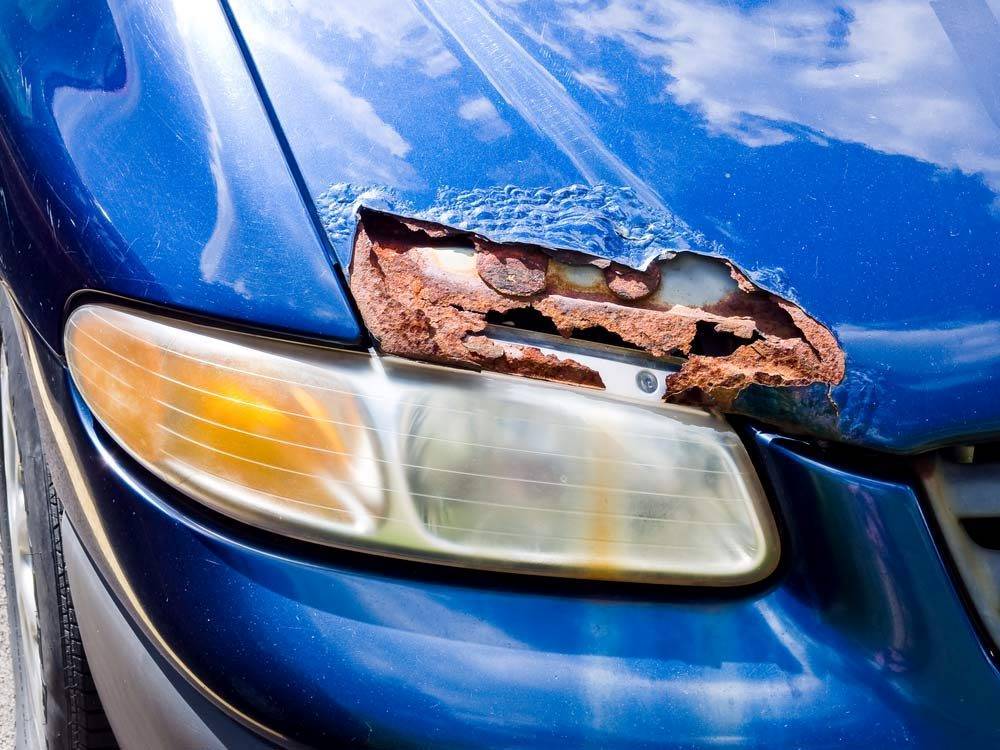
Surface rust is the first stage. It appears on the car’s paint. This rust is only on the outside. It does not affect the inside metal. Surface rust is easy to fix. Clean the area well. Use a rust remover. Paint over the spot. This stops further rust.
Scale rust is the next stage. It goes deeper than surface rust. Scale rust affects the car’s metal. It can cause damage. Scale rust creates bubbles and scales. You must sand the rust off. Apply a rust converter. Paint the area to protect it. This process helps stop the rust.
Penetrating rust is very serious. It eats through the metal. Penetrating rust weakens the car’s body. It can cause holes. Penetrating rust needs professional repair. Metal may need replacing. This rust can make the car unsafe. Regular checks can help prevent this.
Impact Of Climate On Rusting
Cars near the ocean rust faster. The salt in the air speeds up rusting. Moisture is high near the sea. This helps rust form quickly. Cars here need special care. Regular washing helps remove salt. A good wax can protect the paint. Many people use rustproof coatings.
Cities have pollution and dirt. These can cause rust. Traffic means cars are always moving. Cars get dirty fast. Many people wash their cars often. This helps keep rust away. Parking in garages helps too. Cars stay dry and clean inside.
Rural areas have less pollution. But they have dirt roads. Mud can stick to cars. This can cause rust. Rain and snow make it worse. People in rural areas wash cars after rain. This helps remove mud. Keeping cars clean helps fight rust.
Role Of Salt And Chemicals
Road saltin winter helps melt ice. It keeps roads safe. Salt can make cars rust faster. Tiny salt bits stick to cars. They mix with water. This starts rust.
Salt enters small cracks. It makes them bigger. More air and water get in. Rust grows quickly. Winter salt is rough on cars.
Cars face chemical exposureevery day. Chemicals come from air pollution. They stick to cars. Some chemicals harm car metal. They start rust.
Cleaning cars helps. It removes harmful chemicals. Regular washing is important. It keeps cars safe from rust. A clean car lasts longer.
Preventive Measures For Rust
Cars need regular cleaningto avoid rust. Dirt and grime trap moisture. Moisture causes rust. Rinse the car often. Dry it well. Pay special attention to the underside. It often gets muddy. Keeping the car clean helps prevent rust.
Applying protective coatingsis wise. These coatings shield the car’s surface. They repel water. Wax is a common choice. It creates a barrier. Reapply wax every few months. This keeps the car safe from rust.
Rust-proofing treatmentsoffer added protection. These are special sprays. They reach into tight spaces. They stop rust before it starts. Use them on new cars. They are important for old cars too. These treatments extend the car’s life.
Credit: carfromjapan.com
Inspection And Early Detection
Checking your car often helps spot rust early. Look at the corners and edges closely. Under the car can hide rust. Rust shows as brown spots or rough patches. Paint bubbles are a sign too. Touch the surface for roughness. Feel for bumps or uneven spots. Use a flashlight to see better.
Experts use tools to find hidden rust. They check underneath with mirrors. They test the paint for cracks. Special devices measure metal thickness. Reports show rust levels. Experts suggest fixes for rust. They advise on care tips. Professional checks save time. They find issues early.
Repair And Restoration Options
Cars can rust in just a few years if exposed to moisture and salt. Repair options include removing rust spots and applying protective coatings. Restoration involves replacing damaged parts and repainting. Regular maintenance helps prevent rust and extend the car’s lifespan.
DIY Rust Repair
Fixing rust yourself can save money. Start with small spots of rust. Use sandpaper to remove the rust. Clean the area well. Apply primer to stop more rust. Use car paint to cover the spot. Let it dry before driving the car. This can help the car look nice again.
Professional Restoration
Experts can fix rust better. They have special tools and skills. They can handle big rust problems. Professionals make cars look new again. They ensure rust does not come back soon. Going to experts might cost more money. It’s worth it for serious rust issues.
Technological Advances In Rust Prevention
New coatings protect cars from rust. These coatings are strong and durable. They keep water and air away. This helps cars stay shiny and safe. A special layer is added. It can stop rust for years. Cars have less rust now. It is a big help for car owners.
Smart systems find rust early. They use sensors and alarms. These tools watch car parts closely. When rust starts, the system warns. Owners get alerts quickly. Early alerts help fix rust faster. This saves time and money. Smart systems make cars safer. They are a great tool for cars.
Frequently Asked Questions
How Quickly Does A Car Start To Rust?
A car can start to rust within a few months if exposed to harsh conditions like road salt and moisture. Regular washing and applying protective coatings can slow down the rusting process. Garaging and using rust-proofing treatments can further protect your car from rust.
What Factors Accelerate Car Rusting?
Factors like road salt, humidity, and scratches can accelerate car rusting. Salt from roads in winter months can corrode metal, leading to rust. Moisture trapped in car parts can also speed up rusting. Regular maintenance and protective coatings can help mitigate these effects.
Can Rust Damage Be Prevented On Cars?
Yes, rust damage can be prevented with regular maintenance and protective measures. Washing your car regularly removes salt and dirt that cause rust. Applying wax or rust-proofing coatings offers additional protection. Addressing scratches promptly helps prevent rust formation on exposed metal surfaces.
Is Rust Repair Costly For Cars?
Yes, rust repair can be costly, depending on the severity. Minor rust issues might be fixed with a few hundred dollars. However, extensive rust damage can require thousands of dollars in repair costs. Preventive maintenance is more cost-effective than dealing with significant rust repairs.
Conclusion
Rust on cars depends on many factors. Climate plays a big role. Wet areas speed up rust. Salt on roads in winter can also cause rust. Regular cleaning helps prevent rust. Check your car often for rust signs. Fix small rust spots quickly.
This saves you money later. Use protective coatings for extra safety. Park in garages or cover your car. This reduces rust chances. Pay attention to your car’s condition. Taking care of it extends its life. Remember, prevention is the best solution.
Keep your car rust-free with simple steps. Enjoy a longer-lasting vehicle.