Car Window Tinting Cost: $150 to $900 by Film Type (2026)
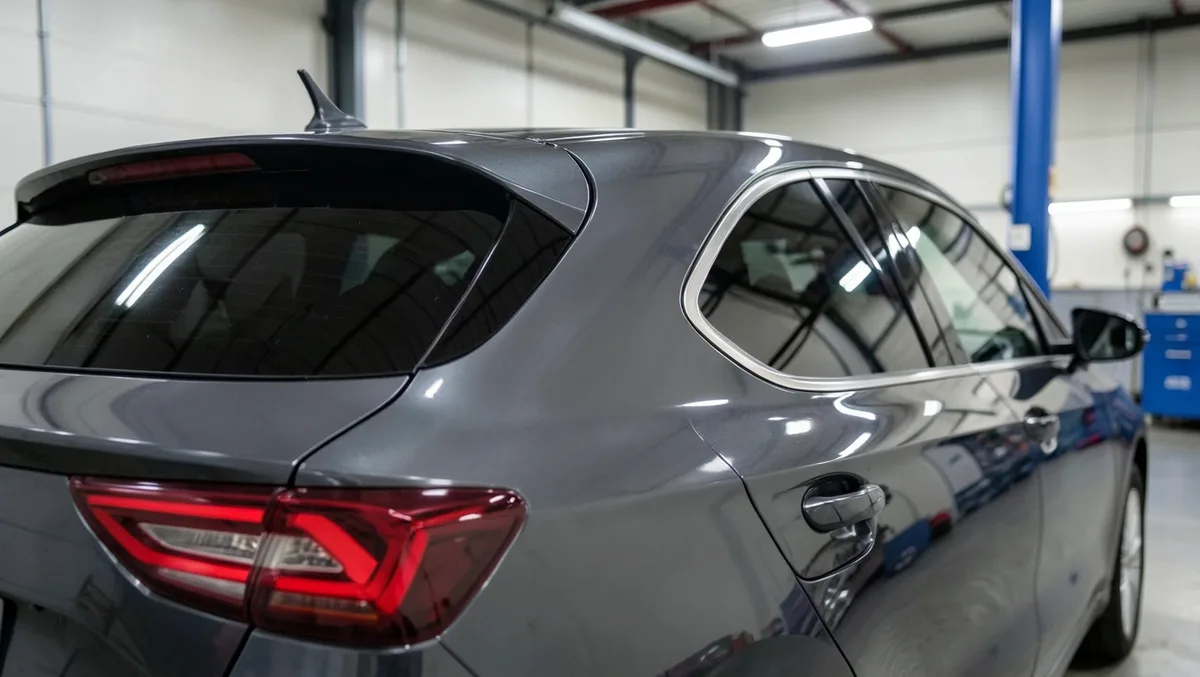
Car window tinting costs $150 to $900 in 2026, with most sedan owners paying $200 to $500 for a full set of windows. Dyed film sits at the low end starting around $150, carbon film runs $250 to $450, and ceramic film, the best option for blocking heat and UV rays, costs $400 to $800.
The film you choose drives 60 to 70 percent of the total price. Vehicle size, window count, and whether the shop has to strip old tint first make up the rest. Here is a full breakdown by film type, vehicle size, and region so you can budget accurately before calling a shop.
Introduction To Car Window Tinting
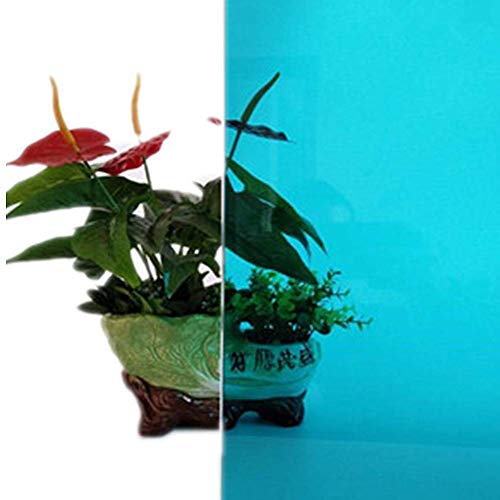
BEST CERAMIC FILM FOR DIY TINTING
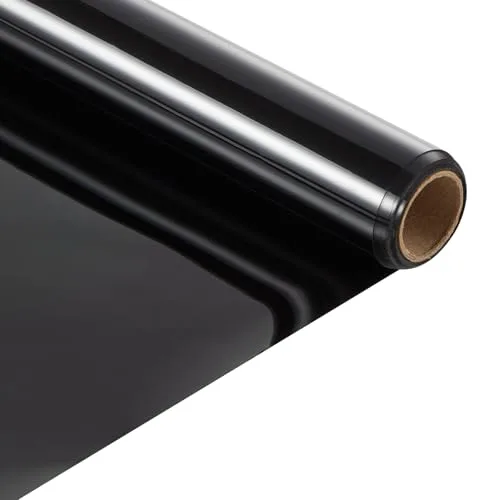 |
Vepagoo 35% VLT Ceramic Car Window Tint Film (20 in x 20 ft) – $23.99 One roll covers a full car’s side and rear windows if you decide to go the DIY route instead of paying shop prices.
|
Window tinting is a thin polyester film applied to the inside of your car’s glass. Beyond looking sharp, it blocks a large share of the sun’s UV rays, which helps prevent your dashboard and seats from fading and protects your skin on long drives. A quality tint also cuts glare, adds privacy, and keeps the cabin noticeably cooler in direct sun, so the air conditioner does not have to work as hard.
Not all film performs the same way, and price tracks closely with performance. The table below compares the four tint categories most shops carry.
| Film Type | Key Features |
|---|---|
| Dyed Tint | Budget-friendly, absorbs sunlight, good privacy, no signal interference |
| Metalized Tint | Reflects heat well, adds strength to the glass, can interfere with radio and GPS signals |
| Carbon Tint | Blocks heat without metal particles, will not fade, no signal interference |
| Ceramic Tint | Best UV and heat rejection, no signal interference, highest price |
Factors Influencing Cost
Vehicle size is the single biggest driver of cost after film type. A two-door coupe with four small windows takes less film and less labor than a three-row SUV with curved rear glass and a wraparound cargo window. Trucks and vans with extra-large rear windows or a sunroof add to the total for the same reason: more square footage of glass means more material and more time on the lift.
Window shape matters too. Flat, simple panes go fast. Sharply curved windows, like a coupe’s rear glass or a minivan’s third-row windows, take longer to fit without wrinkles or bubbles, and shops often charge more for that extra care. The number of windows counts directly against the bill as well: a basic four-window sedan tints for less than a car with extra vent windows or a rear quarter-glass panel.
Types Of Tinting Film
Dyed film is the entry-level option. A layer of dye absorbs sunlight instead of reflecting it, giving a flat, dark look and solid privacy for the least money. It is the most likely to fade to purple or brown after several years in strong sun, so it suits budget-conscious drivers who do not plan to keep the car for the long haul.
Metalized film embeds tiny metal particles that reflect heat away from the glass. It is more durable than dyed film and adds a small amount of strength to the window itself, but the metal can interfere with radio, GPS, and cell signals, and some drivers notice a slight shine.
Carbon film uses carbon particles instead of metal or dye. It blocks a similar amount of heat to metalized film, will not fade the way dyed film does, and does not cause any signal interference. It costs more than dyed or metalized film but less than ceramic.
Ceramic film is the premium choice. Ceramic particles reject heat and UV rays far more effectively than any other film type without blocking radio or GPS signals, and the color stays stable for years. It costs the most up front but usually carries the longest warranty.
Cost Breakdown By Film Type
Prices below reflect professional installation in 2026 for a full car, all windows except the windshield unless a shop offers windshield tint as an add-on.
By Film Type
Dyed film starts around $150 and typically tops out near $300 for a full car. Carbon film runs $250 to $450. Ceramic film, the best performer, costs $400 to $800, and can run higher on large SUVs or with a lifetime warranty attached.
By Vehicle Size
| Vehicle Type | Typical Cost (All Windows) |
|---|---|
| Sedan | $200 – $650 |
| Coupe | $200 – $550 |
| SUV / Crossover | $300 – $900 |
| Truck | $250 – $700 |
| Van / Commercial Vehicle | $300 – $900 |
SUVs and vans cost roughly 30 to 40 percent more than a sedan for the same film, mostly because of the extra glass area in the rear windows and hatch.
Professional Vs Diy Tinting
Professional installation for a standard car runs $150 to $900 depending on the film grade you pick, as shown above. DIY film kits cost far less, usually $20 to $60 for enough film to cover an entire car, though the film itself is typically a lower grade than what a shop installs.
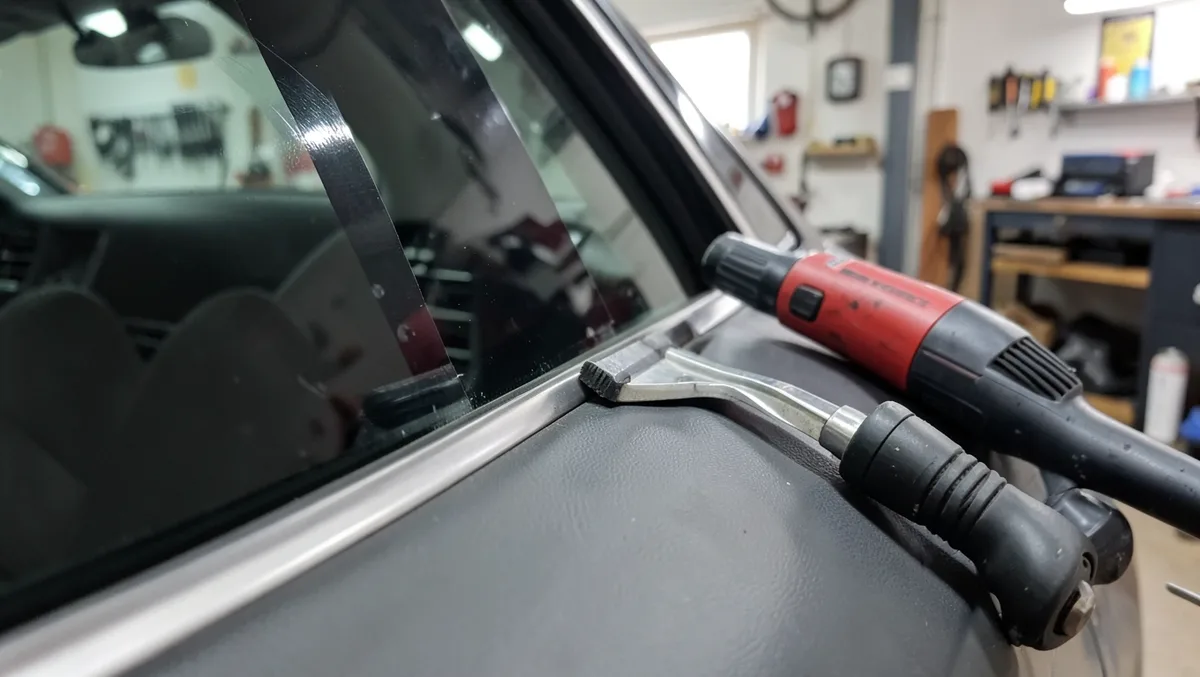
The savings come with real risk. Cutting film to fit curved glass, working out air bubbles, and getting a clean edge along the window trim takes practice. A rushed DIY job that bubbles or peels within a year often costs more to strip and redo professionally than paying a shop correctly the first time. A professional shop typically finishes a full car in under two hours, while a first DIY attempt can eat up an entire afternoon. If you are confident with detail work and have a helper, a DIY kit is a reasonable way to tint one or two flat windows. For an entire car, most people come out ahead paying a professional, especially since many shops back the job with a lifetime warranty against bubbling and peeling.
Regional Price Variations
Where you live changes the price almost as much as the film you pick. Shops in large metro areas carry higher rent and labor costs, so a job that runs $200 in a small town might run $350 or more in a major city for the same film. Climate plays a role too: shops in hot-weather states like Arizona, Texas, and Florida often push ceramic and carbon film harder because the heat-rejection benefit is worth more to local drivers, which can nudge average job prices up even at the same tint darkness.
Getting Multiple Quotes
Because pricing swings by region and even by shop, get at least three quotes before booking. Ask each shop to quote the same film brand and shade so you are comparing like for like, not a $150 dyed-film quote against a $400 ceramic quote.
Long-term Value And Savings
A cooler cabin means the air conditioner cycles less on hot days, which saves a small amount of fuel or battery range over time. The bigger financial benefit is protection: UV rays fade upholstery and crack dashboards, and a good tint blocks up to 99 percent of that damage. Heat rejection also matters for comfort on long drives in direct sun, not just the interior’s long-term condition.
Tinted windows can also help at resale. A clean, evenly applied tint signals a well-kept interior, and buyers often see it as a small upgrade rather than a red flag, as long as it meets your state’s legal darkness limit.
Legal Considerations
Every state sets its own limit on how much visible light your tint must let through, known as VLT. Check your state’s exact limit here before you book an appointment, since going darker than allowed is the most common tinting mistake.
State Tinting Laws
Front side windows usually have the strictest limit, often 35 percent VLT or higher, though a handful of states allow darker film up front. Rear side windows and the rear windshield typically allow much darker film, sometimes with no VLT minimum at all, since the driver still has side mirrors for visibility.
Penalties For Non-compliance
Tint that is darker than your state allows can mean a fix-it ticket, a fine, or an order to remove the film entirely, on top of the cost you already paid to have it installed. A reputable shop will know your state’s limits and refuse to install anything darker without a medical exemption, so this is rarely an issue with professional work, but it is worth confirming before a DIY job.
Choosing A Tinting Service
Start with reviews from the last year or two rather than a shop’s overall rating, since technicians and quality can change over time. Look for consistent comments about clean edges, no bubbling, and on-time appointments rather than a handful of five-star reviews with no detail.
Always ask about the warranty in writing. Most reputable shops back their work with a lifetime warranty against bubbling, peeling, and discoloration, and many will transfer that warranty if you sell the car. A shop that will not put its warranty in writing is a signal to keep looking.
Frequently Asked Questions
How Much Should It Cost To Tint Your Whole Car?
Tinting a whole car typically costs $150 to $900 in 2026, depending on the film type and vehicle size. Dyed film runs on the low end, carbon sits in the middle, and ceramic costs the most but blocks the most heat and UV rays. Always get quotes from a couple of local shops before booking, and confirm the warranty in writing.
What Is The Darkest Legal Tint For A Car?
The darkest legal tint depends on your state. Front side windows usually must let in at least 35 percent of light, while rear windows and the back windshield can often be much darker. Check your state’s specific VLT limit before tinting, since rules vary widely across the country.
What Does 70 Tint Look Like?
A 70 percent tint is light and subtle. It allows 70 percent of visible light through while slightly reducing glare and UV exposure, so it gives a mild shaded look without noticeably changing visibility. It suits drivers who want minimal darkening and a clear view in and out of the car.
Is It Worth Tinting My Car?
For most drivers, yes. It blocks damaging UV rays, keeps the cabin cooler, adds privacy, and can support resale value, all for a one-time cost that is small next to the price of the car. Just confirm your state’s tint law before you book the job.
The Bottom Line
Car window tinting costs $150 to $900 in 2026, with the film you choose accounting for most of that range. Dyed film is the budget pick, carbon lands in the middle, and ceramic delivers the best heat and UV protection for the highest price. Vehicle size, your local market, and whether old tint needs to be stripped first can shift the final number up or down.
Get a few quotes for the same film and shade before you book, confirm the shop’s warranty in writing, and check your state’s VLT limit so the finished job looks good and stays legal. A well-installed tint protects your interior, keeps the cabin cooler, and is one of the more affordable upgrades you can make to a car.
Products related to this article
Sponsored / affiliate links. As an Amazon Associate I earn from qualifying purchases. I may earn additional commission from eligible campaigns.