How Many Miles Does a Car Battery Last: Ultimate Lifespan Guide
Have you ever wondered how many miles your car battery can really last? Knowing this can save you from unexpected breakdowns and costly repairs.
Your car battery is one of the most important parts of your vehicle, yet many people don’t pay enough attention to its lifespan. You’ll discover the key factors that affect your battery’s life and learn how to get the most miles out of it.
Keep reading to make sure your car stays powered up and ready to go when you need it most.
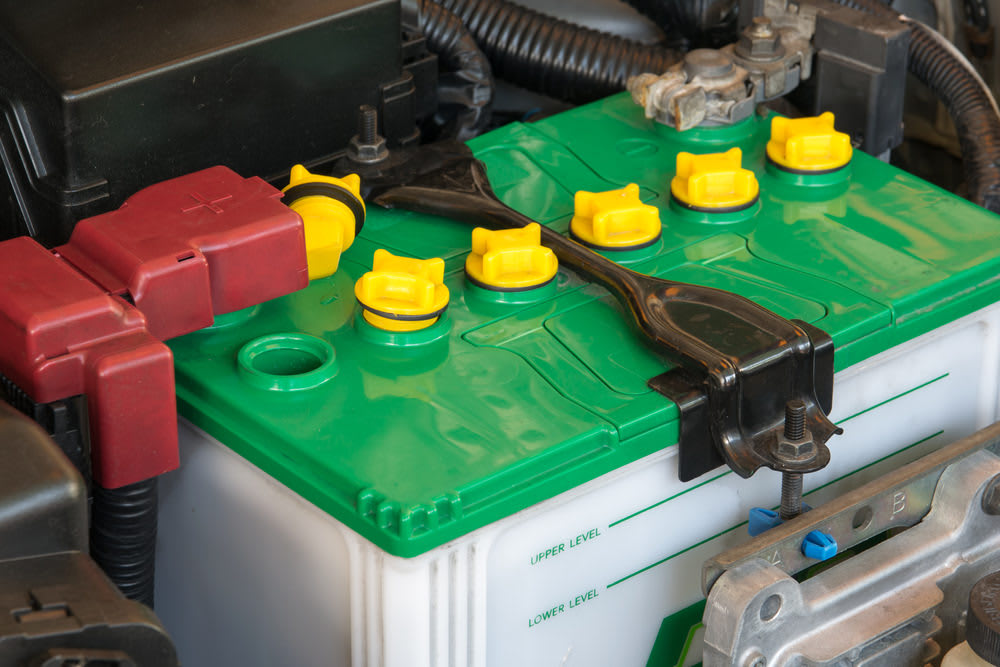
Credit: www.yourmechanic.com
Car Battery Lifespan Basics
The average car batterylasts about 3 to 5 years. This usually means driving between 30,000 and 50,000 miles. Some batteries last longer, while others may fail sooner.
Many factors affect battery life. Hot weather can make batteries wear out faster. Cold weather can also reduce battery power. Short trips do not let the battery recharge fully. Using many electrical devices in the car also drains the battery faster.
Keeping the battery clean and tight helps it last longer. Regular car checks can catch battery problems early. Replacing a battery before it dies can save trouble on the road.
Types Of Car Batteries
Lead-acid batteriesare common and cost less. They usually last 3 to 5 years. These batteries need regular maintenance, like checking water levels. They work well in most cars but can be heavy and less efficient in cold weather.
AGM batteriesare a type of lead-acid battery but better sealed. They last longer, about 4 to 7 years. AGM batteries charge faster and handle more power. They are good for cars with lots of electronics.
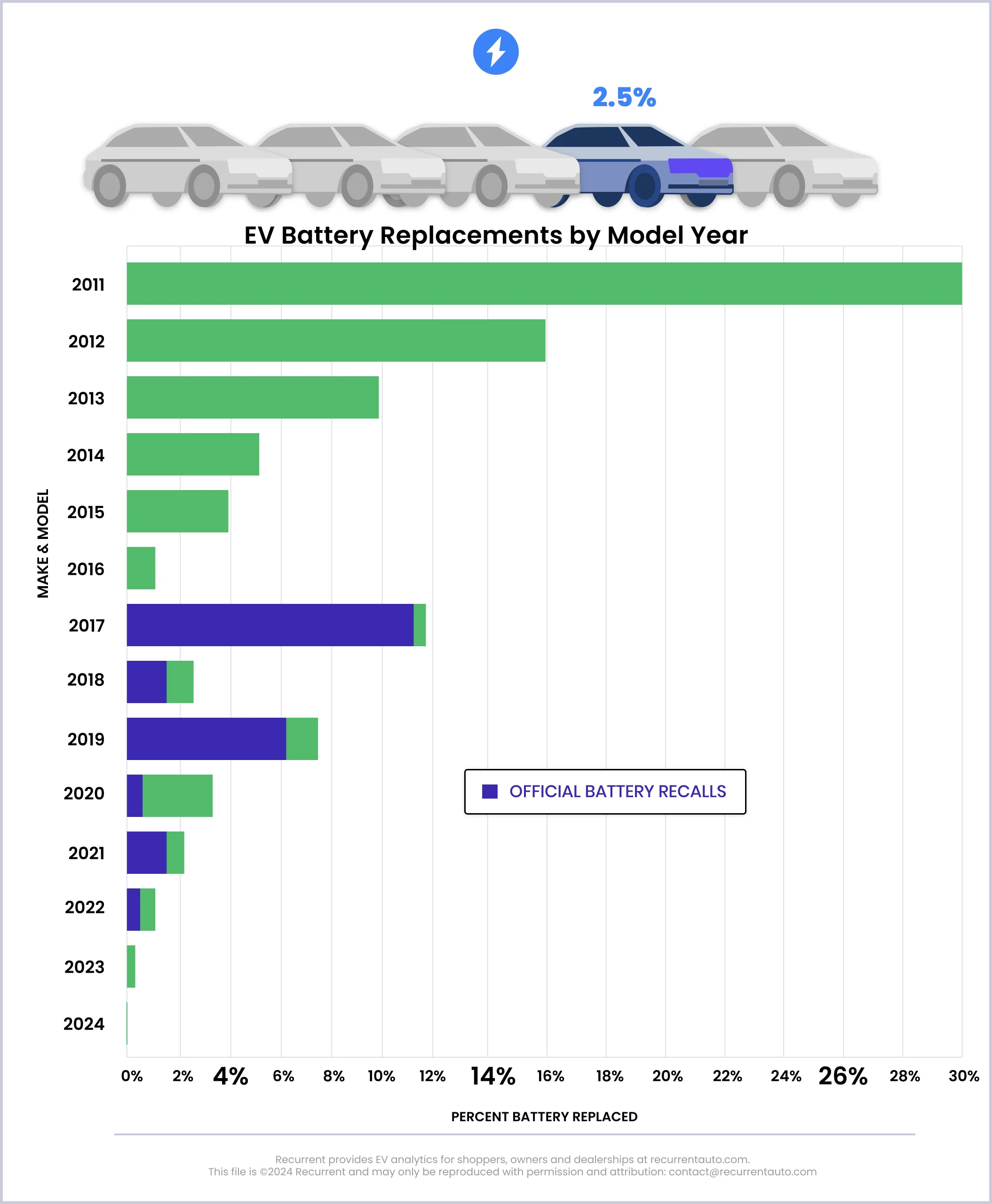
Lithium-ion batteriesare light and last the longest, about 8 to 10 years. They charge quickly and hold power well. These batteries cost more but are common in electric cars.
Signs Of A Dying Battery
Slow engine crankmeans the car struggles to start. The engine turns over slowly or takes longer to start. This happens because the battery does not have enough power to start the engine quickly.
Dim lightsinside the car or on the dashboard show the battery is weak. Headlights may appear less bright, especially when the engine is off. Dim lights are a clear sign the battery is losing charge.
Electrical issuescan appear as flickering dashboard lights or trouble using electronic devices. Radios, power windows, or other electric parts may work poorly or stop working. These problems often point to a dying battery.
Credit: www.birchwoodcredit.com
Impact Of Driving Habits
Short tripsoften do not allow the battery to fully recharge. This can make the battery drain faster and reduce its lifespan. Long tripshelp the battery recharge better, which keeps it healthy for more miles.
Frequency of usealso matters. Cars driven every day keep the battery active. If a car sits unused for many days, the battery can lose charge and wear out quicker.
Climate plays a big role. Hot weather can cause the battery fluid to evaporate, damaging the battery. Cold weather can make the battery work harder to start the car, which may shorten its life.
| Factor | Effect on Battery Life |
|---|---|
| Short Trips | Battery may not fully recharge, reduces lifespan |
| Long Trips | Better recharge, extends battery life |
| Frequency of Use | Daily use keeps battery healthy; long idle harms it |
| Climate | Heat causes fluid loss; cold makes battery work harder |
Maintenance Tips For Longevity
Check the battery regularly for cracks or leaks. Look for any corrosion on the terminals. Clean the terminals with a brush to keep a good connection. Tighten loose cables to avoid starting problems. Avoid letting the battery drain completely. Deep discharges can shorten battery life. Try to keep the battery charged, especially during cold weather. Use the car often to keep the battery active. Store the car in a dry place to prevent damage.
When To Replace Your Battery
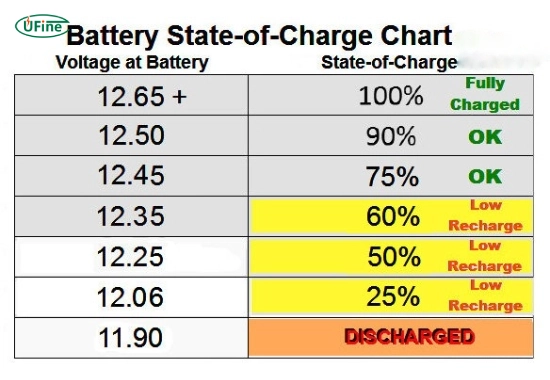
Testing battery healthcan save you from unexpected problems. Use a voltmeter or a multimeter to check voltage. A fully charged battery shows about 12.6 volts. Below 12.4 volts means the battery is weak. Many auto shops offer free battery tests. They check the battery’s ability to hold a charge and start the car.
Recommended replacement intervalsvary by car and battery type. Most car batteries last 3 to 5 yearsor about 30,000 to 50,000 miles. Extreme weather, short trips, and heavy use can shorten life. Check your car manual for specific advice. Replace the battery when it shows signs of failure or after 4-5 years.
Choosing a replacement batteryneeds care. Match battery size, type, and power to your car’s needs. Look for the right Cold Cranking Amps (CCA). Higher CCA helps start the car in cold weather. Buy from trusted brands to ensure quality. Check warranty length; longer is better.
Credit: www.ufinebattery.com
Frequently Asked Questions
How Long Does A Car Battery Typically Last In Miles?
A car battery usually lasts between 3,000 to 5,000 miles. This varies based on driving habits, weather, and battery quality. Regular maintenance can extend its lifespan and prevent unexpected failures.
What Factors Affect Car Battery Mileage Lifespan?
Battery lifespan depends on temperature, driving frequency, and electrical load. Extreme heat or cold reduces battery efficiency. Frequent short trips and leaving electronics on also drain the battery faster.
Can Driving Habits Extend A Car Battery’s Life?
Yes, consistent long drives help recharge the battery fully. Avoiding short trips and turning off all electronics when parked also prolongs battery life. Proper care ensures better mileage and fewer replacements.
How Do I Know When My Car Battery Needs Replacement?
Look for slow engine starts, dim lights, and warning indicators. A battery older than 3-5 years often needs replacement. Regular testing at service centers helps identify failing batteries early.
Conclusion
Car batteries usually last between 3 to 5 years or 30,000 to 50,000 miles. Many factors affect this, like weather, driving habits, and maintenance. Checking your battery regularly helps avoid surprises. Replacing it at the right time keeps your car running smoothly.
Remember, a healthy battery means fewer car troubles and safer trips. Keep an eye on signs of wear to stay prepared. Simple care can extend your battery’s life and save money. Don’t wait for a dead battery to cause problems.
Stay proactive for a worry-free drive.