Is NTK Oxygen Sensor Worth It? Compare It Before You Buy
Yes, NTK oxygen sensors are worth it when you want the lowest risk of repeat codes, bad fuel trims, and doing the job twice. For many DIY repairs, the OE-grade premium pays off if the vehicle is sensitive or the old sensor caused drivability issues. A cheap or wrong-fit sensor can waste labor, trigger the same fault again, and leave you chasing the same check-engine light. This guide explains when NTK is the safer buy, when a lower-cost sensor is acceptable, and what details to verify before you order.
Is an NTK oxygen sensor worth it?


Yes, when the cost of a comeback matters more than the sticker price. NTK is positioned as an OE-style oxygen sensor brand, and says it is the world’s largest supplier and manufacturer of original equipment oxygen sensors. That matters because fitment, connector style, and sensor behavior decide whether the repair ends once.
The value case is strongest when the old sensor has already caused drivability issues, when the vehicle is finicky about sensor behavior, or when access is poor. A downstream sensor in an easy location may not justify paying more. A buried upstream sensor often does.
What you are paying for
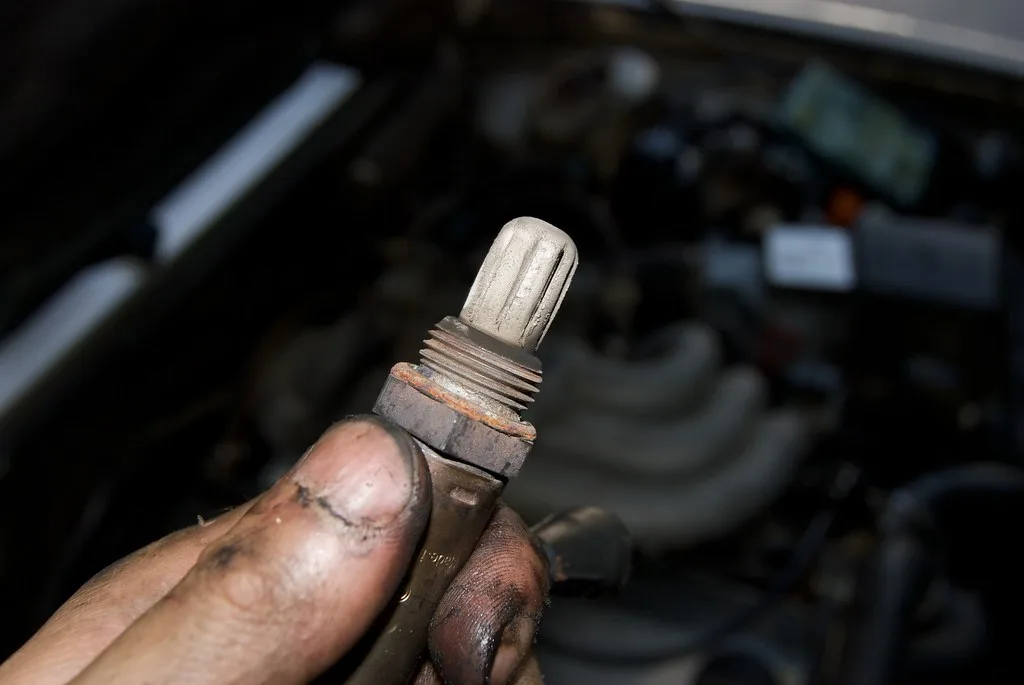
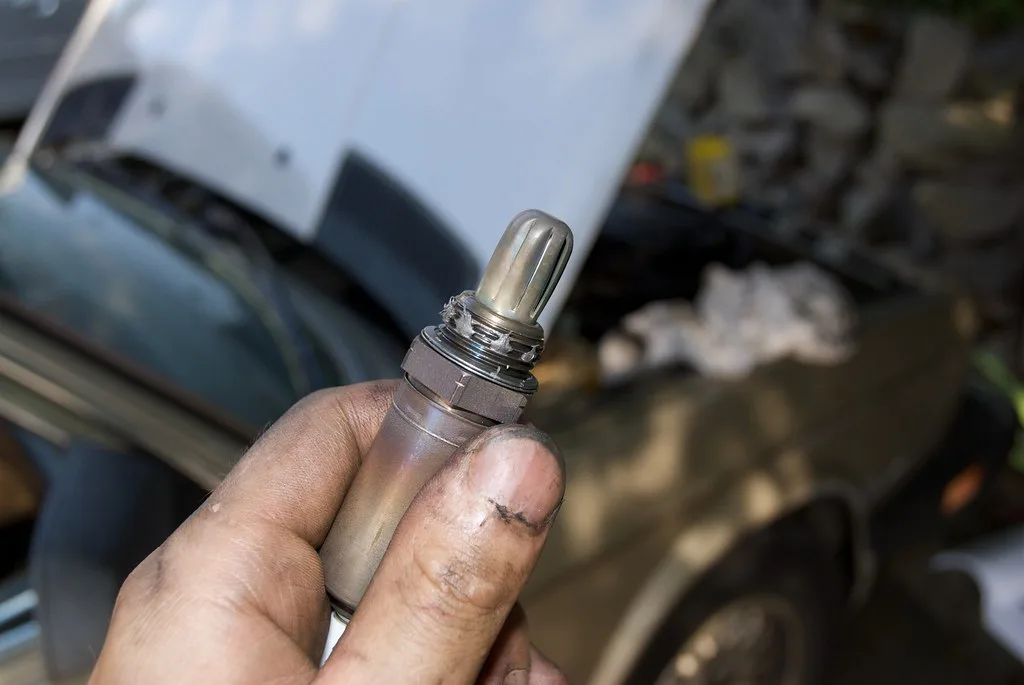
You are paying for OE-style fitment confidence, not a magic power gain. A correct oxygen sensor helps the engine computer manage air-fuel mixture, emissions, and fuel economy. NTK says its sensors use platinum elements and ceramic filters, and are designed for quick light-off and durable performance. Those features are aimed at durability and contamination control.
Where the value breaks down
Value drops fast if the diagnosis is wrong. A worn wire loom, exhaust leak, misfire, vacuum leak, or failed heater circuit can produce the same code as a tired sensor. If the sensor is not the root cause, even an OE-grade part does not save labor or restore proper fuel control.
NTK vs Bosch vs Denso
All three can be sensible choices, but they win on different points. NTK is often the safer pick when you care most about application accuracy and reduced redo risk. Bosch and Denso may be stronger buys when price, availability, or a specific catalog match makes the job easier. The best choice depends on the exact engine, bank, and sensor position.
| Criterion | NTK oxygen sensor | Bosch oxygen sensor | Denso oxygen sensor |
|---|---|---|---|
| Fitment confidence | Strong when you match engine, bank, location, connector, and sensor type | Varies by part family and application | Varies by part family and application |
| OE-style construction | Dual-coated platinum element, 3-stage overcoat, pure alumina ceramic filter | Depends on the exact sensor line | Depends on the exact sensor line |
| Contamination resistance | Built for better protection against contamination | Depends on the design | Depends on the design |
| Redo-risk control | Often the best fit when labor is hard to repeat | Good when the catalog match is exact | Good when the catalog match is exact |
| Budget pressure | Usually higher up front | Often competitive | Often competitive |
Picture a transverse V6 with the upstream sensor tucked behind the rear cylinder bank. A $20 price gap matters less when access takes an hour and the wrong connector shape means starting over. On a four-cylinder with the sensor in open view, a lower-cost part may be easier to justify if the fitment is exact.
📊 NTK sensors use a 3-stage element overcoat to protect against contamination. Source: Oxygen Sensors.
What makes an NTK oxygen sensor different?
NTK leans on OE-style construction rather than generic replacement branding. The core difference is not only the name on the box. It is the combination of materials, contamination protection, and fitment data that can reduce repeat codes and labor waste when the original fault is truly sensor-related.
NTK and NGK Sensors: brand relationship and lookup support
NTK and NGK Sensors are part of the same broader brand family sold through the NGK Spark Plugs organization. That matters because parts lookup support is not just a catalog convenience; it helps you match the exact sensor by engine, bank, upstream or downstream position, connector, and heater configuration.
Dual-coated platinum element and 3-stage element overcoat
states that NTK oxygen sensors use a dual-coated platinum element for increased longevity. says they use a 3-stage element overcoat to protect against contamination. Those details are aimed at the most common sensor killers: heat, soot, oil residue, and chemical contamination from engine or exhaust problems.
Fast light-off time and pure alumina ceramic filter
says fast light-off times decrease emissions and improve fuel economy. That mainly helps cold starts, when the engine runs richest and the catalyst is not fully active. says NTK uses pure alumina ceramic filters, which are there to filter exhaust gas and protect the sensing element.
Buyer checklist: when NTK is the safer buy
NTK is the safer buy when the repair has a high redo penalty. That includes high-mileage daily drivers, emissions-test failures, and vehicles where the sensor is hard to reach. The more labor time involved, the more value an OE-style fit and construction package can have.
- Check the exact engine, bank, and sensor location.
- Confirm upstream or downstream placement.
- Match the connector, wire count, and thread details.
- Use the code as a clue, not a verdict.
- Inspect wire damage, exhaust leaks, and obvious contamination before ordering.
- Choose the part that lowers redo risk, not the cheapest catalog listing.
| Repair scenario | Fitment confidence | Contamination resistance | Cold-start benefit | Redo-risk score |
|---|---|---|---|---|
| High-mileage daily driver with repeated fuel-trim codes | High if exact sensor lookup is used | High value if engine is clean and leak-free | Moderate | High if the original sensor is truly aging |
| Emissions-test failure with one confirmed sensor code | Very high when exact upstream/downstream match is verified | High | High in cold-start monitoring | High because a repeat failure costs time and money |
| Easy-access downstream sensor on a budget repair | Medium to high | Medium | Low to moderate | Medium |
| Buried upstream sensor on a tight exhaust manifold | Very high when vehicle-specific details are matched | High | High | Very high |
A common first-timer mistake is buying “the oxygen sensor for a 2016 sedan” without checking the correct bank and sensor position. Those are different parts. The connector may fit one location and fail to reach another, or the wire path may run too close to the exhaust.
Which NTK sensor should you buy for your car?
Buy the exact sensor for the exact location. Upstream sensors monitor mixture control and usually have the main effect on fueling, while downstream sensors are generally used to monitor catalyst performance. Bank, engine, connector shape, wire count, heater circuit, and thread style all matter. A near match is not good enough.
Upstream vs downstream placement
Upstream sensors sit before the catalyst and feed the engine computer its main air-fuel feedback. Downstream sensors sit after the catalyst and are used to check converter efficiency. If you replace the wrong one, the code may remain, or the drivability complaint may not change at all.
Sensor type variants and why exact part lookup matters
NTK coverage is broad. says it covers nearly all vehicles on the road today. Even so, that does not mean one NTK sensor fits every version of a model year. Engine family changes, emissions packages, and connector revisions can split the catalog. Exact lookup prevents a return trip.
Will an NTK oxygen sensor fix the check engine light or just the code?
It can fix both, but only when the oxygen sensor is actually the fault. A code is a clue. The light is the warning. If the sensor is slow, biased, contaminated, or electrically failed, replacement can clear the fault and restore correct fuel control. If not, the same code returns.
Common failure signs
Common symptoms include slow sensor response, rich or lean codes, poor mileage, rough running after warm-up, and emissions-test failure. says ignoring a faulty oxygen sensor could increase fuel consumption, and says it could increase emissions output. That is why diagnosis matters before replacement.
When the sensor is not the root cause
Look for exhaust leaks ahead of the sensor, damaged wiring, heater faults, coolant or oil contamination, and misfires. Those faults can imitate a bad sensor. Replace the oxygen sensor only after the scan data and visual check point there.
Basic scan-tool checks before you replace anything
Check live data for slow switching, verify heater circuit operation, compare short- and long-term fuel trims, and inspect freeze-frame data. If the sensor stays fixed rich or lean while wiring and exhaust are sound, replacement becomes a stronger bet. If not, keep diagnosing.
Suppose a 2.4-liter four-cylinder sets a lean code at idle but fuel trims normalize at 2,500 rpm. That pattern can point to a vacuum leak more than a dead sensor. Replacing the sensor first may burn a weekend and leave the light on.
Choose NTK if… / Choose Bosch or Denso if…
Choose NTK if the part is hard to reach, the vehicle is sensitive to sensor quality, or you want the best chance of avoiding a repeat repair. Choose Bosch or Denso if the exact catalog match is better, the price gap is meaningful, or the job is simple enough that redo risk is lower.
Vehicle age and mileage change the answer. On a newer car with an expensive labor path, NTK often makes sense. On an older commuter with easy access and a tight budget, a correct lower-cost part can be acceptable if the fitment is exact and the diagnosis is solid.
Choose NTK if…
- You need OE-style fitment and lower comeback risk.
- The sensor is upstream, buried, or costly to reach.
- You are chasing an emissions-test failure and want fewer surprises.
- The old sensor is clearly worn, contaminated, or slow to respond.
Choose Bosch or Denso if…
- Their exact catalog match is easier to verify for your engine.
- Price or local availability matters more than OE-style packaging.
- The vehicle is older, easy to work on, and the diagnostic path is clear.
- You are replacing a downstream sensor with lower system impact.
Do NTK oxygen sensors improve fuel economy?
They can, but only when the old sensor is causing poor fuel control. says NTK’s fast light-off times decrease emissions and improve fuel economy. also says a faulty oxygen sensor could increase fuel consumption. A new sensor will not rescue a separate fueling, misfire, or leak problem.
Are NTK oxygen sensors OEM quality?
NTK is positioned as an OE supplier, and says it is the world’s largest supplier and manufacturer of original equipment oxygen sensors. That is the right signal for buyers who want OE-style construction and application matching. It is still smart to verify the exact fit before ordering.
How long do NTK oxygen sensors last?
There is no single replacement interval that fits every vehicle. Oxygen sensor life depends on heat cycles, contamination, fuel quality, oil burning, coolant leaks, and exhaust condition. NTK’s dual-coated platinum element, 3-stage overcoat, and pure alumina ceramic filter are aimed at durability, but no sensor lasts forever.
Are NTK oxygen sensors good quality?
Yes, when you judge them by application accuracy and construction rather than price alone. NTK builds for OE-style fitment, and its material list is aimed at longer service life and contamination protection. That said, a good part installed in the wrong location is still the wrong repair.
What are the signs an NTK oxygen sensor is failing?
Signs include slow switching, persistent rich or lean codes, worsening fuel economy, rough idle after warm-up, and emissions-test failure. The sensor may also set heater-related codes if the internal heater circuit fails. These symptoms overlap with vacuum leaks, wiring faults, and exhaust leaks, so confirm the diagnosis first.
Which NTK oxygen sensor should I buy for my car?
Buy the exact OE-match part for your engine, bank, sensor position, connector, wire count, and thread details. Start with the VIN or a full catalog lookup. Upstream and downstream sensors are not interchangeable, and even small connector or calibration differences can cause a return or repeat code.
Is NTK oxygen sensor worth it compared with Bosch or Denso?
Yes, when the repair is sensitive, hidden, or expensive to repeat. NTK’s value is strongest where OE-style fitment and contamination control reduce redo risk. Bosch and Denso can be good choices too, especially when their catalog match is cleaner or their price is materially lower.
Products related to this article
Sponsored / affiliate links. As an Amazon Associate I earn from qualifying purchases. I may earn additional commission from eligible campaigns.