Car Subwoofer Installation Cost
Car subwoofer installation labor often costs roughly $100 to $600. Bad quotes can hide parts, add needless labor, or leave you with noise, clipping, or a dead amp. This guide breaks down the line items that drive cheap, average, and expensive installs so you can compare shop quotes and DIY parts lists.
What drives car subwoofer install costs in 2025


Most car owners will see a quote shaped by vehicle access, the shop’s hourly rate, and how complex the audio system is. Basic powered-sub work stays near the low end, while custom boxes, factory-radio integration, and extra tuning push the bill higher.
Parts are usually billed separately from labor. That is where many “cheap” quotes stop being cheap once the installer adds the wiring kit, fuse protection, signal adapter, or enclosure.
Typical U.S. price range
A powered subwoofer install is often quoted at $60 to $120 for labor, while a passive sub with a separate amp is about $100 to $250 in labor. Typical U.S. shop rates run about $80 to $150 per hour, so the same job can vary a lot from one metro area to another.
For total price, one common guide puts a basic powered subwoofer install at $150 to $350. A subwoofer, amp, and wiring setup runs $300 to $700 in one guide, and custom stealth installs are listed at $800 to $1,500+.
What a basic quote usually includes
A plain install quote usually covers mounting the sub or enclosure, running power and ground, connecting signal, and checking that the amplifier wakes up and plays cleanly. A simple under-seat or trunk-mounted sub may take 1–2 hours, which keeps labor predictable.
For a powered subwoofer, the built-in amplifier cuts down on labor because there is less wiring and fewer tuning steps. That is why powered or underseat subs often book 1–2 hours.
What usually sits outside the base price
Sound deadening, custom trim work, upgraded mounting hardware, and extra tuning often sit outside the base quote. A shop may also charge more if it has to remove multiple trim panels, work around airbags, or fight for firewall access.
Suppose a hatchback needs a powered sub under the rear seat, but the battery is in the trunk and the signal is easy to reach. That is a short, clean job. Now change only one thing: the car has a hidden factory amp under the seat and the installer must bypass it. The quote rises fast.
What changes the price most?
The biggest price jumps come from billed hours, access to power and signal, and whether the head unit needs extra integration parts. A simple quote can turn into a longer job if the installer has to pull half the cabin apart or adapt a factory system that was never designed for a sub amp.
Shop labor rate and billed hours
Shop labor rate matters because most subwoofer work is billed by the hour or by a flat estimate built from expected hours. At $80 to $150 per hour, even one extra hour can move a quote enough to matter.
Labor for a passive sub with an amp is about $100 to $250, and the same setup commonly takes 2–4 hours when a 4-ga power run is part of the job. Custom enclosure or difficult access can push labor to $200 to $500+.
Vehicle access complexity
Vehicle access complexity changes everything. Battery location, firewall access, tight dash packaging, trim clips, and side-curtain airbags can add time and risk. A simple run through an open trunk is not the same as threading cable through a crowded luxury interior.
Common hidden labor items include difficult firewall access, careful trim removal, and airbag-safe routing. Those do not always appear on the first quote, but they often show up on the final invoice if the shop cannot reach the route it expected.
Factory radio integration
Factory radios make subwoofer installs more expensive because the installer may need a line output converter, a DSP, or a plug-in adapter just to get a clean signal. Factory-integration labor can add $40 to $150, and some guides list $75 to $300 once parts and labor are combined.
That is the difference between a car with standard RCA outputs and one with a locked-down infotainment system. Newer vehicles often need extra signal conversion before the amp can see a usable audio feed.
Powered vs passive subwoofer installs
A powered subwoofer is usually cheaper and faster to install than a passive sub with a separate amplifier. The reason is simple: the amp is built in, so the installer handles fewer pieces, fewer connections, and less tuning. A passive setup costs more because the amp, wiring, and setup time all rise together.
Powered under-seat subwoofer setup
A powered subwoofer has a built-in amplifier, which is why it fits simple bass upgrades and under-seat installs so well.
This is the lower-friction option when you want modest bass without giving up much cargo space. It is not the right answer for every listener, but it is often the easiest install to price.
Single sub with mono amp
A passive subwoofer with a separate mono amp gives more flexibility, but it adds wiring, mounting, and tuning steps.
This path also opens the door to enclosure choice. A sealed box usually gives tighter packaging and simpler placement, while a vented box can ask for more space and more careful setup.
Which setup is usually cheaper to install?
The powered unit is usually cheaper to install because the parts list is shorter and the labor band is lower. If you already own a sub, the passive route may still make sense, but the quote should reflect the extra amp, extra wiring, and extra time to tune the system properly.
What parts are usually extra?
Most subwoofer quotes do not include every part. Wiring kits, signal adapters, enclosures, and deadening often appear as separate line items. That is normal, and it is one reason the first number a shop gives you may not match the final bill.
Wiring kit and fuse protection
A wiring kit usually includes power wire, ground wire, RCA or signal wiring, and a fuse near the battery. A wiring kit often costs roughly $30 to $150, depending on wire gauge and kit quality. The fuse is not optional; it protects the car if the power lead shorts.
Line output converter or signal adapter
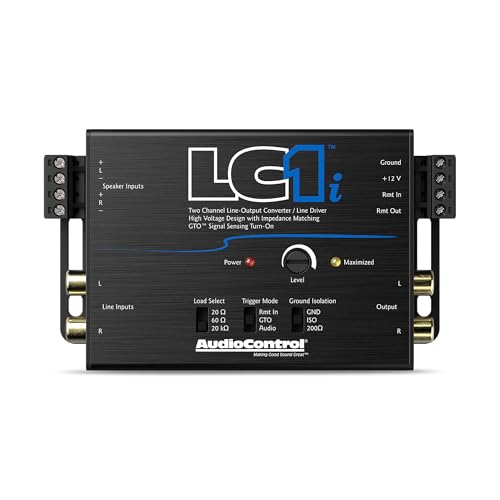
A line output converter, or LOC, is common with stock head units because many factory radios do not offer a simple low-level subwoofer output. Typical cost is $20 to $200. If the vehicle needs a cleaner signal path, the shop may add a DSP or a plug-in adapter too.
Custom enclosure, mounting hardware, and trim pieces
Custom enclosure work can raise labor to $200 to $500+ and may also add parts cost. A prefab sealed or vented box is usually cheaper than a custom stealth enclosure, and it uses less labor. Hidden installs also eat cargo space, which matters in trucks and SUVs.
Mounting hardware, brackets, trim panels, and small clips may seem minor, but they add up when the installer has to rebuild part of the cargo area. If the enclosure must fit a spare-tire well or a side cubby, the price usually climbs again.
Sound deadening and tuning
Sound deadening is optional, not a base install item. It can cost $40 to $150 and helps reduce rattles and panel buzz. Tuning is different. It involves gain setting, crossover adjustment, and a post-install check, and it can add labor time and cost after the hardware is in place.
A common first-timer mistake is assuming a louder sub means a better install. If the gain is set too high or the box is wrong for the driver, the result can be weak bass, chuffing, or a buzzy trunk even after the wiring is done correctly.
Factory radio install costs
Factory radios are where many installs get more expensive. The shop may need a LOC for basic signal conversion, a DSP for more control, or a plug-in adapter to avoid cutting factory wiring. That extra gear is why stock-head-unit jobs often quote higher than aftermarket-radio installs.
When a LOC is enough
A LOC is often enough when the factory head unit already sends a clean speaker-level signal and the install only needs subwoofer input. In that case, the installer can convert the signal without opening up the whole vehicle audio system.
When a DSP is added
A DSP is used when the vehicle’s factory audio processing is more complex, or when the system needs signal correction before the amp sees it. That can mean more setup time, more tuning, and a higher final bill than a basic LOC install.
When a plug-in adapter saves labor
A plug-in adapter can save labor when it allows direct connection without cutting into factory wiring. It is especially useful in newer vehicles where removing the factory radio or tapping the wrong wire can create problems. The part may cost more up front, but it can reduce install time.
Subwoofer install quote builder
Use this table to decode the kind of quote you are seeing. The labor hours are typical ranges, not promises, and the red-flag items are the ones that usually turn a reasonable price into a much larger one.
| Scenario | Labor hours | Typical labor range | Parts likely needed | Red-flag items that raise price |
|---|---|---|---|---|
| Powered under-seat | 1–2 | $60–$120 | Power wire, ground, signal adapter if needed, fuse | Tight seat clearance, battery far from cabin, trim removal |
| Single sub with mono amp | 2–4 | $100–$250 | Mono amp, wiring kit, fuse, RCA or speaker-level input, box | Custom box fitment, long power run, difficult grounding point |
| Factory-radio add-on | 2–4 | $140–$400 | LOC, DSP or plug-in adapter, wiring kit, fuse | Premium factory audio, signal tapping, extra tuning time |
| Truck stealth build | 4–6+ | $200–$500+ | Custom enclosure, mounting hardware, wiring, possible deadening | Hidden enclosure fabrication, trim reshaping, cargo-space limits |
| Luxury or factory premium audio | 4–6+ | $200–$500+ | DSP, plug-in adapter, LOC, tuning tools, wiring | Complex factory amp integration, airbag-safe routing, diagnostic time |
| DIY-like simple install | 1–2 | $80–$180 | Basic wiring kit, fuse, mounting parts, maybe a prefab box | Missing parts, poor ground point, weak signal routing |
Say your sedan already has an aftermarket radio, a powered sub, and easy trunk access. The quote should stay near the low end because the installer is not fighting the factory system. Change only one thing, and let the car keep its stock radio. The price rises because a signal adapter or LOC is now part of the job.
How to get an accurate quote
An accurate quote starts with exact details: vehicle year, make, model, trim, factory audio package, where the battery is located, and whether you already own the sub, amp, or enclosure. The more precise the job description, the less likely the estimate will swing after the car is opened up.
What to give the shop
- Vehicle year, make, model, and trim.
- Factory radio or aftermarket radio status.
- Whether the sub is powered or passive.
- Whether you already own the enclosure, amp, and wiring.
- Where you want the sub mounted: under seat, trunk, spare-tire well, or stealth location.
- Any rattles, dash buzz, or cargo-area trim issues already present.
What to ask for in writing
Ask for labor, parts, and tuning to be listed separately. Ask whether the quote includes a LOC, DSP, plug-in adapter, fuse holder, and mounting hardware. Ask whether sound deadening is included or priced as an add-on. Ask whether post-install tuning is part of the quote or billed later.
Red flags in vague estimates
Be cautious if a quote says only “sub install” with no part list. That can hide factory integration gear, trim work, or a higher labor bill if the installer meets a fitment problem mid-job. A written quote protects both sides before work begins.
DIY can save money, but poor wiring, poor grounding, and weak signal routing can create noise, blown fuses, or an amp that never turns on. If the job involves a factory radio or a custom box, the risk rises quickly.
Frequently asked questions
How much does it cost to put a subwoofer in your car?
Most owners will spend $250 to $1,200 all in, depending on the sub type, wiring, enclosure, and whether the car needs factory integration parts. Labor alone often runs $100 to $600, with powered units at the low end and passive systems or hidden installs at the high end.
How much does car subwoofer installation cost?
Car subwoofer installation cost usually means labor first, then parts on top. Factory-radio integration and custom enclosures can push the total much higher.
How long does it take to install a subwoofer in a car?
A simple under-seat or trunk-mounted sub may take 1–2 hours. A passive sub with a mono amp and 4-ga power run commonly takes 2–4 hours. A custom enclosure with DSP tuning and vehicle-wide integration can require 4–6 hours or more.
What parts are usually extra on a subwoofer install quote?
Common extras include the wiring kit, fuse holder, line output converter, DSP, plug-in adapter, enclosure, mounting hardware, trim clips, and sound deadening. A shop may also bill extra for tuning or difficult access if the car’s layout slows the install.
Is a powered subwoofer cheaper to install than a passive sub and amp?
Yes. A powered subwoofer is usually cheaper to install because it has a built-in amplifier and fewer wiring steps.
How do I get an accurate quote for subwoofer installation?
Give the shop the vehicle details, the factory or aftermarket radio status, and the exact parts you already own. Ask for labor, parts, and tuning in writing. If the quote does not name a LOC, DSP, plug-in adapter, or enclosure, ask what will be added before work starts.
Products related to this article
Sponsored / affiliate links. As an Amazon Associate I earn from qualifying purchases. I may earn additional commission from eligible campaigns.