Car Stereo Installation Cost
A typical car stereo installation quote may run about $100 to $300 for a basic head unit swap, about $250 to $600 when factory features need adapters or dash kits, and about $600 to $1,500+ for amp, speaker, and wiring installations. Pay less attention to a single “average” and more to what the quote includes, because hidden adapter, labor, and integration costs can turn a cheap bid into an expensive mistake. This guide breaks down price by vehicle complexity, retained features, and upgrade scope so you can judge quotes line by line.
What drives the price of a car stereo installation
Installation cost is driven by the vehicle’s year, make, model, trim, dash layout, factory audio package, amplifier, backup camera, and steering-wheel controls. Labor may be charged hourly or as a flat-rate package, and both methods can rise fast when the dash is tight, the wiring is nonstandard, or programming is needed.
Vehicle fitment and dash access
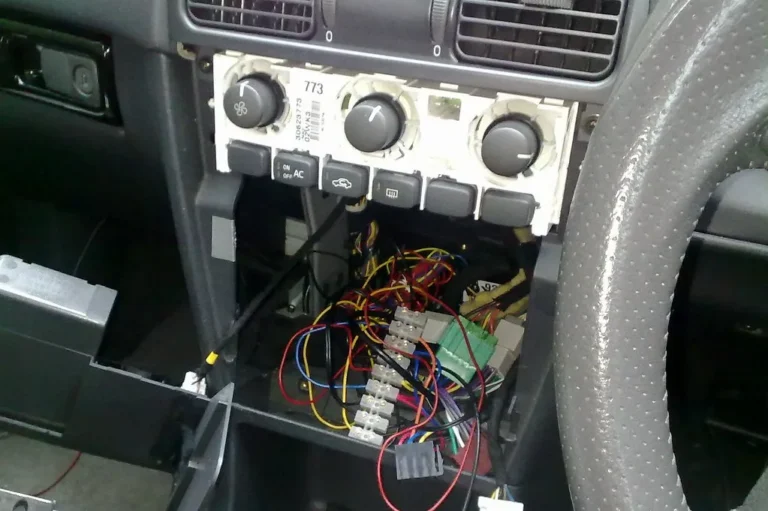
A simple dash opening is cheap. A narrow opening, a deeply recessed radio, or trim that must be removed in layers adds labor quickly. Broken clips, brittle plastic, and missing factory hardware can turn a routine swap into a longer bill.
Older cars often look straightforward until the installer finds adapter needs, loose grounds, or prior aftermarket wiring. Trucks and SUVs can be easier to access in some trims, but the opposite is common when the dash is packed with climate controls or factory modules.
Labor rates versus flat-rate quotes
The guide’s illustrative labor range is about $70 to $150 per hour, and professional labor in the examples spans about $100 to $500 depending on scope. Some shops price by the job instead of the clock. A flat rate can be fair if it clearly names removal, installation, testing, and retention of factory features.
Ask how the shop handles extra time for programming, antenna adapters, or unexpected fitment problems. A quote that looks low may only cover basic mounting and wiring, not the parts or time needed to finish the job cleanly.
Factory features that change the bill
Retained factory features can change a quote more than the radio itself. Steering-wheel controls, the factory amplifier, and the backup camera may all need data interfaces or special adapters. If those features matter to you, the installer has to keep them working instead of treating the job like a simple swap.
That is why two cars with the same radio can land in very different price brackets. A base trim with a plain dash is one thing. A loaded trim with a factory amp, camera, and integrated controls is another.
How much does car stereo installation cost?
For a basic head unit swap, a fair total often stays near the low end of the range because the parts list is short and the wiring is simple. A touchscreen upgrade with CarPlay or Android Auto, plus adapters or camera retention, usually costs more. A full audio system with speakers, amp, and subwoofer can push the total past $1,000.
Basic head unit swap
Basic Bluetooth radios are about $60 to $100, and the guide says a basic radio swap usually stays near the low end of the ranges. Labor is often the smallest part of the bill when the dash is easy and no special features need to be retained.
Picture a 10-year-old compact car with a plain single-DIN opening and no factory amp. The quote is likely to center on the radio, a vehicle wiring adapter, and basic labor. Add a premium trim package, and the same job can jump fast.
Touchscreen and carPlay or android auto installs
Touchscreen head units in the examples range from about $250 to $700, and some premium units exceed $800. These radios usually require more planning because size, depth, USB routing, and feature retention can all affect the final bill.
Suppose the vehicle has steering-wheel controls and a backup camera already in place. The installer may need a data interface, a steering-wheel-control adapter, and a camera retention solution before the dash can go back together.
Full audio system upgrades
A full audio upgrade costs more because you are paying for multiple labor jobs, not one. Speakers are listed at about $50 to $200 per pair, with about $60 to $100 labor per pair.
Once wire routing, fuse protection, signal integration, and tuning enter the job, labor rises even if the gear is modest. That is why complete projects can exceed $1,000 when equipment and upgrades are included.
Cost breakdown table
This table separates parts, labor drivers, and hidden-cost checkpoints so you can judge whether a quote is light, fair, or padded for the scope.
| Scenario | Likely parts | Labor drivers | Hidden-cost checkpoints |
|---|---|---|---|
| Basic head unit swap | Basic Bluetooth radio about $60 to $100; dash kit or wiring adapter if needed, often part of the $15 to $150 accessory range | Removal of old unit, wiring match-up, dash reassembly | Broken clips, missing antenna adapter, extra time for factory fitment, taxes, removal fees |
| Touchscreen with factory-feature retention | Touchscreen unit about $250 to $700; dash kit, wiring adapter, antenna adapter, data interface, USB extension, steering-wheel-control adapter | Dash work, interface setup, programming, camera or control retention, test cycle | Factory amplifier integration, steering-wheel controls, retained backup camera, software updates, extra trim removal |
| Full audio upgrade | Speakers about $50 to $200 per pair; amp/sub combo about $300; accessories and wiring as needed | Door panel removal, speaker brackets, wire routing, amp mounting, fuse protection, tuning | Missing mounting brackets, damaged door clips, additional power wire, sound deadening, labor for multi-step troubleshooting |
What parts may be included in the quote?
A quote may include only labor, only parts, or both. Ask for an itemized line if the estimate is not clear. Dash kits, wiring adapters, antenna adapters, data interfaces, USB extensions, and steering-wheel-control adapters often appear as separate charges or bundled accessories.
Dash kits, harnesses, and antenna adapters
These are the basics for a clean install. A dash kit fills the opening, a wiring adapter connects the new radio to the vehicle’s wiring without cutting everything apart, and an antenna adapter keeps radio reception working. The accessory range in the guide runs about $15 to $150 depending on the part.
Do not assume they are included just because the quote mentions installation. Some shops quote labor only and add parts later. Others bundle the common pieces but still charge extra for nonstandard vehicles.
Data interfaces and USB extensions
Data interfaces matter when the vehicle uses electronic modules for factory features. USB extensions matter when the new radio’s port needs to land in a usable place, not buried behind the dash. These parts are easy to overlook and often explain why one quote is higher than another.
Steering-wheel-control adapters
If your car has steering-wheel audio buttons, ask whether they will still work after installation. That usually means an adapter or data interface. Without it, the new stereo may install fine but lose one of the factory conveniences you wanted to keep.
Do you need extra parts for your car?
Many cars do, especially if they have a factory amplifier, premium sound package, camera, or steering-wheel controls. The more the factory system talks to the radio, the more likely you need extra parts. Simple radios in older cars are the easiest cases.
Older cars and simple radios
Older vehicles with straightforward dash openings usually need fewer parts. The job may only call for a radio, a wiring adapter, and a dash kit. That is where the lower-cost installation quotes usually live.
Factory amplifier and premium sound systems
Factory amps can complicate signal routing and power-on behavior. Premium sound systems often need a data interface so the new radio can communicate properly. If the quote ignores that, expect a change order later.
Trucks, SUVs, and tight dash layouts
Some trucks and SUVs are simple. Others require more trim removal, deeper reach into the dash, or extra bracket work. The best way to judge the quote is to compare it against the vehicle’s actual trim and audio package, not the body style alone.
Why does a touchscreen install cost more?
Touchscreen installs cost more because they usually involve more fitment work, more wiring, and more feature retention. Double-DIN openings may need a dash kit, and modern screens often need USB routing, microphone placement, and software setup. If the vehicle has factory features, integration time goes up again.
Double DIN fitment and dash work
Many touchscreen units are larger and deeper than basic radios. That means more dash modification, more bracket work, or a more specific kit. A clean-looking install takes time, and time is where the labor cost moves.
Programming and retained factory features
Steering-wheel controls, factory amplifiers, and camera retention may need programming or a data interface. That is one reason a quote for the same screen can vary so much from one vehicle to another. The radio may be the same; the integration work is not.
Backup camera integration
Routing the video cable, tying into reverse signal, and matching the screen input all add time. A clean camera install can be simple; a tight hatch or truck bed route can make it far less so.
What does a full audio upgrade cost?
A full audio upgrade usually costs far more than a radio swap because you are paying for multiple components and multiple install steps. Speakers, amplifiers, subwoofers, power wiring, signal routing, and tuning all add to the bill. That is why full-system quotes can pass $1,000 without looking extravagant.
Speaker replacement pricing
Door access matters. So do brackets, depth limits, and whether the installer must remove and refit trim panels that are easy to crack.
A common first-timer mistake is assuming a speaker quote covers only the speaker itself. It often does not. If the door needs adapters, foam rings, or extra labor to reach the mounting point, the total rises.
Amplifier and subwoofer installation
The price goes up when the installer must run power through the firewall, mount the amp securely, or integrate a factory head unit’s signal.
Signal routing and fuse protection
Good amp installs need clean signal routing and proper fuse protection. Those are not cosmetic details. They protect the system and prevent the kind of recurring electrical issue that makes a bargain quote expensive later.
When is a quote cheap, fair, or overpriced?
A quote is cheap when it matches a simple job with few adapters and no retained features. It is fair when it clearly includes the necessary parts, labor, and testing for your exact vehicle. It is overpriced when the scope is small but the estimate includes vague labor padding or unnecessary extras.
Simple jobs with few adapters
For a basic head unit swap on an older car, a low quote can be legitimate if the installer has the right wiring adapter and the dash is easy. If the estimate omits removal, testing, or taxes, the real price may end up higher than it looks.
Complex jobs with camera or amp retention
When the vehicle has a camera, factory amplifier, or steering-wheel controls, a higher quote may be perfectly normal. Those systems usually need more parts and more setup. A quote that looks expensive on paper may actually be the better value if it includes everything needed to keep the factory functions working.
Hidden charges to question before paying
Ask whether removal, programming, and taxes are included. Ask whether broken clips, extra adapters, and fitment problems would be billed separately. Those are the charges that turn a fair quote into an unpleasant surprise.
- Confirm your year, make, model, trim, and factory audio package.
- List the features you want to keep, including steering-wheel controls and the factory camera.
- Ask whether the quote covers labor only, parts only, or both.
- Request the exact accessories needed: dash kit, wiring adapter, antenna adapter, data interface, or control adapter.
- Verify removal, programming, testing, taxes, and any shop fee before you approve the work.
Frequently asked questions
How much does it cost for a car stereo installation?
Most basic installs land around $100 to $300 when the job is a simple head unit swap with few extras. Once adapters, dash kits, camera retention, or factory-feature integration enter the quote, the total can move into the $250 to $600 range or higher.
How much does Best Buy charge to install a car stereo?
Best Buy and similar chains can price by vehicle and by package, so there is no honest universal number to give here. Ask for the exact labor scope, required parts, and any extra charges for dash kits, wiring adapters, antenna adapters, programming, or retained factory features before comparing the estimate.
How much does car stereo installation cost near me?
Local labor rates vary by region and shop type. Independent audio shops, national chains, and dealership service departments often price the same job differently. The better comparison is the vehicle-specific scope: head unit only, touchscreen with retention, or full system with speakers, amp, and subwoofer.
How much does car audio installation cost?
Car audio installation cost depends on how many components are going in and how much factory integration is needed. A radio-only swap can stay near the low end, while a full system with speakers, amplifier, and subwoofer can exceed $1,000 once parts and labor are combined.
What parts are included in car stereo installation cost?
A quote may include a dash kit, wiring adapter, antenna adapter, data interface, USB extension, or steering-wheel-control adapter. It may also cover removal and reassembly. If the quote is vague, ask for each part separately so you can tell whether the number is truly competitive.
Why do some car stereo installs cost much more than others?
Costs rise when the vehicle has a factory amp, camera, steering-wheel controls, or a tight dash that takes longer to open and reassemble. Premium radios also cost more than basic Bluetooth units, and touchscreen or CarPlay installs often need more accessories and labor than a plain swap.
Products related to this article
Sponsored / affiliate links. As an Amazon Associate I earn from qualifying purchases. I may earn additional commission from eligible campaigns.