Car Stereo Replacement Cost: $70 to $1,300+ (2026)
Replacing a car stereo costs $70 to $150 for a basic DIY swap, and $250 to $1,300 or more for a professional installation with a premium double-DIN unit and extras. The exact price depends mainly on the stereo you choose, whether you install it yourself, and how much labor your dashboard requires. Here is exactly what drives the cost up or down.
Why Replace Your Car Stereo in the First Place?
BEST MID-RANGE APPLE CARPLAY UPGRADE
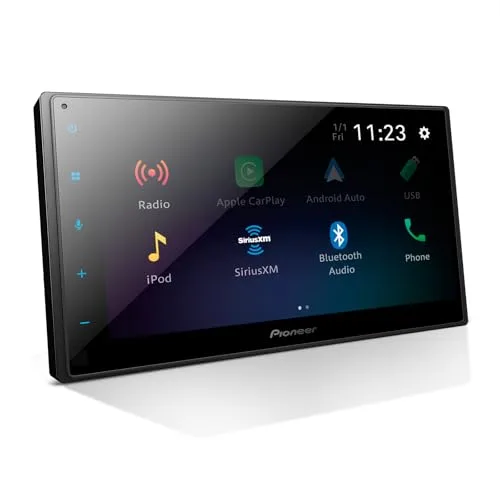 |
Pioneer DMH-1600NEX Double-DIN Car Stereo – $300.00 A double-DIN unit like this sits right in the mid-range professional-install tier covered above and adds wireless Apple CarPlay and Android Auto out of the box.
|
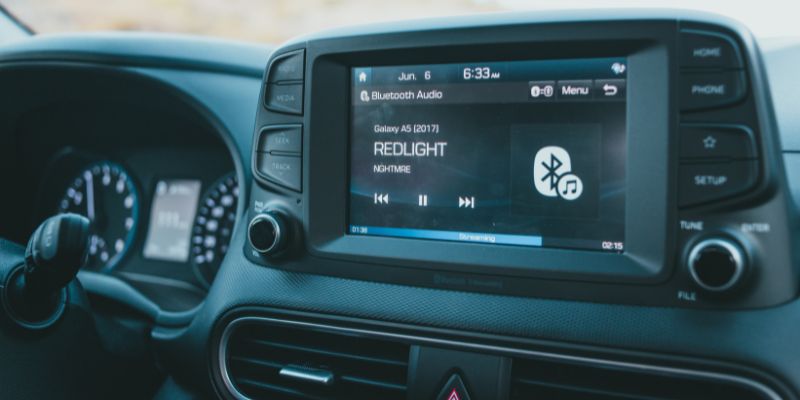
A factory stereo tends to age faster than the rest of the car. Buttons stick, the sound turns fuzzy at higher volumes, and older units often can’t connect to a phone at all. Replacing the stereo isn’t just about better sound—it makes every drive more pleasant, whether that means finally getting Bluetooth, a touchscreen, or simply a system that doesn’t crackle on the highway.
A modern head unit delivers clearer audio, hands-free calling, and smartphone integration through Apple CarPlay or Android Auto, and a well-chosen upgrade can even help a car’s resale value. Before shopping, though, it helps to know exactly what drives the car stereo replacement cost up or down.
What Factors Influence the Cost of Replacing a Car Stereo?
The price of a stereo swap is rarely just the cost of the head unit on the shelf. A handful of variables stack on top of each other, and any one of them can push the total from under $100 to well over $1,000.
The Type of Stereo You Choose
The stereo itself is the single biggest cost driver. Basic single-DIN units, the smaller rectangular ones, start around $30 and often include Bluetooth and a USB port once you get to the $50 to $100 range. Step up to a double-DIN system with a touchscreen, navigation, or premium sound, and prices climb fast—high-end models from brands like Pioneer or Kenwood commonly run $300 to $800.
Here’s a quick breakdown of stereo types and their costs:
| Stereo Type | Price Range | Features |
|---|---|---|
| Basic Single-DIN | $30–$100 | Radio, Bluetooth, USB, AUX |
| Premium Single-DIN | $100–$300 | Better sound, basic smartphone integration |
| Double-DIN | $150–$800+ | Touchscreen, Apple CarPlay, Android Auto, navigation |
Installation: DIY vs. Professional
Installation is where the total bill really splits in two directions. A confident DIYer can install a stereo for the cost of a wiring harness and a few basic tools, roughly $10 to $30, though a first attempt with no prior wiring experience commonly takes a few hours and a fair amount of trial and error. For anyone who would rather not poke around automotive electronics themselves, professional installation removes that risk entirely. Most shops charge $50 to $150 for labor depending on the car’s make and model, and luxury vehicles or older cars with unusually complex dashboards can push that closer to $200 or more.
Your Car’s Make and Model
Not all cars are equally easy to work on. Some, like the Honda Civic, need extra parts—a dash kit ($20 to $50) or a wiring adapter ($10 to $30)—just to make a new stereo physically fit. If the factory system is a premium brand like Bose or Harman Kardon, you may also need a special adapter to keep steering wheel controls working, which typically adds $50 to $150.
Newer vehicles with fully integrated infotainment systems are the toughest and often the most expensive to modify. Owners of a 2018 or newer Toyota Camry, for example, commonly need a dedicated camera-retention interface to keep the factory backup camera working after a head unit swap, which can add $100 or more to the bill. Checking the owner’s manual or asking a shop ahead of time avoids that surprise later.
Additional Components
A stereo is only one piece of the audio chain. Better sound often means new speakers ($50 to $200 per pair), an amplifier ($100 to $500), or a subwoofer ($100 to $400), and installation for these extras typically adds $50 to $200 in labor on top of the head unit itself.
Cars with a backup camera or steering wheel controls often need dedicated adapters to keep those features working after the swap. A steering wheel control adapter runs about $30 to $60 on its own, and it’s an easy line item to overlook when budgeting for the job.
Breaking Down the Total Cost
Put together, here is what a car stereo replacement typically costs across three common setups, based on 2026 market pricing for stereos, labor, and parts.
| Setup Type | Stereo Cost | Installation Cost | Additional Parts | Total Cost |
|---|---|---|---|---|
| Basic DIY | $50–$100 | $0 (DIY) | $20–$50 | $70–$150 |
| Mid-Range Professional | $150–$300 | $50–$100 | $50–$100 | $250–$500 |
| Premium Professional | $300–$800 | $100–$200 | $100–$300 | $500–$1,300+ |
These are ballpark figures, and the exact number depends on your car, the stereo, and whether you go DIY or professional. A full audio overhaul that adds premium speakers, an amplifier, and a subwoofer on top of the head unit can push the total past $2,000, so it’s still worth getting a firm quote from a local shop before committing to a build.
Apple CarPlay and Android Auto Retrofit: A Cheaper Alternative
If the only reason you’re shopping for a new stereo is to get Apple CarPlay or Android Auto, a full head unit swap isn’t always the cheapest or the best route—especially on a newer car where the factory screen also runs the climate controls or other vehicle settings. A dedicated CarPlay/Android Auto retrofit module plugs into the existing factory screen and adds wireless phone mirroring without replacing the dashboard’s look. These modules typically run $300 to $500, plus $150 to $250 for professional installation, for a total of roughly $450 to $750.
The tradeoff is functionality: a retrofit module only adds CarPlay/Android Auto to whatever screen you already have, while a full double-DIN replacement also gets you a new touchscreen, updated Bluetooth hardware, and often better built-in audio processing. On a newer vehicle where the factory screen also controls things like climate settings or drive modes, a retrofit module is usually the safer and less disruptive choice.
Should You Go DIY or Hire a Professional?
DIY car stereo installation is tempting because it’s cheaper: you need the stereo itself, a wiring harness, a dash kit, and a handful of basic tools—screwdrivers, wire strippers, and usually a panel removal tool. Budget around $20 for tools if you don’t already own them. There’s no shortage of guides and forum threads to follow, but it isn’t always smooth. Wiring that isn’t secured properly can cause the stereo to cut out over bumps, and rushing a connection can damage the car’s wiring or the stereo itself. Before pulling the old unit, it also helps to know how to remove a car radio without breaking anything around it.
Professional installation costs more, but it’s largely hassle-free. Installers have the tools and experience to get it right the first time, and they can handle tricky vehicles with integrated systems that would otherwise take a DIYer several extra hours to figure out. If a car is newer or has an unusually complex dashboard, leaning toward a shop is usually the more reliable call.
Where to Buy Your Car Stereo
Where you buy matters almost as much as what you buy. Large retailers like Best Buy, Crutchfield, and Amazon carry huge selections, and Crutchfield in particular includes a free wiring harness and dash kit with most stereo purchases, which is a genuine cost advantage over buying a bare head unit somewhere else. Amazon’s prices are competitive too, but it’s worth checking the seller’s reputation before buying to avoid counterfeit or gray-market units.
Local car audio shops are another solid option. They often carry premium brands and can install the stereo on the spot, sometimes bundling a discount on labor with the purchase. Just watch for pushy upsells on extras you don’t actually need.
Tips to Save Money on Car Stereo Replacement
A few habits consistently keep the total bill down.
- Shop Around: Compare prices online and at local shops before buying—online retailers and brick-and-mortar stores don’t always match on the same unit.
- Look for Sales: Black Friday and Cyber Monday are reliably good windows for discounts on both stereos and installation.
- Stick to What You Need: A basic Bluetooth stereo is enough if you don’t actually need a touchscreen or built-in navigation.
- Consider Used or Refurbished: A refurbished unit from a name brand like Pioneer or Kenwood can hold up for years at a fraction of new pricing.
- Learn Basic DIY: Even if you leave the full install to a shop, handling simple tasks like swapping speakers yourself can cut labor costs.
Common Mistakes to Avoid
Don’t buy a stereo without confirming it fits the car. Single-DIN and double-DIN openings are not interchangeable without a dash kit, and ordering the wrong size is one of the most common and avoidable mistakes. Always confirm compatibility with the exact make, model, and year first.
Don’t skip the wiring harness or dash kit—they make the installation dramatically easier and reduce the risk of damaging the factory wiring. If installing it yourself, double-check every connection before powering the car back on; a loose or reversed wire is a common way to blow a fuse on the first try. And don’t cheap out on the unit itself: a $20 no-name stereo tends to sound poor and fail early.
What About Upgrading the Whole Audio System?
A new stereo is often the first domino in a bigger audio upgrade. New speakers, usually $50 to $200 per pair, make a noticeable difference on their own. An amplifier ($100 to $500) adds power for louder, cleaner sound at higher volumes, and a subwoofer ($100 to $400) adds the low-end bass that a factory system typically can’t produce.
Installation for these extras isn’t cheap—plan on $50 to $200 in additional labor—but for anyone who genuinely cares about sound quality, a matched stereo, speaker, and subwoofer setup delivers a meaningfully different listening experience than the head unit alone.
Is It Worth Replacing Your Car Stereo?
For most drivers, yes. A new stereo makes every drive more pleasant, whether that’s a daily commute or a long road trip, and the cost scales with your goals. A basic $100 setup gets Bluetooth and noticeably better sound than most aging factory units. A premium system priced at $1,000 or more can rival a luxury car’s factory audio.
For most budgets, the sweet spot lands around a $200 stereo with $80 to $150 in professional installation—reliable, good-sounding, and covering the features most people actually use day to day. What matters most is deciding upfront whether sound quality, smartphone integration, or simply a working, modern head unit is the real priority.
Conclusion
Replacing a car stereo can seem daunting, but it’s one of the most cost-effective upgrades available for almost any car. Whether the budget is $70 for a DIY car stereo install or $1,300 or more for a premium system with professional installation, the money buys a genuinely better experience behind the wheel every single day. Shop smart, know exactly what your specific car needs, and don’t hesitate to get a quote if any part of the wiring or dash fit is uncertain.
Frequently Asked Questions
How long does it take to replace a car stereo?
A professional installation usually takes 1 to 2 hours. A DIY install typically takes 2 to 4 hours, especially on a first attempt, and complex cars or extra components like amplifiers can add more time.
Can I replace my car stereo myself?
Yes. DIY car stereo installation is doable with basic tools and patience, and you’ll need a wiring harness, a dash kit, and a step-by-step guide for your specific model. If you’re not comfortable working with automotive wiring, a professional installer is the safer choice to avoid damaging the car.
Will a new stereo work with my car’s steering wheel controls?
Most modern stereos support steering wheel controls, but many vehicles need a separate steering wheel control adapter, typically $20 to $100, to keep that function working. Confirm compatibility with the retailer or installer before you buy.
Do I need new speakers when replacing my stereo?
Not always. If the existing speakers are in good condition, a new stereo alone can noticeably improve sound quality. Upgrading the speakers as well, usually $50 to $200 per pair, takes the improvement further, especially in cars with worn factory speakers.
Can I install a touchscreen stereo in an older car?
Yes, though it may take extra parts. Older vehicles often have a single-DIN opening, so a double-DIN dash kit ($20 to $50) is usually required to fit a touchscreen unit, and some models also need a wiring adapter.
Is it cheaper to buy a stereo online or in-store?
Online retailers are often cheaper and sometimes include a free wiring harness with the unit. Local shops can occasionally match those prices and add the convenience of on-site installation, so it’s worth comparing both before you decide.
Products related to this article
Sponsored / affiliate links. As an Amazon Associate I earn from qualifying purchases. I may earn additional commission from eligible campaigns.