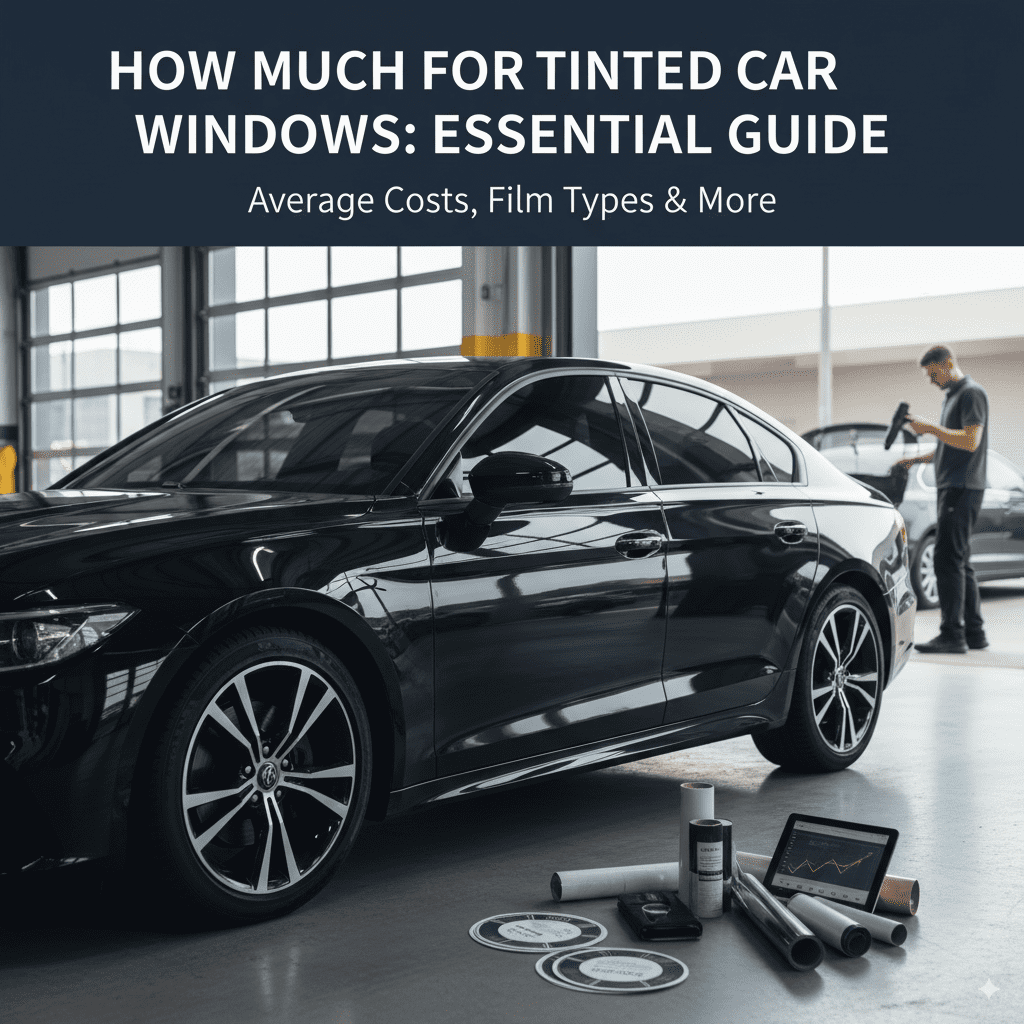
How Much For Tinted Car Windows: Essential Guide
Tinted car windows can cost anywhere from $100 to $800 or more, depending on your car’s make and model, the type of tint film used, and where you get them done. This guide breaks down all the factors to help you budget wisely.
Driving with tinted windows can make your car look sleek, keep it cooler inside, and even protect your privacy. But if you’re wondering about the cost, you’re not alone! Many car owners see those dark windows and think, “That must be expensive!” It’s a common question, and understanding the price helps you make smart choices for your car and your wallet.
Worrying about car expenses is normal, and wondering about tint prices is part of that. But don’t let the numbers scare you. This guide is here to make it super simple. We’ll walk through everything that goes into the price of window tinting, from the materials used to the skills of the installer. By the end, you’ll feel confident knowing exactly what to expect and how to get the best value for your money.
Let’s break down the costs so you can get those stylish, comfortable tinted windows without any surprises!
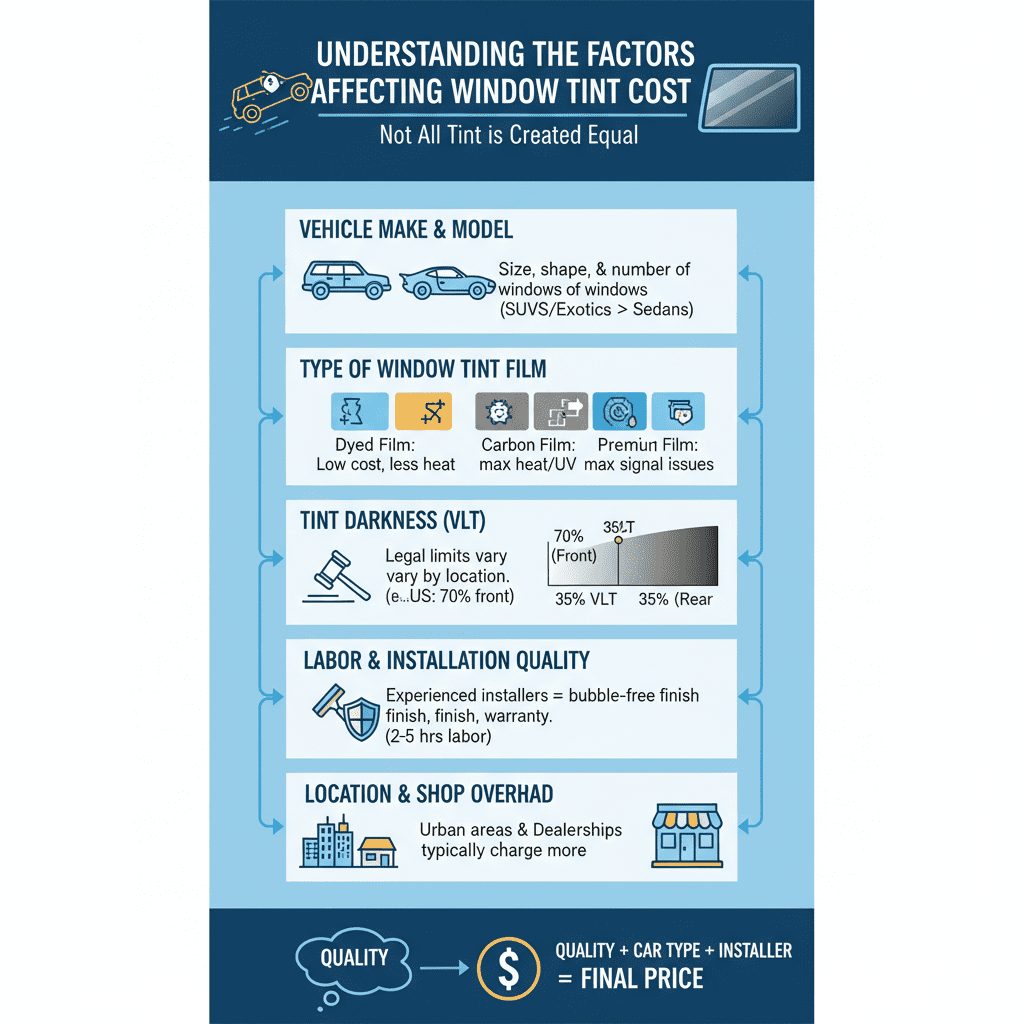
Understanding the Factors Affecting Window Tint Cost
The price you’ll pay for tinted car windows isn’t just a random number. Several key things play a big role. Think of it like buying clothes – a basic t-shirt costs less than a custom-tailored suit. The same idea applies to car tinting.
Here are the main ingredients that go into the final price tag:
1. Your Vehicle Make and Model
This is a big one! The size and shape of your car’s windows matter a lot.
Larger Vehicles: SUVs, trucks, and vans have more glass surface area, meaning more film is needed. This naturally increases the cost.
Exotic or Classic Cars: These vehicles often have unique window shapes and might require special care or film. Installers might charge more due to the higher risk or specialized work involved.
Number of Windows: Most people think about the two front passenger doors and the back windshield. But don’t forget the rear passenger doors, and sometimes even small quarter windows can be included. More windows, more labor, higher cost.
2. Type of Window Tint Film
This is where the technology and quality really influence the price. Not all tint is created equal! There are several types, each offering different benefits and price points.
Dyed Film: This is usually the most affordable option. The dye is applied to the adhesive layer of the film. It’s great for reducing glare but offers less heat rejection and can fade or turn purplish over time.
Pros: Low cost, good for glare reduction.
Cons: Can fade, doesn’t block much heat, less durable.
Carbon Film: A popular mid-range choice. It uses carbon particles to provide excellent heat rejection and maintains its color over time. It won’t cause interference with electronics.
Pros: Good heat rejection, no signal interference, durable color.
Cons: Moderately priced.
Ceramic Tint: This is the premium option. It uses tiny ceramic particles that block significant amounts of heat and UV rays without darkening the windows excessively or interfering with electronics. It’s also very durable.
Pros: Excellent heat rejection, blocks UV rays, no signal interference, very durable, excellent clarity.
Cons: Highest cost.
Metallic Film: This type has a thin layer of metal in it. It reflects heat well and is quite durable. However, the metal can sometimes cause a slight shimmer or interference with GPS and radio signals.
Pros: Good heat reflection, durable.
Cons: Can cause signal interference, may have a slight metallic sheen.
Carbon Ceramic (Hybrid): This is often the top-tier choice, combining the benefits of carbon and ceramic for superior heat rejection, durability, and signal clarity, but at the highest price.
A reputable installer will explain these differences and help you choose the best film for your needs and budget.
3. Tint Darkness (Visible Light Transmission – VLT)
In many places, there are legal limits on how dark your window tint can be. This is measured by Visible Light Transmission (VLT), which is the percentage of light that can pass through the tint.
Legal Limits: Laws vary significantly by state or country. For example, many US states allow 70% VLT for front side windows and 50% or 35% for rear windows. Windshields often have even stricter limits or prohibitions. You can find information about your local laws on government websites, such as those for your Department of Motor Vehicles.
Impact on Cost: While VLT itself doesn’t always directly change the price of the film, choosing a film that meets specific legal requirements might influence availability. However, the film’s quality and material (dyed, ceramic, etc.) are bigger cost drivers than the VLT percentage itself.
4. Labor and Installation Quality
This is where skilled hands make all the difference. Professional installation is crucial for a clean, long-lasting finish.
Experience Matters: A master installer has spent years perfecting their craft. They know how to cut the film precisely, apply it without bubbles or dust, and handle curved or complex windows.
Shop Reputation: Reputable shops often charge more because they use high-quality materials, offer warranties, and have a proven track record. Cheaper options might mean less experienced installers or lower-quality film.
Time Involved: Tinting a full car can take anywhere from 2 to 5 hours, depending on the vehicle and installer’s efficiency. This labor time is a significant part of the cost.
5. Location and Shop Overhead
Where you get your car tinted matters.
Urban vs. Rural: Shops in major cities with higher overhead costs (rent, utilities, etc.) might charge more than those in smaller towns.
Dealership vs. Independent Shop: Dealerships often add a premium to services. Independent, specialized tint shops may offer more competitive pricing and expertise.
Average Cost Breakdown: How Much You Can Expect to Pay
To give you a clearer picture, let’s look at average price ranges. These are estimates and can vary widely.
Typical Price Ranges by Tint Type
Here’s a general idea of what you might expect to spend. Remember, these are for a standard sedan or coupe. Larger vehicles will likely be at the higher end or even exceed these ranges.
| Tint Type | Average Cost (Sedan/Coupe) | Key Benefits |
|---|---|---|
| Dyed Film | $100 – $250 | Most affordable, reduces glare, enhances appearance |
| Metallic Film | $200 – $400 | Strong heat reflection, durable, enhances privacy |
| Carbon Film | $250 – $500 | Excellent heat rejection, minimal fading, no signal interference |
| Ceramic Tint | $400 – $800+ | Superior heat/UV rejection, long-lasting, high clarity |
| Hybrid / High-End | $600 – $1000+ | Maximum performance, premium durability, best optical clarity |
Note: These prices typically include tinting all side and rear windows.
Cost Considerations for Different Vehicles
Compact Cars & Sedans: Generally the lowest cost as they have less glass. Expect prices at the lower end of the ranges above.
SUVs & Vans: Will be on the higher end due to more window surface. Budget an additional $100-$300 or more compared to sedans.
Trucks (Crew Cab): Similar to sedans for the passenger area, but if you’re tinting the entire cab, the cost will be similar to a sedan.
Convertibles: Can be tricky. The rear window is often plastic and may require special techniques or film. This could add to the cost.
Luxury & Exotic Cars: These often have more complex window shapes and more intricate trim that needs careful removal and reinstallation. Expect higher labor costs, and potentially specialized film needs.
DIY vs. Professional Installation
You might see cheap DIY tint kits online. While tempting, it’s important to understand the trade-offs.
DIY Tint Kits:
Cost: $30 – $100 for a basic kit.
Pros: Very cheap, can be a learning experience.
Cons: High risk of bubbles, streaks, and mistakes that can damage your windows or look unprofessional. Might not last long. Requires specialized tools and patience.
Professional Installation:
Cost: As detailed above, $100 – $800+.
Pros: Expert application, durable results, often comes with a warranty. Saves you time and frustration. Looks much better.
Cons: Higher upfront cost.
For most car owners, especially beginners, opting for professional installation offers much better value and a guaranteed professional look.
The Tinting Process: What to Expect
Understanding the steps involved can help you appreciate the labor cost and ensure you’re getting a quality job. A good shop will follow a meticulous process.
Steps for Professional Window Tinting
1. Consultation and Selection: You’ll discuss your needs, budget, and local tint laws. The installer will recommend film types and VLT percentages.
2. Preparation: The installer will meticulously clean your windows, both inside and out. They may remove door panels or trim pieces for a cleaner edge and to prevent damage.
3. Film Cutting: The tint film is usually cut to match the exact shape of your windows. This can be done using a computer-aided plotter for precision or by hand with a template.
4. Application: The film is applied to the inside of the glass. Water or a special soap solution is sprayed to allow the film to be positioned correctly and to help squeegee out excess water and air bubbles. This is a critical step requiring skill to avoid imperfections.
5. Shrinking and Finishing: For curved windows, the film needs to be “shrunk” using a heat gun to conform to the glass’s shape without wrinkling. Excess film is then trimmed with a razor blade.
6. Drying and Curing: The windows need time to dry fully. It can take several days to a week for the tint to fully cure, during which you should avoid rolling down windows or using harsh cleaners.
7. Inspection: A final inspection ensures no dust, bubbles, or imperfections are visible.
Tools Used by Professionals
You’ll see installers using specialized tools to achieve that smooth, bubble-free finish:
Detailing Sprayer: For water and application solution.
Traction Squeegees (various sizes and hardnesses): To push out water and air.
Microfiber Towels: For cleaning and wiping.
Heat Gun/Torch: To shrink and shape the film.
Cutting Tools (razors, specialized blades): For precise trimming of the film.
Installation Knives: For trimming film on edges.
Applicator Cards: For smoothing film.
Bubble Scrapers: For removing stubborn trapped air.
Benefits of Tinted Car Windows
Why do people go through the expense and process of tinting? It’s not just about looks!
Heat Reduction: Tint film blocks a significant amount of solar heat, keeping your car cooler in the summer. This reduces your reliance on the air conditioner, saving fuel. According to the U.S. Department of Energy, window films can reduce solar heat gain by up to 50%.
UV Ray Protection: Most quality tint films block up to 99% of harmful ultraviolet (UV) rays. This protects your skin from sun exposure while driving and prevents your car’s interior (dashboard, upholstery) from fading and cracking.
Glare Reduction: Tint helps reduce glare from the sun and headlights, making driving safer and more comfortable, especially during bright days or at night.
Privacy and Security: Tinted windows make it harder for people to see inside your car, deterring theft and protecting your belongings.
Aesthetics: Many people simply love the sleek, customized look that tinted windows give their vehicle.
Shatter Resistance: Some tint films add a layer of protection that can help hold glass together if it shatters in an accident, providing a small safety benefit.
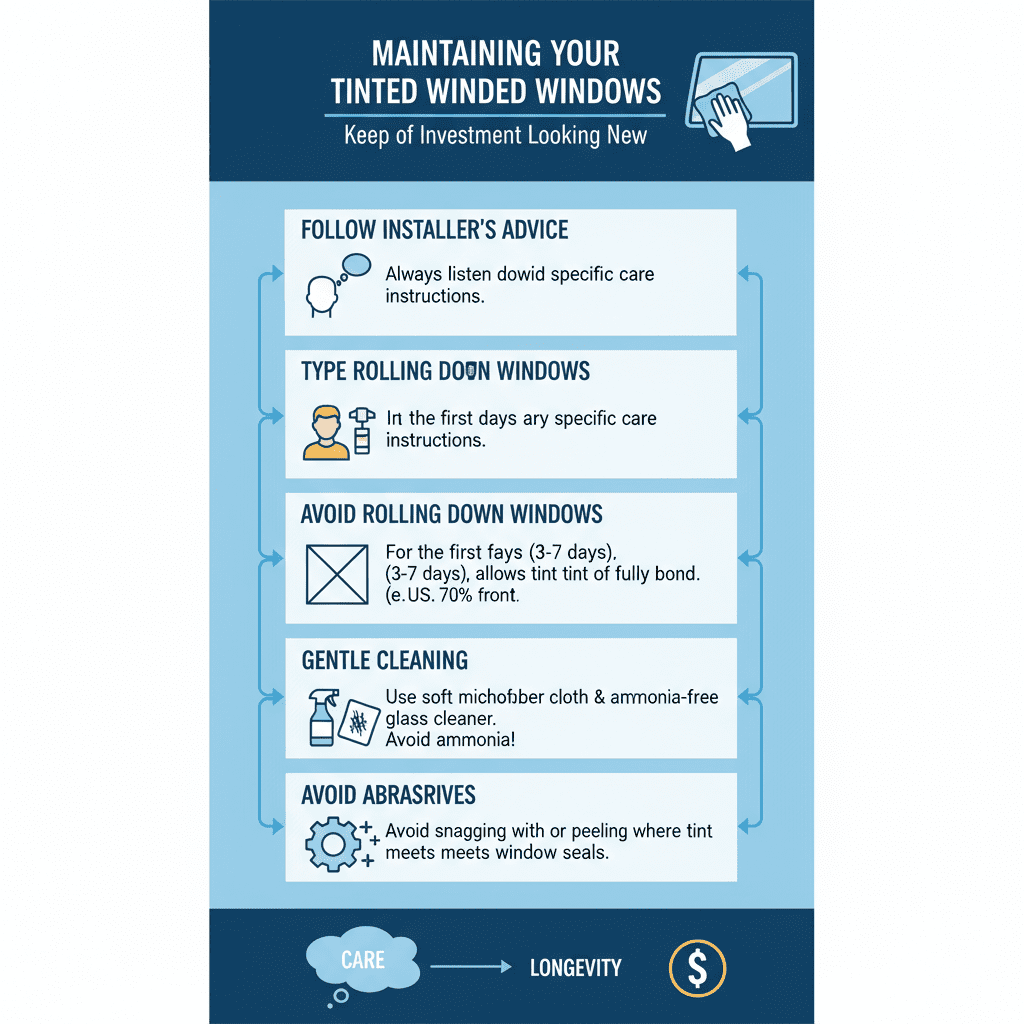
Maintaining Your Tinted Windows
Once you’ve invested in tinted windows, taking care of them will ensure they look great for years to come.
Follow Installer’s Advice: Always listen to your installer’s specific care instructions.
Avoid Rolling Down Windows: For the first few days (or as recommended by your installer, typically 3-7 days), don’t roll down your tinted windows. This allows the tint to fully bond and cure.
Gentle Cleaning: Use a soft microfiber cloth and an ammonia-free glass cleaner. Ammonia can damage the tint adhesive.
Avoid Abrasives: Never use abrasive pads, scrapers (other than the installer’s specialized ones), or harsh chemicals.
Be Careful with Edges: Pay attention to the edges of the tint where they meet the window seals. Avoid snagging or peeling them.
FAQ: Your Window Tinting Questions Answered
Here are answers to some common questions beginners have about tinted car windows.
Q1: How long does car window tinting last?
A1: High-quality window tint, especially ceramic or carbon films, can last 10 years or even longer, provided it’s installed professionally and well-maintained. Cheaper dyed films might start to fade or bubble within 2-5 years.
Q2: Will window tint damage my car’s windows?
A2: When installed by a professional, window tint should not damage your car’s windows. However, DIY installations or removal by inexperienced individuals could potentially scratch or chip the glass.
Q3: Can I tint my windshield?
A3: In most places, tinting the entire windshield is illegal to ensure drivers have clear visibility. However, many states allow a small strip of tint at the very top of the windshield to help with sun glare. Always check your local laws.
Q4: What does VLT mean?
A4: VLT stands for Visible Light Transmission. It’s a percentage that indicates how much light can pass through a window. A lower VLT percentage means the window is darker (less light passes through), and a higher VLT means it’s lighter (more light passes through).
Q5: Is there a warranty on car window tint?
A5: Reputable tint shops and film manufacturers usually offer a warranty against defects like peeling, bubbling, cracking, or delamination. These warranties can range from a few years to a lifetime guarantee. Always ask about the warranty before purchasing.
Q6: How much does it cost to remove old window tint?
A6: Removing old tint can be a challenging process and typically costs between $50 and $150, depending on the type of film and how long it’s been on the car. Damaged or old tint can be very difficult to remove cleanly.
Q7: Can I tint my car windows myself?
A7: Yes, you can buy DIY tint kits. However, achieving a professional, bubble-free finish can be very difficult, especially on curved windows. Most people find it challenging and often end up with an imperfect result, making professional installation more cost-effective for a good outcome.
Conclusion
Deciding how much to spend on tinted car windows is a balance between your budget, the benefits you want, and your car’s needs. You’ve learned that the cost can range significantly, typically from $100 for basic dyed film on a small car to $800 or more for high-performance ceramic tint on a larger vehicle or luxury car.
Factors like the type of film (dyed, carbon, ceramic), your vehicle’s size, and the installer’s expertise all play a crucial role in the final price. While DIY kits might seem cheaper, the investment in professional installation usually pays off with a flawless look, better performance, and a warranty that gives you peace of mind.
By understanding these elements, you’re now well-equipped to make an informed decision. Whether you’re looking to beat the heat, protect your interior, enhance your car’s style, or improve driving comfort, tinted windows are a fantastic upgrade. Choose a reputable installer, select the right film for your priorities, and enjoy the many benefits your newly tinted windows will bring!