How Often To Refill Freon In A Car? Real Answer Inside
Your car’s air conditioning system should not need regular Freon refills. If it’s losing refrigerant, it means there’s likely a leak that needs fixing first. Constant refilling is a temporary fix and can hide a bigger problem.
Understanding Car Air Conditioning and Freon
Your car’s air conditioner is a closed system. Think of it like a refrigerator. It uses a special fluid.
This fluid is called refrigerant. In most cars made after 1994, this is R134a. Older cars might use R12.
This refrigerant changes from a liquid to a gas. Then it changes back. This cycle cools the air inside your car.
It’s a clever bit of engineering.
Freon is a brand name. It was popular for older refrigerants. People still use the word “Freon” for any car AC refrigerant.
The system itself is sealed. This means the refrigerant should stay inside. It doesn’t get used up like gasoline.
It’s not a fluid that needs regular topping off. This is a key point to remember. If your AC is blowing warm air, it’s usually not just empty.
The process involves a few main parts. There’s a compressor. It pumps the refrigerant.
There’s a condenser. It cools the hot gas into a liquid. There’s an expansion valve.
It lowers the pressure. Then there’s an evaporator. This part cools the air that blows into your car.
All these parts work together. They keep the refrigerant moving and changing state. This continuous loop is what makes the cold air.
So, the idea of refilling Freon is a bit of a myth for a healthy system. A healthy AC system will hold its refrigerant charge for years, even decades. If you need to add refrigerant, something else is going on.
It’s like adding water to a leaky bucket. You can keep pouring water in, but it won’t solve the hole. The same applies to your car’s AC.

My Own “Empty AC” Scare
I remember a scorching July afternoon a few years back. My old pickup truck’s AC was blowing nothing but hot air. Panic set in.
I was on a road trip, and the sun was beating down. I immediately thought, “The Freon must be gone!” My dad had always told me to just “top it off” if it got weak. So, I pulled into an auto parts store.
I bought one of those DIY recharge kits. It promised to fix weak AC in minutes. It felt easy.
I followed the instructions on the can. I hooked up the gauge and added the refrigerant. For about two days, the air was cold again.
I felt proud, like I’d solved a big problem. Then, slowly, the air started to get warm again. This happened over and over.
Each time, I’d buy another can. I was spending good money. And the AC only worked for a short while.
This went on for a whole summer. It was frustrating. I finally took it to a mechanic.
He found a small leak in one of the AC lines. He fixed the leak and recharged the system properly. He explained that constantly adding refrigerant without fixing the leak was a waste of money.
It also could damage the system. That experience taught me a lot. It showed me that a DIY refill is rarely the real answer.
It made me realize how important it is to understand what’s really going on.
Signs Your Car AC Might Have a Leak
Listen: You might hear hissing sounds when the engine is on. This can be refrigerant escaping.
Look: Check for oily residue around AC components. Refrigerant oil often escapes with the gas. This oil can leave a greasy spot.
Feel: The AC might start weak and get progressively warmer. It doesn’t just stop working all at once.
Smell: Sometimes, a refrigerant leak can have a slightly sweet or chemical odor.
Why Your AC Loses Refrigerant
The main reason your car AC needs refrigerant is a leak. AC systems have many connections and seals. These seals can age over time.
Rubber hoses can become brittle. Metal parts can corrode. Even a tiny crack or worn-out seal can let refrigerant escape.
It doesn’t happen all at once. It’s usually a slow process.
Think about the small amount of refrigerant. It’s only a few pounds. Even a small leak can let a noticeable amount escape over weeks or months.
This is why the cooling gets weaker gradually. It’s not like a burst pipe. It’s more like a slow drip.
Other parts can fail too. The compressor seal can leak. The O-rings on fittings can degrade.
The condenser can develop pinhole leaks from road debris. The evaporator core, located inside your dashboard, can also corrode and leak. These are all common points of failure in older vehicles.
The DIY recharge kits often use a gauge that tells you if the pressure is “low.” But low pressure just means you’re low on refrigerant. It doesn’t tell you why. Adding more refrigerant might bring the pressure up temporarily.
But if the leak is still there, it will just escape again. It’s like putting a bandage on a deep cut.
Sometimes, people add too much refrigerant. This can also cause problems. Overcharging the system can damage the compressor.
It can make the AC run less efficiently. This is another reason why just adding more is not always the best approach. It requires a bit more knowledge.
DIY vs. Professional AC Service
Many people try to fix their AC themselves. This is often to save money. DIY recharge kits are readily available.
They seem like an easy solution. You can find them at auto parts stores. They come with hoses and gauges.
However, these kits have limitations. The gauges are often not very accurate. It’s hard to know exactly how much refrigerant to add.
Overcharging is a real risk. If you overcharge, you can damage expensive components like the compressor. This could cost you more in the long run.
Also, these kits don’t tell you if there’s a leak. They just add more refrigerant. This refrigerant can escape again.
You might end up buying many cans. This adds up. It’s a cycle of temporary fixes.
It doesn’t address the root cause.
Professional AC service is different. A mechanic has specialized tools. They can perform a full vacuum test.
This removes moisture. It also checks for leaks. They use machines that can recover old refrigerant.
Then they can recharge the system with the exact amount needed. They can also check for leaks with a special dye or electronic detector.
Fixing a leak is crucial. A mechanic can find the source of the problem. They can replace faulty seals, hoses, or components.
This is a more permanent solution. It ensures your AC system works correctly. It also prevents further damage.
Quick AC Check: What to Look For
Visual Inspection: Look under the hood at the AC components. Are there any obvious signs of damage or oily residue? Check the compressor clutch.
Does it engage when the AC is on?
Listen Closely: Turn on the engine and the AC. Listen for any unusual noises. Hissing or clicking sounds can indicate a problem.
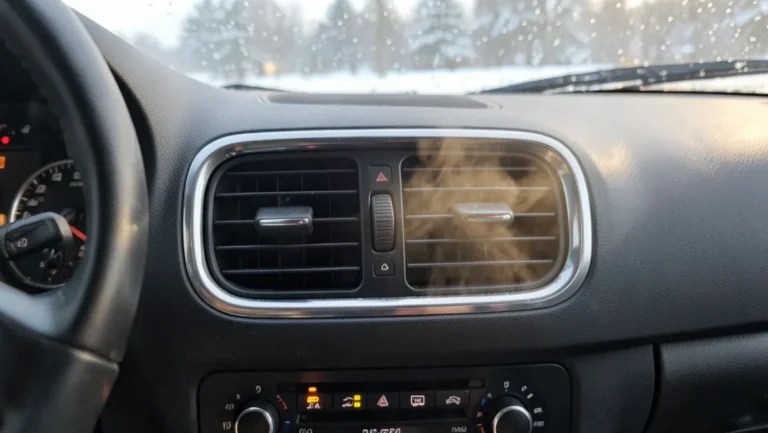
Feel the Air: Does the air coming from the vents feel cool, or just like outside air? Is it consistently cool, or does it fluctuate?
Check for Ice: If you see ice forming on AC lines or components, it might indicate a pressure issue.
How Often Does Freon Really Need Refilling?
Let’s be very clear. If your car’s air conditioning system is working correctly, it never needs Freon refilling. It’s not like engine oil or windshield washer fluid.
Those are consumables. Refrigerant is not. It circulates within a sealed system.
The only time refrigerant needs to be added is when there has been a loss. And loss means there’s a leak. So, the question isn’t “how often” to refill.
It’s “why” is it low, and “how do we fix that?”
Think of it this way: if you have a perfectly sealed water bottle, you don’t need to refill it. If you have to keep refilling it, there’s a crack or a loose lid. That’s the same for your car’s AC.
A properly functioning AC system, in a car from the 1990s or newer, should hold its charge for the life of the vehicle. Some might last 10, 15, or even 20 years without needing a recharge.
When you buy a DIY kit, it often comes with a certain amount of refrigerant. These cans are typically 12 oz or 14 oz. A car AC system might hold anywhere from 1.5 to 4 pounds (24 to 64 oz) of refrigerant.
So, one can is often not enough to fully recharge a system. Even if it were needed, it’s still just a temporary patch if there’s a leak.
The Environmental Protection Agency (EPA) has regulations about handling refrigerants. This is because they can be harmful to the environment if released. This is another reason why just venting them into the air is a bad idea.
Professionals are trained to handle them safely and legally. They recover and recycle old refrigerant.
Common Misconceptions About Car AC
There are many myths about car air conditioning. One of the biggest is that AC systems need to be “topped off” every year or two. This is simply not true for a healthy system.
If you hear this advice, be skeptical. It likely comes from someone who isn’t up-to-date on AC technology.
Another misconception is that the refrigerant gets “used up.” Refrigerant is not consumed. It changes state. It cycles through the system.
It doesn’t burn or evaporate away like fuel. It’s a closed loop. The total amount of refrigerant in the system remains constant unless there is a leak or it’s intentionally released.
Some people think that if the AC is still blowing some cool air, it’s okay. They believe it will just get colder again after a refill. While adding refrigerant might temporarily increase the cooling, it doesn’t fix the underlying issue.
Eventually, the refrigerant will leak out again. The performance will drop. You’ll be back to square one, possibly with more damage.
The idea that DIY kits are just as good as professional service is also a myth. While they can be a quick fix for a very minor loss (which itself is suspect), they lack the precision and diagnostic capabilities of professional equipment. You’re essentially guessing at a critical pressure and fill level.
Finally, many people don’t realize the environmental impact. Refrigerants can contribute to ozone depletion and global warming. This is why professionals are trained in proper handling and recovery.
Venting refrigerant into the atmosphere is illegal and harmful.
DIY Recharge Kit vs. Professional Service
| Feature | DIY Recharge Kit | Professional Service |
|---|---|---|
| Cost | Lower upfront cost ($20-$50 per can) | Higher upfront cost ($100-$300+ depending on repair) |
| Accuracy | Low. Gauges are often imprecise. Risk of over/undercharging. | High. Precise machines measure exact refrigerant charge. |
| Leak Detection | None. Cannot identify leak source. | Advanced tools (dye, sniffers) to find leaks. |
| Repair | No actual repair. Just adds refrigerant. | Can replace faulty parts, seals, hoses. Fixes the leak. |
| Longevity | Temporary fix. Refrigerant will leak out again. | Long-term solution. Fixes the problem permanently. |
| Environmental Impact | Risk of venting refrigerant. Less controlled. | Refrigerant recovered and recycled. Legal and safe. |
When to Seek Professional Help for Your Car AC
You should always seek professional help if your car’s AC is not cooling properly. This is especially true if you suspect a refrigerant leak. Here are some clear signs it’s time to call a mechanic:
1. Weak or Inconsistent Cooling: If the air coming from your vents isn’t as cold as it used to be, or if it fluctuates between cold and warm, it’s a strong indicator of low refrigerant. This almost always means there’s a leak.
2. Hissing or Unusual Noises: If you hear hissing sounds when the engine is running, or when the AC is on, it could be refrigerant escaping. Strange noises from the AC compressor might also point to internal issues caused by low refrigerant.
3. Visible Leaks or Oily Residue: As mentioned before, look for greasy, oily spots around AC components, lines, or connections. This is often a sign that refrigerant oil, which circulates with the refrigerant, is leaking out.
4. AC Stops Working Suddenly: While leaks are often slow, sometimes a component failure can cause a sudden loss of cooling. This requires professional diagnosis.
5. DIY Kits Don’t Work or Only Work Briefly: If you’ve tried a DIY recharge kit and the cooling only returned for a short time, or not at all, it’s time to get a professional opinion. It means the problem is likely more significant than just a low charge.
A professional mechanic has the right training and tools. They can accurately diagnose the problem. They can find leaks using UV dye, electronic leak detectors, or nitrogen pressure tests.
They can then repair the specific component that is leaking. This might be a hose, a seal, or even the compressor.
After the leak is fixed, they will properly evacuate the system. This removes air and moisture. Then, they will recharge it with the exact, manufacturer-specified amount of refrigerant.
This ensures optimal performance and longevity for your AC system. It’s the only way to get a lasting solution.
The cost of professional repair might seem higher initially. However, it saves you money in the long run. You avoid buying multiple cans of refrigerant.
You prevent further damage to your AC system. And you get reliable, cold air back. This is especially important in hot climates.
What Does This Mean For Your Car?
For your car, this means understanding your AC system is more than just a convenience. It’s a complex piece of equipment. It relies on a sealed environment for refrigerant.
If that seal is broken, the system won’t work right. Ignoring a slow leak can lead to bigger problems.
Low refrigerant can cause the compressor to run hotter. It can lead to premature wear. If the system runs with very little or no refrigerant, the compressor could seize up.
This is a very expensive repair. Replacing a compressor can cost hundreds of dollars.
Think about the efficiency of your car. A poorly functioning AC system can also make your engine work harder. This might slightly impact your fuel economy.
Keeping your AC in good shape is good for the car’s overall health.
In hotter climates, a working AC is essential for comfort and safety. It helps prevent heat exhaustion. It makes long drives much more bearable.
So, addressing AC issues promptly is important for more than just comfort. It’s about the usability of your vehicle.
When you notice a change in your AC performance, don’t just grab the nearest can of refrigerant. Take a moment to consider the implications. Is this a sign of a leak?
Is it time to get it checked out by a pro? Making an informed decision will save you time, money, and frustration.
Quick Tips for AC Maintenance
While you can’t refill Freon regularly, there are things you can do to help your AC system. These are more about general upkeep and preventing issues.
1. Run Your AC Regularly: Even in cooler months, run your AC for about 10-15 minutes once a month. This helps keep the seals lubricated.
It circulates refrigerant and oil. This can prevent seals from drying out and cracking.
2. Keep it Clean: Ensure the condenser unit (usually located in front of your radiator) is free of debris. Leaves, bugs, and dirt can block airflow.
This makes the system less efficient. You can gently rinse it with a hose.
3. Listen for Changes: Pay attention to any new sounds or smells coming from your AC. Early detection of issues is key.
4. Don’t Ignore Weak Cooling: If you notice a slight decrease in cooling power, don’t wait until it’s blowing warm air. Get it checked.
A small leak is easier and cheaper to fix than a major component failure.
5. Proper Parking: Whenever possible, park your car in the shade. This reduces the initial load on your AC system when you start it up.
It means less work for the system.
These are simple habits. They can contribute to the longevity of your car’s AC system. They don’t involve adding refrigerant, but they do involve caring for the system as a whole.

Frequently Asked Questions About Car Freon
Can I just add Freon to my car AC myself?
While you can buy DIY recharge kits, it’s generally not recommended for a long-term solution. If your AC needs refrigerant, it indicates a leak. Adding refrigerant without fixing the leak is a temporary measure and can potentially cause further damage or be an inefficient fix.
Professional diagnosis and repair are usually best.
How much does it cost to refill Freon in a car?
Refilling Freon isn’t the correct term. If your AC needs refrigerant, it’s due to a leak. The cost depends on the diagnosis and repair.
A simple recharge by a professional might cost between $100 and $200. However, if parts need replacing (like a hose, seal, or compressor), the cost can range from $200 to over $1000.
How long does a Freon refill last?
A “refill” should ideally last forever if the system is sealed. If you’ve added refrigerant and it only lasts a few weeks or months, there’s a significant leak. The lifespan of a recharge depends entirely on the size and location of the leak.
A properly repaired system will hold its charge for many years.
What are the symptoms of low Freon in a car?
Symptoms of low Freon (refrigerant) include weak or inconsistent cooling from the AC vents, longer than usual times for the cabin to cool down, and sometimes hissing sounds from the AC system. The air might start cool but then turn warm.
Can I buy Freon at Walmart or AutoZone?
Yes, you can buy DIY AC recharge kits containing R134a refrigerant at most auto parts stores like AutoZone, Advance Auto Parts, and also at general retailers like Walmart. These kits typically include a can of refrigerant and a hose with a pressure gauge.
Is it illegal to put Freon in my car myself?
It is not illegal to purchase and use DIY refrigerant recharge kits for your car in the U.S. However, it is illegal to intentionally vent refrigerant into the atmosphere. Professionals are required to recover and recycle refrigerants due to environmental regulations.
Using a DIY kit without addressing a leak means the refrigerant will eventually escape.
What kind of Freon does my car use?
Most cars made after 1994 use R134a refrigerant. Older cars (before 1994) typically use R12, which is now phased out and harder to obtain. You can usually find the type of refrigerant your car uses listed on a sticker under the hood, often near the AC components, or in your owner’s manual.
The Takeaway on Car AC Refrigerant
The main thing to remember is that your car’s air conditioning system is designed to be sealed. It doesn’t consume refrigerant. If your AC is blowing warm air, it’s almost always a sign of a leak.
Constantly refilling the refrigerant without fixing the leak is a costly and ineffective approach. It’s best to have a qualified mechanic diagnose and repair the underlying issue. This ensures your AC system works correctly and lasts longer.
Products related to this article
Sponsored / affiliate links. As an Amazon Associate I earn from qualifying purchases. I may earn additional commission from eligible campaigns.