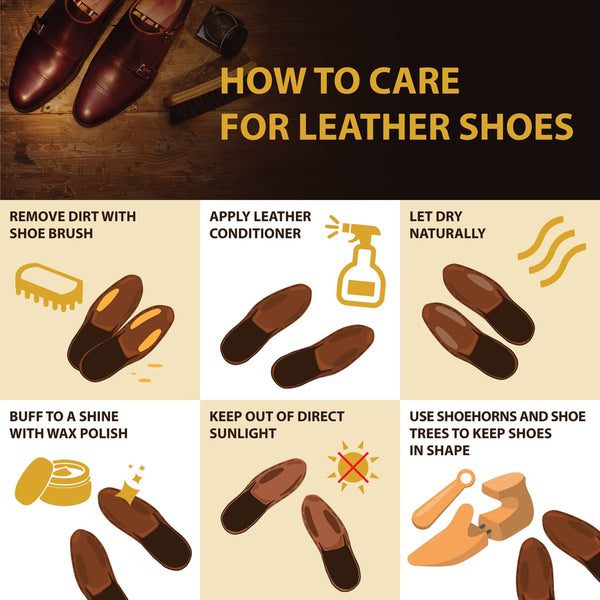
How to Care for Leather: Expert Tips & Tricks
To care for leather, clean it regularly and condition it to maintain its quality. Proper storage also helps in preserving its look and feel.
Leather is a timeless material. It adds elegance and durability to various items. From jackets to furniture, leather needs the right care to stay in top condition. Neglect can lead to cracks, stains, and wear. Regular maintenance is key. This includes cleaning, conditioning, and proper storage.
Each step plays a vital role in extending the life of your leather items. Ready to learn more? This guide will walk you through the essential steps to keep your leather looking great. Let’s dive in.
Credit: cococohome.com
Choosing Quality Leather
Recognizing genuine leather can be tricky. It should feel soft but firm. Real leather often has a unique smell. It smells earthy, not like chemicals. Look for natural markings or grain patterns. These are a sign of authenticity. Fake leather often looks too perfect. It might feel plastic-like. Genuine leather absorbs water. A small drop will darken it. Fake leather will repel water.
Leather comes in different types. Full-grain leather is the best. It is the most durable. Top-grain leather is also good. It is smoother but less durable. Bonded leather is the weakest. It is made from scraps. Always choose the best type for your needs.
Basic Cleaning Techniques
Use a soft, dry cloth to gently wipe away dust. This keeps your leather looking fresh. Always wipe in gentle circles. Never rub too hard. It can harm the leather.
A soft brush can help with tough spots. Brush softly to avoid scratches. Dusting your leather once a week is best.
Blot stains with a damp cloth. Do this quickly. Do not rub the stain. It may spread. Use only water for small stains.
For bigger stains, a leather cleaner is safer. Always test cleaner in a hidden spot first. Check if it is safe for your leather. Keep your leather dry after cleaning. This helps it stay strong and beautiful.
Deep Cleaning Methods
Leather cleaners are special liquids or sprays. They help clean leather well. Use a soft cloth with the cleaner. Gently rub the leather. Do not scrub. Scrubbing can hurt the leather. After cleaning, wipe the leather dry. This keeps it safe and clean.
You can make a simple cleaner at home. Mix warm water and a little vinegar. Dip a cloth in the mix. Squeeze out extra water. Gently wipe the leather. This helps remove dirt. Let the leather air dry. Never use heat to dry it.
Conditioning Leather
Leather needs care to stay soft and strong. Conditioning keeps leather from cracking. It makes leather look nice and shiny. A good conditioner helps the leather last longer. It is like lotion for your leather items. Leather boots, bags, and jackets can all benefit. It makes them flexible and comfortable to use.
Pick a conditioner made for leather. Read the label to know it is safe. Make sure it matches your leather type. Some conditioners are for smooth leather. Others are for suede or nubuck. Test a small area first. Check for color change or damage. A good conditioner should not be sticky. It should soak in and dry quickly. Choose one that smells nice and feels good.
Protecting Leather From Damage
Sun can make leather dry and crack. Keep leather items away from the sun. Use curtains or shades in rooms. Place leather furniture in shaded spots. Sunlight can fade leather color. This makes the item look old. Protect your leather by keeping it in cool places.
Water can ruin leather. It can leave stains and marks. Wipe spills quickly with a soft cloth. Don’t let water sit on leather. Use a leather protector spray. This creates a barrier against water. Store leather in dry areas. Keep it safe from rain and moisture.
Credit: buffalojackson.com
Repairing Minor Scratches
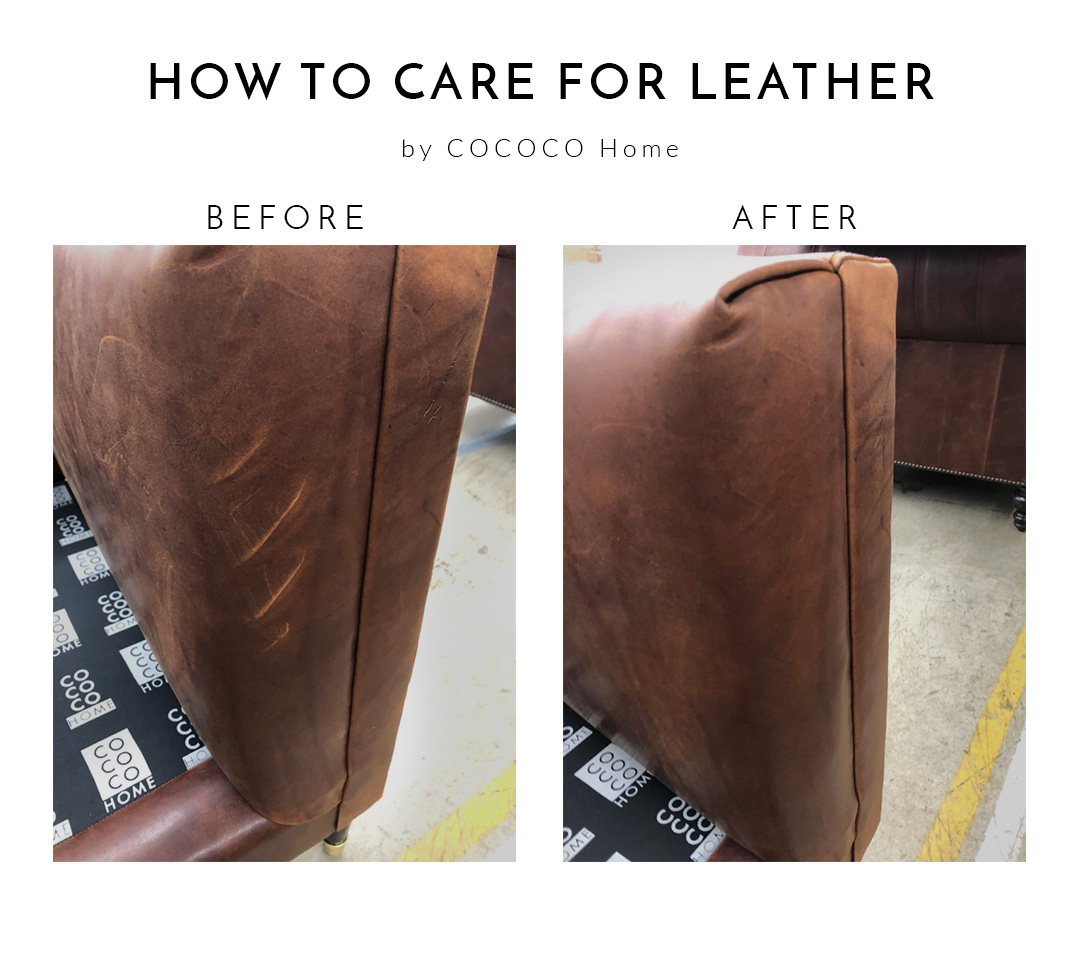
Leather cream helps fix minor scratches. Start with a clean cloth. Apply a small amount of leather cream on the cloth. Gently rub the cream on the scratch. Use small, circular motions. This helps the cream fill the scratch. Let the cream sit for a few minutes. Buff the area with a clean cloth. The scratch will be less visible.
Buffing can make leather look new. Use a soft, dry cloth. Rub the cloth over the leather. Use light pressure. Move the cloth in circles. This can remove light marks. Buffing also adds shine to leather. Repeat if needed. Always use a clean cloth. Dirty cloths can harm leather.
Storing Leather Items
Leather likes cool, dry places. Keep leather items away from direct sunlight. Sunlight can fade the color. Humidity is bad for leather. It can cause mold. Store leather in a ventilated area. Good air helps leather breathe. Use a dust bag if possible. It protects from dust and scratches. Leather must not be stored in plastic. Plastic traps moisture and harms leather. Avoid stacking leather items. They can lose shape.
Never fold leather items. Folding causes permanent creases. Do not hang heavy leather. Heavy items can stretch out. Keep leather away from heat sources. Heat can dry and crack leather. Avoid using harsh chemicals. Chemicals can damage leather surface. Test cleaners on a small area first. Mild soap is safe for cleaning. Use a soft cloth for cleaning. Hard cloth may scratch leather.
Professional Care Services
Leather items might need special care. Scratches and stains can be tricky. Professional help is wise for these issues. Cleaners know how to fix them. They have the right tools. Deep cleaning is not easy at home. Professionals do it safely.
Search for a leather specialist nearby. Ask friends or family for advice. Check online reviews too. Look for someone with good experience. It is important to choose the right person. They should know different leather types. Make sure they use safe products. This keeps your leather strong and nice.
Credit: www.andar.com
Frequently Asked Questions
What Is The Best Way To Take Care Of Leather?
Clean leather regularly using a damp cloth. Apply a leather conditioner to maintain its softness. Store it away from direct sunlight. Avoid water exposure to prevent damage. Seek professional care for stubborn stains or repairs.
Which Oil Is Best For Leather?
Neatsfoot oil is excellent for conditioning leather. It penetrates deeply, restoring moisture and flexibility. Mink oil is another good option, providing water resistance and suppleness. Avoid using vegetable or olive oils as they can cause damage over time. Always test on a small area first.
How Often Should I Oil Leather?
Oil leather every 3-6 months to maintain its quality. Frequency depends on usage and environmental conditions. Regular conditioning prevents cracking and extends the leather’s lifespan. Always use high-quality leather oil for best results.
How Do You Moisturize Leather?
Clean the leather with a damp cloth. Apply a leather conditioner using a soft cloth in circular motions. Let it absorb for 15 minutes. Buff the leather with a clean, dry cloth for a smooth finish. Moisturize regularly to maintain its suppleness and durability.
Conclusion
Caring for leather keeps it looking great and lasting longer. Regular cleaning and conditioning help maintain its beauty. Use a soft cloth to wipe away dirt gently. Condition leather with appropriate products to prevent cracking. Store leather items in cool, dry places.
Avoid direct sunlight to prevent fading. Follow these steps to preserve your leather’s quality. Simple actions can make a big difference. Treat your leather with love and care. Enjoy its timeless elegance for years. Keep it clean, condition it well, and store it wisely.
Protect your investment with consistent care.