How to Check Ac Pressure in Car: Easy DIY Guide
Feeling the chill disappear from your car’s air conditioning can be frustrating, especially during those scorching summer days. But what if you could easily diagnose the problem yourself?
Checking the AC pressure in your car might sound daunting, but it’s simpler than you think—and it can save you from unnecessary repair costs. Imagine cruising comfortably, knowing that your car’s air conditioning is in top shape. In this guide, you’ll discover step-by-step instructions to check the AC pressure in your car, empowering you with knowledge that not only saves you money but also keeps you cool and comfortable on the road.
Ready to take control of your car’s comfort? Let’s dive in!

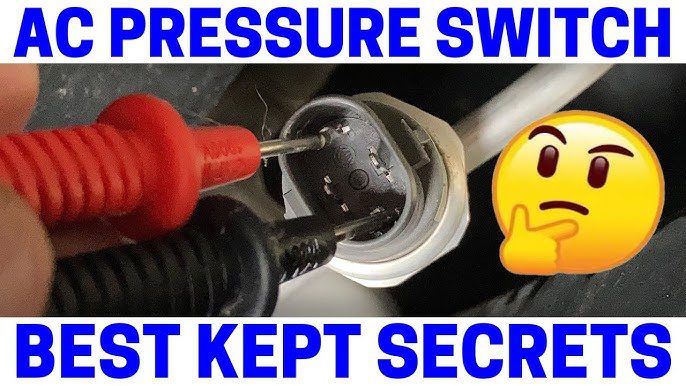
Credit: www.youtube.com
Tools Needed
To check the AC pressure, a few tools are needed. Pressure gauge is important. It measures the pressure in the AC system. Safety glasses protect your eyes from harm. Gloves keep your hands safe and clean. AC manifold gauge set connects to the car’s AC system. It reads the pressure levels. Thermometer helps check the temperature from the vents. User manual for your car provides useful information. It guides on where to connect tools and check the system. Flashlight may be handy. It helps see in dark areas under the hood. Having all these tools ready makes the job easier and safer.
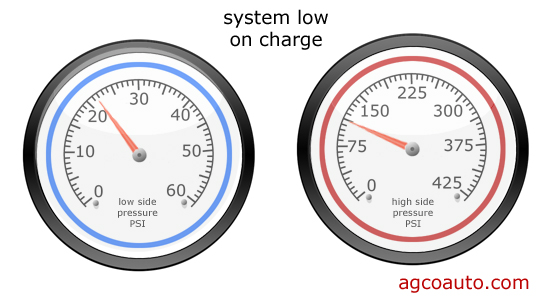
Credit: www.agcoauto.com
Safety Precautions
Safety gear is important. Always wear gloves. Protect your eyes with safety goggles. Avoid touching hot engine parts. Keep your hands away from moving parts.
Ensure the car is on a flat surface. Turn off the engine before checking. Never open the AC system while the engine is hot. Check if the pressure gauge is working. Use it with care.
Be aware of leaking refrigerant. It can harm your skin. If unsure, ask an adult for help. Safety should always come first.
Preparing The Car
Checking the AC pressure in your car ensures optimal cooling. Use a pressure gauge to measure the refrigerant levels. Proper pressure helps maintain a comfortable cabin temperature.
Subheading
Make sure the car is on a flat surface. This is important for safety. Turn off the engine and set the parking brake. Locate the AC service ports under the hood. These are two metal tubes. One is bigger and one is smaller. The bigger one is the low-pressure port. The smaller is the high-pressure port. Wear safety glasses and gloves. This protects your eyes and hands. Double-check for any leaks. You do not want to test a leaking system.
Use a gauge set to check pressure. Attach the gauge to the low-pressure port. Make sure it clicks into place. Never force it. Check the readings on the gauge. The normal range is important. It shows the AC is working well. Always follow the car manual. It has specific details for your car.
Locating The Ac Ports
First, find the hood release inside your car. It is usually near the driver’s side. Pull the lever to open the hood. Now, go to the front of the car. Use the small latch under the hood to open it fully.
Next, look for the AC ports. There are two ports: a low-pressure port and a high-pressure port. The low-pressure port is usually on the larger AC line. It is often near the firewall or the compressor. The high-pressure port is on the smaller line. It is closer to the radiator.
Check the caps on the ports. They have L or H letters. L is for low pressure, and H is for high pressure. Make sure the engine is off before you touch them.
Connecting The Pressure Gauge
First, find the AC service ports in your car. There are two ports: one high and one low. The low-pressure port is the one you need. It’s usually near the AC compressor. Look for a black or blue cap on the port. Remove the cap carefully. Then, attach the pressure gauge to this port. Make sure it’s tight. You should hear a click. This means the gauge is connected well. Always ensure the gauge fits snugly. This helps to prevent leaks. Now, the gauge can read the AC pressure. This is a key step to check if the AC works well.

Credit: www.agcoauto.com
Reading Pressure Levels
Begin by finding the low pressure side. It’s usually near the compressor. Use a pressure gauge to check. Connect it to the low pressure port. The normal range is 25 to 45 psi. Below 25 psi means low refrigerant. This can cause cooling issues. Above 45 psi may indicate a blockage. Regular checks are important. They help maintain the car’s cooling system.
Locate the high pressure side near the front of the car. Attach a gauge to the high pressure port. A typical reading is 200 to 250 psi. Lower than 200 psi suggests a problem. It might be a refrigerant leak. Above 250 psi means excessive pressure. It can damage the system. Watch for strange noises or leaks. These can be signs of issues. Regular maintenance keeps the system working well.
Interpreting Pressure Results
Normal pressure is important for a car’s AC system. It keeps the air cool and comfortable. The ideal range is usually between 25 to 45 psi on the low side. On the high side, it should be between 150 to 250 psi. If the pressure is within this range, the system works well.
High pressure can cause problems. It might mean the system is overfilled. Or, there could be a blockage. This can make the AC blow warm air. A pressure over 250 psi is usually a sign of trouble. It may damage the compressor and other parts. Check for leaks or obstructions if pressure is too high.
Low pressure means the AC might not cool well. It can be due to low refrigerant levels. Sometimes, the compressor is weak. Pressure below 25 psi suggests a refill is needed. Low pressure might also cause frost on the AC lines. Regular maintenance can help avoid low pressure problems.
Troubleshooting Common Problems
Checking AC pressure in a car helps diagnose cooling issues effectively. Connect a pressure gauge to the AC service port. Compare readings to standard pressure ranges for accurate troubleshooting.
Leaks And Obstructions
A leak in the system can cause low pressure. Check for any signs of oil or fluid under the car. This can point to a leak. Hissing sounds can also mean escaping air. Obstructions can block the flow of air. Look for dirt or debris around the pipes. This can affect the system’s efficiency. Removing dirt can help restore normal pressure.
Compressor Issues
The compressor is like the heart of the AC system. If it fails, the AC won’t cool properly. Listen for any strange noises when the AC is on. Grinding sounds could mean the compressor is struggling. If the AC blows warm air, the compressor might be faulty. Regular checks can help catch these issues early. This can save time and money on repairs.
Maintenance Tips
Checking your car’s AC regularly is important. It keeps the AC working well. Low pressure can mean a leak or low refrigerant. High pressure might show a blockage. Use a pressure gauge to check. Attach it to the AC port. Follow the instructions on the gauge. Always wear gloves and goggles. This keeps you safe. Checking AC pressure takes only a few minutes. Do it every month for best results.
Sometimes, professionals should check the AC. Experts have the right tools. They find problems that are hard to see. They fix leaks and refill refrigerant. This can help the AC last longer. Regular servicing avoids big problems later. It is good to visit the mechanic once a year. They will ensure everything works perfectly.
Frequently Asked Questions
How To Check Your Car’s AC Pressure?
Use a manifold gauge set to check your car’s AC pressure. Connect the gauges to the low and high-pressure ports. Read the pressure levels while the AC runs. Ensure the levels match the manufacturer’s specifications to confirm proper functioning. Always consult your vehicle’s manual for detailed guidance.
What Psi Should My AC Be In My Car?
Car AC systems typically require 25 to 40 psi on the low side and 200 to 250 psi on the high side. Check your car manual for specific recommendations, as pressure can vary by model. Regular maintenance ensures efficient cooling and prevents damage.
How To Tell If Car AC Is Low On Freon?
Car AC might be low on freon if it blows warm air or takes longer to cool. Listen for unusual noises and check for visible leaks. Poor airflow and fluctuating temperatures can also indicate low freon levels. Regular checks help maintain efficient cooling and prevent system damage.
Do You Check AC Pressure With A Car Running?
Yes, check AC pressure with the car running to ensure accurate readings. Turn on the air conditioning system and set it to the maximum cooling level. This allows the compressor to engage, providing correct pressure readings for diagnosis. Always follow safety precautions during this process.
Conclusion
Checking your car’s AC pressure is simple. Follow the steps carefully. Use the right tools to ensure accurate readings. Regular checks help maintain your car’s AC efficiency. Don’t forget to consult your car manual for specific guidance. Safety first! Wear gloves and goggles when handling refrigerant.
A well-functioning AC ensures comfort during drives. Save money by avoiding unnecessary repairs. Stay cool and comfortable on the road. Check your AC pressure today and enjoy the benefits. Keep your car’s air conditioning system in top shape!