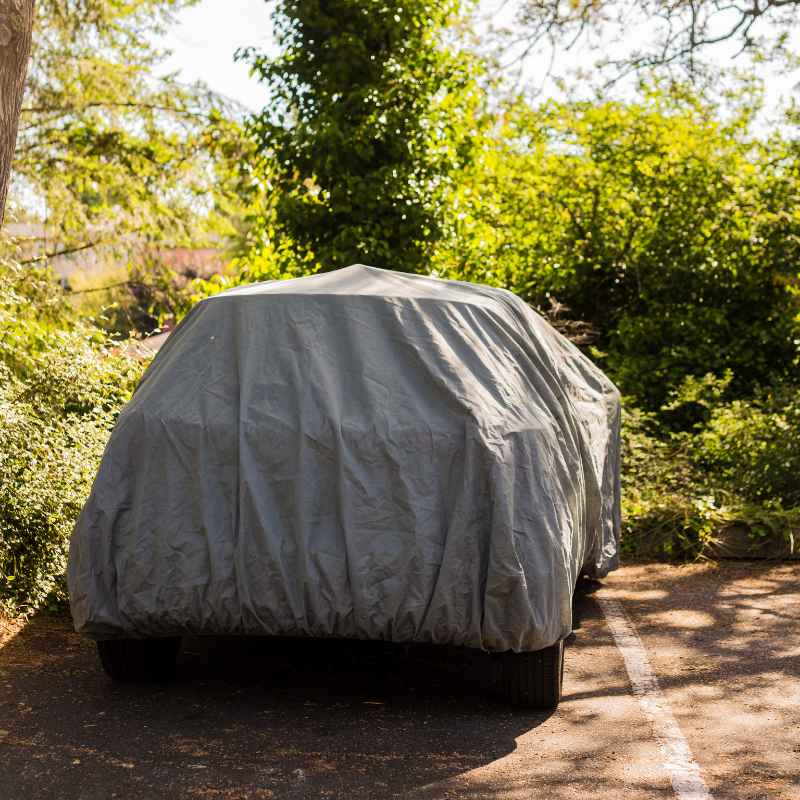
How To Clean A Car Cover Without Shrinking Or Fading It
Finding the right way to clean your car cover is key. It helps keep your car protected and your cover looking good. Proper care prevents damage like shrinking or fading. This guide will walk you through simple steps to clean your car cover safely. You’ll learn what works best.
Understanding Your Car Cover Material
Before you grab any old soap, let’s chat about what your car cover is made of. This is super important. Different materials need different care.
Most covers are made from fabrics like polyester, nylon, or blends. Some might have a waterproof coating.
Knowing the material helps you pick the right cleaning method. It also tells you what to avoid. A cover designed for outdoor use might be tougher than one for indoor storage.
The tag on your car cover should tell you what it’s made from. If you can’t find a tag, a quick look online for the brand and model can help.
Why Cleaning Matters
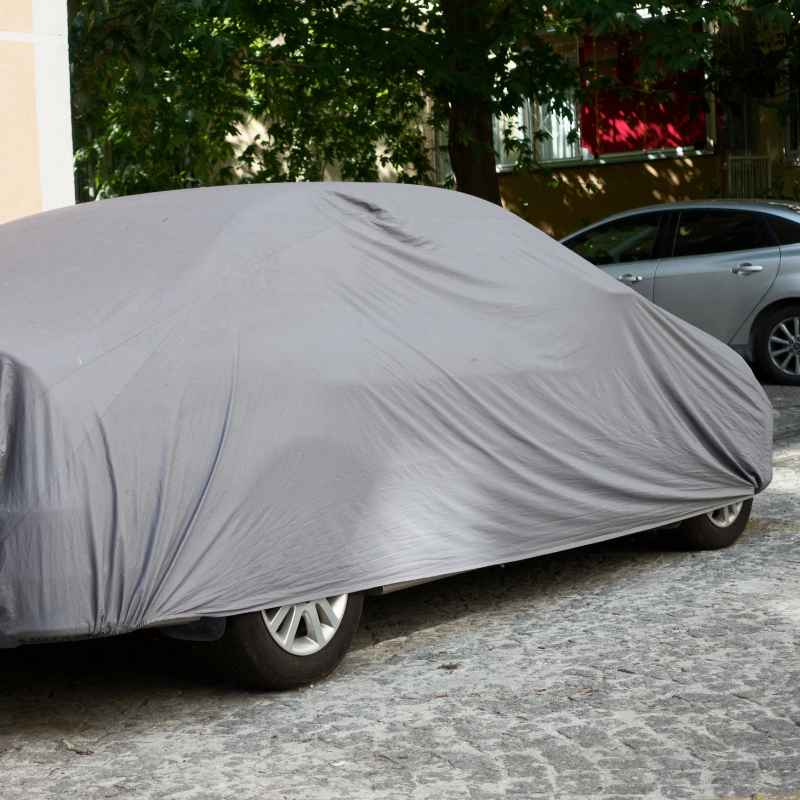
Think about it: your car cover is a shield. It stops dust, dirt, pollen, bird droppings, and even tree sap from touching your car’s paint. Over time, all this gunk builds up.
When the cover gets really dirty, it can actually start to hold dirt. This trapped dirt might rub against your car. That’s the last thing you want.
It could cause tiny scratches.
A dirty cover also just doesn’t look great. Plus, if it’s really caked with grime, it might not fit as well. It’s like wearing a dirty shirt; it just feels off.
Cleaning it brings it back to life. It keeps it doing its job perfectly.
Material Types and Care Notes
Fabric Type
Polyester: Durable, UV resistant. Needs gentle washing. Avoid harsh chemicals.
Nylon: Strong, water-resistant. Can be sensitive to heat. Air dry is best.
Polypropylene: Breathable, good for indoor/outdoor. Wash with mild soap.
Non-Woven Fabrics: Often used for soft indoor covers. Very delicate. Spot clean or very gentle wash.
Waterproof/Resistant Coatings: These can be damaged by strong detergents or high heat. Special care is needed.
The Gentle Washing Approach
The biggest fear is shrinking or fading. This often happens when we use too much heat or harsh chemicals. We want to avoid that.
The goal is a clean cover, not a ruined one. So, we’ll focus on being gentle.
Think of washing your car cover like washing a delicate piece of clothing. You wouldn’t toss a silk scarf in with your jeans, right? We need that same mindset here.
This means cooler water, mild soap, and a careful rinse. It’s all about preserving the fabric and its protective qualities.
Gathering Your Cleaning Supplies
Before you start, make sure you have everything you need. This makes the process smoother. You don’t want to be halfway through and realize you’re missing something crucial.
Here’s a simple list:
- A mild laundry detergent. Look for one that’s dye-free and perfume-free if possible. Free and Clear options are usually good.
- A soft brush or sponge. This is for spots that need a little extra attention.
- A hose with a spray nozzle. You’ll need this for rinsing.
- A large bucket or tub. For soaking or spot cleaning.
- A clean, flat space to hang or lay the cover to dry.
Sometimes, you might need a specific car cover cleaner. These are designed for the materials used in car covers. They are a great choice if you want to be extra sure.
Step-by-Step Cleaning Guide
Let’s get cleaning! This process is pretty straightforward. Follow these steps, and you should be good to go.
Step 1: Inspect the Cover
Before you do anything else, give your car cover a good look. Are there any tears or loose seams? If so, you might want to fix those first.
Cleaning a damaged cover could make the damage worse. Check for very stubborn spots, like tar or grease. You might need to pre-treat these.
Step 2: Shake Off Loose Dirt
Take the cover outside. Find a place where you can shake it out. Give it a good shake.
Really get rid of any loose dirt, leaves, twigs, or other debris. This makes the washing process much easier. It prevents larger bits from clogging up your washing machine or making a mess during hand washing.
Pre-Treatment for Tough Spots
Type of Stain: Bird Droppings
How to Treat: Gently scrape off excess. Use a soft cloth with cool water and mild soap. Dab, don’t rub.
Type of Stain: Tree Sap
How to Treat: Use a specialized sap remover. Apply sparingly. Follow product instructions carefully.
Type of Stain: Grease/Oil
How to Treat: Apply a small amount of dish soap directly to the spot. Let it sit for a few minutes. Gently work it in with a soft brush.
Step 3: Choose Your Washing Method
You have two main options: a washing machine or hand washing. The best choice depends on the size of your cover and your washing machine capacity.
Option A: Using a Washing Machine
This is the easiest way if your cover fits comfortably. Make sure it’s not too big for your machine. Overloading can damage both the cover and the machine.
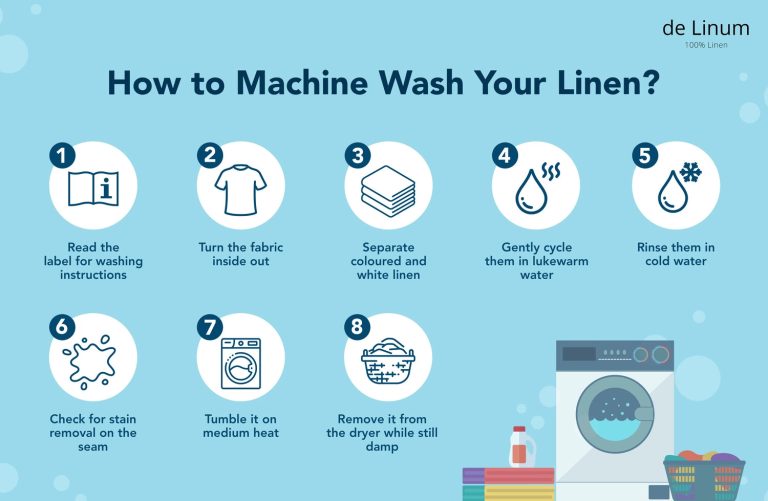
Load the cover into your washing machine. Use a small amount of mild detergent. Select a gentle cycle or a delicate wash setting.
The most critical part here is the water temperature. Use cool or cold water only. Never use hot water, as it can cause shrinking and fade colors.
Avoid using fabric softener. It can coat the fibers. This might reduce the cover’s breathability or water-repellent properties.
Also, skip the bleach. It’s too harsh for most car cover materials.
Option B: Hand Washing
If your cover is very large, or you don’t have a washing machine, hand washing is your best bet. You can do this in a large tub, a clean garbage bin, or even on a clean driveway or patio.
Fill your tub or bin with cool water. Add a small amount of mild detergent. Submerge the cover.
Gently agitate the water with your hands to distribute the soap. Let it soak for about 30 minutes to an hour. This helps loosen dirt.
After soaking, gently scrub any dirty areas with a soft brush or sponge. Work in sections. Don’t scrub too hard.
The goal is to lift the dirt, not damage the fabric.
Step 4: Rinsing Thoroughly
This step is as important as the washing itself. You need to get all the soap out. Leftover soap can attract dirt.
It can also leave residue that harms the fabric.
If you used a washing machine, run an extra rinse cycle. Make sure the rinse water runs clear. If you hand-washed, drain the soapy water.
Refill the tub with clean, cool water. Rinse the cover. Agitate it to get the soap out.
Repeat this rinsing process until no more suds appear.
If you’re rinsing outdoors with a hose, use a gentle spray. Make sure you rinse every part of the cover. Turn it over and rinse both sides.
Give it a good once-over.
Step 5: Drying the Cover
Drying is another crucial step where shrinking or damage can occur. Never put your car cover in a hot dryer. The heat is its enemy. It will almost certainly cause shrinking and can damage coatings.
The best way to dry your car cover is to air dry it. Find a place where it can hang or lay flat. Drape it over a clothesline, a sturdy railing, or lay it flat on a clean tarp in a shady spot.
Make sure it’s spread out so air can circulate all around it.
Avoid direct sunlight for extended periods, especially if your cover is dark. Intense sun can cause fading. It might also make the material brittle over time.
Give it plenty of time to dry completely. A damp cover can lead to mold or mildew. It also won’t protect your car well if it’s still wet.
Quick-Scan Drying Tips
DO:
- Air dry in a shaded, well-ventilated area.
- Drape it evenly over multiple surfaces.
- Ensure it’s completely dry before storing.
DON’T:
- Use a machine dryer, especially on heat.
- Hang it on sharp edges that could snag.
- Store it while damp.
Dealing with Specific Cover Types
Some car covers have special features or materials that need a little extra thought. For example, outdoor covers often have waterproof or water-resistant coatings. These are there to keep your car dry.
You want to preserve these coatings.
For covers with these coatings, avoid harsh chemicals or abrasive scrubbing. They can break down the coating. Always use a mild detergent.
Hand washing might be a safer bet to ensure you don’t damage these sensitive layers.
If your cover is a soft, fleece-lined indoor cover, it’s likely more delicate. These are usually made to prevent scratches on paint. Treat them with extra care.
Gentle hand washing and air drying are essential to keep that soft interior intact.
Material Contrast Matrix
Myth: Hot water cleans better.
Reality: Hot water can shrink and fade most car cover fabrics. Cool or cold water is best.
Myth: Fabric softener makes covers softer.
Reality: Fabric softener can clog the fabric pores, reducing breathability and water resistance.
Myth: You can dry a car cover in the dryer on low heat.
Reality: Even low heat can cause shrinking. Air drying is the only safe method.
Myth: Any detergent will work.
Reality: Harsh detergents can damage fabric and coatings. Mild, dye-free options are recommended.
When to Consider Professional Cleaning
For most car covers, DIY cleaning is perfectly fine. However, there might be times when professional cleaning is a better option. If your cover has very stubborn stains, like oil spills or chemical marks, a professional cleaner might have the right tools and solutions.
Also, if your cover is made from very specialized or expensive materials, you might want to err on the side of caution. A professional detailer or a cleaning service specializing in car accessories can handle it. They understand different fabrics and treatments.
This ensures your cover is cleaned without damage.
My Own Car Cover Story
I remember one time, I had a great car cover for my classic Mustang. It was a fitted cover, really nice material. I lived in a place with lots of pine trees.
You know how pine sap is. It dripped all over the cover. It was everywhere.
I tried to wipe it off, but it just smeared. It looked awful.
I was so worried about ruining the cover. It wasn’t cheap. I thought about just tossing it.
But then I remembered a tip from a car detailing forum. They said to use rubbing alcohol very sparingly on a cotton ball. I was hesitant, but I tried it.
I dabbed at the sap spots.
It worked! Slowly, the sap started to dissolve. I had to be patient.
I used cool water to rinse the spots afterward. Then, I let the whole cover air dry in the shade. It took a while.
But when it was done, the cover looked almost new again. No shrinking, no fading, and the sap was gone. It taught me a valuable lesson: sometimes a little patience and the right product can save the day without causing damage.
Common Mistakes to Avoid
We’ve touched on some of these, but let’s really hammer them home. Avoiding these mistakes is key to keeping your car cover in top shape.
- Using a hot wash cycle or hot water. This is the number one culprit for shrinking.
- Putting the cover in a hot dryer. Again, heat equals shrinkage and damage.
- Using harsh detergents or bleach. These can break down the fabric fibers or coatings.
- Using too much soap. Excess soap is hard to rinse out and can leave residue.
- Scrubbing too aggressively. You can damage the fabric weave or any protective layers.
- Drying in direct, intense sunlight for too long. This can cause fading and make the material brittle.
- Storing the cover while it’s still damp. This invites mold and mildew, which smell bad and can damage the fabric.
Observation Flow: Car Cover Cleaning Cycle
Start: Dirty car cover with pollen, dust, and bird droppings.
Action 1: Shake off loose debris outdoors.
Action 2: Pre-treat any tough spots with mild solutions.
Action 3: Wash using a gentle machine cycle or hand wash with cool water and mild soap.
Action 4: Rinse thoroughly multiple times until water runs clear.
Action 5: Air dry completely in a shaded, well-ventilated area.
End: Clean, protected car cover ready for use.
Maintaining Your Clean Car Cover
Once your cover is clean and dry, how do you keep it that way? Regular, light cleaning is much better than letting it get heavily soiled.
Regular Dusting/Shaking: If your cover is just dusty, a good shake outside might be all it needs. Do this often, especially if you store your car outdoors.
Spot Cleaning: For small spills or bird droppings, address them immediately. Use a damp cloth and a tiny bit of mild soap. Rinse the spot with a clean, damp cloth.
Proper Storage: When you’re not using the cover, store it in a clean, dry place. A breathable bag or a clean plastic bin works well. Make sure it’s fully dry before you fold it up and put it away.
This prevents musty smells and mildew.
Check Before Use: Every time you put the cover on your car, give it a quick check. Look for any new tears or problems. This helps you catch issues early.
These small steps can extend the life of your car cover significantly. They ensure it continues to protect your vehicle effectively.
What This Means for You
So, what’s the takeaway from all this? Cleaning your car cover is not a scary task. It’s a necessary part of protecting your car.
By following these simple, gentle methods, you can keep your cover in great condition.
It means you don’t have to worry about it shrinking or losing its color. It means your cover will continue to offer the best protection for your car. It also means you’re saving money in the long run.
A well-cared-for cover lasts much longer.
You can feel confident knowing your car is safe from dust, dirt, and the elements. And your cover will look good doing its job.
Quick Tips for a Clean Cover
Here are some final quick pointers to keep in mind:
- Read the label: Always check the manufacturer’s care instructions first.
- Mild is best: Opt for gentle laundry detergents.
- Cool water is king: Never use hot water for washing or rinsing.
- Air dry only: Skip the machine dryer completely.
- Protect your protector: Store it clean and dry.
Frequently Asked Questions About Cleaning Car Covers
Can I use a washing machine to clean my car cover?
Yes, you can. Use a gentle cycle and cool water. Make sure the cover is not too large for your machine.
Avoid overloading it. Never use hot water or bleach. Always check the care label first.
How do I dry my car cover without shrinking it?
The safest way to dry a car cover is by air drying it. Drape it over a clothesline or railing in a shaded, well-ventilated area. Avoid direct sunlight and never use a machine dryer, as the heat will cause shrinking.
What kind of soap or detergent should I use?
Use a mild laundry detergent. Look for options that are dye-free and perfume-free, like “Free and Clear” formulas. Avoid harsh chemicals, bleach, and fabric softeners, as they can damage the fabric and its protective properties.
My car cover has a waterproof coating. How should I clean it?
For waterproof or water-resistant covers, be extra gentle. Avoid harsh chemicals and abrasive scrubbing. Mild soap and cool water are best.
Hand washing might be preferable to ensure you don’t damage the coating. Always rinse thoroughly.
How often should I clean my car cover?
This depends on where you store your car and how dirty the cover gets. If your car is stored outdoors, you might need to clean it every few months. If it’s indoors, perhaps once or twice a year, or when you notice significant dirt or stains.
What if my car cover has stubborn stains like tar or sap?
For tough stains, you may need to pre-treat them. Use a specialized cleaner for tar or sap, following product instructions carefully. For grease, a dab of dish soap can help.
Always test any cleaning solution on a small, inconspicuous area first.
Conclusion
Keeping your car cover clean is simple with the right approach. Gentle washing with cool water and mild soap, followed by careful air drying, will keep it from shrinking or fading. Protect your investment and your car.
Products related to this article
Sponsored / affiliate links. As an Amazon Associate I earn from qualifying purchases. I may earn additional commission from eligible campaigns.
 Car Cover for Hail Protection, Thickened Multi-Layer, Waterproof, Hail Cover for Car SUV Size A6 Fit for Toyota RAV4 /4Runner, Honda CRV, Hyundai Santa Fe, Audi Q5 (182-190 inch)
 Hail Protector Car Cover for Sedan(Length:Length:186"-203") + Gift Windshield Sunshade, Multi-Layered EVA Hail Proof Car Cover, Padded Car Hail Protector Blanket for Camry, Model 3, Accord, K5 etc.