How To Start Your Car Without A Key Fob (Safe Methods)
Starting your car without a functional key fob often involves using the physical key hidden within the fob or knowing specific manual override procedures for your vehicle. Some cars may require a different approach if the battery is dead or the fob is lost, but safe, basic methods exist.
Understanding Your Car’s Key Fob System
Modern cars use sophisticated keyless entry and start systems. These systems rely on a small electronic device, the key fob, to communicate with your car. The fob sends a low-frequency signal.
Your car’s receiver picks this up. This lets the car know the fob is nearby. It then allows you to unlock doors and start the engine by pushing a button.
The fob has a tiny battery inside. This battery powers the transmitter. Over time, this battery can weaken and die.
Sometimes, the fob itself can get damaged. Maybe it fell in water. Or perhaps it just stopped working for no clear reason.
When this happens, the car doesn’t get the signal. It thinks the correct key isn’t present. This prevents it from starting.
Most key fobs also contain a small, traditional metal key. This is often hidden inside the fob. It’s like a backup plan.
This physical key can still unlock your car door. It can also be used in the ignition cylinder, if your car has one. Not all cars have visible ignition cylinders anymore.
Some cars are entirely push-button start. These can be trickier without a working fob signal.
My Own “Oh No!” Moment
I remember one particularly chilly morning. I had a crucial early meeting across town. I grabbed my coffee and headed out.
I got to my car, reached for the door handle, and nothing happened. The car stayed locked. My heart sank a little.
I patted my pockets. No key fob. Then I remembered: I’d left it on the kitchen counter.
It was a simple mistake.
Panic started to bubble. I imagined calling for a tow truck, missing my meeting, and the hassle. I took a deep breath.
I remembered seeing a small slot on the side of my steering column. My car is a push-button start. I had never used this feature.
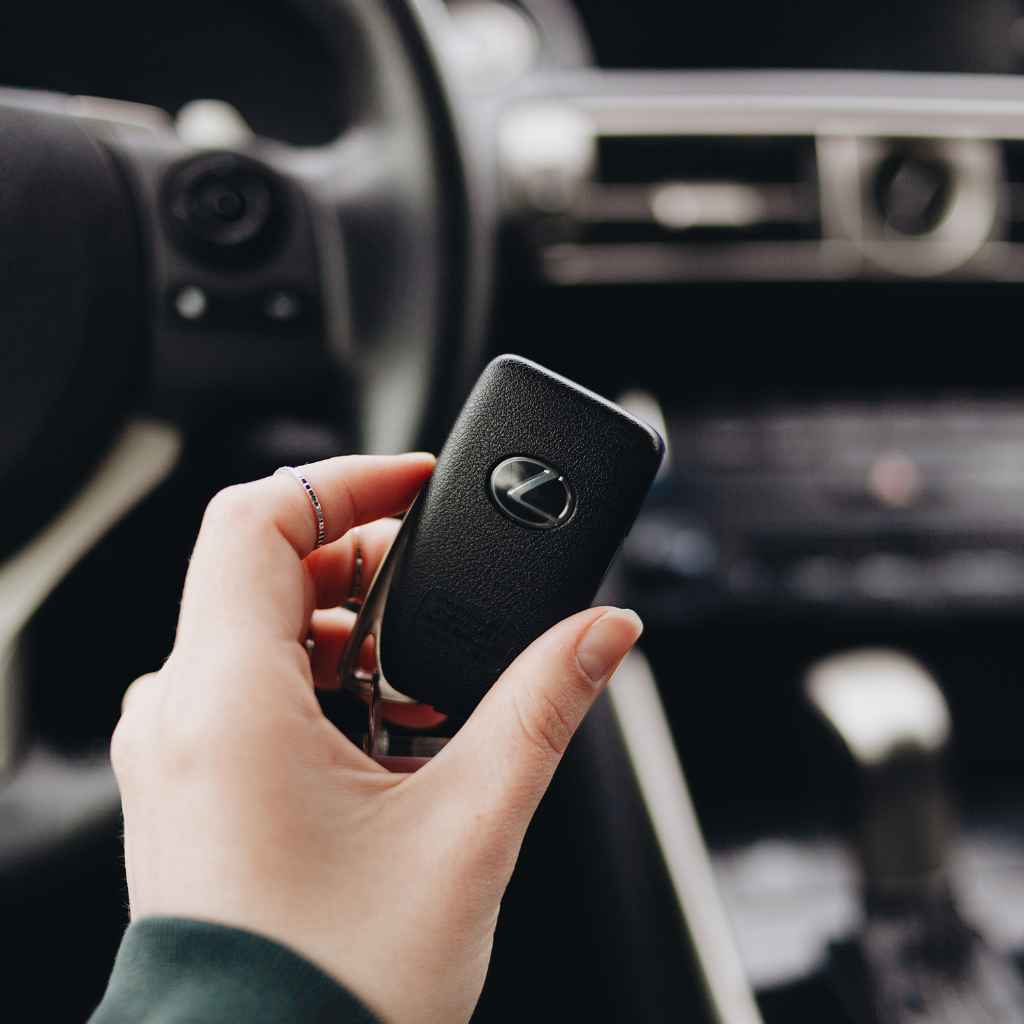
I slid the fob out of my pocket. I looked at the fob closely. I noticed a small release latch.
I pushed it and a metal key popped out. This was my physical key. I looked for the keyhole near the start button.
I inserted the metal key. I turned it. The car sprang to life.
It was such a relief. That day taught me the value of knowing the basics.
Key Fob Components Explained
Fob Body: The plastic casing that holds everything together.
Buttons: For locking, unlocking, and sometimes panic alarms.
Transmitter: Sends the signal to the car.
Battery: Powers the transmitter. Usually a coin cell battery.
Hidden Metal Key: A backup for manual door unlocking.
Immobilizer Chip: A small chip that communicates with the car’s security system.
Using the Physical Key: The First Line of Defense
Your key fob likely has a small metal key hidden inside. This is the most common and straightforward way to start your car if the fob’s electronics fail or its battery is dead. The process is usually quite simple.
First, you need to access this hidden key. Most fobs have a small switch or button you can slide or press. This will release the metal key.
Once you have the physical key, look for the traditional keyhole. In cars with push-button start, this is often located near the start button itself. Sometimes it’s hidden behind a small plastic cover.
You might need to pry this cover off gently. Check your car’s owner’s manual if you can’t find it. The manual will show you exactly where it is.
for a moment until the engine starts.
Release the key once the engine is running. The car should now be running.
Quick Steps for Physical Key Start
- Find and release the hidden metal key from your fob.
- Locate the ignition keyhole, often near the start button.
- Insert the metal key and turn to “On” to power systems.
- Turn further to “Start” to crank the engine.
- Release the key when the engine starts.
What If the Fob Battery is Just Dead?
A dead key fob battery is a common issue. Many car manufacturers have designed systems to handle this. The car’s system often has a backup way to detect the fob even with a weak or dead battery.
This usually involves bringing the fob very close to a specific spot in the car.
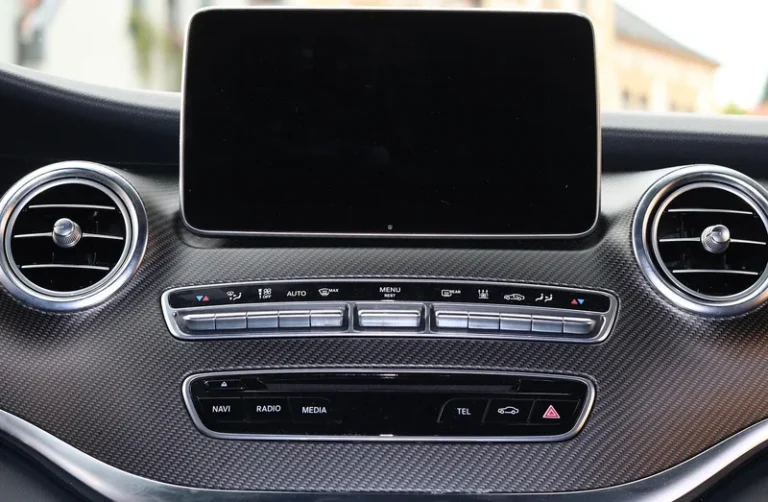
For push-button start cars, the start button area is often the place to be. Some cars have a designated spot on the steering column. Others might have a specific symbol indicating where to place the fob.
You might need to hold the fob directly against the start button. Then, press the button with your foot on the brake pedal. The car should sense the fob even if its battery is weak.
It’s a good idea to know where this spot is for your specific car model. Your owner’s manual will detail this. If you can’t find it, try holding the fob against the start button first.
If that doesn’t work, try holding it near the steering column. Sometimes, even a very weak signal can be enough.
Having a spare key fob battery on hand is a smart move. These batteries are small and inexpensive. You can buy them at most drugstores or electronics stores.
Keeping a spare in your glove box means you’re ready if your primary fob suddenly dies. Replacing the battery is usually a simple process. You can often do it yourself with a small screwdriver or even a coin.
Troubleshooting a Dead Fob Battery
- Know the Location: Find the fob detection spot in your car (check manual).
- Hold Close: Place the fob directly against the designated area.
- Press Button: Press the start button while holding the fob in place.
- Use Backup Key: If detection fails, use the physical metal key.
- Replace Battery: Keep spare batteries handy for a quick fix.
Manual Override for Push-Button Start Cars
Many drivers today have push-button start cars. These rely entirely on electronic signals. So, what happens when the fob signal is completely gone, or the car’s receiver has an issue?
Manufacturers build in manual override procedures. These are designed for precisely these situations. They ensure you aren’t stranded indefinitely.
The most common method involves using the physical key and the start button. As mentioned, you’ll need to find the hidden metal key within your fob. Then, locate the ignition keyhole.
This is often near the start button. You might need to remove a small panel or cover to access it. Consult your owner’s manual for the exact location on your vehicle.
Insert the physical key into the ignition slot. Turn it to the “Accessory” or “On” position. This powers up the car’s essential systems.
You should see your dashboard lights illuminate. Then, without starting the engine yet, place your foot on the brake pedal. Now, press the physical key in the ignition slot inward while holding the brake.
This is the override action. Some cars might require you to push the start button as well while the key is in the ignition slot and you’re pressing inward. The car should then start.
This process varies slightly by car make and model. Some manufacturers might have a slightly different sequence. For instance, some might require you to hold the fob directly against the start button while inserting the physical key and turning it.
Others might have a specific slot for the fob itself to be inserted. Always refer to your vehicle’s owner’s manual for the most accurate instructions for your specific car.
Push-Button Start Override Steps
Method 1: Using the Physical Key
- Retrieve the hidden metal key from your fob.
- Locate the ignition keyhole, often near the start button.
- Insert the key and turn to the ‘On’ position.
- Press the brake pedal.
- Push the ignition key inward (or press the start button as well).
- Hold until the engine starts.
Method 2: Fob Detection Spot
- Locate the fob detection spot (refer to owner’s manual).
- Hold the fob against this spot.
- Press the brake pedal.
- Press the start button.
What About Cars With No Visible Ignition?
This is where things can get a bit more technical for drivers. Newer car models, especially luxury vehicles, may not have a traditional keyhole at all. They rely solely on the key fob’s electronic signal.
If the fob is lost or completely non-functional, and there’s no hidden key slot, starting the car becomes more challenging.
In such cases, the car’s manufacturer usually provides a specific procedure. This often involves placing the dead fob into a designated slot within the car. This slot is designed to read the fob’s chip directly, bypassing the need for a strong battery signal.
This slot is often found in the center console, in the glove box, or near the steering column. Again, your owner’s manual is your best friend here.
If you’ve lost your only key fob and there’s no physical key or override slot, you’ll likely need professional assistance. This means contacting your car dealership or a certified automotive locksmith. They have the tools and codes to create a new key fob for your vehicle.
This process can be costly and time-consuming. It underscores the importance of keeping your key fob safe and knowing your car’s backup procedures.
Some advanced systems might also have a remote start feature via a smartphone app. If you’ve set this up, and the app is functional, you might be able to start your car remotely. This could be a temporary solution until you can get your key fob issue resolved.
However, this requires prior setup and a working internet connection.
No Ignition Slot Cars: Your Options
Designated Fob Slot: Look for a specific slot to insert the fob (check manual). This allows direct reading of the fob’s chip.
Dealership or Locksmith: If no physical key or slot exists and the fob is lost, professional help is needed to program a new key.
Smartphone App: Some cars offer remote start via an app. This can be a useful backup if configured.
Important Note: These cars are designed for high security, making manual starting without the correct electronic signal very difficult.
When to Worry: Signs of a Bigger Problem
While a dead fob battery or a lost fob is usually a minor inconvenience, there are times when it could signal a more serious issue with your car. If you’ve tried all the manual methods and your car still won’t start, it’s time to consider other possibilities. These could range from a dead car battery to problems with the car’s starter motor or immobilizer system.
A completely dead car battery is a very common reason a car won’t start. You might notice dimming headlights or a lack of power to the dashboard lights when you try to start it. A weak car battery might just make the engine crank slowly.
A totally dead battery means nothing happens when you turn the key or push the start button.
The car’s immobilizer system is designed to prevent theft. It works in conjunction with the key fob. If there’s a fault in the immobilizer system itself, or if the car cannot recognize the key fob’s unique code (even if the fob is functional), it can prevent the engine from starting.
This might be indicated by a blinking security light on the dashboard. This light is often shaped like a car with a key or a padlock.
Other potential issues include a faulty starter motor. This is the component that cranks the engine to get it going. If the starter motor is bad, you might hear a clicking sound when you try to start the car, but the engine won’t turn over.
Problems with the car’s fuel pump or ignition system can also prevent it from starting, even with a perfectly working key fob.
Signs of a Deeper Issue
No Dashboard Lights: Could indicate a completely dead car battery.
Clicking Sound Only: Often points to a faulty starter motor or a very weak car battery.
Blinking Security Light: Suggests a problem with the car’s immobilizer system or key fob recognition.
Engine Cranks Slowly: Likely a weak car battery that needs replacing.
Engine Won’t Crank At All (No Sound): Could be a dead car battery, a neutral safety switch issue, or a problem with the ignition switch.
Preventative Measures and Best Practices
The best way to avoid the stress of a non-starting car is through prevention. Making sure you have a working key fob and understanding your car’s systems are key. Regularly check your key fob battery.
Many cars will give you a warning when the battery is getting low. This might be a dashboard light or a message on the infotainment screen.
If you don’t see a warning, it’s still wise to replace the fob battery every couple of years. They are inexpensive and easy to change. Keep a spare key fob battery in your glove box.
This way, you’re always prepared. Some people even keep a spare key fob altogether, especially if they use their car extensively or live in remote areas.
Understand your car’s manual override procedures. Take a few minutes to read your owner’s manual. Locate the hidden metal key.
Find the designated spot for a dead fob. Practice the manual start sequence once or twice when you’re not in a rush. This knowledge will be invaluable if you ever find yourself in a difficult situation.
Also, be mindful of where you keep your key fob. Avoid exposing it to extreme heat or cold for extended periods. Don’t place it near strong magnetic fields.
These can sometimes interfere with the fob’s electronics. If you use a valet service, ensure you get your actual fob back, not a valet-specific one.
Smart Prevention Tips
- Regular Battery Checks: Replace fob batteries every 1-2 years.
- Spare Battery: Keep a spare battery in your glove box.
- Know Your Manual: Understand your car’s override procedures.
- Owner’s Manual: Keep it accessible for reference.
- Spare Key Fob: Consider getting a second fob for emergencies.
- Careful Storage: Protect your fob from extreme conditions and magnets.
When to Call a Professional
If you’ve gone through all the steps and your car still won’t start, or if you’re simply uncomfortable performing the manual overrides, it’s time to call for help. The most common professionals to contact are:
1. Your Car Dealership: They have specific knowledge of your car’s make and model. They can diagnose and fix complex electronic issues.
They can also program new key fobs.
2. A Certified Automotive Locksmith: These professionals specialize in car keys and security systems. They can often make new key fobs on-site, sometimes faster and cheaper than a dealership.
3. Roadside Assistance: If you have a roadside assistance plan (like AAA), they can often help with towing your car to a mechanic or dealership. They may also be able to jump-start your car if the issue is a dead car battery.
When you call for help, be prepared to describe the problem clearly. Mention what you’ve already tried. This will help the technician diagnose the issue faster.
For example, state if the dashboard lights come on, if you hear any sounds when trying to start, and what lights are on the dashboard.
Professional Help Options
| Service Provider | When to Call | What They Can Do |
|---|---|---|
| Car Dealership | Complex electronic issues, programming new fobs, warranty work | Full diagnostics, key replacement, system repair |
| Certified Automotive Locksmith | Lost fobs, broken fobs, need replacement key, faster service | Key cutting, fob programming, ignition repair |
| Roadside Assistance | Car won’t start, need a tow, dead car battery | Towing, jump-starts, minor roadside fixes |
Frequently Asked Questions About Starting Your Car Without a Key Fob
What is the most common reason a car won’t start without a key fob?
The most common reason is a dead key fob battery. Many cars have a backup system to detect the fob even with a weak battery. Using the physical key hidden inside the fob is usually the next best solution.
Can I start my car if I lost my key fob completely?
If you’ve lost your only key fob and there’s no physical key or override slot, you will likely need professional help. A car dealership or a certified automotive locksmith can program a new key fob for your vehicle.
How do I find the hidden physical key in my key fob?
Most key fobs have a small release latch or button. You slide or press this to reveal the hidden metal key. Consult your car’s owner’s manual if you’re unsure how to access it.
My car is push-button start. How do I start it if the fob battery is dead?
For push-button start cars, you usually need to bring the dead fob very close to the start button or a specific detection spot (check your owner’s manual). Then, hold the fob against the spot and press the start button while your foot is on the brake. If this fails, use the hidden physical key.
What should I do if my car’s security light is blinking and it won’t start?
A blinking security light often indicates an issue with the car’s immobilizer system or key recognition. You may need to try the manual override with the physical key or call a professional. Sometimes, simply trying to start the car again after a few minutes can reset the system.
Is it safe to use the physical key to start my car?
Yes, it is completely safe. The hidden physical key is a built-in backup system designed by the manufacturer for situations just like this. It allows you to start your car’s engine manually when the electronic key fob is not functioning.
Final Thoughts on Key Fob Readiness
Dealing with a car that won’t start can be incredibly stressful. Knowing how to start your car without a key fob, even with a dead battery or if it’s misplaced, can save you a lot of hassle and time. Always remember the physical key hidden within your fob.
Familiarize yourself with your car’s specific override procedures. A little bit of preparation goes a long way. Stay safe and drive on!
Products related to this article
Sponsored / affiliate links. As an Amazon Associate I earn from qualifying purchases. I may earn additional commission from eligible campaigns.