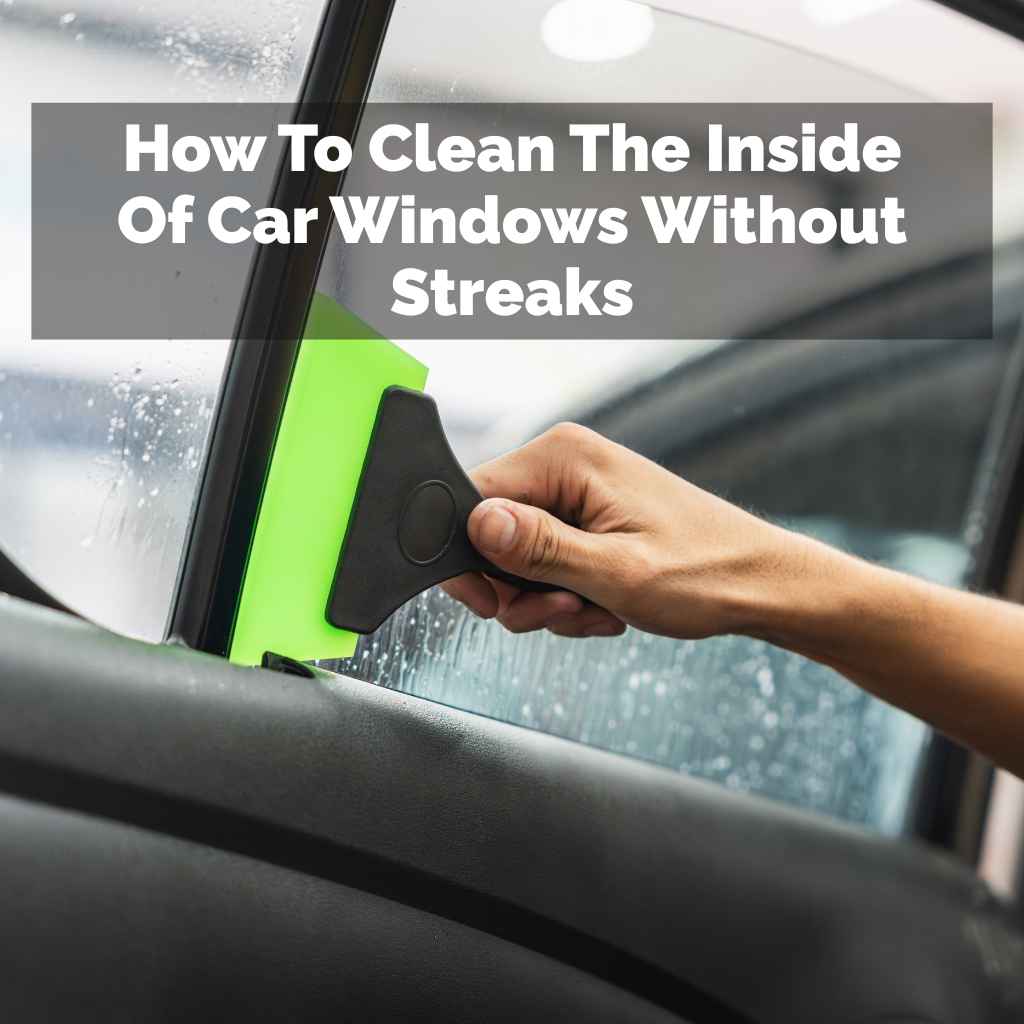
How To Clean The Inside Of Car Windows Without Streaks
It’s incredibly frustrating, isn’t it? You’re driving, and the sun hits your windshield just right. Suddenly, your clear view is gone, replaced by hazy streaks.
You can’t see clearly. This happens when the inside of your car windows gets dirty. Dirt, dust, and grime build up.
It makes driving unsafe. We want to help you fix this. You’ll learn how to get those windows super clean.
You’ll have a clear view again.
The best way to clean the inside of car windows without streaks is to use the right tools and a simple cleaning solution. Start with a clean microfiber cloth. Use a mixture of distilled water and a small amount of vinegar or rubbing alcohol. Spray the solution onto the cloth, not directly on the window. Wipe the glass in a consistent pattern. Finish with a dry microfiber cloth to buff away any residue.
Understanding Why Car Windows Get Dirty Inside
Why do car windows get dirty on the inside? It’s not just outside dirt blowing in. Several things cause this.
It’s a mix of things from inside your car and the air around you.
Think about what happens in your car every day. People touch the windows. Your hands have oils.
These oils transfer to the glass. This makes the glass feel greasy. Then, dust from the air settles on these oily spots.
It sticks there.
Also, consider the air that comes into your car. When you use the car’s vent system, it blows air. This air has tiny particles in it.
These can be dust or even small bits of pollution. As the air blows onto the windows, these tiny bits land there. They build up over time.
What about the stuff inside your car? Things like plastic dashboards can give off fumes. These fumes can create a film on the glass.
It’s like a thin layer of gunk. Eating or drinking in the car adds to this. Crumbs and spills, even tiny ones, can become sticky spots.
These attract more dust. This is why the inside often looks worse than the outside.
My Own Window Washing Nightmare
I remember one summer. I had just bought a used car. It looked great on the outside.
But the inside windows were awful. I couldn’t see well at night. Headlights from other cars seemed to explode into fuzzy blobs.
It was scary. I tried to clean them with paper towels and some store-bought cleaner.
What a mess! It looked worse. Streaks everywhere.
Every time the sun hit the dash, I saw more hazy lines. I felt so annoyed and a bit worried. Was I going to have to live with this?
I thought about paying someone to do it. But I wanted to figure it out myself. I felt a bit silly that I couldn’t even clean a window properly.
This pushed me to find the real secret to streak-free windows.
I spent a weekend researching. I watched videos. I read articles.
I tried different things. Some made it a little better. Others made it much worse.
It took time and a few failed attempts. But I finally got it right. The feeling of driving with perfectly clear windows was amazing.
It felt so safe and peaceful. I realized the trick wasn’t using fancy cleaners. It was using the right method and the right tools.
The Simple Solution for Inside Windows
What you need:
- Two clean microfiber cloths
- Distilled water
- White vinegar OR rubbing alcohol (91% isopropyl is best)
- A spray bottle
Why distilled water? Tap water has minerals. These minerals can leave spots. Distilled water is pure.
It won’t leave residue.
Why vinegar or alcohol? They cut through grease and grime. They also help the water evaporate faster. This stops streaks.
Choosing the Right Tools Matters
You might think any old cloth will do. But for car windows, this is not true. The wrong cloth can cause streaks and lint.
Microfiber cloths are your best friend here. They are specially made to clean glass. They trap dirt and absorb liquids without leaving fuzz behind.
You’ll want at least two cloths. One for cleaning. One for drying and buffing.
Make sure they are clean. Even a tiny bit of dirt on a cleaning cloth can scratch the glass or leave marks. Wash your microfiber cloths separately.
Don’t use fabric softener. Fabric softener clogs the tiny fibers. This makes them less effective.
Air drying is often best.
What about the cleaning spray? Many people grab whatever cleaner is under their sink. This is a big mistake.
Household cleaners can be too harsh. They can damage window tint. They can also leave a residue that causes streaks.
The simple mix of distilled water and vinegar or alcohol is far better. It’s safe and effective.
A spray bottle is also important. It should spray a fine mist. This helps you control how much liquid you use.
Too much liquid can make streaks appear as it dries. A fine mist allows you to lightly moisten the cloth. This is the key to a smooth, streak-free clean.
The Step-by-Step Guide to Streak-Free Shine
Ready to get those windows crystal clear? Follow these simple steps. They work every time.
Remember, patience is key. Don’t rush the process. It’s better to take your time and get it right.
Step 1: Prepare your workspace. Park your car out of direct sunlight. Sun can dry the cleaner too fast. This causes streaks.
Open your car doors so you have good access to the windows. Have your supplies ready.
Step 2: Make your cleaning solution. Mix one part white vinegar or rubbing alcohol with one part distilled water in your spray bottle. For example, use 1 cup of water and 1 cup of vinegar. Shake it gently.
Keep the spray nozzle clean.
Step 3: Clean the window. Lightly spray your cleaning solution onto one of your clean microfiber cloths. Don’t soak it. Just make it damp.
Start at the top of the window. Wipe in a side-to-side motion. Or you can wipe in a top-to-bottom motion.
Be consistent. Make sure you cover the entire surface. Pay attention to the edges and corners.
These are spots where dirt likes to hide.
Step 4: Dry and buff. Immediately take your second, dry microfiber cloth. Buff the window dry. Use a different motion than you used for cleaning.
If you wiped side-to-side first, now buff in a circular motion. Or wipe up and down. This removes any remaining moisture and the cleaner.
It also helps to buff out tiny imperfections you might have missed. Keep buffing until the glass is completely dry and looks shiny.
Step 5: Inspect your work. Step back and look at the window. Does it look clear? Are there any streaks or cloudy spots?
If you see any, grab your dry cloth and buff those areas again. Sometimes, a second pass is all it takes. If there are still streaks, you might have used too much cleaner or the cloth wasn’t clean enough.
Don’t worry, you can try again.
Pro Tip: The S-Pattern for Windows
A common trick is to use an S-pattern when cleaning. Start at one top corner. Wipe across to the other side.
Then drop down slightly and wipe back. Continue this S-pattern down the entire window. For drying, use a different pattern, like up and down.
This ensures you cover every spot and don’t miss any areas with streaks.
Dealing with Stubborn Grime and Fog
Sometimes, windows have more than just dust. You might have sticky residue from bugs, sap, or old stickers. Or you might have that annoying foggy film.
Don’t give up. These can be tackled.
For sticky spots, you can use a bit more cleaner. Or, try a dedicated glass cleaner that is safe for car windows. Gently work on the spot.
Don’t scrub too hard. You don’t want to scratch the glass. A plastic razor blade held at a very low angle can sometimes help lift off tough gunk.
But use this with extreme caution. And always test it on an inconspicuous spot first.
The foggy film is usually a buildup of fumes from plastics and vinyl inside the car. Rubbing alcohol is great for this. It’s a solvent that breaks down that film.
You might need to wipe the window a few times. Really work the alcohol into the film. Then, buff it dry with your second cloth.
Make sure to ventilate your car well after using alcohol.
For the inside of your windshield, it’s the most challenging. It’s large and you have to reach over the dashboard. This is where a good window cleaning tool can help.
These tools have long handles. They let you reach all parts of the windshield easily. They also often have a pivoting head to clean at different angles.
Special Case: The Windshield
The challenge: Reaching the whole thing. Limited space.
The solution: Use a car-specific window cleaning tool. These have handles. They make reaching easier.
Always spray the cloth, not the glass. Work in sections. Use your clean, dry cloth to buff away streaks right after cleaning a section.
Common mistake: Trying to use a paper towel and spray the glass. This leads to drips and streaks.
Real-World Context: Where and When This Happens
The inside of your car windows gets dirty in many situations. Think about your daily commute. Every time you drive, you add to the grime.
The sun’s heat can bake dust and oils onto the glass. This makes them harder to remove.
Consider the climate you live in. In dry, dusty areas, dust settles faster. In humid areas, moisture can cause films to form more easily.
If you live near the coast, salt spray can leave a film. If you live in a city, pollution is a bigger factor.
Your car’s interior materials play a role. Plastic dashboards and vinyl seats can release volatile organic compounds (VOCs). These create a film.
Older cars might have more of this than newer ones. The quality of the materials matters. Some off-gas more than others.
Your habits matter too. Do you eat in your car? Do you have pets?
Do kids often travel with you? All these can increase the rate at which your windows get dirty. Frequent cleaning is key to preventing heavy buildup.
A quick wipe down every week can make a big difference.
Preventing Future Streaks: Small Habits, Big Wins
Regular Wiping: A quick wipe with a dry microfiber cloth once a week can remove light dust before it sticks.
Interior Cleaning: Keep your car’s interior clean. Vacuum regularly. Wipe down surfaces.
This reduces the source of the film-building compounds.
Avoid Harsh Cleaners: Stick to simple, safe solutions for your windows.
Ventilation: Open windows when you can to let fresh air circulate. This helps clear out interior fumes.
What This Means for Your Driving
When your car windows are clean inside, it’s a game-changer. First, safety. Clear windows mean you can see everything around you.
This is crucial for avoiding accidents. You can spot pedestrians, cyclists, and other cars more easily.
Second, comfort. Driving with streaks is annoying. It makes the car feel less pleasant.
A clean car feels more relaxing and enjoyable. It’s a small thing, but it impacts your mood. It makes your drive feel better.
When should you worry? If you’ve tried cleaning and still have terrible glare or can’t see clearly, there might be something else. Sometimes, deep scratches on the glass are the issue.
Or maybe a permanent etching from harsh chemicals. If the problem persists, it might be time to consult a professional detailer.
For most people, though, the struggle is just about technique. It’s about knowing the simple steps. And using the right tools.
The good news is that it’s very fixable. You don’t need special skills. You just need the right approach.
You can achieve that perfect clarity yourself.
Simple Checks Before You Start
Check your cloths: Are they truly clean? No debris or old cleaning product residue?
Check your solution: Is it a 1:1 mix of distilled water and vinegar/alcohol? Is it misting properly?
Check the light: Are you parked out of direct sun? This is vital for avoiding streaks.
Check your technique: Are you wiping in a consistent pattern? Are you buffing dry immediately?
Quick Tips for Maintenance and Prevention
Keeping your car windows clean inside doesn’t have to be a chore. A few simple habits can make a huge difference. Think of it like brushing your teeth.
A little bit often keeps things healthy.
Tip 1: Keep a microfiber cloth handy. Put one in your glove box. If you notice a smudge or a dusty spot, give it a quick wipe. This prevents buildup.
It takes seconds.
Tip 2: Clean spills immediately. If you spill a drink or drop crumbs, clean them up right away. Dried-on food or sticky soda attracts more dirt and makes cleaning harder later.
Tip 3: Ventilate your car. On nice days, open your windows for a few minutes. This lets out fumes from the interior. Less fume buildup means less film on the glass.
Tip 4: Wash your cloths regularly. Don’t let your cleaning cloths become dirty. Wash them after each use. This ensures they are ready for the next cleaning session.
And they won’t transfer dirt.
Tip 5: Don’t over-spray. Always spray the cloth, not the window. This gives you better control. It stops drips.
It stops cleaner from getting into places you don’t want it, like around seals or electronics.
What NOT to Do
Don’t use paper towels: They leave lint and can smear dirt.
Don’t use ammonia-based cleaners: They can damage window tint and leave streaks.
Don’t clean in direct sun: The cleaner dries too fast, causing streaks.
Don’t use fabric softener on microfiber cloths: It ruins their cleaning ability.
Don’t spray directly on the glass: Control the amount of cleaner by spraying the cloth.
Frequently Asked Questions About Cleaning Car Windows
Can I use Windex to clean the inside of my car windows?
Windex with ammonia is generally not recommended for car windows. Ammonia can damage window tint and leave streaks. It’s better to use a homemade solution of distilled water and vinegar or rubbing alcohol.
These are safer for your car’s interior.
How often should I clean the inside of my car windows?
It depends on your driving habits and environment. For most people, cleaning them thoroughly once a month is good. However, doing a quick wipe with a dry cloth weekly can prevent heavy buildup and make deep cleaning easier.
Why do my windows still streak even after cleaning?
Streaks can happen for a few reasons. You might have used too much cleaner, or the cleaner dried too fast. Your cloths might not be clean enough, or they might be worn out.
Using tap water instead of distilled water can also leave mineral spots. Try cleaning again with less spray and a fresh, dry cloth.
Is it okay to clean car windows when it’s cold outside?
Cleaning car windows in very cold temperatures can be tricky. The cleaner can freeze on the glass, causing streaks. It can also make the glass more prone to cracking if there are tiny chips.
It’s best to clean your windows in a garage or on a warmer day. If you must clean them outside, use a solution with a higher alcohol content, as alcohol lowers the freezing point.
What is the best way to clean the back window of my car?
The back window can be tough due to its angle and curvature. Use the same method as the front windshield: spray your cleaner onto a microfiber cloth, wipe in a consistent pattern, and buff dry immediately with a separate, dry cloth. A window cleaning tool with a handle can also be very helpful for reaching all areas.
Are special car window cleaners worth the money?
Some specialized car window cleaners are good. They are formulated to be safe for car interiors and tints, and to dry quickly for a streak-free finish. However, for most people, the simple homemade solution of distilled water and vinegar or alcohol works just as well, if not better, and is much cheaper.
Putting It All Together for Clear Visibility
Getting your car windows clean inside without streaks is very achievable. It’s all about using the right tools and a simple, effective method. Forget the harsh chemicals.
Embrace the power of clean microfiber cloths and a basic vinegar or alcohol solution.
Remember that consistent, gentle cleaning is better than one big, hard scrub. Take your time. Pay attention to the details.
You’ll be rewarded with clear, safe driving. And a much more pleasant car interior. Enjoy the view!
Products related to this article
Sponsored / affiliate links. As an Amazon Associate I earn from qualifying purchases. I may earn additional commission from eligible campaigns.