How To Rent A Car For The First Time (Beginner’S Guide)
Renting a car for the first time involves understanding vehicle options, necessary paperwork, insurance choices, and the pickup process. This guide breaks down each step, offering clarity for beginners to ensure a smooth and successful rental experience.
What is Car Rental?
Renting a car means you get to borrow a vehicle for a set amount of time. You pay a fee for this service. It’s great for trips, moving, or when your own car is in the shop.
You choose the car you need. Then, you drive it around. You return it when your rental period is over.
It’s like a temporary car loan.
There are many reasons people rent cars. Maybe you’re flying into a new city. You need a way to get around.
Or perhaps you’re moving to a new place. A rental truck can help move your belongings. Sometimes, your own car is being fixed.
A rental car gives you a way to keep your life moving. It’s a flexible travel solution.
The basic idea is simple. You find a rental company. You pick a car.
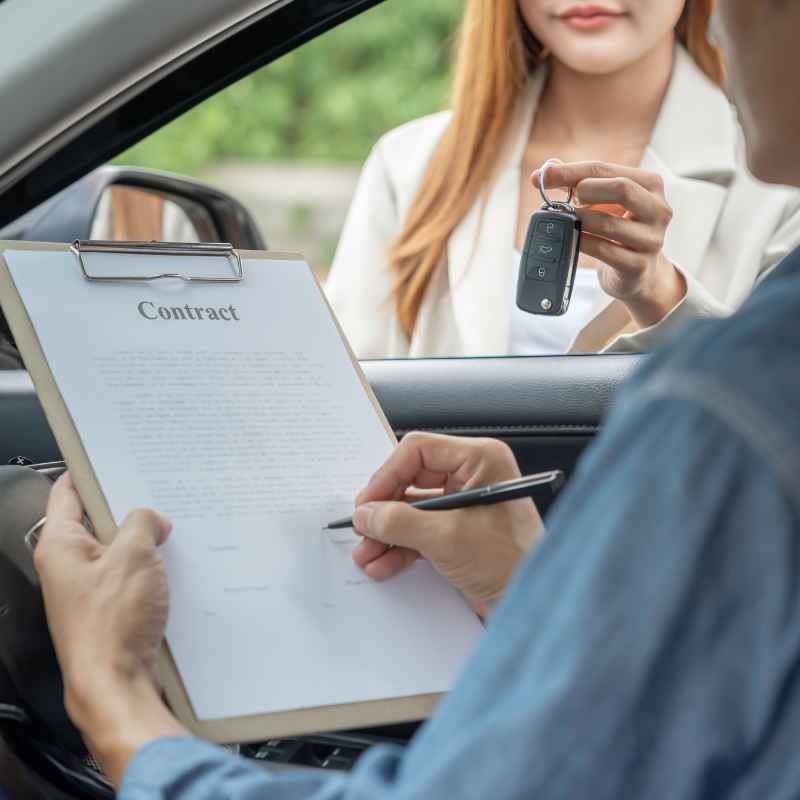
You agree on the price and dates. You sign a contract. Then, you get the keys.
You use the car. Finally, you bring it back. It’s designed to be straightforward.
But knowing what to expect makes it even easier.
My First Rental Car Scare
I remember my first time. I was about 20. I needed a car for a weekend trip.
My friend and I were driving to the beach. I walked into the rental office. The agent started asking me about insurance.
He mentioned collision damage waivers. He talked about supplemental liability. My eyes glazed over.
I felt a knot of panic in my stomach.
I had no idea what any of it meant. Was I going to have to pay extra? How much?
Was I going to ruin my budget? I just wanted a car to drive. I felt so out of my depth.
The agent seemed patient. But I was so embarrassed I didn’t know the basics. I ended up signing for some extra insurance I didn’t fully understand.
I just wanted to get out of there. That feeling of being overwhelmed stuck with me for years.
Looking back, I wish I had known more beforehand. It would have saved me stress. And maybe some money too.
That’s why I want to share this with you. So you don’t have to feel that way. You can be prepared.
You can make smart choices. You can enjoy your rental car experience from the start.
Understanding Your Needs
Think About:
- How many people will be riding?
- How much luggage will you carry?
- What kind of driving will you do (city, highway, off-road)?
- What’s your budget for the rental?
Choosing the Right Rental Company
There are many car rental companies out there. Big ones and small ones. Some are at the airport.
Others are off-airport. Each has different prices. They also have different types of cars.
It’s good to look at a few. This helps you find the best deal. It also helps you find the right car.
Airport locations are often convenient. You can get your car right after your flight. However, they can sometimes be more costly.
Off-airport locations might offer lower prices. But you’ll need to figure out how to get there. This might mean a taxi or a shuttle.
Weigh the convenience against the cost.
Think about what matters most to you. Is it the lowest price? Is it a specific car model?
Is it easy pickup and drop-off? Knowing this helps you pick the best company. Online comparison sites are very helpful.
They let you see many options at once. You can compare prices and car types easily.
What You Need to Rent a Car
Rental companies have rules. You need certain things to rent. This is important.
Make sure you have these items ready. It makes pickup much smoother. You don’t want any surprises at the counter.
First, you need a valid driver’s license. It must be current. It can’t be expired.
Some companies have age limits. You usually need to be at least 21. Sometimes 25.
If you are under 25, there might be extra fees. These are called young driver fees. Always check the age policy.
You’ll also need a credit card. This is for a security deposit. Debit cards are sometimes accepted.
But credit cards are usually required. The card needs to be in the renter’s name. Make sure you have enough credit available.
The deposit can be a few hundred dollars. It’s held until you return the car.
Some rentals might require a second form of ID. This could be a passport or a utility bill. This is less common but possible.
Having a driver’s license and credit card is the main thing. Always check the specific company’s requirements.
Key Documents Checklist
Bring These:
- Valid Driver’s License
- Major Credit Card (in renter’s name)
- (Sometimes) A second form of ID
Understanding Rental Cars: Types of Vehicles
Rental cars come in many shapes and sizes. The type of car you choose depends on your needs. It also depends on your budget.
Think about how many people will ride with you. Also, consider how much luggage you will bring.
Economy Cars: These are small and good on gas. They are great for one or two people. They are also budget-friendly.
They might not have much trunk space.
Compact Cars: Similar to economy cars. They offer a bit more space. Still good for fuel efficiency.
Suitable for short trips.
Mid-Size Cars: A good balance. They offer more legroom and trunk space. They can fit four adults comfortably.
Good for longer trips.
Full-Size Cars: These are larger sedans. They offer plenty of room. Great for families.
They have large trunks for luggage.
SUVs (Sport Utility Vehicles): These are versatile. They can handle different road conditions. They offer more space and a higher driving position.
Sizes vary from compact to large.
Minivans: Perfect for large families. They have three rows of seats. Lots of space for passengers and cargo.
Very practical.
Trucks: If you need to haul things. Rental trucks are available. They come in different sizes.
Luxury Cars: For a special occasion. You can rent high-end vehicles. These come with a higher price tag.
When you book online, you usually choose a car class. Not always a specific make or model. For example, you might book an “Economy” car.
The rental company will give you a car from that class. It could be a Toyota Yaris or a Nissan Versa. They guarantee a car within that group.
Booking Your Rental Car
Booking a rental car is best done in advance. This usually gets you better prices. It also ensures the car you want is available.
You can book online through rental company websites. Or you can use travel booking sites. These sites compare many companies.
When booking, you’ll need to enter:
Pickup location and date/time. Return location and date/time. Your age.
Driver’s license number. Contact information. Payment details.
Pay attention to the pickup and return times. If you return the car late, you might be charged for an extra day. This can be expensive.
Try to be precise. Also, check if you can return the car to a different location. This is called a one-way rental.
It often costs more.
Read the rental terms and conditions carefully. This is very important. It tells you about fuel policies, mileage limits, and other rules.
Many rentals include unlimited mileage these days. But it’s always good to check. Some might have restrictions.
Booking Tips:
- Book Early: Prices often go up closer to the date.
- Compare Prices: Use different websites.
- Check for Discounts: AAA, AARP, or credit card rewards might help.
- Read the Fine Print: Understand all fees and policies.
Understanding Rental Car Insurance (It’s Tricky!)
This is the part that confused me most. Rental car insurance can seem complicated. But it’s crucial.
It protects you if something happens to the car. Or if you cause an accident. Here are the main types of coverage.
Collision Damage Waiver (CDW) / Loss Damage Waiver (LDW): This is not insurance. It’s a waiver. It means the rental company won’t charge you for damage to their car.
This includes theft. It has a deductible. This is the amount you pay before they cover the rest.
Supplemental Liability Insurance (SLI): This covers damage you cause to other people’s property. It also covers their injuries. It increases the liability coverage.
Your personal auto insurance might already cover this.
Personal Accident Insurance (PAI): This covers medical expenses for you and your passengers. It’s like a travel insurance for accidents.
Personal Effects Coverage (PEC): This covers your belongings if they are stolen from the rental car.
What About My Own Insurance?
Your personal auto insurance might extend to rental cars. Check your policy. Your credit card company might also offer some rental car protection.
This is often secondary coverage. It kicks in after your personal insurance.
What to Do:
1. Check Your Personal Auto Insurance: Call your insurer. Ask about rental car coverage.
Note any limits or deductibles.
2. Check Your Credit Card Benefits: Many cards offer rental car insurance. Read the terms carefully.
Sometimes it’s only for certain car types or rental lengths.
3. Decide if You Need More: If your personal insurance is limited or doesn’t cover rentals, you might need CDW/LDW and SLI from the rental company.
4. Understand the Deductible: If you accept CDW/LDW, know the deductible amount. You will pay this much if there’s damage.
It’s wise to have coverage. It prevents huge unexpected bills. I usually check my personal insurance first.
Then my credit card. If I still feel exposed, I might buy the CDW from the rental company. But I always ask for it in writing what it covers.
Insurance Decision Guide:
Myth vs. Reality
| Myth | Reality |
|---|---|
| I don’t need rental car insurance. | Your personal insurance might cover you, but verify first. |
| My credit card covers everything. | Credit card coverage is often secondary and has limits. |
| CDW is insurance. | CDW/LDW is a waiver, not insurance, and has a deductible. |
Fuel Policies: A Common Pitfall
Fuel policies are a big deal. They can add unexpected costs. Rental companies have a few options.
Understand them before you leave the lot.
Full to Full: This is the most common. You get the car with a full tank. You must return it with a full tank.
If you don’t, they charge you. They charge a high price per gallon. Much higher than a gas station.
So, plan to fill up before returning.
Pre-Paid Fuel: You can pay for a full tank upfront. Usually at a competitive price. You can then return the car with any fuel level.
Even empty. This can be convenient. It’s often good if you drive a lot.
But if you don’t use the whole tank, you don’t get a refund.
We Fill It Up: You return the car with whatever fuel level it has. They will charge you for the fuel. Again, their price per gallon is high.
This is usually the most expensive option.
My Advice: For most people, the Full to Full policy is best. Just make sure to fill the tank before returning the car. Note the fuel level on the paperwork when you pick up the car.
Also, note it when you return it.
Fuel Policy Comparison
Quick Scan
- Full to Full: Most common. Fill up before returning to avoid high fees.
- Pre-Paid Fuel: Pay once. Return with any fuel level. Good for heavy drivers.
- We Fill It Up: Return as is. Most expensive option.
Picking Up Your Rental Car
The pickup process is where you get the keys. Be prepared. This is where you can catch issues early.
At the Counter:
Have your license and credit card ready. The agent will review your reservation. They will go over the contract.
Read everything before you sign. Ask questions about anything you don’t understand. This includes fees, insurance, and fuel policies.
Inspect the Car: This is vital. Do not skip this step. Walk around the car.
Look for any scratches, dents, or dings. Check the tires. Look inside the car for any damage or stains.
Use your phone camera. Take pictures or videos of any existing damage. Show these to the rental agent.
Make sure they are noted on the rental agreement. This protects you from being charged for damage you didn’t cause.
Check the Features: Make sure everything works. Turn on the lights. Test the wipers.
Check the radio. Ensure the air conditioning or heat works. Know where the spare tire and jack are located, just in case.
Understand the Controls: If it’s a car you’re not familiar with, ask the agent to show you basic functions. Like how to open the fuel door or turn on headlights. They are usually happy to help.
Get the Keys and Go: Once you’re happy with the inspection, sign the agreement. Take the keys. Drive away carefully.
Driving Your Rental Car: Rules and Etiquette
You have the car! Now, drive safely. Remember, it’s not your car.
Treat it with care.
Obey Traffic Laws: This seems obvious. But it’s important. Follow speed limits.
Obey signs. Use turn signals. Wear your seatbelt.
Drive sober.
No Smoking: Most rental cars are non-smoking. If you smoke, do it outside the car. There are hefty cleaning fees for smoking inside.
No Pets (Usually): Some companies allow pets. But many do not. If you bring a pet, use a carrier.
And check the pet policy first. Cleaning fees for pet hair can be high.
Avoid Toll Roads if Unsure: Some rental companies have toll transponders. These automatically pay tolls. But they can charge a daily fee for the transponder.
Plus the tolls. If you plan to use toll roads, ask about the system. Or pay tolls manually if possible.
Keep it Clean: Try to keep the interior relatively clean. Dispose of trash properly. Avoid eating messy foods inside.
Driving Etiquette & Tips
Quick Scan
- Drive Safely: Follow all traffic laws.
- No Smoking/Pets: Check policy to avoid fees.
- Tolls: Understand transponder fees or pay manually.
- Cleanliness: Keep the interior tidy.
Returning Your Rental Car
Returning the car is as important as picking it up. A smooth return means no surprises later.
Refuel: If you have a “Full to Full” policy, fill the tank near the rental return location. Get a receipt. Make sure the fuel gauge reads full.
Clean Up: Remove all your belongings. Check all doors, the trunk, and under the seats. Take out any trash.
If you had pets, vacuum if needed. Remove any pet hair.
Return Location: Drive to the correct return location. Follow the signs for rental car returns. Sometimes, you might need to take a shuttle to the main terminal if you’re at an airport.
The Return Agent: Hand over the keys to an agent. They will likely do a quick inspection of the car. They will check the fuel level.
They should give you a return receipt. Keep this receipt! It’s your proof of return.
Check Your Final Bill: The rental company will send you a final bill. It might be by email or mail. Compare this to your rental agreement.
Make sure all charges are correct. If you see anything unexpected, contact the rental company right away.
What if there’s damage? If the agent notes new damage, discuss it. Refer to the photos you took at pickup. Your insurance or waiver should cover it (minus your deductible).
Ask for a detailed report of the damage and charges.
Common Pitfalls to Avoid
Renting a car is usually easy. But some things can trip up first-timers. Being aware of these helps you avoid them.
Hidden Fees: Always ask about all fees upfront. Some common ones include airport surcharges, environmental fees, or young driver fees. Don’t let them surprise you at the counter.
Not Inspecting the Car: This is huge. I can’t stress this enough. Always inspect for damage.
Get it documented. If you don’t, you might be blamed for it.
Ignoring Insurance Details: Don’t just say “yes” to all insurance options. Understand what you have and what you might need. Check your own coverage first.
Running Out of Gas: Returning with an empty tank on a “Full to Full” policy costs a lot. Plan your refueling stop.
Late Returns: A few minutes can sometimes cost you a full day’s rental. Be mindful of your return time. If you know you’ll be late, call the rental company.
They might be able to adjust your reservation. Or at least inform you of potential charges.
Not Reading the Contract: The rental agreement is a legal document. Read it. If you don’t understand something, ask.
Don’t sign until you are comfortable.
Avoid These Mistakes:
Stacked Micro-Sections
Hidden Fees: Ask for a full breakdown of all charges.
Skipping Inspection: Document any existing damage with photos.
Insurance Blindness: Verify your personal and credit card coverage.
Fuel Mishaps: Refuel strategically before returning.
Late Returns: Plan your timing or communicate delays early.
Contract Ignorance: Read and understand all terms before signing.
Real-World Scenarios
Let’s look at some everyday situations where renting a car is helpful.
Vacation Travel: You fly into a new city. You need a way to explore. Renting a car gives you freedom.
You can visit attractions on your own schedule. You can drive to scenic spots. This is a very common reason for rentals.
Moving Day: Need to move furniture? Or move across town? A rental truck is perfect for this.
You can rent a cargo van or a moving truck. It’s cheaper than hiring movers for a small move.
Car Repair: Your car is in the shop for a week. You need to commute to work. Or run errands.
A rental car fills the gap. It keeps you mobile while your car is being fixed.
Weekend Getaway: Want to visit friends out of town? Or explore a nearby national park? Renting a car makes these short trips easy.
You don’t need to put miles on your own car.
Special Occasions: Maybe you have a wedding or a formal event. You want to arrive in style. You can rent a nicer car.
Or a larger car if you’re carpooling.
What This Means For You
For first-time renters, this means you have power. You have choices. You can make informed decisions.
You are not just a passenger in the process.
When it’s Normal: It’s normal to feel a bit nervous. It’s normal to have questions. It’s normal to want the best deal.
Most people do!
When to Worry: You should worry if a company is unclear about prices. Or if they pressure you into insurance you don’t want. Be cautious if a deal seems too good to be true.
Or if they don’t have clear contact information.
Simple Checks: Before you book, check reviews. Look at the company’s website. See if they list their policies clearly.
At pickup, do that inspection. It’s your best defense.
Understanding these basics means you can rent with confidence. You can enjoy your trip. You can use the car for what you need it for.
Without added stress.
Quick Fixes and Tips for First-Timers
Here are some extra tips to make your first rental super smooth.
Tip 1: Use a Credit Card for Deposit. It’s usually required. And it offers better fraud protection than debit cards.
Tip 2: Book a Car Class, Not a Specific Model. Unless you absolutely need a specific car, booking a class (like “Mid-Size”) gives you more options and often better prices.
Tip 3: Take Photos of EVERYTHING. Before you drive away, take pictures of the car’s exterior, interior, odometer, and fuel gauge. This is your proof.
Tip 4: Know Your Return Time. Set a reminder. Aim to be a little early, not late.
Tip 5: Ask About Roadside Assistance. Most rentals include it. But know what to do if you have a breakdown. Who to call?
Tip 6: Download the Rental Company’s App. Many companies have apps. They can help with reservations, pickup, and managing your rental.

Frequently Asked Questions
Can I rent a car with a debit card?
Some rental companies allow debit cards, but often with stricter requirements. You might need to show a return ticket or a credit check. It’s usually easier and more common to use a major credit card for a rental deposit.
What is the young driver fee?
This fee is for renters under the age of 25. Rental companies charge it because younger drivers are statistically more likely to be in accidents. The fee amount varies by company and location.
Do I need an International Driving Permit?
If your driver’s license is not in English, you may need an International Driving Permit (IDP) in addition to your license. This is common for travelers from non-English speaking countries renting cars in the U.S. Check with the rental company for specific requirements.
Can someone else drive the rental car?
Yes, but the additional driver must be listed on the rental agreement. There is usually an extra daily fee for additional drivers. They will also need to provide their driver’s license. Ensure they meet the rental company’s age and license requirements.
What if I get a speeding ticket in a rental car?
If you get a speeding ticket, you are responsible for it. The rental company may also charge an administrative fee for processing the ticket. It’s best to pay the ticket directly to avoid further charges.
Can I take a rental car across state lines?
Generally, yes. Most rental companies allow you to drive across state lines within the U.S. However, some may have restrictions on driving into specific regions or countries. Always check the rental agreement for cross-border or cross-state travel policies.
How do I handle a car breakdown?
Most rental agreements include roadside assistance. You should find a phone number for this service in your rental documents. Contact them immediately. They will arrange for towing or repair. Inform the rental company as well.
Conclusion
Renting a car for the first time doesn’t have to be scary. By understanding the basics of choosing a car, what you need, insurance, and the pickup/return process, you’re already ahead. Be prepared, ask questions, and always inspect that car.
You’ve got this!
Products related to this article
Sponsored / affiliate links. As an Amazon Associate I earn from qualifying purchases. I may earn additional commission from eligible campaigns.