How to Dim Apple CarPlay: Night Mode Fix
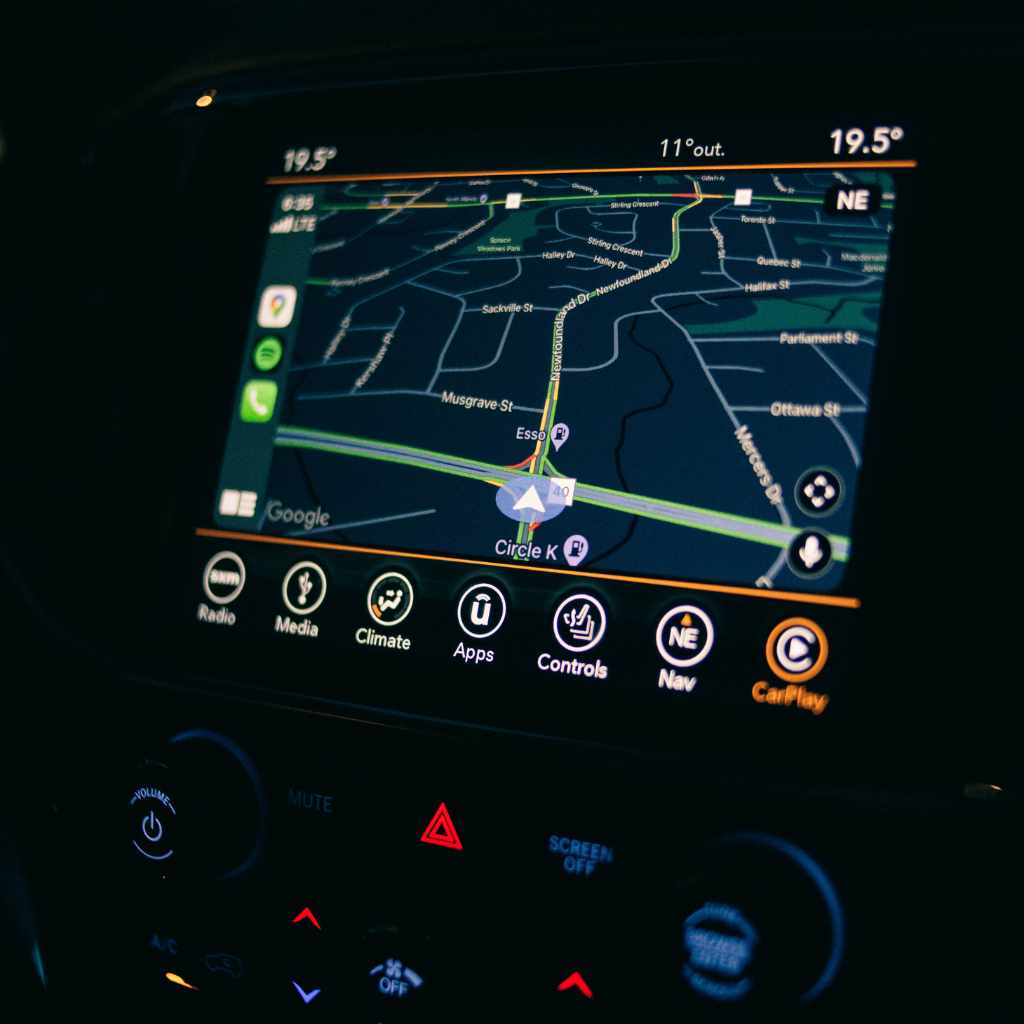
It can be frustrating when your Apple CarPlay screen is too bright, especially at night. Many people wonder How to Dim Apple CarPlay: Night Mode Fix because the default settings aren’t always ideal. It seems like a simple thing, but sometimes the controls can be tricky to find.
Don’t worry, it’s easier than you think. We’ll go through it step-by-step so you can get your screen just right. Let’s start by looking at the main reasons why this happens and how to adjust it.
Dimming Your Apple CarPlay Screen
Many drivers find the bright screen of Apple CarPlay, especially during nighttime driving, to be a significant distraction. The automatic brightness adjustment isn’t always perfect, and sometimes the “night mode” or dark theme doesn’t engage correctly, or it’s still too bright even when it is. This post will guide you through the most effective methods to dim your Apple CarPlay screen for a more comfortable and safer driving experience.
Understanding Apple CarPlay Brightness Settings
Apple CarPlay’s brightness is primarily managed by your iPhone. When your phone is connected, CarPlay takes its display settings from your iPhone. This is a key point that often trips people up.
They look for brightness controls within the CarPlay interface itself, but the primary adjustments are made on the device that’s connected.
Automatic Brightness vs. Manual Control
CarPlay has an automatic brightness feature that tries to adjust based on the ambient light. It works by sensing the light levels around your phone. If it’s dark outside, it should automatically switch to a darker theme (night mode) and dim the screen.
However, this doesn’t always happen as smoothly as we’d like. Sometimes, even in night mode, the brightness is still too high for comfortable viewing. This is where manual adjustments become necessary.
The good news is that Apple provides options to override the automatic settings and manually control the brightness of your CarPlay display. This involves adjusting settings on your iPhone, which then reflect directly onto your car’s infotainment screen.
How to Manually Adjust Apple CarPlay Brightness
The most direct way to control CarPlay’s brightness is through your iPhone’s Display & Brightness settings. This is the central hub for all screen-related adjustments on your phone, and it directly impacts how your CarPlay appears.
Adjusting Brightness on Your iPhone
Follow these steps to manually set your CarPlay brightness:
- Connect your iPhone to your car’s USB port or wirelessly if your car supports it.
- Open the Settings app on your iPhone.
- Tap on Display & Brightness.
- You will see a slider labeled Brightness. Drag this slider to the left to decrease the brightness or to the right to increase it.
- As you adjust the slider, you should see the brightness of your CarPlay screen change in real-time. Find a level that is comfortable for your eyes, especially during nighttime driving.
This manual adjustment is often the quickest and most effective way to address a CarPlay screen that is too bright.
Using Auto-Brightness
While manual control is great, you might also want to ensure the auto-brightness feature is working correctly if you prefer it. To check or enable this on your iPhone:
- Go to Settings > Accessibility.
- Tap on Display & Text Size.
- Scroll down to the bottom and toggle the switch for Auto-Brightness.
When Auto-Brightness is on, your iPhone will use its ambient light sensor to adjust screen brightness automatically. This feature is designed to conserve battery life and make viewing easier in different lighting conditions. However, as mentioned, it’s not always perfect for CarPlay, which is why manual overrides are so useful.
Ensuring CarPlay Enters Night Mode Correctly
Night mode, or the dark theme in CarPlay, is crucial for reducing glare and eye strain after dark. Its activation is usually tied to your iPhone’s settings or your car’s headlights.
Automatic Night Mode Activation
By default, Apple CarPlay switches to its dark theme automatically based on two main triggers:
- iPhone’s Display Settings: If your iPhone is set to “Automatic” or “Dark Mode” under Settings > Display & Brightness, CarPlay will typically follow suit. When your iPhone’s screen is set to Dark Mode, CarPlay will also display in dark mode.
- Car’s Headlights: In many vehicles, connecting your iPhone to CarPlay will cause the car’s system to communicate with your phone. When your car’s headlights are turned on, this signal often prompts CarPlay to switch to dark mode.
Troubleshooting Night Mode Issues
If your CarPlay is not switching to night mode, or if it stays in light mode even when it’s dark, here are some common fixes:
- Check iPhone Dark Mode Settings: Ensure your iPhone is set to Dark Mode or Automatic scheduling for Dark Mode. This is the most common reason for CarPlay not going into its dark theme.
- Verify Car’s Headlight Connection: Make sure your car’s automatic headlights are functioning correctly. Some cars have a setting to manually turn headlights on or off, or a specific “Auto” setting. Ensure this is engaged.
- Restart Your iPhone and CarPlay System: A simple restart can often resolve temporary glitches. Turn off your car, disconnect your iPhone, restart your iPhone, and then reconnect. You can also try restarting your car’s infotainment system if it has that option.
- Update iOS and CarPlay Software: Ensure your iPhone is running the latest version of iOS. Outdated software can cause compatibility issues. While CarPlay itself doesn’t have separate software you update, its functionality is tied to your iPhone’s operating system.
- Check Car’s Infotainment Settings: Some car manufacturers offer specific settings within their infotainment system that can influence CarPlay’s display. Look for options related to “Display,” “Brightness,” or “CarPlay” within your car’s menu.
Adjusting Brightness Directly Within CarPlay (Limited Options)
While the primary brightness control is on your iPhone, some vehicle systems integrate CarPlay brightness settings more directly. It’s worth checking your car’s infotainment system for any CarPlay-specific display adjustments.
Accessing Car Infotainment Settings
The exact location and availability of these settings vary greatly depending on the car manufacturer and model. Here’s where you might look:
- Car’s Main Menu: When your iPhone is connected to CarPlay, go to your car’s main infotainment menu.
- Settings/Setup Menu: Look for a “Settings” or “Setup” option.
- CarPlay or Phone Settings: Within the settings, you might find a section specifically for “CarPlay,” “Connected Phones,” or “Display.”
- Brightness or Display Options: If available, you might see options to adjust the brightness of the CarPlay interface or select a light/dark theme manually.
It’s important to note that these in-car settings are less common and often less granular than the iPhone’s direct brightness control. For most users, adjusting on the iPhone is the most reliable method.
When to Use Manual Brightness vs. Auto-Brightness
The choice between manual and automatic brightness is really a matter of personal preference and driving conditions.
Manual Brightness is Best For
- Consistent Comfort: If you consistently find the automatic brightness to be too high or too low at certain times of day, manual adjustment ensures your preferred brightness is always active.
- Specific Lighting Conditions: During foggy conditions or heavy rain, ambient light can fluctuate unexpectedly, causing automatic brightness to adjust erratically. Manual control provides stability.
- Avoiding Distraction: For drivers who are very sensitive to screen brightness, especially at night, setting a specific low brightness manually can significantly reduce eye strain and distraction.
Auto-Brightness is Best For
- Varied Driving Environments: If you frequently drive through areas with rapidly changing light conditions (e.g., tunnels, shaded roads, bright sun), auto-brightness can adapt smoothly without you needing to intervene.
- Simplicity and Convenience: For users who don’t want to think about screen brightness, the automatic setting offers a set-it-and-forget-it convenience.
- Battery Conservation: While less of a concern when plugged into your car, auto-brightness does help manage your iPhone’s battery more efficiently.
Advanced Tips for Optimizing CarPlay Display
Beyond basic brightness, a few other settings can enhance your CarPlay experience, especially at night.
Adjusting Text Size
Sometimes, the issue isn’t just brightness but also the size of the text and icons. Larger text can be easier to read at lower brightness levels.
- On your iPhone, go to Settings > Display & Brightness > Text Size.
- You can adjust the slider here. Larger text will appear larger in CarPlay.
- Also, under Settings > Display & Brightness > Bold Text, toggling this on can improve readability of text on your CarPlay screen.
Using CarPlay with Different Apps
Remember that individual apps within CarPlay might have their own display settings. For example, navigation apps like Google Maps or Waze often have their own dark mode or night mode settings that you can configure within the app itself, independent of the main CarPlay theme.
- Open the specific app (e.g., Google Maps) on your iPhone before connecting to CarPlay, or sometimes you can adjust settings while it’s active in CarPlay if the app allows.
- Look for display or theme options within the app’s settings menu.
Consider Night Shift or True Tone
While not directly controlling CarPlay’s brightness, your iPhone’s “Night Shift” feature can reduce blue light emitted from the screen, making it easier on your eyes. “True Tone” adjusts the color temperature of your display to match the ambient light.
- Night Shift: Settings > Display & Brightness > Night Shift. You can schedule it to turn on automatically from sunset to sunrise or during custom hours.
- True Tone: Settings > Display & Brightness > True Tone.
These iPhone settings can contribute to a more comfortable visual experience overall, even if they don’t directly dim the CarPlay interface.
How to Dim Apple CarPlay: Night Mode Fix Summary
The core of resolving a too-bright Apple CarPlay screen, especially at night, lies in understanding that its display settings are primarily controlled by your connected iPhone. By accessing your iPhone’s Display & Brightness settings, you can directly adjust the overall brightness slider. Furthermore, ensuring your iPhone is set to Dark Mode or an automatic Dark Mode schedule is key to triggering CarPlay’s night mode.
If night mode isn’t engaging, check your car’s headlight connection and consider restarting your phone and CarPlay system. Some vehicles may offer limited in-car adjustments for CarPlay display, but the iPhone remains the main control center. Fine-tuning text size and exploring app-specific settings can also enhance readability.
Frequently Asked Questions
Question: My Apple CarPlay screen is too bright at night, what should I do first?
Answer: The first thing to check is your iPhone’s brightness setting. Open Settings on your iPhone, go to Display & Brightness, and adjust the brightness slider downwards.
Question: How do I make Apple CarPlay automatically switch to night mode?
Answer: Ensure your iPhone is set to Dark Mode or Automatic scheduling for Dark Mode in Settings > Display & Brightness. Also, make sure your car’s headlights are set to activate automatically at night.
Question: Can I adjust CarPlay brightness directly from my car’s screen?
Answer: This varies by car model. Some vehicles have limited CarPlay display settings within their infotainment system, but most brightness adjustments are made on your iPhone.
Question: Why is my CarPlay screen still too bright even in dark mode?
Answer: Even in dark mode, the brightness slider on your iPhone controls the overall screen intensity. You likely need to manually lower the brightness on your iPhone while in dark mode for it to be dim enough.
Question: What if my CarPlay screen is sometimes too dark?
Answer: If it’s too dark, try increasing the brightness slider on your iPhone. If you are using auto-brightness, check that your iPhone’s ambient light sensor is not obstructed and that the car’s lighting conditions are accurately perceived by the phone.
Final Thoughts
Dealing with a glaring Apple CarPlay screen can be a real nuisance, but thankfully, the solution is usually quite straightforward. By remembering that your iPhone is the conductor of your CarPlay display, you can easily take control. Adjusting the brightness slider on your phone is your primary tool for a comfortable viewing experience, especially when driving after sunset.
Don’t forget to ensure your iPhone’s Dark Mode is properly set up, as this is essential for enabling CarPlay’s night mode, which significantly reduces glare. If night mode isn’t cooperating, simple steps like restarting your phone and checking your car’s headlight system can often fix the issue. Pay attention to your car’s specific infotainment options too, though they are less common for brightness control.
Keep these simple adjustments in mind, and you’ll be enjoying a perfectly lit CarPlay screen on every drive, day or night. Experiment with the settings until you find what feels best for you, ensuring safer and more pleasant journeys.