How To Find A Lost Key Fob Inside Your Car Fast
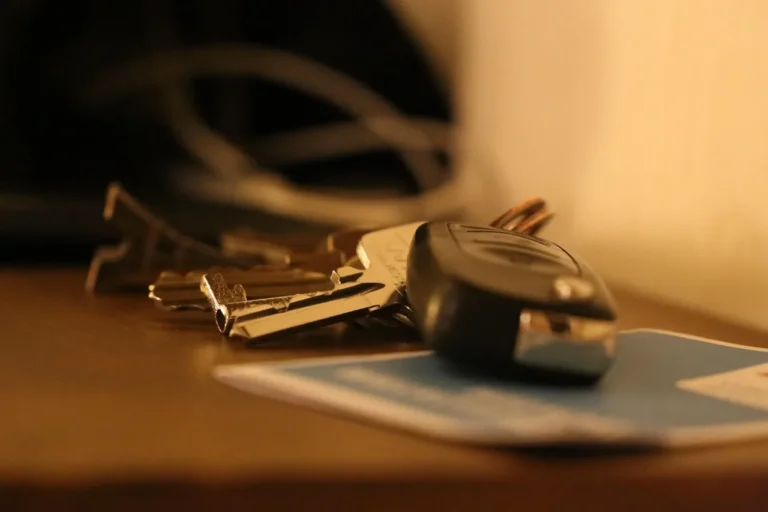
It’s that sinking feeling, isn’t it? You know your car key fob is somewhere. You’ve checked your pockets, your bag, the usual spots.
But the real dread sets in when you realize it might be inside your car. This happens more often than you think. Cars have so many nooks and crannies.
Finding that small, often black, plastic piece can feel like searching for a needle in a haystack. Let’s dive in and figure this out together, so you can get back to your day.
When a car key fob is lost inside the vehicle, the best approach involves systematic searching of common and overlooked areas, using a systematic process of elimination combined with auditory cues and visual aids. This guide helps you find it without panic.
Understanding Where Your Key Fob Might Be
Your car key fob is a small electronic device. It has buttons and a battery. It communicates with your car’s computer.
Because it’s small, it can easily slip into places you wouldn’t expect. Think about how you use your car. You might have placed it down for a moment.
Maybe it fell out of a pocket as you moved around. Or perhaps a child or pet batted it somewhere.
Cars are designed for comfort and utility. This means they have lots of storage. There are cup holders, door pockets, and seat crevices.
There’s the glove box and the center console. Even the floor mats can hide things. The key fob doesn’t need much space to disappear.
It can wedge itself into tight spots. This is why a careful, step-by-step search is key.
Modern cars also have complex interiors. There are many plastic panels and trim pieces. Underneath these can be small gaps.
If the fob is small enough, it can slip down behind a seat. It might even get stuck in a seat adjustment mechanism. Understanding these potential hiding spots helps narrow down your search area.
The shape of the fob also matters. Most are oval or rectangular. Some have a metal key attached.
This shape can help it slide into certain openings. It can also make it harder to spot visually. Its dark color can also blend in with shadows.
This is why sometimes you need more than just your eyes.
Think about your last few trips in the car. Did you have anything else in your hands? Were you carrying groceries?
Did you adjust your seat significantly? These actions might have dislodged the fob. They can give you clues about where it might have gone.
Don’t just look randomly. Try to retrace your steps inside the car.
Consider the floor. If the fob fell, it could have rolled. It might have ended up under a seat.
Or it could be near the pedals. The pedals themselves have moving parts. A fob could easily get lodged there.
This is a dangerous spot, so be careful if you search near the pedals.
What about the doors? The door pockets are designed to hold things. But items can fall out.
The door panel itself has seams. Small items can sometimes get pushed into these seams. This is less common, but it’s worth knowing.
The dashboard has many surfaces. There are also vents. Small objects can fall into car vents.
They might not go far. But they can be hard to see. They can also be hard to reach.
This is another area to keep in mind.
Finally, think about the trunk or cargo area. If you were loading or unloading things, the fob could have fallen then. The trunk has mats and compartments too.
It might seem less likely, but it’s a possibility.
My Own Key Fob Fiasco: A Moment of Panic
I remember one time, it was a sweltering summer afternoon. I was heading to meet a friend. I hopped into my car, ready to go.
I put my phone on the passenger seat. I reached for my key fob to start the engine. It wasn’t there.
My heart did a little jump. Okay, not a big deal, I thought. I checked my pockets.
Nope. I looked on the passenger seat. Nothing.
Then I started to look around more. I checked the console. Under the floor mats.
I even looked in the cup holders.
Panic started to creep in. My friend would be waiting! I felt a wave of frustration.
This little plastic thing was holding me up. I started pulling things out of the door pockets. I looked under the seats.
I felt along the edges of the seat cushions. Nothing. The sun was beating down, and I was getting hot and bothered.
I could almost feel my brain short-circuiting from the stress.
Then, I remembered I had a small bag of snacks in the back seat. I had been eating them earlier. I had tossed them onto the floor.
I got out of the car, walked around to the back, and bent down. There, partially hidden by the snack bag, was my key fob. It had slipped right down into the seam between the back seat and the car’s floor.
I let out a huge sigh of relief. It was such a simple fix, but my frantic search had made me overlook the obvious. That experience taught me to stay calm and be systematic.
Key Fob Hiding Spots Checklist
Seat Crevices: Between the seat cushion and the seat back.
Under Seats: Check the entire floor space beneath the front and back seats.
Floor Mats: Look under and around the edges of all floor mats.
Console: Inside the center console and glove box.
Door Pockets: Empty them out completely.
Pedal Area: Be cautious but check near the gas, brake, and clutch pedals.
Dashboard Vents: Look into the larger vents if possible.
Seat Tracks: Check along the metal rails that the seats move on.
The Systematic Search: A Step-by-Step Plan
When you can’t find your key fob, the worst thing to do is panic. Take a deep breath. Let’s create a plan.
This plan will help you search every likely spot. It will make the search efficient.
Step 1: Stay Calm and Assess. Before you even start looking, just sit for a moment. Think about the last time you know you had the fob. Where were you?
What were you doing? This mental retracing is often the first clue.
Step 2: Visual Scan of Obvious Spots. Look at the driver’s seat. Check the passenger seat. Look at the center console.
Check the cup holders. Look on the dashboard. Check the door pockets.
These are the first places most people look. Do a quick, clear scan of these.
Step 3: Tackle the Floor. Get down low. Look under the front seats. Look under the back seats.
Use a flashlight if it’s dim. Feel around with your hands. The floor is a common place for things to fall.
Especially if they slide out of a pocket.
Step 4: Investigate Seat Crevices. This is where many fobs hide. Push your hand down between the seat cushion and the seat back. Feel deeply.
Use your fingers to explore the entire depth of the crevice. Do this for all seats.
Step 5: Check Under Floor Mats. Lift up each floor mat. Look on the floor underneath. Sometimes a fob can slide under the edge of a mat.
It can get stuck there. Make sure to check all mats, front and back.
Step 6: The Center Console and Glove Box. Open the center console. Empty it if needed. Look inside thoroughly.
Do the same for the glove box. These are storage areas, but things can get pushed to the back or fall into compartments within them.
Step 7: Door Pockets and Panels. Empty the door pockets completely. Look into the very bottom of them. Sometimes there are small dividers or pockets within pockets.
Also, look at the edges of the door panels. A fob could slip into a seam.
Step 8: The Pedal Area (with Caution). This area needs care. Look around the base of the brake, gas, and clutch pedals. Make sure the car is off and the parking brake is engaged.
It’s unlikely, but possible the fob got kicked there.
Step 9: Dashboard and Vents. Look at the dashboard closely. Check any small storage compartments or trays. If your car has large air vents, look into them.
Sometimes small objects can fall into the top of a vent and get stuck just inside.
Step 10: Seat Tracks and Underneath. Look at the metal tracks that your seats slide on. A fob could fall into the mechanism. Or it could get wedged under the seat frame itself.
Get a flashlight and shine it underneath the entire seat area.
Step 11: Cargo Area and Trunk. If you used the trunk recently, check there. Look under the cargo mat. Check any side compartments.
Sometimes things get overlooked when unloading.
Step 12: Listen Carefully. If your fob has a “find me” feature or a panic button, try using it. Pressing it might make a sound. This sound can help you pinpoint the location.
Even without that, sometimes a dropped fob can make a slight rattling sound if you gently shake something near it. (Be careful not to break anything).
Step 13: Use a Light Source. A bright flashlight is your best friend here. Shine it into dark corners. Angle it to catch reflections off the fob.
Sometimes the light hitting the plastic makes it visible.
Step 14: Consider Tools. If you can see it but can’t reach it, you might need a tool. A yardstick with tape, a grabber tool, or even a straightened coat hanger can help. Attach a small piece of double-sided tape to the end of a stick to retrieve it.
Quick Search Tips
- Use a bright flashlight.
- Get down low for a new perspective.
- Feel with your hands in dark spots.
- Move car items out of the way.
- Retrace your last actions in the car.
When It’s More Than Just a Crevice
Sometimes, a key fob can get into a truly awkward spot. This might be due to the design of your car. Or it could be from a specific event.
For instance, if you dropped it while leaning over a particular way.
Some cars have very deep seat pockets. Or maybe the trim around the center console has a wide gap. These are spots where a fob could fall and disappear from view.
It might slide down behind panels. This is less common, but it happens.
Think about the mechanical parts of your car. Seat adjustment levers can have openings. If a fob falls near these, it might get pulled into the mechanism.
This can be very frustrating. It might require a bit more effort to retrieve.
Consider the vents again. If a fob is small and light enough, it could be sucked into a vent. It might not travel far.
But it can get lodged in the ductwork. This is rare, but possible with some designs.
What if you have young children or pets? They love to play with small objects. A key fob might be seen as a toy.
They could have intentionally hidden it. Or they might have accidentally knocked it into a hard-to-reach place.
If your car has a lot of carpeted areas, like the floor or the trunk, a fob can get pushed down into the fibers. It can almost disappear into the material itself. This makes it hard to see.
You might need to feel around more.
Sometimes, the fob can get wedged under a hard plastic piece. This could be a kick panel near the pedals. Or it might be trim along the door sill.
These edges can create small traps for small items.
If your car has a lot of electronics, there are wires and modules. While it’s very unlikely, a fob could fall into a space near these. This is not something to worry about unless you have a very specific car model known for this.
Most of the time, it’s just a simple hiding spot.
Contrast Matrix: Normal vs. Concerning
Normal Hiding Spots
Under seats: Common. Easy to reach with a tool.
Seat crevices: Very common. Simple to feel for.
Floor mats: Normal. Just lift them up.
Console/Glove box: Standard storage areas.
Concerning Spots (Less Likely)
Behind panels: May require minor disassembly.
Inside vent ducts: Rare. May need professional help.
Within seat mechanisms: Can be tricky to access.
Near critical electronics: Very rare, but approach with care.
Using Your Senses: Beyond Just Looking
Searching for a lost key fob isn’t just about sight. You can use your other senses too. This can be a real game-changer.
Touch: As mentioned, feeling with your hands is crucial. Especially in dark, tight spaces. Slide your fingers along surfaces.
Explore the depth of crevices. Feel for the hard plastic of the fob. This is often how you’ll find it when you can’t see it.
Sound: If your key fob has a panic button or a “find my car” feature, use it. Pressing the button on the fob (if you can find it) or on a spare key will make your car’s alarm chirp or honk. This sound will guide you.
Even without a specific feature, sometimes when you move things around, a loose fob might make a small rattling sound. Listen for this when you’re shuffling items or cleaning.
Smell (Less Common but Possible): This is a long shot. But if your car has had spills or odors, a fob that has been sitting in a wet spot might have a faint smell. Or if there’s a distinct odor from something stuck near the fob.
This is usually a last resort, but don’t discount any sensory clue.
Proprioception (Body Awareness): Think about your body movements. When you last sat down, did you feel something shift or fall? Sometimes your own physical sensation can give you a hint.
Did you hear a tiny clink or thud when you adjusted your seat?
Contextual Awareness: This is about putting all the pieces together. Where did you last see it? What were you doing?
What sounds did you hear? What did you feel? Combining these sensory inputs helps create a clearer picture of where it might be.
For example, if you were digging through your center console for gum, and you felt something small slip from your fingers, and then you heard a very faint thud under the seat, you’d focus your search there. Your senses are powerful tools when used together.
Sensory Search Guide
Sight
Use a flashlight.
Look from different angles.
Check dark spots.
Touch
Feel in all crevices.
Explore under seats.
Move items and feel the surface.
Sound
Use the car’s locate feature.
Listen for small rattles.
Pay attention to your own sounds.
What This Means for You: When to Be Concerned
Most of the time, a lost key fob inside your car is a minor inconvenience. You’ll find it after a thorough search. But there are a few times when you might need to be a bit more concerned.
When it’s truly inaccessible: If you’ve searched everywhere, and you’re sure it’s in your car, but you absolutely cannot reach it. For example, if it fell deep inside the dashboard or under complex seat mechanisms. This is when you might need a mechanic or an automotive locksmith.
If it affects car function: In very rare cases, a foreign object near sensitive electronics could cause issues. If your car starts acting strangely after you think the fob may have fallen somewhere unusual, that’s a sign to get it checked. This is highly unlikely for a key fob.
If you have young children or pets: If your child or pet is known to play with small objects, and the fob is missing, it’s worth being extra vigilant. Ensure they haven’t swallowed it or put it in a place that could be dangerous for them.
When you need the car urgently: If you are in a situation where you absolutely must drive and cannot find the fob, you may need to call for roadside assistance or a tow. It’s better to be safe and get it towed than to risk damaging your car or having a safety issue.
When to simply call for help: Don’t hesitate to call a professional if you’ve exhausted your options. An automotive locksmith or your car dealership’s service department can often help. They have specialized tools and knowledge.
They can often retrieve items from tricky spots without causing damage.
However, for most people, the key fob is just hiding. It’s not truly lost forever. It’s just playing a game of hide-and-seek.
A systematic approach usually wins the game.
Simple Checks You Can Do
Check your car’s keyless entry system documentation. Some cars have a specific procedure for finding a lost fob.
Try your spare key fob. If you have one, use it to start your car. This will give you time to search without the immediate pressure.
Clean out your car. A good vacuum and a general tidy-up can reveal items you missed. Plus, it might prevent this from happening again.
Preventing Future Fob Disappearances
Once you find your key fob, you’ll want to avoid this stress again. Here are some simple ways to keep track of it.
Designate a “home” for it. Have a specific spot in your car where the fob always goes. This could be a small tray, a hook, or a specific pocket. Make it a habit to put it there as soon as you get in.
Use a key finder. These are small electronic tags you can attach to your fob. You can then use a smartphone app to make the tag beep. This is a lifesaver for many people.
Consider a brightly colored fob cover. A black fob blends in easily. A bright red, orange, or even neon green cover makes it much more visible. This alone can help you spot it faster.
Attach a lanyard or keychain. A large, distinctive keychain can make the fob harder to lose. It also makes it easier to grip and less likely to slip into tiny cracks.
Be mindful when carrying things. If you’re juggling groceries, bags, or other items, be extra careful about where you place your fob. It’s easy for it to slip out of your hand or pocket in these situations.
Regularly clean your car. A clean car means fewer places for things to hide. Make it a habit to do a quick clean-out every week or two.
Have a spare key fob. This is essential. If your primary fob goes missing, you can still use your car. It also gives you peace of mind.
Programming a spare fob is much easier when you have the original.
These small steps can save you a lot of time and frustration in the future. It’s about building good habits.
Frequently Asked Questions About Lost Car Key Fobs
What if my car key fob fell into a vent?
If you suspect your key fob fell into a car vent, use a flashlight to look inside. If you can see it, try using a flexible grabber tool or a piece of wire with tape on the end to carefully pull it out. If it’s too deep or stuck, it might be best to consult a mechanic or an auto glass repair shop, as they have tools for retrieving items from ductwork without causing damage.
Can a key fob get stuck in the seat rails?
Yes, it’s possible for a key fob to fall into the seat rails, especially if you have a lot of debris or loose items around the base of your seat. Use a flashlight to look along the metal tracks where the seat moves. You might be able to dislodge it with a long, thin object or retrieve it with a grabber tool.
How can I find a lost key fob if my car has keyless entry?
Many keyless entry systems have a “find my car” feature. If your car’s fob has a panic button or a separate locate button, press it. This will usually make your car’s horn honk or its lights flash, helping you pinpoint its location.
If your fob is truly inside the car, this sound can be very helpful.
What should I do if I can see the key fob but can’t reach it?
If you can see the lost key fob but it’s out of reach, use a tool. A long grabber tool is ideal. You can also improvise with a yardstick, a coat hanger straightened out, or a broom handle.
Attach some strong double-sided tape or sticky putty to the end of the tool. Gently press the sticky end onto the fob to lift it out.
Is it safe to drive my car if I can’t find the key fob?
If your car uses the key fob to start the engine (keyless start), you generally cannot drive the car without it nearby. If you’ve lost the fob inside the car and the car can detect it, you might be able to start it. However, if the car cannot detect the fob, it won’t start.
If it does start, but the fob is in a precarious spot, it’s still advisable to retrieve it for safety and to prevent potential damage to the car’s systems.
How much does it cost to replace a lost car key fob?
The cost to replace a lost car key fob can vary widely. It depends on the make and model of your car. Basic fobs might cost $50 to $150.
Luxury or high-tech fobs can cost $200 to $500 or more. You also need to factor in the cost of programming the new fob to your car, which can add another $50 to $200.
Final Thoughts on Finding Your Key Fob
Losing your car key fob inside your vehicle can be a stressful event. But with a calm mind and a systematic approach, you can usually find it. Remember to use your eyes, hands, and ears.
Think about where it might have slipped. And don’t be afraid to use tools or ask for help if needed. You’ll be back on the road before you know it.
If the fob never turns up and you’re locked out right now, see our guide on what to do when your keys are locked inside the car for DIY methods, locksmith costs, and when AAA covers it.
Products related to this article
Sponsored / affiliate links. As an Amazon Associate I earn from qualifying purchases. I may earn additional commission from eligible campaigns.