How To Fix A Loose Aux Port In Your Car (Quick Diy Fix)
A loose aux port in your car often happens due to wear and tear. This guide helps you understand why it occurs and provides simple steps to fix it. You can often restore a stable audio connection with basic tools and patience.
Understanding Your Car’s Aux Port
Your car’s auxiliary (aux) port is like a small doorway. It lets sound from your phone or music player travel to your car’s speakers. Think of it as a direct line for your music.
This port is usually a 3.5mm jack, similar to the one on headphones.
Inside that small hole are metal contacts. These contacts connect to the plug of your aux cable. When you plug in your device, these connections are made.
This allows the audio signal to pass through smoothly. It’s a pretty simple system, but it needs good contact to work right.
Over time, this connection can get weak. This is where the “loose” part comes in. The plug might not sit snugly anymore.
Or the internal contacts might shift. This can lead to the sound cutting out. You might also hear static or a buzzing noise.
It’s like a handshake that’s not firm enough.
Why Do Car Aux Ports Get Loose?
Several things can make your car’s aux port loose. It’s usually a mix of how we use it and how it’s built. Think about how often you plug and unplug your aux cable.
Each time, there’s a little stress on the port.
Common culprits include:
- Constant Use: Plugging and unplugging your aux cable day after day causes wear. The metal parts can get bent or weakened over time.
- Rough Handling: Sometimes, cables get yanked out. Or the plug might be forced in at an odd angle. This can damage the delicate parts inside.
- Vibrations: Cars are always vibrating. These constant shakes can loosen the port’s mounting over time. It’s like a screw that slowly unscrews itself.
- Age: Like anything, car parts wear out. The plastic and metal inside the aux port can degrade with heat and time.
- Poor Installation: In some cases, the port might not have been installed perfectly from the start. This makes it prone to loosening earlier.
These factors work together. A port that’s used a lot and experiences rough handling is more likely to become loose faster. It’s the combination of these small stresses that adds up.
Common Signs of a Loose Aux Port
Sound Issues: The most obvious sign is inconsistent sound. It might cut in and out. Or one side of the stereo might stop working.
Crackling or Static: You’ll hear unwanted noise. This is often due to poor contact between the cable and the port.
Cable Wiggling Needed: You might have to wiggle the aux cable to get it to work. This tells you the connection isn’t stable.
Loose Feel: When you plug in the cable, it might feel overly loose. There’s no firm resistance.
My Own Aux Port Adventure
I remember this one road trip a few years back. I was so excited to play my new favorite podcast for my friends. I grabbed my trusty aux cable, plugged it into my phone, and then into the car.
Nothing. Just silence. I wiggled the cable.
Still nothing. Then, I nudged it just so, and a loud burst of static blasted through the speakers. My friends jumped!
I tried unplugging and replugging. I even tried a different aux cable. The same thing happened.
The sound was there one second, gone the next. I felt a pang of panic. Was this going to ruin the whole trip’s vibe?
I looked at the aux port. It looked fine from the outside, but the plug felt really loose. It didn’t click or feel secure.
That’s when I knew it was the port itself. It was a minor annoyance, but it felt like a big deal in that moment. I ended up having to drive in near silence, which was way less fun.
After that trip, I vowed to fix it. I didn’t want that to happen again. It’s amazing how a small thing like a loose aux port can impact your mood and your drive.
It made me realize how much we rely on these little connections for our everyday enjoyment.
Steps to Fix a Loose Car Aux Port
Okay, let’s get practical. Fixing a loose aux port usually involves tightening something or cleaning out debris. Most of the time, you can do this without taking apart your whole dashboard.
Here’s a breakdown of what you can try.
1. Clean the Aux Port First
Dust and lint love to collect in small spaces. Your car’s aux port is no exception. A dirty port can prevent a good connection.
This can make it seem loose.
What you’ll need:
- A can of compressed air
- A small, non-metallic tool like a wooden toothpick or a plastic dental pick
- Rubbing alcohol (isopropyl alcohol) and a cotton swab (optional)
How to do it:
Start by using compressed air. Give the port a good blast. This can blow out loose dust.
If that doesn’t work, try the toothpick. Gently insert it into the port. Carefully scrape around the inside walls.
Be very gentle! You don’t want to damage the contacts.
If there’s stubborn gunk, you can use a cotton swab lightly dampened with rubbing alcohol. Make sure it’s just damp, not wet. Insert it carefully and clean the contacts.
Let it dry completely before plugging anything in. This cleaning step is often overlooked but can solve many issues.
Quick Scan: Cleaning Tips
Use Compressed Air: Best for loose dust.
Toothpick/Dental Pick: For gently scraping stubborn dirt.
Isopropyl Alcohol: For deep cleaning, use sparingly.
Safety First: Never use metal tools. Ensure the port is dry.
2. Check and Tighten the Aux Cable Plug
Sometimes, the problem isn’t the port but the cable’s plug itself. Older cables can wear out. The metal tip might be bent or loose.
What to look for:
- Is the plug’s metal tip wobbly?
- Does it look bent or damaged?
- Does the cable itself feel loose where it enters the plug?
If your cable plug seems damaged, the best fix is to get a new aux cable. They are inexpensive. Try a higher-quality cable, too.
Some cheaper ones have flimsy connectors. A new cable with a solid plug can make all the difference. Test it in another device, like headphones, to be sure.
3. Tightening the Aux Port Itself (If Accessible)
This is where we get into slightly more involved steps. Some car aux ports are mounted from behind. They have a nut or screws holding them in place.
If you can access the back of the port, you might be able to tighten it.
Accessing the Port:
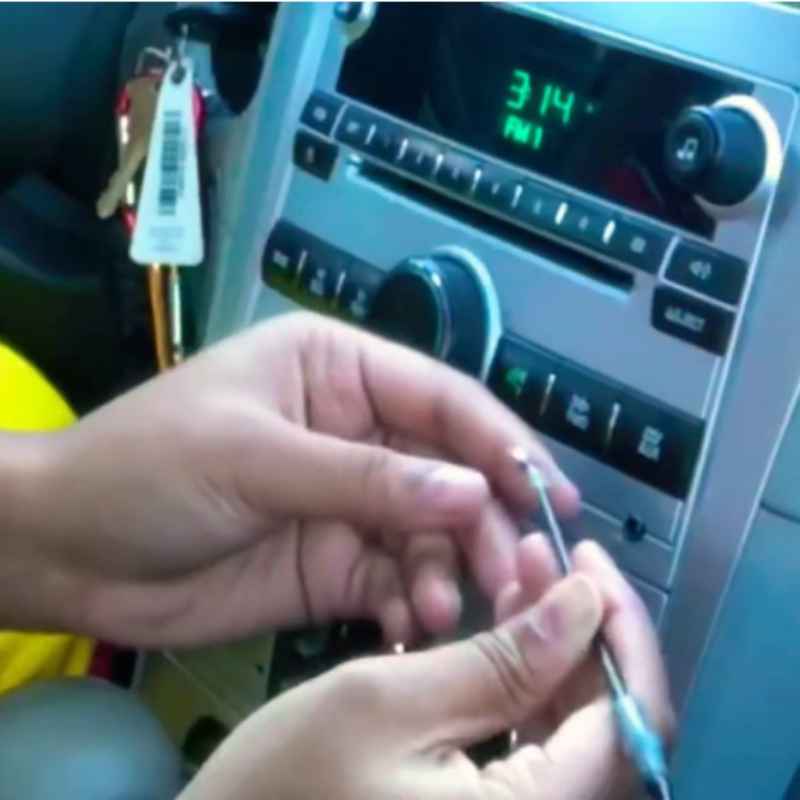
This is the trickiest part. You might need to remove a small panel around the port. Or, if it’s in the center console, you might need to remove that.
Look for small screws or clips holding the panel in place. A trim removal tool is helpful here to avoid scratching your car’s interior.
Tightening:
Once you can see the back of the aux port, look for a nut. This nut screws onto the threaded part of the port that goes through the dashboard. Use a small wrench or pliers to gently tighten this nut.
Don’t overtighten it! You don’t want to crack the plastic around it.
Some ports might be held in with small screws. In that case, use a small screwdriver to tighten them. The goal is to make the port feel snug and secure.
It shouldn’t wiggle when you touch it.
Tools You Might Need
Small Screwdriver Set: For tightening any screws.
Small Wrench or Pliers: For tightening nuts behind the port.
Trim Removal Tools: To safely remove interior panels.
Phillips Head or Flathead: Know which type you might encounter.
4. Shimming the Aux Port (Advanced Trick)
If you can’t easily access the back to tighten it, there’s a clever trick. This involves creating a tighter fit from the front. It’s like adding a shim to a wobbly table.
What you’ll need:
- Thin, stiff material: A small piece of plastic (like from a plastic bottle) or sturdy paper/cardboard
- Scissors or a craft knife
How to do it:
Carefully cut a small sliver of your chosen material. It should be thin enough to fit between the aux port opening in the dashboard and the port itself. You want to the port feels loosest.
Gently push it in. Make sure it doesn’t interfere with plugging in the aux cable.
The idea is to create a snugger fit. This material acts as a wedge. It stops the port from wiggling around.
You might need to trim it a few times to get it just right. This is a temporary fix but can work well.
5. Checking Internal Connections (If Comfortable)
This is a more advanced step. If you’re comfortable with electronics, you can investigate the wiring behind the port. The aux port is connected by wires to your car’s audio system.
These wires can sometimes become loose.
Warning: Only do this if you know what you’re doing. Incorrect wiring can cause electrical problems. If you’re unsure, it’s best to stop here or seek professional help.
If you’ve managed to access the back of the port, look at the wires. They usually connect via small spade connectors or are soldered on. Ensure all connections are secure.
If a wire is loose, you might be able to re-crimp a connector or re-solder it. Again, this requires care and knowledge.
When to Seek Professional Help
Uncomfortable with Disassembly: If removing car panels feels daunting.
No Improvement After Cleaning: If basic fixes don’t work.
Complex Wiring Issues: If you suspect a deeper electrical problem.
Car Still Under Warranty: Avoid DIY repairs that could void it.
Real-World Context: Why This Happens in Cars
Your car is a constantly moving environment. Think about it: constant vibrations from the road. Temperature changes, from scorching summer days to freezing winter nights.
Add to that the daily routine of plugging in and unplugging your phone. It’s a recipe for wear and tear.
The aux port is often located in places that get a lot of use. It could be on the dashboard, in the center console, or even in the glove box. These areas are frequently touched or have things placed on them.
The constant jostling and slight impacts add up. Over time, the physical connection holding the aux port in place can loosen.
Materials also play a role. The plastic surrounding the port can become brittle with age and heat. This makes it more prone to cracking or not holding screws or nuts as tightly.
The metal contacts inside can also lose their springiness. This means they don’t grip the aux cable plug as firmly as they used to.
User habits are a big factor, too. If you often leave your aux cable plugged in, it can snag on things. This can put undue stress on the port.
Yanking the cable out without holding the plug can also bend or loosen the internal components. It’s the accumulation of these everyday interactions that leads to a loose aux port.
What This Means for Your Audio Experience
A loose aux port isn’t just a minor annoyance; it directly impacts your listening. When the connection is weak, the audio signal suffers. This is why you get those frustrating sound cut-outs and crackles.
When it’s normal:
It’s normal to experience a loose aux port after several years of use. The wear and tear on the components are expected. A slightly wobbly plug that still produces clear sound might not be an immediate problem, but it’s a sign to watch.
When to worry:
You should worry if the sound is completely gone. Or if you have to hold the cable in a specific, awkward position for it to work. Persistent static or buzzing that doesn’t go away with cleaning or a new cable is also a concern.
This could mean the internal wiring is damaged or the port itself is failing.
Simple checks:
- Test with another cable: Rule out a faulty cable.
- Listen for different sounds: Is it just static, or is the audio completely gone?
- Check other inputs: If your car has USB or Bluetooth, do they work? This helps isolate the problem to the aux port.
- Look for physical damage: Is the port visibly bent or broken?
These simple checks can help you figure out if it’s a simple fix or something more serious.
Myth vs. Reality: Aux Port Issues
Myth: If the sound cuts out, my stereo is broken.
Reality: Often, the issue is a loose connection at the aux port or cable, not the stereo itself.
Myth: Only expensive cars have problems with aux ports.
Reality: Aux ports are common across all car types. Wear and tear affect them regardless of vehicle cost.
Myth: If it’s loose, I need to replace the whole dashboard.
Reality: Most loose aux port issues can be fixed with simple DIY methods or by replacing just the port itself.
Quick Fixes and Tips
When it comes to fixing a loose aux port, a little patience goes a long way. Here are some key takeaways:
Prioritize Cleaning: Always start with a good clean. Compressed air and a careful poke with a toothpick can solve a surprising number of problems. It’s the least invasive first step.
Inspect Your Cable: Don’t forget the aux cable itself. A damaged plug is an easy fix – just buy a new one. This is often cheaper and easier than trying to repair the port.
Gentle Tightening: If you can access the back of the port, tighten any nuts or screws gently. Over-tightening can cause more damage than good. The goal is snug, not forced.
Temporary Solutions: If you can’t get to the back, the shimming trick can be a lifesaver. It provides a quick way to stabilize the port.
Know Your Limits: If you’re not comfortable with car interior disassembly or electrical connections, it’s okay to ask for help. An auto repair shop or car audio specialist can fix it for you.
Consider Alternatives: If fixing the aux port proves too difficult or costly, remember that many modern cars offer Bluetooth or USB audio streaming. These can be excellent alternatives.
Quick Fixes Checklist
Clean the Port: Yes/No
Try a New Cable: Yes/No
Tighten Back Nut/Screws: Yes/No
Use Shimming Method: Yes/No
Seek Professional Help: Yes/No

Frequently Asked Questions About Loose Car Aux Ports
Why does my car audio cut out intermittently?
Intermittent audio cut-outs are a common sign of a loose connection. This could be due to a loose aux port in your car, a damaged aux cable plug, or even internal wiring issues. Try cleaning the port, using a new cable, and checking if the port itself feels loose.
Can I use a metal object to clean my aux port?
No, it’s best to avoid metal objects. Metal can scratch the delicate internal contacts or even cause a short circuit. Use compressed air, a plastic toothpick, or a wooden one for cleaning.
If using alcohol, apply it to a cotton swab, not directly into the port.
How do I know if the problem is the cable or the port?
To test this, try your aux cable with another device, like headphones or a speaker. If the cable works fine elsewhere, the problem is likely with your car’s aux port. If the cable also causes issues with other devices, you probably need a new cable.
My car’s aux port feels very loose. Can I just glue it in place?
Gluing the aux port is generally not recommended. It can make future repairs very difficult. If the port is loose, it’s usually because a mounting nut or screw has come undone.
The better approach is to find and tighten that fastener if possible.
How much does it cost to fix a loose aux port professionally?
The cost can vary widely. Simple fixes like cleaning or tightening a nut might be inexpensive, perhaps $30-$60 for labor. If the port needs to be replaced, it could cost anywhere from $100 to $300 or more, depending on the car model and the labor involved in accessing the port.
Is it safe to drive with a loose aux port?
Yes, it is generally safe to drive with a loose aux port. The primary concern is the interruption of your audio. It doesn’t typically affect the car’s driving systems.
However, dealing with the sound cutting in and out can be distracting.
Conclusion: Get Your Music Flowing Again
That loose aux port can be a real headache. But as you’ve seen, there are often straightforward ways to fix it. From simple cleaning to a bit of tightening, you can likely get your car audio back to its full glory.
Don’t let a wobbly connection silence your favorite songs. With a little effort, you can restore that clear, stable sound and enjoy your drives more.
Products related to this article
Sponsored / affiliate links. As an Amazon Associate I earn from qualifying purchases. I may earn additional commission from eligible campaigns.