How to Fix Car Door Lock: A Step-by-Step Guide
Imagine this: you’re in a rush, juggling your keys, your coffee, and your phone, and suddenly, your car door lock refuses to cooperate. Frustrating, right?
We’ve all been there. You rely on your car for getting to work, picking up the kids, or simply running errands, and when the door lock doesn’t work, it can throw a wrench in your day. But don’t worry—you’re not alone, and there’s a solution.
You’ll learn how to fix your car door lock yourself, saving time and money. This straightforward guide will empower you to tackle the problem with confidence, ensuring you can get back on the road quickly. So, grab your toolkit and let’s dive in to fix that stubborn lock!
Common Car Door Lock Issues
Car door locks can have many problems. Stuck locks are a common issue. This happens when dirt or rust builds up. Broken keys can also cause trouble. Sometimes keys snap inside the lock. Frozen locks in winter are a headache. Cold weather makes locks freeze. Worn-out locks don’t work well. They get old and weak over time. Faulty wiring can stop power locks. Wires break or disconnect.
Loose handles make doors hard to open. Handles wear out with use. Damaged lock cylinders are another problem. They get bent or broken. Remote key fobs might fail too. Batteries die or signals get blocked. Lock jams happen if something blocks the mechanism. A small object can do this.
Credit: unitedlocksmith.net
Necessary Tools And Materials
Start by gathering essential tools. A screwdriver is a must-have. You will need different types, such as Phillips and flathead. A wrench can help loosen tight bolts. Pliers are useful for gripping small parts. Lubricants like WD-40 can ease stiff locks. Use a flashlight to see inside the door. Safety glasses protect your eyes from flying debris. Always have a towel to wipe hands clean. Replacement parts might be necessary, like new locks or screws. A manual for your car can guide you. It shows the layout and parts. Keep a small box handy to store removed parts. These tools make the repair smooth and safe.
Preparing Your Workspace
Start by finding a clean and quiet spot. This helps you focus. Gather all the tools you need. A screwdriver, pliers, and flashlight are useful. Keep small containers nearby. These will hold screws and bolts. It prevents losing them. Always wear safety gloves. This keeps your hands safe. Make sure the car is in park mode. Turn off the engine for safety. Check if you have a manual. It can guide you through the process. Organize everything on a flat surface. It makes work easier and faster. Have a notepad ready. Jot down steps if needed. This helps in remembering later.
Diagnosing The Problem
First, check if the car key turns smoothly. Stiff keys can mean dirt inside. Clean the keyhole with a spray. If the key still doesn’t work, the lock might be broken. Also, check if the lock button moves. A stuck button could need oil. Oil the button and test again.
Power locks use a switch. Test the switch for clicks. No sound means a dead switch. Check the fuse box next. A blown fuse needs replacing. If the lock still fails, the motor might be bad. Motors need experts. Visit a mechanic for help.
Fixing A Stuck Lock
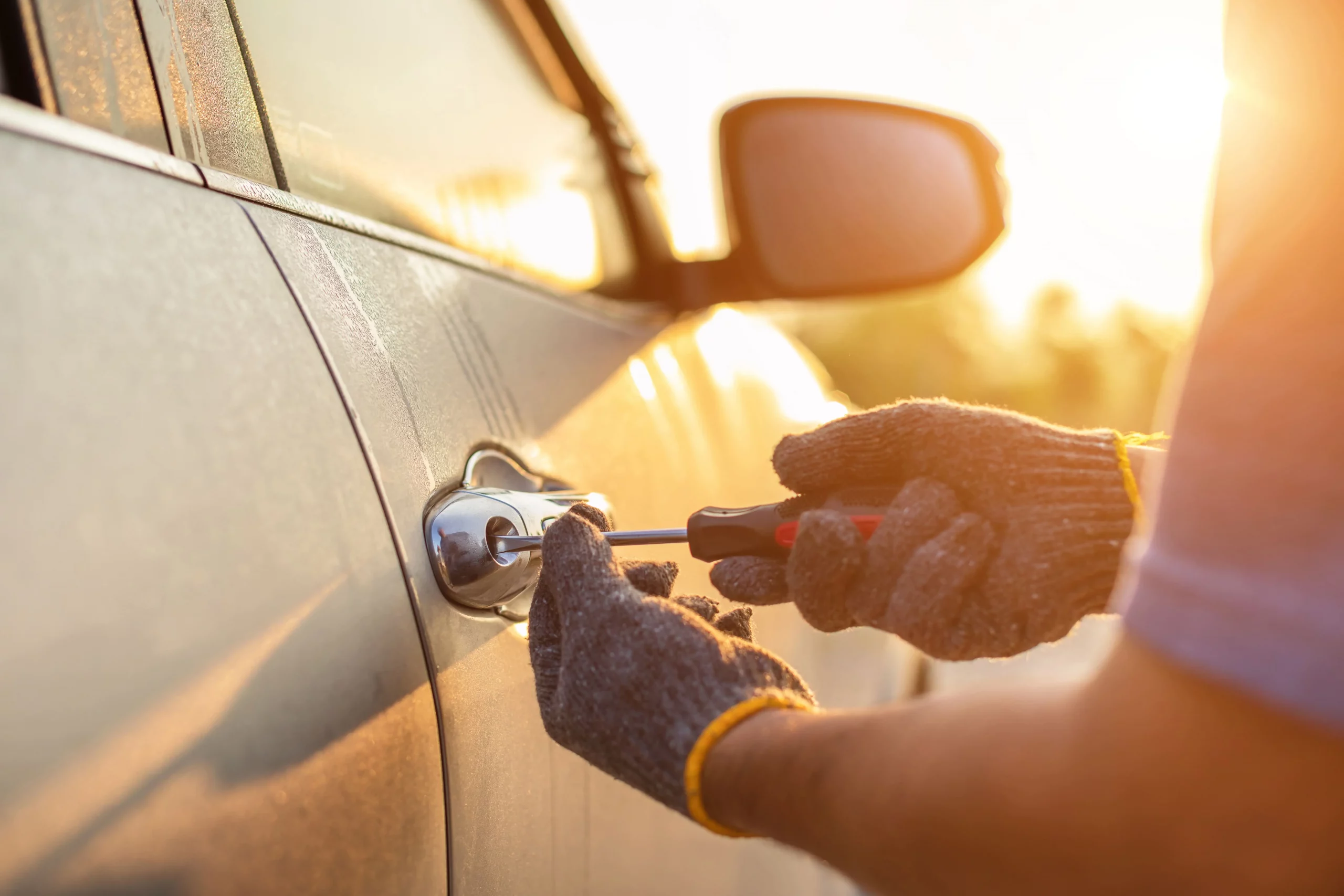
First, get some lock lubricantfrom a store. A small bottle will do. Spray the lubricant inside the lock. Use the key to turn the lock back and forth. This spreads the lubricant evenly. Be careful not to use too much. Excess lubricant can attract dirt. If the lock still sticks, try again. Sometimes it takes a few tries.
Dirt and debris can block the lock. Use a small, thin tool to clean it. A paperclip can work well. Gently push the debris out. Do not force anything into the lock. This can cause damage. After removing the debris, test the lock with the key. If it turns easily, the lock is clean.
Credit: totallossappraisals.com
Repairing A Broken Lock Cylinder
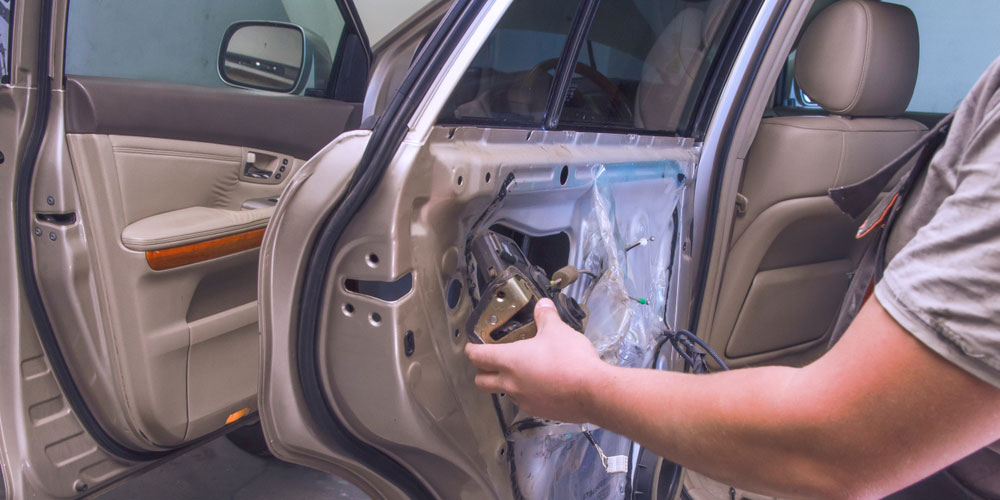
First, open the car door wide. Find all the screws on the door panel. Use a screwdriver to remove each screw. Keep the screws in a safe place. Gently pull the door panel away from the car door. Watch for any clips or wires. Be careful not to break them. Once the panel is off, set it aside.
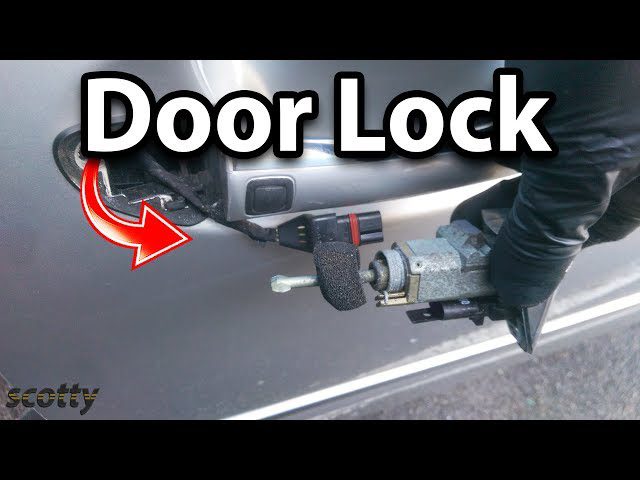
Look for the lock cylinder inside the door. Unclip the lock rod from the cylinder. Use a wrench to loosen the bolts. Take out the old cylinder gently. Get the new lock cylinder ready. Place it where the old one was. Tighten the bolts with your wrench. Reconnect the lock rod to the new cylinder. Make sure it’s secure. Test the lock before reattaching the door panel.
Addressing Power Lock Failures
Start by checking the car’s fuse box. A blown fuse can stop power locks. Locate the fuse for the power locks. Pull it out carefully. Look if the metal strip inside is broken. Replace the fuse if broken. Use a fuse with the same amperage rating. This ensures the power lock gets the correct current.
Inspect wires leading to the car door. Damaged wires can halt the lock’s function. Look for any cuts or wear. Use electrical tape to cover small damages. For larger breaks, replace the wire. Ensure all connections are tight and secure. This helps maintain a stable power flow.
A faulty actuator can cause lock problems. Remove the car door panel. Locate the actuator inside. Disconnect any wires attached. Take out the old actuator. Install a new one in its place. Reattach all wires securely. Check if the door lock works now.
Reassembling And Testing
Start by putting the lock pieces backtogether. Each part has its place. Make sure all parts are snug and fit well. This helps the lock work smoothly. Put the screws back in their spots. Tighten them well, but not too tight.
Test the lock by turning the key. Check if the lock moves smoothly. Try opening and closing the door. The door should lock and unlock without any trouble. If it sticks, check the pieces again. They might not be in the right place.
Make sure the handle worksproperly. It should move easily. If it feels stuck, adjust it. Ensure the lock is secure. The door should stay shut when locked. Test the lock a few times. It should work every time.
Preventive Maintenance Tips
Always check your car door locks regularly. Dirt and debris can cause problems. Clean the lock area with a soft cloth. Use a mild cleaner for best results. Lubricate the locks with a spray. This keeps them smooth and easy to use. Do this every few months. It helps prevent rust and wear. Make sure the lock is not too tight or loose. Adjust if needed. This keeps the lock working well.
Check the door alignment often. If the door is not aligned, it can stress the lock. Fix alignment to avoid lock problems. Inspect the keys for any damage. Bent keys can harm the lock. Replace damaged keys promptly. These simple steps help keep your car locks in good shape.

Credit: www.ifixit.com
Frequently Asked Questions
Why Won’t My Car Door Lock Work?
Car door locks may malfunction due to dead batteries, broken actuators, or damaged wiring. First, check the battery in your key fob. Next, inspect the door’s mechanical components for visible damage. If issues persist, consult a professional to diagnose and resolve the underlying problem.
How Can I Fix A Stuck Car Door Lock?
To fix a stuck car door lock, lubricate the locking mechanism with graphite spray or WD-40. Remove any debris or rust obstructing the lock. If the problem continues, consider replacing the lock assembly or consult a professional for detailed inspection and repair.
What Tools Do I Need To Fix A Car Door Lock?
To fix a car door lock, you’ll need a screwdriver, lubricant, and possibly pliers. Some repairs may require specific tools like trim removal tools. Always consult your vehicle’s manual for guidance. Using the right tools ensures a successful repair and prevents further damage.
Can I Fix A Car Door Lock Myself?
Yes, you can fix some car door lock issues yourself. Simple problems like lubrication or battery replacement are DIY-friendly. However, complex issues like electrical faults or actuator failures might require professional assistance. Always assess your skills and the problem’s complexity before proceeding.
Conclusion
Fixing a car door lock can be simple with the right steps. Start by identifying the problem. Tools like screwdrivers and lubricants help. Clean the lock and check for damage. Replace broken parts carefully. Test the lock after repairs. Seek professional help if needed.
Regular maintenance prevents future issues. Keep locks clean and lubricated. Your car door should now work smoothly. Follow these steps for a quick fix. Enjoy a secure and safe ride.