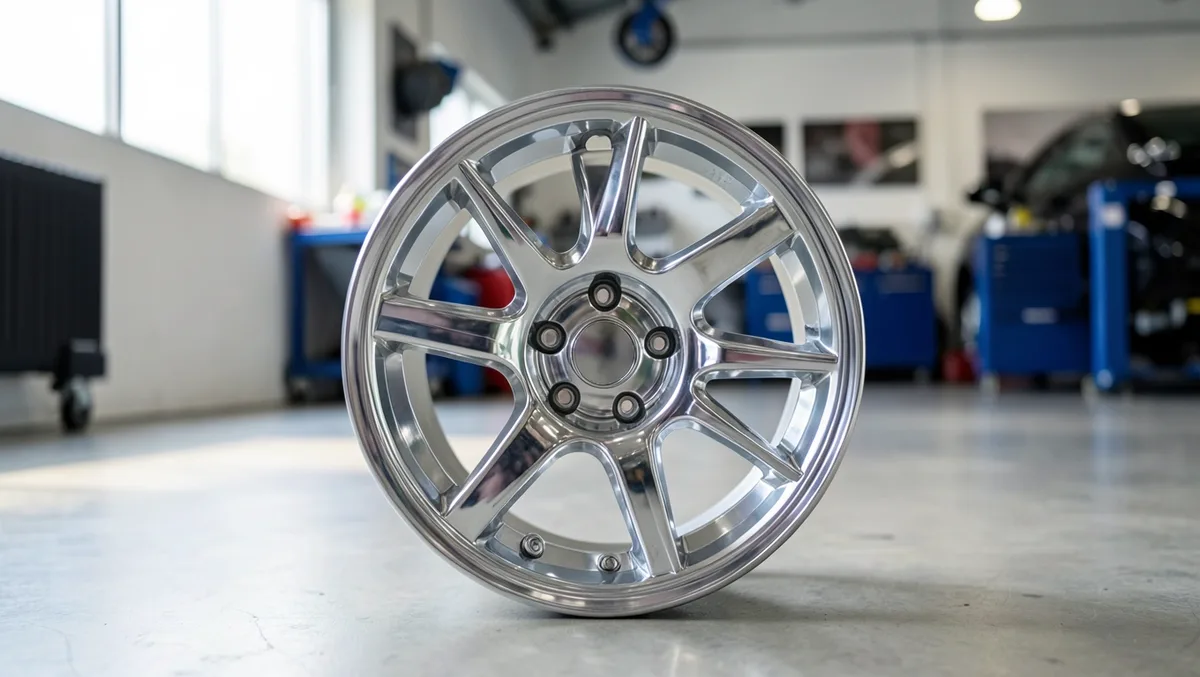
Where to Buy a Replacement Wheel for Your Car
Buy a replacement car wheel from your dealer’s parts department, a specialty retailer like TireRack or Discount Tire, an aftermarket site like Fitment Industries, or a salvage yard for a cheap take-off wheel. Price is the last thing to compare — the wheel has to match your car’s exact bolt pattern, offset, and diameter, or it will not bolt on safely no matter how good the deal looks.
Where to Buy a Replacement Wheel for Your Car
BEST FOR TORQUING A NEW WHEEL TO SPEC
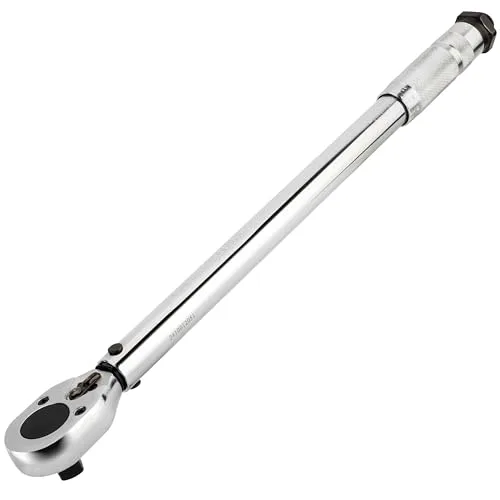 |
Powerbuilt Micrometer Torque Wrench, 1/2-Inch Drive – $29.97 Wherever you buy the wheel, a lug nut that is not torqued to spec is the most common reason a "new" wheel comes back loose or vibrating.
|
Every option below can get you a correctly fitting wheel, but each one trades price against how much fitment work is done for you.
- Your dealer’s parts department — the safest, most expensive option. You give the parts counter your VIN and they order the exact OEM wheel your car left the factory with, no guessing on offset or bolt pattern.
- TireRack.com and Discount Tire — both let you search by year, make, model, and trim, so the fitment is filtered for you. Most locations will also mount, balance, and torque the wheel for a flat fee.
- Aftermarket wheel retailers like Fitment Industries, RimsOutlet, and CARiD — the biggest style selection and usually the best price on non-OEM alloy wheels, with online fitment guarantees on most listings.
- A local independent tire and wheel shop — can special-order a wheel, match a damaged one from the old part number, and install it same day.
- A salvage yard, eBay, or Facebook Marketplace — the cheapest route for a used OEM “take-off” wheel that visually matches your existing set, though you take on more risk of hidden bends or cracks.
- Walmart or a big-box auto parts store — a fallback for basic steel wheels on older or budget vehicles, with a much smaller size and style range.
Find Your Exact Wheel Specs Before You Buy
Wheel size alone is not enough information to order a replacement. Two wheels can both be listed as 18 inches and still not fit your car if the bolt pattern or offset is wrong. Before you contact any seller, pull these four numbers from your tire placard (inside the driver’s door jamb), your owner’s manual, or the back of your existing wheel itself.
| Spec | What It Means | Where to Find It |
|---|---|---|
| Diameter and width | Rim size in inches, written as diameter x width (example: 18×8) | Tire placard, sidewall of current tire, wheel casting mark |
| Bolt pattern (PCD) | Number of lug holes and the diameter of the circle they form (example: 5×114.3mm) | Owner’s manual, VIN lookup, or measuring the old wheel |
| Offset | Distance in millimeters from the wheel’s centerline to its mounting face; can be positive, negative, or zero | Stamped on the back of the wheel spoke, or your VIN-based fitment data |
| Center bore | The hole in the middle of the wheel that centers it on the hub | Wheel casting mark; aftermarket wheels often need a hub-centric ring to match it |
An offset that is off by even a few millimeters can push the wheel into the fender liner or throw off suspension geometry, which is part of why a wheel swap so often leads straight into an alignment check afterward.
OEM, Aftermarket, or Used: Which Wheel Should You Buy?
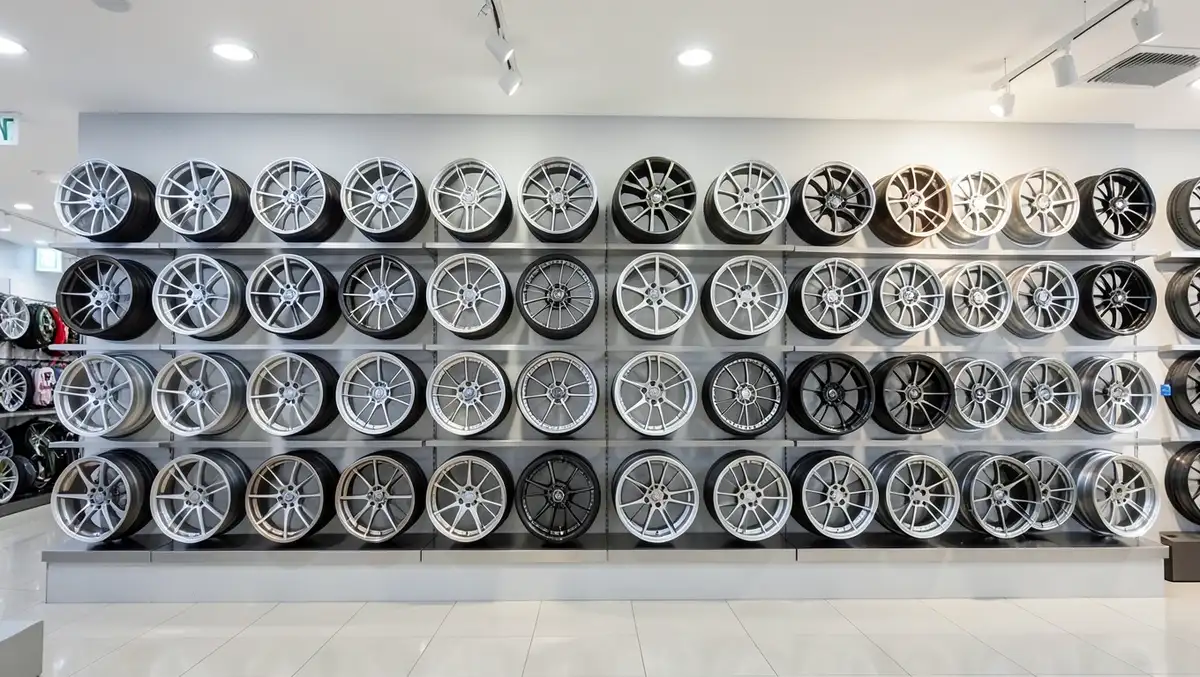
An OEM wheel from the dealer guarantees a factory-correct fit and matches the rest of your set, but it is almost always the most expensive route and can take days to arrive on backorder. Aftermarket wheels cost less and open up finishes and styles the factory never offered, though you are relying on the retailer’s fitment guide instead of a VIN-matched order. A used OEM take-off wheel from a salvage yard or online marketplace is the cheapest way to replace a single damaged wheel and keep a visual match with your other three, but always ask the seller to confirm the part number and inspect it in person for cracks, bends, or corrosion around the bead before you buy.
What a Replacement Wheel Actually Costs
| Wheel Type | Typical Price (per wheel) |
|---|---|
| Basic steel wheel (older or budget vehicle) | $80 – $200 |
| Factory OEM alloy wheel from the dealer | $150 – $500+ |
| Aftermarket alloy wheel | $100 – $400, depending on size and brand |
| Used OEM take-off wheel | $50 – $150 |
| Hub-centric rings, if needed | $10 – $30 for a set of four |
Larger diameters, staggered widths, and specialty finishes push the price toward the top of each range. Most sellers also charge a separate mounting and balancing fee if you are buying a bare wheel without a tire already installed.
Don’t Skip the TPMS Sensor and the Lug Nut Torque
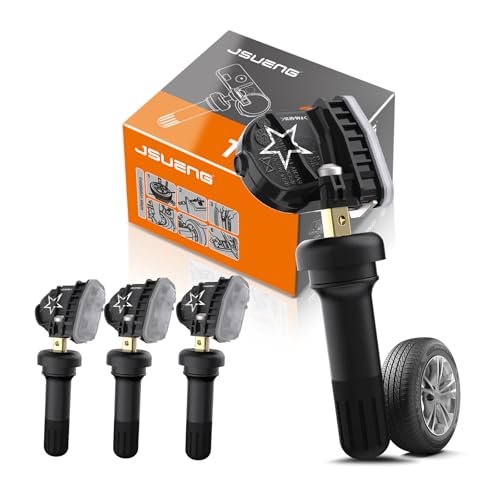
Most vehicles built since 2008 have a tire pressure monitoring sensor mounted inside each wheel. If your old wheel had one, ask the shop to transfer it to the replacement rather than assuming a new wheel comes with its own — a missing or unprogrammed sensor is what triggers a TPMS warning light after an otherwise perfect wheel swap. Once the wheel is on the car, torque the lug nuts to your manufacturer’s exact spec (commonly 80 to 140 ft-lb, listed in your owner’s manual) rather than just going by feel with an impact gun; under-torqued lug nuts can back out over the first few miles, and over-torquing can warp the brake rotor behind the wheel. A basic torque wrench sized for your car takes the guesswork out of that last step.
Frequently Asked Questions
How do I find my car’s bolt pattern and offset before buying a wheel?
Check your tire placard inside the driver’s door jamb, your owner’s manual, or a VIN-based fitment lookup on a retailer’s site. You can also measure an existing wheel or read the casting marks stamped into its back, which usually list the diameter, width, bolt pattern, and offset directly.
Can I buy just one replacement wheel, or do I need a matching set?
You can buy a single wheel to replace one that is damaged, and most people do exactly that. The catch is finding a wheel that visually matches your other three, which is where a used OEM take-off wheel or the exact factory part number from the dealer works better than a random aftermarket style.
Is it safe to buy a used wheel from a salvage yard?
It can be, as long as you inspect it in person first. Look closely at the bead area and the back of the spokes for cracks, check for any signs the wheel has been bent and straightened, and confirm the part number matches your car before you pay. A used wheel that has been in a curb strike or pothole impact is not worth the discount.
Do I need a new TPMS sensor when I buy a replacement wheel?
Not necessarily a new one, but you do need to transfer or reprogram your existing sensor if your car has one. Most vehicles built since 2008 use TPMS, and a wheel swap without moving the sensor over is a common reason a TPMS warning light comes on right after the job is done.
How much does a replacement wheel typically cost?
A basic steel wheel usually runs $80 to $200, a factory OEM alloy wheel from the dealer runs $150 to $500 or more, aftermarket alloy wheels run roughly $100 to $400, and a used OEM take-off wheel typically runs $50 to $150. Mounting and balancing is usually a separate fee if the wheel does not already have a tire on it.
Should I buy an OEM or an aftermarket wheel?
Buy OEM if you want a guaranteed factory match for the rest of your set and are willing to pay more and wait longer for it. Buy aftermarket if you want more style and finish options at a lower price and don’t mind confirming fitment yourself against the retailer’s spec sheet instead of a VIN-matched order.
Conclusion
The fastest way to buy the right replacement wheel is to start with your exact bolt pattern, offset, and diameter, then pick the seller that fits your budget and timeline: the dealer for a guaranteed OEM match, TireRack or Discount Tire for filtered fitment plus installation, an aftermarket retailer for style and price, or a salvage yard for the cheapest single take-off wheel. Whichever route you choose, confirm the TPMS sensor is transferred and torque the lug nuts to spec before you drive on it.
Products related to this article
Sponsored / affiliate links. As an Amazon Associate I earn from qualifying purchases. I may earn additional commission from eligible campaigns.