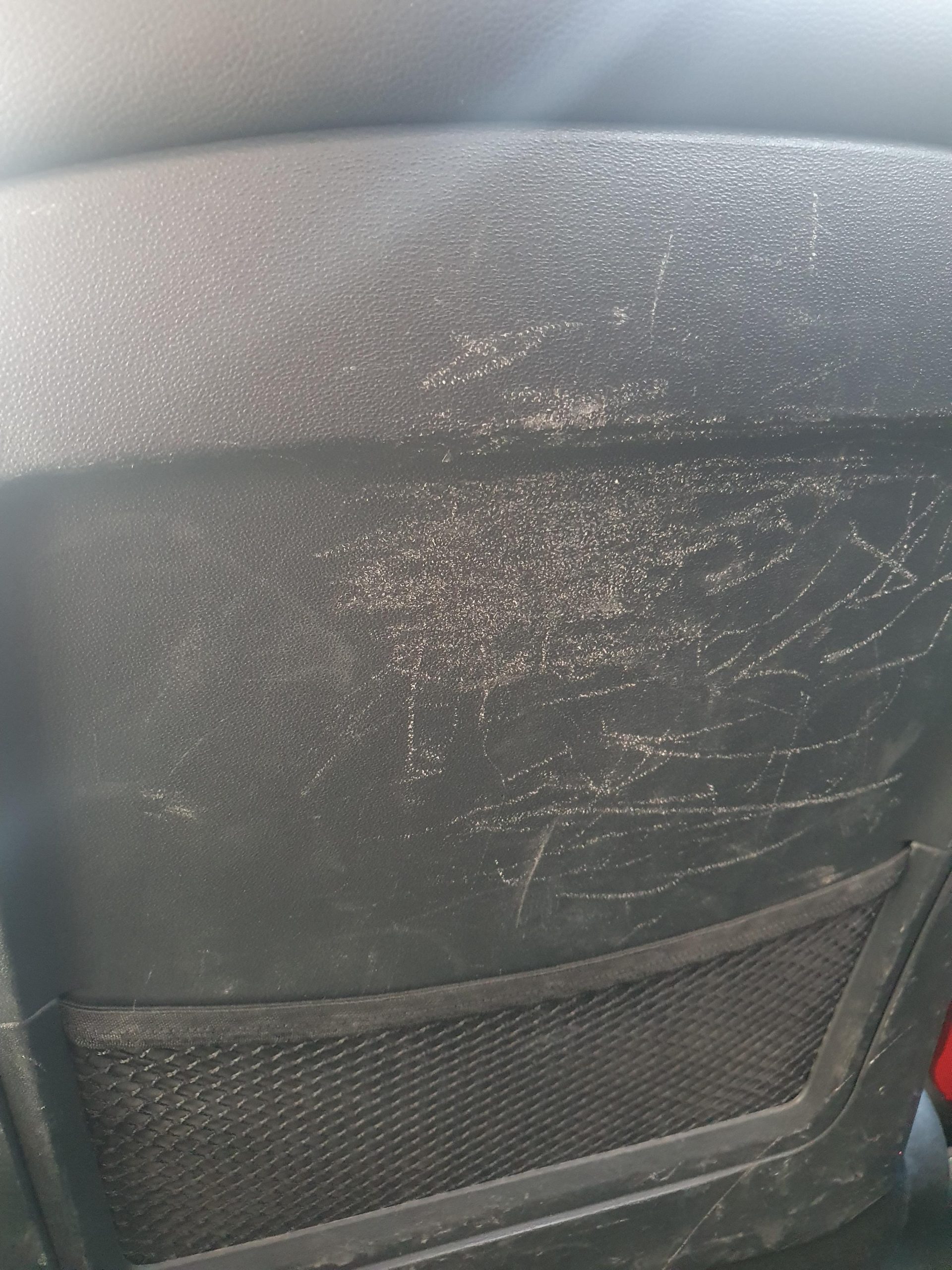
How to Fix Scratches on Interior Car Plastic: Expert Tips
You’ve probably noticed them—those pesky scratches on your car’s interior plastic surfaces. They might seem small, but they can be quite annoying.
Whether it’s from your keys, a careless passenger, or just day-to-day wear and tear, these scratches can make your car feel less polished and well-kept. But don’t worry! You’re about to discover how easy it can be to restore your car’s interior to its former glory.
In this guide, you’ll learn simple and effective methods to fix scratches, using tools and materials you might already have at home. Imagine the satisfaction of seeing your car’s interior look flawless again. Dive in, and let’s get your car looking as good as new!
Credit: www.gt86.org.uk
Identifying Scratches
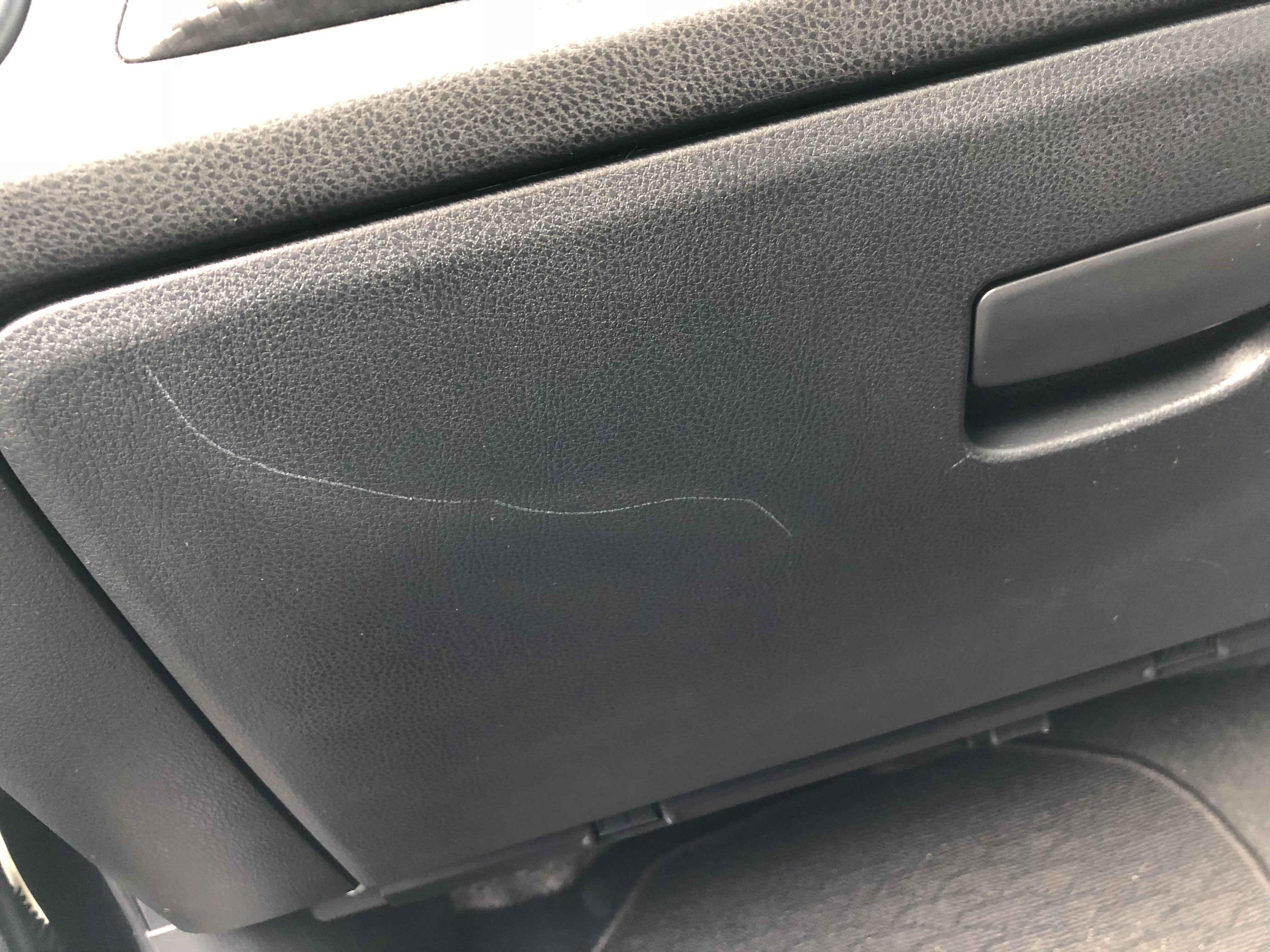
Scratches on car plastic can vary. Some are light and barely visible. Others are deep and very noticeable. Light scratches often appear as thin lines. They don’t affect the car’s look much. Deep scratches can be wide. They may show different colors. These need more work to fix.
It’s important to know the severity of the scratch. Light scratches may only need a polish. Deep scratches might need a filler. Assessing helps choose the right fix. Run a finger over the scratch. If it feels rough, it’s deep. If it’s smooth, it’s light. Knowing this saves time and effort. Use a soft cloth to test. A cloth that catches means a deep scratch. A smooth glide means it’s light.
Essential Tools And Materials
To fix scratches, you need some basic tools. A soft cloth is good for cleaning. Get sandpaper to smooth the surface. Choose a fine grit for gentle sanding. A hairdryer can help in warming the plastic. Use a plastic cleaner to clean the area well. A small bucket of warm water is helpful too.
Some specialized productscan make the job easier. Plastic polish can make scratches less visible. Look for scratch removers made for car plastic. These products are easy to find in car stores. A plastic filler can fix deep scratches. Use a small brush to apply filler. Make sure to read product instructions before use.
Cleaning The Surface
Pick a cleaner safe for car plastic. Avoid harsh chemicals. They can damage the surface. A mild soap and water mix works well. Check labels for safety. Always test on a small hidden area first. This ensures no bad reactions.
Use a soft cloth for cleaning. Hard brushes can scratch. Rub gently over the surface. Circular motions help lift dirt. Rinse the cloth often. This avoids spreading dirt. Dry the area with a clean towel. This prevents water spots. Repeat if needed for stubborn dirt.

Credit: www.ifixit.com
Fixing Light Scratches
Heat treatment can help with light scratches on car plastic. Use a hair dryer or heat gun. Keep the tool 6 inches away from the plastic. Move it in circles. This warms the area evenly. Watch the plastic closely. Stop if it starts to melt or bubble. Let the plastic cool down. The scratch might fade away.
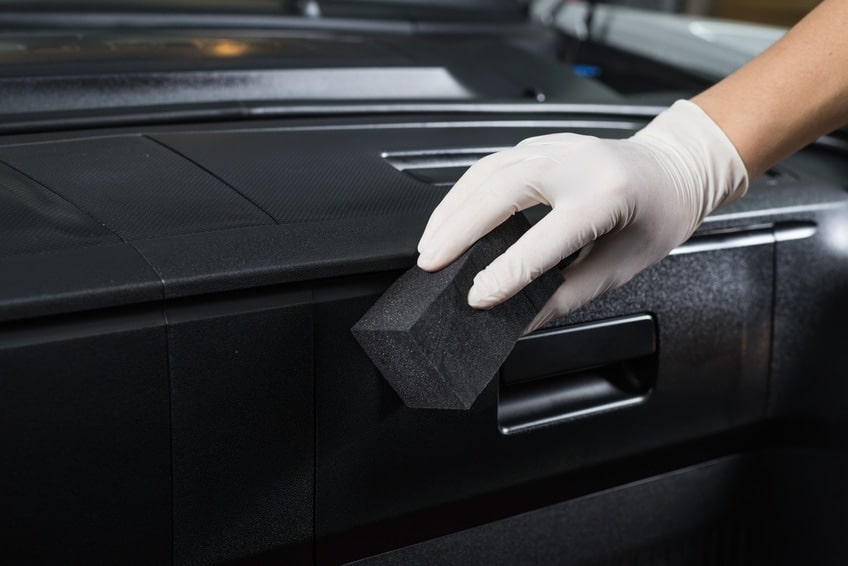
Plastic polish can make scratches less visible. First, clean the area with soap and water. Dry it completely. Use a soft cloth to apply the polish. Rub the polish in small circles. Apply gentle pressure. Keep rubbing until the scratch fades. Buff the area with a clean cloth. This makes it shine. Repeat if needed.
Repairing Deep Scratches
Deep scratches need special care. First, clean the area. Use soap and water. Let it dry well. Then, apply a plastic filler. Use a small spatula for this. Spread it evenly. Fill the scratch completely. Let the filler dry. It may take some time. Be patient. Once dry, you can move to the next step.
Start with fine sandpaper. Sand the filled area gently. Use light, even strokes. Make the surface smooth. Check your progress often. Don’t sand too much. You want a smooth finish. Once smooth, clean the dust. Use a damp cloth. Let it dry again. Now, the scratch is gone. Your plastic looks new again.
Restoring Texture And Color
Fixing scratches needs careful texture matching. Use a soft brush to clean the scratched area. Apply a small amount of texture paste. Use a sponge for smooth application. Let it dry for a few hours. Check if the texture matches the surrounding plastic. Repeat the process if needed. Ensure the paste is not too thick or thin.
Color matching is crucial for a good fix. Select the right color dyefor your car’s interior. Test a small area first. Mix the dye with a little water. Apply it using a soft cloth. Rub gently until the color blends well. Let it dry completely. Check the color once dry. Adjust if the color is off.
Preventive Measures
Fixing scratches on interior car plastic starts with cleaning the area. Sand the scratch gently. Apply a plastic restorer for a smooth finish.
Using Protective Coatings
Applying protective coatingscan be a smart choice. These coatings add a layer of protectionto the car’s plastic. They help prevent scratches and keep the surface smooth. Some coatings even repel dirt and dust. This keeps the plastic clean longer. Always choose a coating made for car interiors. It ensures safety and effectiveness. Read the instructions carefully. Follow them for best results.
Regular Maintenance Tips
Regular care keeps your car’s plastic looking new. Clean surfaces often using soft cloths. Avoid harsh chemicals that can damage plastic. Use mild soap and water. Dry the surfaces after cleaning. This prevents water spots. Check for scratches regularly. Apply touch-up kits if needed. These kits can cover minor scratches. Keep sharp objects away from plastic surfaces. They can cause damage easily. Store items safely to avoid accidental scratches.
When To Seek Professional Help
Check if the scratch is deep. Deep scratches may need expert help. Light scratches can be fixed at home. Use your finger to feel the scratch. If your nail catches, it’s deep. Deep scratches expose the plastic beneath. This might need a professional.
Look for a technician with good reviews. A skilled technician has experience with car interiors. Ask friends for recommendations. Ensure the technician uses quality tools. The right tools make a big difference. Choose someone who explains the process clearly. This shows they know their work well.
Credit: www.holtsauto.com
Frequently Asked Questions
How Do I Remove Scratches From Car Plastic?
To remove scratches from car plastic, clean the area first. Use a mild soap and water solution. Apply a plastic polish or scratch remover following the product instructions. For deeper scratches, consider using a heat gun carefully to smooth the surface.
Always finish by buffing with a soft cloth for a clean look.
Can Toothpaste Fix Car Plastic Scratches?
Yes, toothpaste can help with minor scratches on car plastic. Use a non-gel toothpaste and apply it to the scratch. Rub gently with a soft cloth in circular motions. Rinse the area with water and dry it. Toothpaste acts as a mild abrasive and can smooth out minor imperfections.
What Is The Best Product For Plastic Scratches?
Plastic polish or scratch remover products are best for fixing scratches. They contain mild abrasives to smooth out imperfections. Choose a product designed specifically for automotive plastics. Follow the instructions for application to achieve optimal results. Regular maintenance will help keep your car’s interior looking new.
Are Deep Scratches On Plastic Repairable?
Deep scratches on plastic can be repaired with care. Start by cleaning the area thoroughly. Use a heat gun to soften the plastic, then gently smooth it. You may need a plastic filler for deeper gouges. Finish with a polish to restore the shine.
Always test on an inconspicuous area first.
Conclusion
Fixing scratches on car plastic is easier than you think. With a few tools and careful steps, your car’s interior can look new again. Start with a clean surface. Use the right products for the best results. Sandpaper and polish work wonders on deeper scratches.
Buff gently to avoid more damage. Regular maintenance helps keep the interior looking fresh. Remember, patience is key. Try these methods and enjoy a smoother, scratch-free interior. Your car deserves the best care. Happy driving!