How To Get Gasoline Smell Out Of Car Carpet For Good
Getting gasoline smell out of car carpet involves absorbing the spill, cleaning the affected area thoroughly, and neutralizing the odor. Patience and the right materials are key to restoring a fresh scent to your vehicle’s interior.
Understanding the Gasoline Smell
Gasoline is a potent mix of chemicals. When it spills, these chemicals don’t just sit on top. They soak into porous materials like your car’s carpet.
The smell sticks around because the liquid evaporates slowly. This leaves behind the oily residue and strong fumes. Even a small spill can cause a big smell problem.
The smell can get worse with heat.
Heat makes the gasoline molecules move faster. This releases more fumes into the air. That’s why a hot day can make the smell seem unbearable.
It can also spread. If the spill is near a ventilation vent, the smell can travel through your car’s entire system. It might even get into the upholstery or headliner if it’s a big spill.
Why It’s Important to Act Fast
The sooner you deal with a gasoline spill, the easier it is to remove the smell. Fresh spills are much simpler to clean than old ones. Old smells can become deeply set.
They bond with the carpet fibers. This makes them harder to lift out. Acting quickly also helps prevent damage.
Gasoline can break down some materials over time. It can also leave stains.
A quick response means you can often prevent the smell from spreading. You stop it from soaking into the padding underneath the carpet. This is crucial.
If it reaches the padding, the smell can linger for a very long time. It can be much harder to get out from there. So, spotting a spill and acting right away is your best bet.
Personal Experience: That Awkward Gas Station Mishap
I remember one time, not too long ago, I was filling up my old truck. It was a blustery autumn evening. The wind was really picking up.
I was distracted for just a second, trying to wrestle a stubborn gas cap. Then it happened. A little bit of gas sloshed over the side of the pump nozzle.
It went right onto the ground and, unfortunately, splashed onto my truck’s driver-side floor mat.
My stomach dropped. I knew that smell. It’s so strong.
I quickly finished fueling, paid, and drove away. As soon as I started moving, the fumes hit me. They were thick and overwhelming.
I felt a wave of panic mixed with annoyance. “Great,” I thought. “Now my truck is going to smell like a gas station forever.” I could already feel the fumes making my head ache a little.
It was a messy, smelly situation I needed to fix fast.
Steps to Remove the Gasoline Smell
When you notice a gasoline spill, don’t panic. You can tackle this. The first and most important step is to absorb as much liquid as possible.
You need to do this before the gasoline has a chance to soak too deep. Use paper towels or clean rags. Press them firmly onto the spill.
Keep dabbing until no more liquid comes up.
Once you’ve absorbed the bulk of the liquid, you need to use an absorbent powder. Baking soda is a fantastic choice. It’s cheap and it works well.
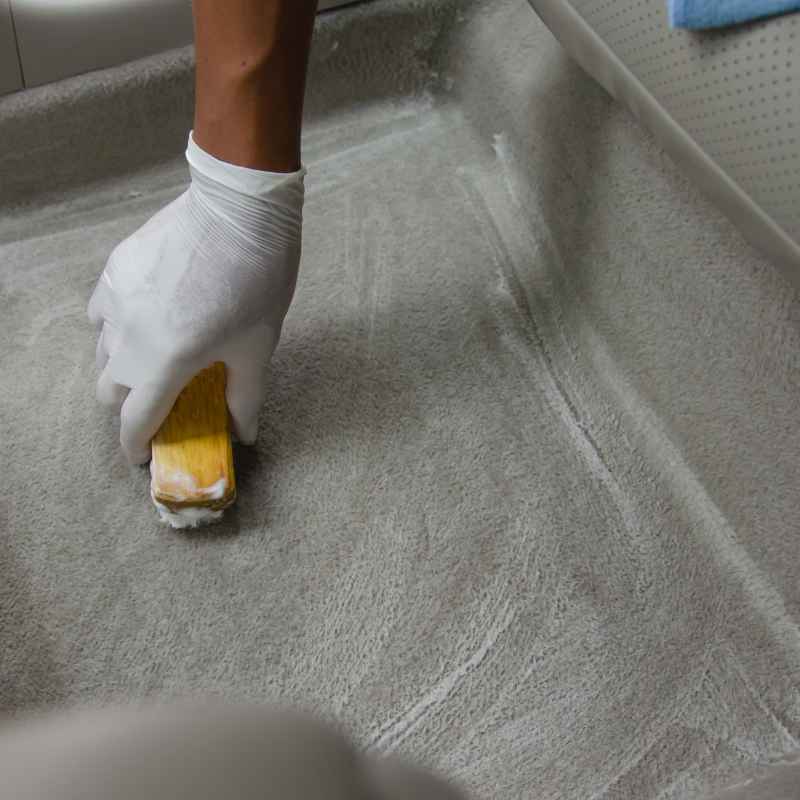
Sprinkle a generous amount of baking soda over the entire affected area. Let it sit for several hours, or even overnight if you can. This will help draw out the remaining gasoline and its odor.
Absorbent Powerhouses
Baking Soda: A household staple. It absorbs liquids and neutralizes odors naturally. Sprinkle liberally.
Let it sit. Vacuum it up. Repeat if needed.
Cat Litter: The clay-based kind is excellent for absorbing spills. Place it over the damp spot. Let it work for a day.
Then vacuum.
Cornstarch: Similar to baking soda, cornstarch can also soak up moisture and odors.
After the baking soda or powder has done its job, vacuum it up thoroughly. Make sure to get all the powder out. You might need to vacuum the area multiple times.
Use a strong vacuum cleaner. Get into the carpet fibers as much as you can. This removes the absorbed gasoline and the powder that captured it.
Cleaning the Affected Area
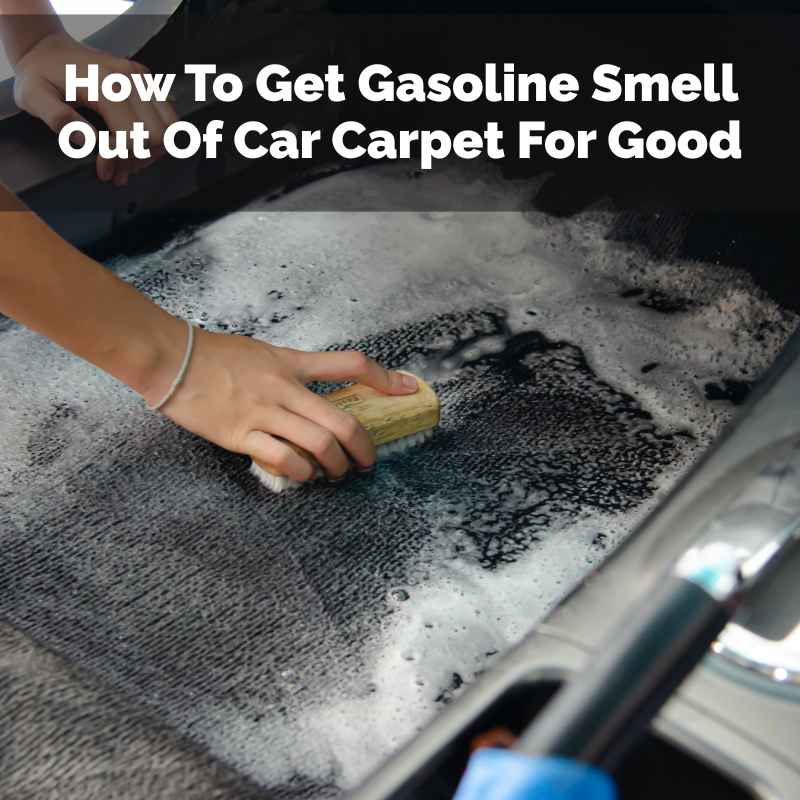
Now that you’ve absorbed the spill, it’s time for a deeper clean. You need a cleaning solution. A mix of mild dish soap and water works well.
Use about one tablespoon of dish soap for every cup of warm water. Gently scrub the stained area with a soft brush or cloth. Don’t use too much water.
You don’t want to make the carpet too wet.
Work the solution into the carpet fibers. Be sure to cover the entire spot where the gasoline spilled. Blot the area with a clean, dry cloth or paper towels.
This helps lift the dirt and residue. Continue this process. Scrub and blot.
Repeat until the spot looks cleaner. You are trying to remove any remaining gasoline residue.
DIY Carpet Cleaner Recipe
Ingredients:
- 1 tablespoon mild dish soap
- 1 cup warm water
- Optional: A few drops of essential oil (like lemon or peppermint) for scent boost
Instructions: Mix well. Apply sparingly to the affected area. Scrub gently.
Blot thoroughly.
For tougher spots, you can try a vinegar and water solution. Mix equal parts white vinegar and water. Vinegar is a natural deodorizer.
It can help break down the gasoline compounds. Apply this solution to the area. Let it sit for a few minutes.
Then blot it up thoroughly with clean cloths. The vinegar smell will dissipate as it dries.
Remember to always test any cleaning solution on an inconspicuous area of your car carpet first. This ensures it won’t damage or discolor the material. You don’t want to create a new problem while trying to fix the old one.
A small spot on the edge of the mat or under a seat is a good place to test.
Odor Neutralization Techniques
Even after cleaning, a faint smell might remain. This is where odor neutralizers come in handy. Baking soda is great for this too.
Leave an open box or bowl of baking soda in your car overnight. Place it near the affected area if possible. It will continue to absorb any lingering odors.
You can also sprinkle fresh baking soda on the carpet again and let it sit for a day, then vacuum.
Another effective neutralizer is activated charcoal. You can buy charcoal bags designed for odor absorption. Place these in your car.
They work by trapping odor molecules. Leave them in for a few days. Coffee grounds can also absorb odors.
Place some dry, unused coffee grounds in a shallow dish in your car. This is a bit of a stronger scent, so some people prefer baking soda or charcoal.
Odor Neutralizers to Try
- Baking Soda: Open box or sprinkled.
- Activated Charcoal Bags: Commercially available.
- White Vinegar: In a bowl, left overnight.
- Coffee Grounds: Dry, unused grounds in a dish.
Ventilation is also your friend. Open your car doors and windows whenever it’s safe to do so. Let fresh air circulate.
This helps to air out the lingering fumes. Driving with the windows down, even for short trips, can make a big difference. Sunlight also helps.
If possible, park your car in a sunny spot with the windows cracked open. The UV rays can help break down odor molecules.
Dealing with Stubborn Smells
Sometimes, the gasoline smell is really stubborn. It might have soaked deep into the carpet padding or even the car’s subfloor. In these cases, you might need a more powerful cleaning agent.
Look for enzymatic cleaners. These cleaners use enzymes to break down organic molecules, including those that cause strong odors. Follow the product instructions carefully.
You can also try a mixture of hydrogen peroxide and baking soda. Make a paste with hydrogen peroxide and baking soda. Apply it to the affected area.
Let it dry completely. Then vacuum it up. Hydrogen peroxide has mild bleaching properties, so be careful and test it first.
This is usually a last resort for very persistent smells.
Advanced Options for Tough Smells
Enzymatic Cleaners: Look for products designed for pet odors or tough stains. They break down odor-causing molecules.
Hydrogen Peroxide Paste: Mix 3% hydrogen peroxide with baking soda to form a paste. Apply, let dry, then vacuum.
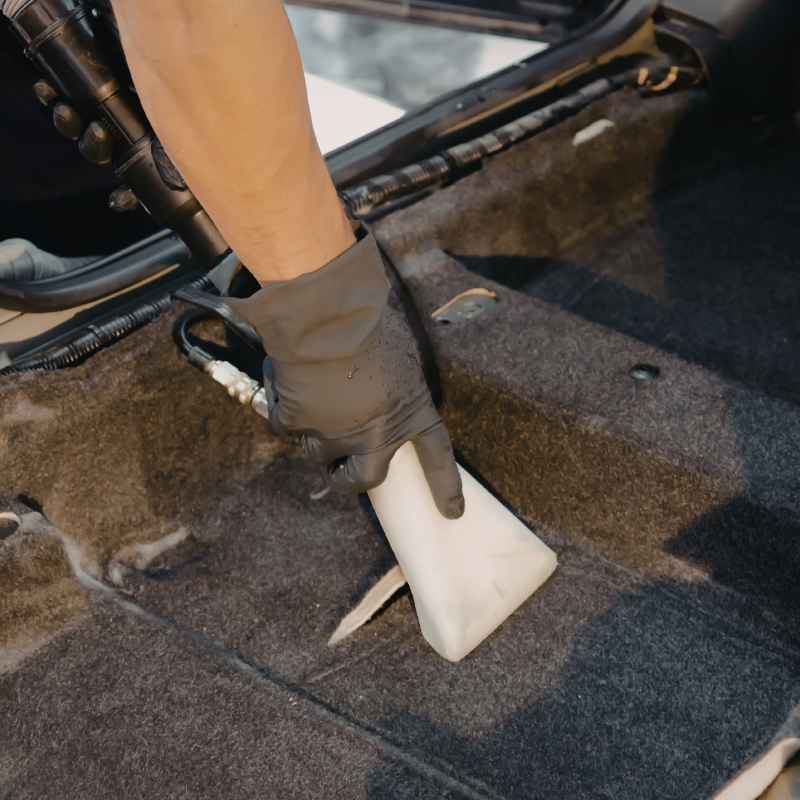
Carpet Shampooer: If the spill was large, renting a small carpet shampooer might be worth it.
If the smell persists even after these steps, it might be time to consider professional help. Auto detailers have specialized tools and chemicals. They can often remove odors that are very difficult for a DIY approach.
It might be an expense, but it could save you a lot of frustration.
Real-World Context: Where Gasoline Spills Happen
Gasoline spills in cars are more common than you might think. Most often, they happen at the gas station itself. People can accidentally overfill their tanks.
Or, a little gas might splash out when removing the nozzle. Sometimes, leaks in the fuel system can cause fumes to enter the car. This is a more serious issue that needs professional attention.
Another scenario is when people transport gasoline for lawnmowers, generators, or other equipment. If the container isn’t sealed properly, it can leak. Even a small amount can create a strong odor inside a closed car.
People also sometimes use gasoline for cleaning purposes, which is highly dangerous and not recommended due to its flammability and fumes.
The type of car carpet also matters. Older cars might have thicker, more absorbent carpets. Newer cars sometimes have synthetic materials that are less porous.
However, even synthetic fibers can hold onto odors. The climate also plays a role. Hot, humid weather can make the smell linger longer.
Cold, dry weather might cause it to fade faster initially, but the residue is still there.
What This Means for You
When you’ve spilled gasoline in your car, it’s usually not a sign of a major car problem unless it’s an ongoing leak. A one-time spill is manageable with the right steps. It means you need to be prepared with cleaning supplies.
Having baking soda, paper towels, and a good cleaner on hand can save you later.
It’s normal for the smell to be strong at first. Don’t get discouraged if it doesn’t vanish instantly. It often takes time and repeated efforts.
If the smell suddenly appears and you haven’t spilled anything, it could indicate a fuel system leak. In that case, you should get your car checked by a mechanic immediately. Your safety is the top priority.
Quick Fixes and Tips for Prevention
Always be mindful when refueling your car. Don’t overfill the tank. Wait for the pump to click off.
If you are transporting gasoline, use approved, sealed containers. Never store gasoline inside your car for extended periods. If you must transport it, do so in the trunk if possible, away from the passenger cabin.
Keep your car well-ventilated. Airing out your car regularly helps prevent odors from building up. If you have floor mats, they can act as a barrier.
Removing and cleaning floor mats after a spill can be easier than cleaning the main carpet. Consider using rubber or all-weather mats, especially if you live in an area where spills are more likely.
Prevention is Key
Careful Refueling: Stop when the pump clicks. Avoid topping off.
Secure Containers: Use approved, tightly sealed cans for transporting gas.
Trunk Transport: If you must carry gas, keep it in the trunk if possible.
Regular Ventilation: Open windows often to let air flow.
Frequent Questions About Gasoline Smell in Cars
How long does a gasoline smell typically last in a car?
The duration varies greatly. A small spill, cleaned quickly, might only smell for a few days with good ventilation. A larger or deeper spill, especially if it soaked into the padding, could take weeks or even months to fully dissipate, requiring repeated cleaning and deodorizing efforts.
Can gasoline smell damage my car’s interior materials?
While gasoline is a solvent, short-term exposure typically doesn’t permanently damage most modern car carpet or upholstery. However, prolonged exposure, especially in very hot conditions, could potentially affect some adhesives or dyes. Quick cleanup minimizes any risk.
Is it safe to breathe in gasoline fumes?
No, gasoline fumes are not safe to inhale for extended periods. They can cause headaches, dizziness, nausea, and respiratory irritation. In large amounts or prolonged exposure, they can be harmful.
This is why good ventilation and quick cleanup are important.
What if the spill happened on the car’s headliner or seats?
For fabric seats or headliners, the approach is similar but requires more caution. Blot gently and use cleaning solutions sparingly to avoid saturating the material, which can cause water stains or damage the backing. Avoid harsh scrubbing.
Professional detailing might be the best option for these sensitive areas.
Can I use an air freshener to cover up the smell?
Air fresheners will only mask the smell temporarily. They don’t remove the source of the odor. For effective and long-lasting results, you must clean and neutralize the gasoline residue.
Once that’s done, you can use an air freshener if you like, but it’s not a solution on its own.
When should I be worried about a gasoline smell in my car?
You should be worried if you notice a persistent gasoline smell and you haven’t recently spilled any. This could indicate a fuel leak in your car’s system, such as a leaky fuel line, fuel injector, or gas tank. This is a serious safety hazard due to fire risk and requires immediate attention from a qualified mechanic.
Conclusion: Back to a Fresh-Smelling Car
Dealing with a gasoline smell in your car carpet can seem daunting, but it’s a solvable problem. With prompt action, the right cleaning agents, and a bit of patience, you can effectively remove the odor. Remember to absorb, clean, and neutralize.
Airing out your car and using odor absorbers will help a lot. Soon, your car will smell fresh and clean again.
Products related to this article
Sponsored / affiliate links. As an Amazon Associate I earn from qualifying purchases. I may earn additional commission from eligible campaigns.