How to Get Into Car Racing: Your Ultimate Starter Guide
Getting into car racing is a dream for many, but understanding the path from enthusiast to competitor can feel daunting. This guide breaks down the essential steps and considerations for anyone looking to enter the thrilling world of motorsport. We’ll cover everything from initial training and licensing to choosing the right car and series, ensuring you have a clear roadmap to the starting grid.
Simply put, getting into car racing requires dedication, investment, and a structured approach starting with foundational driving skills, acquiring the necessary licenses, and selecting an appropriate entry-level racing category.
Key Takeaways
- Start with foundational skills through reputable racing schools.
- Obtain the necessary racing licenses for your chosen discipline.
- Choose an accessible entry-level racing series to gain experience.
- Understand the significant financial commitment involved in racing.
- Prioritize safety through proper equipment and track awareness.
What is Car Racing and Why Start?
Car racing, in its broadest sense, is a sport that involves competing in motor vehicles on a closed circuit or a designated course. It’s a test of skill, strategy, and endurance for both driver and machine. For many, the allure lies in the adrenaline rush, the precision required, and the sheer speed — some of the fastest production cars in the world can top 200 mph.
The motivation to start racing varies. Some are driven by a lifelong passion for automobiles and competition, while others seek a challenging outlet for their competitive spirit. The sense of community within motorsport, the teamwork involved with pit crews and engineers, and the constant pursuit of improvement also play significant roles.
Beyond the thrill, car racing offers invaluable lessons in discipline, decision-making under pressure, and the importance of meticulous preparation. It’s a pursuit that demands continuous learning and adaptation, making it a deeply rewarding endeavor for those who embrace the challenge.
Step 1: Foundational Driving Skills and Racing Schools
Before you even think about a race car, mastering fundamental driving techniques is paramount. This isn’t just about going fast; it’s about control, precision, and understanding vehicle dynamics at high speeds. Reputable racing schools are your best bet for acquiring these critical skills in a safe, controlled environment.
These schools offer structured programs that go far beyond typical track day experiences. Instructors will teach you advanced techniques like proper braking points, throttle control through corners, racing lines, weight transfer, and car setup basics. You’ll learn how to extract the maximum performance from a vehicle while maintaining control, which is crucial for race craft.
Choosing the Right Racing School
When selecting a school, consider their reputation, the types of cars and tracks they use, and the experience of their instructors. Look for schools that offer programs specifically designed for aspiring racers, not just general performance driving courses.
- Curriculum: Ensure they cover essential racing techniques like cornering, braking, overtaking, and race etiquette.
- Instructors: Former professional racers or experienced instructors provide invaluable insights.
- Vehicle Fleet: Access to spec series cars or high-performance karts is beneficial.
- Track Access: Schools with access to dedicated race circuits offer the most realistic training.
- Program Duration: Longer, more intensive programs often provide a deeper learning experience.
Some of the most respected racing schools include Skip Barber Racing School, Bondurant High-Performance Driving School, and Michelin Raceway Road Atlanta’s performance driving programs. These institutions provide the foundational knowledge and practical experience needed to move into competitive racing.
Step 2: Acquiring Your Racing License
Once you’ve developed solid driving skills, the next crucial step is obtaining a competition racing license. Different racing organizations and disciplines have their own licensing procedures, often starting with a novice or junior license.
The process typically involves completing an advanced driving course at an accredited racing school, demonstrating proficiency and safety on the track, and passing written or practical tests. These licenses are essential for proving you have the necessary skills and knowledge to compete safely and responsibly.
Types of Racing Licenses and Requirements
Licenses are tiered, with entry-level licenses allowing participation in specific categories and progression to higher tiers opening doors to more competitive series. The specific requirements can vary significantly.
| License Type | Governing Body Example | Typical Requirements |
|---|---|---|
| Novice/Junior License | SCCA, NASA | Completion of racing school, passing medical exam, written rules test. |
| Regional License | SCCA, NASA | Several races in novice category, proven safety record, potentially more advanced training. |
| National/Pro License | IndyCar, NASCAR, FIA | Extensive racing experience in lower tiers, demonstrated success, rigorous vetting. |
Always check the specific requirements of the sanctioning body for the series you wish to enter, such as SCCA (Sports Car Club of America), NASA (National Auto Sport Association), or regional karting associations.
Important: Your racing license is your passport to competition. Ensure you understand all the rules and regulations associated with it to maintain your eligibility and ensure safety on track.
Step 3: Choosing Your Racing Discipline and Series
The world of car racing is vast, offering numerous disciplines. Your choice will depend on your budget, skills, and what type of racing excites you most. Entry-level series are designed to be more accessible financially and technically, allowing newcomers to learn the ropes.
Common starting points include karting, Spec Miata racing, entry-level formula car series, or autocross and rallycross events. Karting, in particular, is often considered the purest form of racing and a great place to hone fundamental skills that translate to all forms of motorsport. Spec series, where all cars are identical, level the playing field and emphasize driver skill over engineering budgets.
Entry-Level Racing Series to Consider
When selecting a series, look for categories with a healthy car count, a supportive community, and a clear progression path. This will ensure you get plenty of racing laps and opportunities to improve.
- Karting: A fantastic starting point for all ages, focusing on raw speed and car control. Different classes exist for various age groups and engine sizes.
- Spec Miata: A popular choice for amateur road racing in North America, known for close, competitive racing and relatively affordable car preparation.
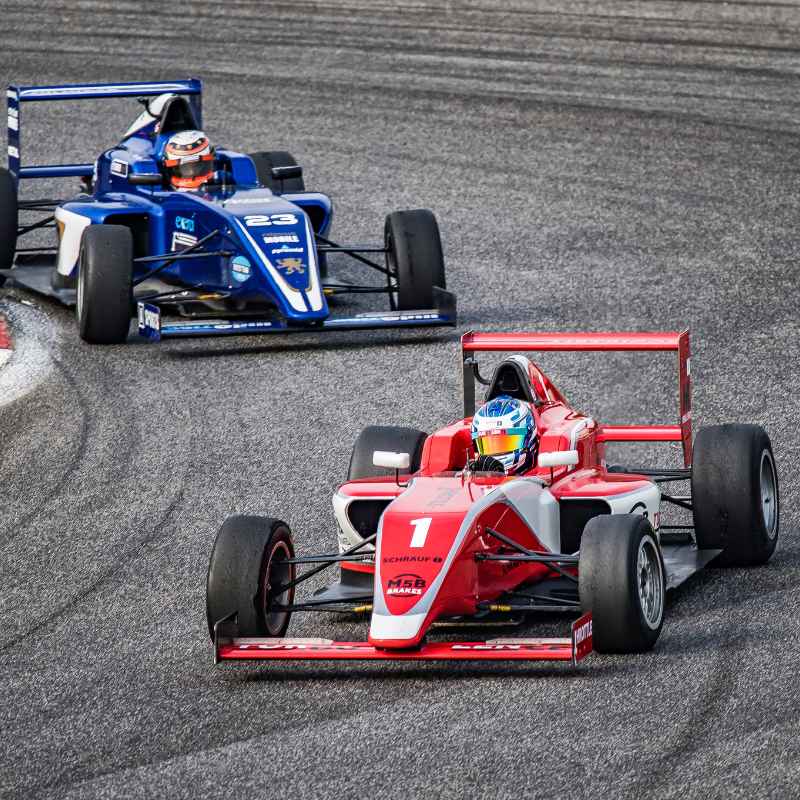
- Formula Vee / Formula 6000: These entry-level open-wheel series offer a taste of high-performance single-seaters at a lower cost than more advanced formula cars.
- Autocross/Solo: While not wheel-to-wheel racing, autocross events are timed competitions against the clock on a cone course. They are excellent for honing car control and precise driving.
- Rallycross: This discipline combines elements of circuit racing and rallying, with cars competing on mixed-surface tracks (dirt and pavement).
Researching local tracks and clubs is vital. Many organizations host events that cater specifically to beginners, offering a less intimidating environment to start your racing journey. Attending races as a spectator is also a great way to get a feel for different disciplines and talk to drivers.
Step 4: Budgeting and Funding Your Racing Career
Car racing is notoriously expensive. It’s crucial to have a realistic understanding of the financial commitment involved before you start. Costs include the car itself, safety equipment, track fees, tires, fuel, maintenance, repairs, travel, and more.
A typical season in an amateur series can cost anywhere from $10,000 to $50,000 or more, depending on the car, number of events, and how much you do yourself. Professional racing is exponentially more expensive — a single Formula 1 car alone costs $10 million to $20 million to build, and that budget includes a highly regulated racing fuel — see what fuel F1 cars actually use.
Understanding the Costs of Racing
Breaking down the expenses helps in planning and seeking sponsorships if necessary.
| Cost Category | Estimated Range (Per Season/Event) | Notes |
|---|---|---|
| Car Purchase/Lease | $5,000 – $50,000+ | Varies greatly by car type and condition. |
| Safety Gear | $1,000 – $5,000+ | Helmet, suit, gloves, shoes, HANS device. Must meet Snell/FIA standards. |
| Tires | $500 – $3,000+ | Depending on race weekend, practice, and tire type. |
| Entry Fees | $200 – $1,000+ per event | Covers track access and sanctioning body fees. |
| Maintenance & Repairs | $2,000 – $10,000+ | Includes parts, labor, fluids, and potential crash damage. |
| Fuel & Consumables | $500 – $2,000+ | Race fuel, brake fluid, lubricants. |
| Transport & Logistics | $500 – $5,000+ | Trailer, tow vehicle, accommodation, food. |
Developing a sponsorship proposal is often necessary for aspiring racers. This involves highlighting the marketing potential for sponsors, including visibility on the car, suit, and team merchandise, as well as social media promotion.
Warning: Do not underestimate the costs. Many new racers run out of funds because they didn’t budget for unexpected repairs or a full season of racing. Plan meticulously.
Step 5: Acquiring Your Car and Equipment
Once you have a grasp on the financial aspect and have chosen your racing discipline, it’s time to acquire the necessary vehicle and safety equipment. For entry-level series, buying a used car is often the most economical choice. However, ensure it’s prepared by someone knowledgeable in the specific series.
Safety equipment is non-negotiable. You’ll need a certified helmet (Snell SA rating is common), fire-resistant racing suit, gloves, and shoes. A HANS device (Head and Neck Support) is also essential for most circuit racing disciplines to protect against whiplash injuries.
What to Look for in an Entry-Level Race Car
The car should be competitive within its class and meet the technical regulations of the series you intend to race in. Reliability is also key – a car that frequently breaks down will prevent you from gaining experience.
- Compliance: Ensure the car strictly adheres to the rulebook for your chosen series. Minor modifications can lead to disqualification.
- Condition: Look for a car that has been well-maintained. Check for accident history, chassis integrity, and the condition of major mechanical components.
- Spares: Does the car come with spare parts? A comprehensive spares package can save significant time and money.
- Support: Is there a local racing team or mechanic familiar with this type of car that can offer support?
- Budget Fit: Does the car fit within your overall budget, considering necessary upgrades and maintenance?
For example, a used Spec Miata might cost between $15,000 and $30,000, depending on its race history and modifications. For karting, entry-level karts can be found for under $2,000, with racing karts costing upwards of $5,000.
When purchasing safety gear, invest in reputable brands known for their quality and safety certifications. Do not compromise on safety equipment; it’s your primary protection in the event of an accident. Many racing schools offer rental of safety gear, which can be a good option for your first few experiences.
Step 6: Practicing and Gaining Experience
Obtaining your license and car is just the beginning. Consistent practice and participation in events are vital for developing your race craft and improving lap times. This is where you put everything you’ve learned into action.
Attend practice days, test sessions, and casual track events. The more seat time you get, the more comfortable you’ll become with your car and the track. You’ll learn how to manage tire wear, fuel load, and how to adapt to changing track conditions.
Maximizing Your Practice Sessions
Practice isn’t just about driving laps; it’s about focused learning and improvement. Plan your sessions to work on specific areas.
- Data Acquisition: If your car has data logging capabilities, use them. Analyze your braking points, acceleration zones, and cornering speeds to identify areas for improvement.
- Video Analysis: Recording your laps allows you to review your driving line, body position, and steering inputs. Compare your footage with faster drivers if possible.
- Coach/Mentor: Work with a driving coach or an experienced driver who can provide real-time feedback during practice.
- Car Setup: Use practice sessions to experiment with minor car setup changes (e.g., tire pressures, wing angles) and understand their effects.
- Race Simulation: Practice running longer stints to simulate race conditions, including tire degradation and maintaining focus.
- Overtaking Practice: If possible, practice overtaking and defending in a safe, controlled manner with other drivers who are also looking to improve.
Tip: Don’t be afraid to ask questions. Fellow racers and track officials are usually a wealth of knowledge and can offer advice or help with minor issues.
Building relationships within the racing community is also important. You’ll learn from seasoned competitors, find reliable mechanics, and potentially discover opportunities for career advancement or shared resources. The camaraderie in motorsport is strong, and many drivers are willing to help newcomers.
Step 7: Understanding Race Strategy and Etiquette
Race day is a culmination of all your preparation. Beyond driving skill, understanding race strategy and adhering to proper etiquette are vital for success and safety. This includes pit stop timing, tire management, and respecting other competitors.
Race strategy involves making smart decisions during the race to gain an advantage. This can range from when to push hard, when to conserve tires, or when to pit if it’s a race with pit stops. Understanding the strengths and weaknesses of your car and your competitors is also part of this strategic thinking.
Key Aspects of Racing Etiquette and Strategy
Respecting your fellow competitors and the rules of the track is paramount. This ensures fair competition and minimizes the risk of accidents.
- Racing Lines: Understand the fastest racing line through each corner and how to defend or attack it.
- Overtaking: Overtake cleanly and decisively. Ensure you have a clear advantage and give the other driver space to react.
- Defending: Defend your position without blocking excessively or moving under braking.
- Flags: Know and respect all track flags (yellow, blue, checkered, etc.) and their meanings.
- Pit Stops: If applicable, manage your pit stop window effectively for tire changes or driver changes.
- Patience: Not every lap is a lap to gain a position. Sometimes patience and consistent pace are more beneficial.
- Sportsmanship: Congratulate competitors, learn from your mistakes, and maintain a positive attitude.
A well-executed race strategy, combined with good race craft and adherence to etiquette, significantly increases your chances of a successful and enjoyable racing experience. The competitive nature of racing means every decision counts, from the first practice lap to the final corner.
Step 8: Continuous Improvement and Progression
The journey into car racing doesn’t end with your first race. To succeed and advance, you must commit to continuous improvement. This involves analyzing your performance, seeking feedback, and setting new goals.
Reviewing race data, watching onboard footage, and discussing your performance with experienced drivers or coaches are invaluable. Identify weaknesses and focus your practice sessions on improving them. Celebrate successes, but always look for areas where you can get faster or more consistent.
Paths for Advancing Your Racing Career
As you gain experience and prove yourself in entry-level series, you can look towards more competitive and challenging categories. The path upward often involves excelling in your current series and building a reputation.
- Win Championships: Consistently performing well and winning races or championships in your current series is the best way to get noticed.
- Move Up the Ladder: Progress to higher-tier series within the same discipline (e.g., from club karting to national karting, or from Spec Miata to GT racing).
- Seek Professional Opportunities: As your skills and reputation grow, you might attract the attention of professional racing teams or manufacturers who offer driver development programs.
- Explore Different Disciplines: Gaining experience in a variety of racing types can make you a more versatile driver and open up new opportunities.
- Networking: Continue to build strong relationships within the motorsport industry.
The key to long-term success in car racing is perseverance, a willingness to learn, and a passion for the sport. The challenges are significant, but the rewards of competing at a high level are immense.
Tip: Stay humble and hungry. The moment you think you know it all is the moment you stop improving.
Frequently Asked Questions
What is the minimum age to start car racing?
The minimum age varies significantly by discipline and region. For karting, it can be as young as 5 or 6 years old. For car racing, novice licenses often require participants to be 16 or 18 years old, depending on the sanctioning body and series.
Some junior categories in sports car racing or formula racing exist for younger teens.
How much does it cost to start racing karts?
Starting in karting is generally the most affordable entry into motorsport. A used, competitive racing kart can range from $2,000 to $6,000, with ongoing costs for tires, fuel, entry fees, and maintenance adding a few thousand dollars per season. New karts and higher-level competition can significantly increase these costs.
Do I need a special car to race?
Yes, you absolutely need a car that complies with the technical regulations of the racing series you intend to join. You cannot simply take a street car to a race track and compete. Race cars are built or modified to meet specific safety standards, performance specifications, and class rules.
How long does it take to get a racing license?
The time it takes to obtain a racing license can vary. Typically, completing an accredited racing school program takes a few intensive days. However, progressing from a novice license to a regional or national license requires accumulating race experience and a proven safety record, which could take several months to a couple of years.
Is car racing dangerous?
Car racing inherently involves risk, but it is managed through stringent safety regulations, advanced vehicle safety features, and strict adherence to track rules and procedures. Modern racing is significantly safer than it was in the past due to advancements in car design, safety equipment (like roll cages, HANS devices, and fire suppression systems), and track safety measures. Training and licensing are designed to minimize risks associated with driver error.
Final Thoughts
Embarking on a journey into car racing is an exhilarating challenge that demands a structured approach, significant dedication, and financial planning. By focusing on fundamental driving skills, obtaining the correct licensing, choosing an accessible series, and committing to continuous improvement, you can build a solid foundation for a rewarding motorsport career. Remember that safety, sportsmanship, and passion are the cornerstones of success on and off the track.
Products related to this article
Sponsored / affiliate links. As an Amazon Associate I earn from qualifying purchases. I may earn additional commission from eligible campaigns.