How To Get Gas Out Of A Car Safely (Step-By-Step Guide)
Getting gas out of a car safely involves specific steps to prevent spills and fires. This usually means draining the fuel tank using proper tools and techniques. It’s important to follow safety precautions closely to avoid harm to yourself or damage to your vehicle.
This guide provides clear, step-by-step instructions for a safe fuel removal process.
Understanding Why You Might Need to Remove Gas
There are a few common reasons why someone might need to drain gasoline from a car. The most frequent is filling the car with the wrong type of fuel, like putting diesel in a gasoline car or vice-versa. This is a serious problem that requires removing all the contaminated fuel.
If you don’t, you risk damaging the engine and fuel system.
Another reason is preparing a car for long-term storage. Letting fuel sit in a tank for too long can cause it to degrade. This old gas can clog up fuel lines and injectors when you try to start the car again.
So, draining the tank and running the engine dry is a good preventative measure.
Sometimes, you might need to remove fuel for troubleshooting a fuel system problem. A mechanic might suggest draining the tank to inspect it or to ensure there’s no water or debris in the fuel. In some rare cases, people might need to remove fuel for other purposes, like using it in a different machine, though this is less common and often requires special handling.
Safety First: Essential Precautions Before You Start
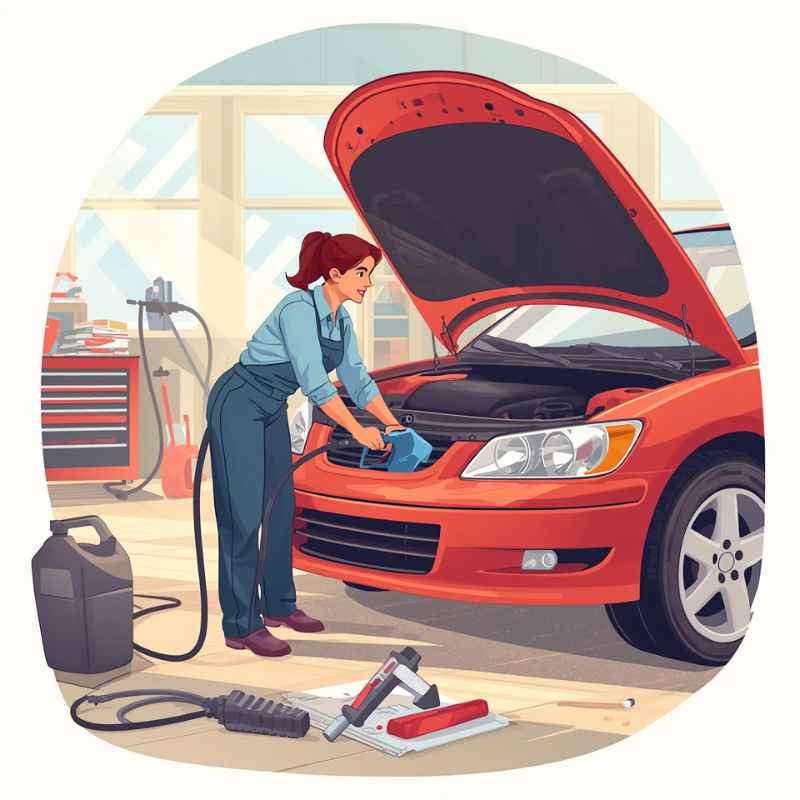
Working with gasoline is serious business. It’s highly flammable and its fumes are toxic. So, safety must be your number one concern.
Before you even think about draining, make sure you’re in a well-ventilated area. Never do this work indoors or in a closed garage. Open air is crucial to prevent fumes from building up.
Wear protective gear. This includes safety glasses to protect your eyes from splashes and chemical-resistant gloves to keep gasoline off your skin. Gasoline can irritate skin and is absorbed into your body.
A long-sleeved shirt and pants are also a good idea to cover more skin.
Keep all ignition sources far away. This means no smoking, no open flames, and no sparks. Turn off your car’s engine and ensure all electronics inside the car are off.
Even a static spark can ignite gasoline fumes. Also, make sure you have a fire extinguisher rated for flammable liquids (Class B) nearby, just in case.
Have the right containers ready. You’ll need approved gasoline storage containers. These are made of sturdy plastic or metal and have tight-fitting caps.
Never use old milk jugs or unmarked containers, as they can melt or leak. Make sure the containers are clean and dry before you start.
Tools and Materials You’ll Need
To safely get gas out of your car, you’ll need a few specific tools and materials. Having these ready will make the job much smoother and safer. It’s better to have a few extra things than to be caught without something important when you’re in the middle of the process.
First, you’ll need approved gasoline containers. As mentioned, these are special containers designed for fuel. Get one or two, depending on the size of your car’s fuel tank and how much you need to remove.
A 5-gallon container is common and usually sufficient for a full tank.
Next, you need a way to transfer the gas. There are a few options here. A manual siphon pump is a common choice.
It works by creating suction to draw fuel from the tank. Look for one specifically designed for gasoline. Some have a built-in filter to catch debris.
Another effective method is using a powered fuel transfer pump. These run on batteries and can move fuel more quickly and with less effort than manual pumps. They are a bit more expensive but can be worth it if you do this kind of work often or need to drain a large amount of fuel.
You’ll also need some rags or absorbent towels. Spills can happen, so being ready to clean them up quickly is important. Having a funnel can also be helpful, especially when pouring gas into your storage containers to avoid messes.
Finally, consider safety equipment like nitrile gloves and safety glasses. These protect you from the fuel. If your car has a fuel pump access port, you might need basic wrenches or screwdrivers to access it.
Always check your car’s manual to see what’s involved.
Method 1: Using a Siphon Pump (The Most Common Way)
This is the method most people think of when they need to drain a fuel tank. A siphon pump lets gravity and suction do the work. It’s fairly straightforward but requires a bit of patience.
Remember, safety is key here, so keep those precautions in mind.
First, position your car on a level surface. Make sure the engine is cool. You do not want to work with hot fuel.
Place your approved gasoline container on the ground, lower than the car’s fuel tank. This is important for gravity to help the flow.
Insert one end of the siphon hose into the car’s fuel tank. You might need to maneuver it past the anti-siphon device at the filler neck. Some cars have these, and you might need to find a way to bypass them carefully.
Do not force anything; if it feels stuck, you might need a different approach or a specialized tool.
Place the other end of the hose into your gasoline container. Now, you need to start the siphon. If you have a manual pump siphon, this usually involves pumping a bulb a few times until fuel starts flowing.
Be careful not to suck gasoline into your mouth if you’re using an old-style siphon tube. Always use a pump designed for fuel.
Once the fuel is flowing, you can let gravity do the work. Keep an eye on the container to make sure it doesn’t overflow. When the tank is mostly empty, you might need to tilt the container or the car slightly to get the last bit out.
Be very careful when doing this.
After you’re done, disconnect the hose and put the cap back on your fuel tank securely. Clean up any small spills immediately with your rags. Store the used gasoline in its approved container away from heat and flames.
Method 2: Accessing the Fuel Pump
Some modern cars make it difficult to siphon fuel directly from the tank through the filler neck. This is due to anti-siphon devices designed to prevent fuel theft and reduce emissions. In these cases, the easiest and safest way to drain the tank is by accessing the fuel pump.
This usually involves removing the rear seat or an access panel.
First, locate the fuel pump access port. This is typically under the rear seat or in the trunk. Consult your car’s owner’s manual if you’re unsure.
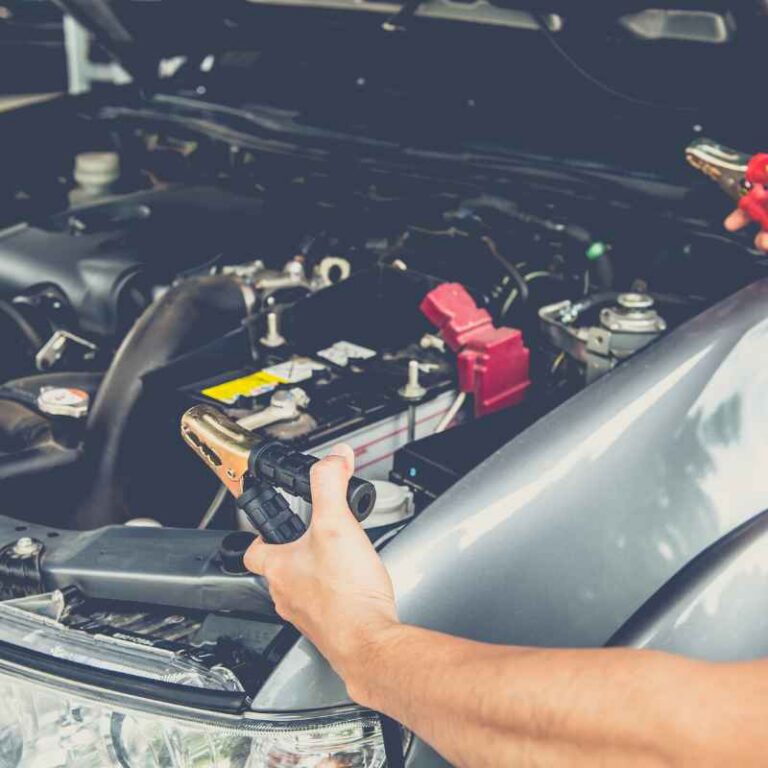
Once you find it, disconnect the battery to prevent any accidental sparks.
Remove the access panel and you’ll see the fuel pump assembly connected to the tank. There will be electrical connectors and fuel lines attached. You’ll need to disconnect these carefully.
For the fuel lines, you might need a special tool to release the fittings. Again, refer to your car’s manual for the correct procedure for your specific model.
Once the fuel lines are disconnected, direct the open fuel line into your approved gasoline container. You may need to crank the engine for a few seconds. This will cause the fuel pump to push the remaining fuel out of the tank through the disconnected line.
Be ready to stop cranking as soon as the fuel flow slows or stops.
This method can be messier than siphoning, so having plenty of rags and absorbent material handy is a must. Wear your protective gear. Once the tank is drained, reconnect the fuel lines and electrical connectors.
Replace the access panel and reattach the battery. You can then dispose of the fuel safely.
Fuel Tank Drain Options: Quick Comparison
Siphon Pump
Pros: Simple, few tools needed, less intrusive.
Cons: Can be slow, may not work on all cars due to anti-siphon devices, requires physical effort.
Fuel Pump Access
Pros: Faster, more effective for complete draining, works on modern cars.
Cons: Requires more tools, potentially more complex, higher risk of spills if not careful.
Dealing with Misfueled Cars
Putting the wrong fuel in your car is a common mistake that many people make. If you’ve put gasoline in a diesel car, or diesel in a gasoline car, you need to act fast. The damage can be significant if you try to start the engine or drive the car.
The first thing to do is DO NOT start the engine. If you’ve just realized your mistake at the gas station, turn off the pump immediately. If you’ve already driven a short distance, pull over to a safe spot and turn off the engine.
Continuing to run the engine will spread the contaminated fuel through the fuel lines, injectors, and potentially the engine itself.
Your primary goal is to drain the entire fuel tank. This means removing all the misfueled gasoline. For this scenario, using the fuel pump access method (Method 2) is often the best choice because it allows for a more complete drain than simple siphoning.
If you’re unsure how to do this, it’s best to call for professional roadside assistance or a tow truck to take your car to a mechanic.
After the tank is drained, the fuel system will likely need to be flushed. This involves running a cleaning solution or fresh fuel through the lines to remove any residue. Some mechanics may also recommend changing the fuel filter, as it can trap contaminants.
It’s important to have a professional check the system to ensure no damage has occurred.
If you put gasoline in a diesel car, the damage can be more severe. Diesel engines rely on compression to ignite fuel, while gasoline engines use spark plugs. Gasoline is thinner and has lubricating properties that diesel lacks.
This can cause premature wear and damage to the diesel fuel pump and injectors. In these cases, professional help is almost always necessary.
Preparing a Car for Long-Term Storage
When you need to store a car for an extended period, like several months or even years, dealing with the fuel is important. Gasoline degrades over time. It can form gums and varnish, which can clog fuel lines, the fuel filter, and the fuel injectors or carburetor.
This can lead to starting problems and costly repairs when you finally want to use the car again.
The best practice for long-term storage is to drain the fuel tank completely. You can do this using either of the methods described earlier. Once the tank is empty, it’s a good idea to run the engine for a minute or two to burn off any remaining fuel in the fuel lines and carburetor or injectors.
This ensures that there’s no fuel left to degrade.
However, some experts recommend filling the tank with fresh, high-quality gasoline and adding a fuel stabilizer. The idea here is that a full tank with stabilizer leaves less room for air, thus reducing condensation and rust inside the tank. The stabilizer prevents the fuel from breaking down.
You would then run the engine for a few minutes to circulate the stabilized fuel throughout the system.
The choice between draining completely or using a stabilizer often depends on the length of storage and personal preference. For very long storage periods (years), draining is often considered the most secure method to prevent any fuel-related issues. For shorter periods (a few months), a good fuel stabilizer might be enough.
If you choose to drain the tank, make sure you have a safe way to store the gasoline. Use approved containers and store them in a cool, dry, well-ventilated area away from any heat sources or ignition points. Old gasoline can be used for other purposes if it’s still in good condition, or it can be taken to a hazardous waste disposal facility.
Storage Prep: Drain vs. Stabilize
Drain Completely:
- Pros: Removes all fuel that could degrade. Eliminates risk of gummy deposits. Best for very long-term storage.
- Cons: Requires safe storage of old gas. Engine needs to be run dry.
Use Fuel Stabilizer:
- Pros: Keeps fuel fresh for months. Prevents deposits. Easier if you plan to use the car sooner.
- Cons: Doesn’t remove all fuel. Condensation can still form in a partially full tank.
Troubleshooting Common Issues During Fuel Draining
Even with careful preparation, you might run into a few snags when trying to get gas out of your car. Don’t get discouraged; these are common problems with simple solutions. The key is to stay calm and work through them safely.
Issue: The anti-siphon device is blocking the hose.
Many cars have a flap or screen in the filler neck that prevents you from inserting a hose deep enough to siphon fuel. If your siphon hose won’t go in far, you might need a specialized siphon hose that’s designed to push past these devices, or you might have to resort to the fuel pump access method. Never force the hose; you could damage the filler neck.
Issue: The fuel pump isn’t pushing fuel out.
If you’ve disconnected the fuel line at the pump and are trying to get the pump to push fuel, make sure the car’s battery is connected and functional. Then, have someone crank the engine for short bursts (5-10 seconds) while you watch the fuel line. If it still doesn’t push fuel, there might be a blockage in the line or the fuel pump itself might be faulty.
Issue: Siphoning is too slow.
Manual siphons can be slow, especially if the container is far below the tank. Ensure the container is as low as possible. If you have a lot of fuel to drain, a battery-powered fuel transfer pump will be much faster and easier.
These pumps have a much higher flow rate.
Issue: You accidentally spill fuel.
Spills happen. The most important thing is to clean them up immediately. Use absorbent rags or cat litter to soak up the spilled gasoline.
Be aware that gasoline fumes can travel. Ensure good ventilation and no ignition sources. Dispose of the soaked materials properly as hazardous waste.
Issue: You get a headache or feel dizzy.
This is a sign of inhaling too many fumes. Stop what you’re doing immediately and move to fresh air. If symptoms persist, seek medical attention.
This is why good ventilation is so critical. It’s also why wearing a respirator mask designed for organic vapors can be a good idea, especially if you have to work in less-than-ideal conditions.
Quick Fixes for Common Draining Problems
Problem: Hose won’t fit past filler neck.
- Solution: Try a flexible siphon hose. If still no luck, use the fuel pump access method.
Problem: Fuel pump not pumping.
- Solution: Check battery connection. Crank engine in short bursts. If still nothing, inspect pump and lines for blockages.
Problem: Slow fuel flow.
- Solution: Lower the fuel container. Use a powered transfer pump for speed.
Disposing of Old or Contaminated Gasoline Safely
You’ve successfully drained the gasoline, but what do you do with it now? You can’t just pour it down the drain or into the regular trash. Gasoline is considered hazardous waste, and improper disposal can harm the environment and even lead to legal penalties.
Option 1: Use it Up (If Still Good)
If the gasoline is relatively fresh and only slightly contaminated (like with a small amount of water), and you have a compatible engine that can handle it (like a lawnmower or generator), you might be able to use it. However, if it’s old, gunked-up, or heavily contaminated (like with diesel), this is not a good idea.
Option 2: Take it to a Hazardous Waste Facility
This is the most common and responsible way to dispose of old or contaminated gasoline. Most communities have designated hazardous waste collection sites or events. You can usually find information about these through your local city or county government website, or by calling your local waste management department.
They will accept gasoline in approved containers.
Option 3: Auto Parts Stores or Repair Shops
Some auto parts stores or independent repair shops may accept old gasoline for recycling or proper disposal. It’s best to call ahead and ask about their policy and any requirements they might have. They often partner with hazardous waste disposal companies.
Option 4: Contact Your Local Fire Department or EPA
If you’re unsure about disposal options, you can always contact your local fire department’s non-emergency line or the Environmental Protection Agency (EPA) for guidance. They can point you to the correct local resources for hazardous waste disposal.
Important Notes on Disposal:
- Always keep the gasoline in a sealed, approved container.
- Do not mix gasoline with other chemicals or fluids.
- Never pour gasoline into storm drains, sewers, or onto the ground.
- Check local regulations, as disposal rules can vary by state and municipality.
Safe Disposal Checklist
- Container: Use only approved, sealed gasoline containers.
- Location: Find a designated hazardous waste facility or collection event.
- Information: Call ahead to confirm acceptance and any specific rules.
- Never: Pour down drains, onto the ground, or mix with other waste.
When to Call a Professional
While draining a fuel tank is a task many car owners can handle with the right information and safety precautions, there are times when it’s best to leave it to the professionals. Your safety and the integrity of your vehicle are the most important factors.
You’ve Misfueled Severely: If you’ve put a large amount of the wrong fuel into your car (e.g., a full tank of diesel in a gasoline car), and especially if you’ve driven it, the fuel system could be significantly contaminated. A professional mechanic has the specialized tools and experience to thoroughly flush and diagnose any damage. Attempting this yourself might lead to incomplete cleaning or further damage.
You’re Uncomfortable or Unsure: If at any point you feel uneasy about the process, the risks involved, or you don’t have the right tools, it’s wise to stop. Professionals have the training and equipment to handle these situations safely and efficiently. There’s no shame in admitting you need help.
Complex Fuel Systems: Some modern vehicles have very complex fuel systems, including high-pressure pumps, intricate lines, and sensitive electronic components. Working on these without proper knowledge can lead to expensive mistakes. A mechanic has access to service manuals and diagnostic equipment specific to your car model.
Safety Concerns: If you don’t have adequate ventilation, the proper safety gear, or a clear understanding of flammability risks, it’s better to call a professional. A tow truck can transport your car to a repair shop where the fuel can be drained in a controlled environment.
Specific Vehicle Issues: Some cars have fuel tanks that are difficult to access or have unique draining mechanisms. If you’ve consulted your owner’s manual and still can’t figure out the best way to drain the tank, a professional will know.
Frequently Asked Questions
Can I siphon gas out of my car with a simple hose?
You can, but it’s not always recommended for all cars. Modern cars often have anti-siphon devices in the fuel filler neck that prevent a simple hose from being inserted far enough to siphon fuel. It’s also crucial to use a hose designed for gasoline and a proper pump to start the siphon, rather than trying to suck fuel by mouth, which is dangerous.
How much gas can I safely store in my car?
It is generally not safe or legal to store large quantities of gasoline inside the passenger compartment of your car. You should only carry the amount of gasoline needed for immediate use in a vehicle, and this should be in an approved, sealed container. Laws vary by state regarding the amount of fuel allowed in a vehicle for transport.
How long does it take to drain a car’s gas tank?
The time it takes to drain a car’s gas tank can vary greatly. Using a manual siphon might take 20-30 minutes or more for a full tank, depending on the tank size and the flow rate. A powered fuel transfer pump can do it much faster, often in 5-10 minutes.
Accessing the fuel pump can also be quicker if you are efficient.
What happens if I run my car on bad gasoline?
Running a car on bad or contaminated gasoline can cause a range of problems. You might experience rough idling, poor acceleration, engine misfires, stalling, or a complete failure to start. In diesel engines, gasoline can damage the fuel injection system due to its lack of lubrication.
In gasoline engines, old gas can clog fuel injectors and filters.
Is it safe to drain gas in my driveway?
It can be safe if you take extreme precautions. Ensure your driveway is level and away from any ignition sources (like pilot lights on water heaters, outdoor grills, or open flames). You must have excellent ventilation, wear protective gear, and have a fire extinguisher ready.
Small spills need immediate cleanup. If you have any doubts about safety, it’s better to move the car to a more appropriate location or call a professional.
Can I just put fresh gas in and dilute the old gas?
Adding a small amount of fresh gas to a tank with a little bit of the wrong fuel might work if the contamination is very minor and the engine can tolerate it. However, if you’ve put in a significant amount of the wrong fuel (like diesel in a gas car), simply diluting it is not enough. The wrong fuel can still cause damage to the engine and fuel system components.
It’s much safer to drain the contaminated fuel completely.
Conclusion
Removing gasoline from your car is a manageable task when approached with caution and the right steps. Prioritizing safety, using appropriate tools, and knowing when to call for help are key. Whether it’s a misfueling error or preparation for storage, this guide provides the knowledge to handle it correctly.
Stay safe and informed!
Products related to this article
Sponsored / affiliate links. As an Amazon Associate I earn from qualifying purchases. I may earn additional commission from eligible campaigns.