How Do You Know What Your Engine Size Is? Easy Methods
Finding out your engine size can feel like a puzzle sometimes. You might be looking to buy parts, get a quote, or just understand your car better. It’s a common question, and many folks get a little stuck.
Don’t worry, this is something many drivers face. We’ll walk through how to find this number simply and clearly.
Your engine size, often measured in liters or cubic inches, is a key spec. It tells you the total volume of your engine’s cylinders. Knowing this helps with car maintenance, performance understanding, and even insurance quotes.
You can find it on your vehicle’s documentation, dashboard, or by simple inspection methods.
What is Engine Size and Why Does It Matter?
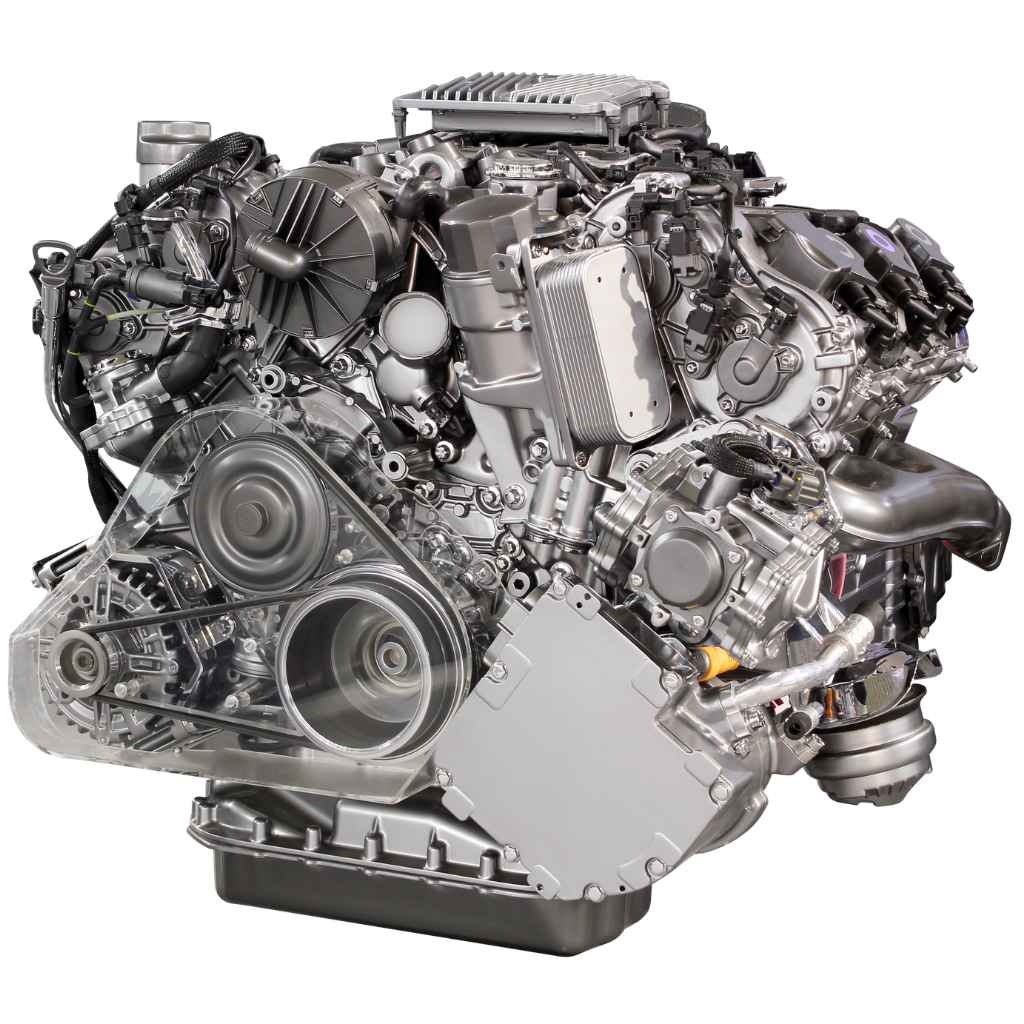
Engine size is a way to measure how big your car’s engine is. Think of it as the total space all the moving parts inside the engine have to work. We usually talk about it in liters (like 1.5L or 2.0L) or cubic inches (like 350 cubic inches).
This number tells you a lot. A bigger engine often means more power. It can also mean it uses more gas.
For car enthusiasts, it’s a core spec. For someone just needing an oil change, it’s crucial for getting the right oil filter or the right amount of oil.
It also impacts your car’s performance. Engines with larger displacement generally produce more torque and horsepower. This means they can accelerate faster and handle heavier loads.
However, this power often comes with a trade-off in fuel economy. Smaller engines tend to be more fuel-efficient.
In the U.S., engine sizes are often quoted in cubic inches for older or larger engines, while liters are more common for modern vehicles. For example, a classic V8 muscle car might be described as having a 5.0L or 302 cubic inch engine. A modern compact car might have a 1.8L engine.
My Own Engine Size Adventure
I remember when I first bought my used sedan. The seller rattled off a bunch of specs, and one was the engine size. I nodded along, but honestly, I had no clue what it meant or where to find it myself if I needed to.
A few months later, I was at an auto parts store, trying to buy new spark plugs.
The counter guy asked, “What’s the engine size?” My mind went blank. I fumbled through my phone, trying to find the car’s manual, which I’d never actually opened. He looked at me with that polite, slightly impatient stare.
“Is it a 4-cylinder? 6-cylinder? What liter?” he pressed.
I felt a flush of embarrassment. I was supposed to know this about my own car!
He patiently showed me where to look on a sticker in the engine bay. That was the moment I learned not to rely on others for basic car info. Since then, I’ve made it a point to know the key specs of every car I’ve owned.
It’s not just about parts; it’s about feeling in control of my vehicle.
Quick Engine Size Checks
Sticker in the Engine Bay: Often a white or yellow sticker lists engine details.
Owner’s Manual: This is the most reliable place for specs.
Driver’s Side Door Jamb: Sometimes vehicle weight and tire info is here, but check for engine codes.
Where to Look: The Ultimate Engine Size Detective Guide
Okay, let’s get down to finding that engine size. There are a few reliable places to check. Some are super easy, others might take a tiny bit more looking.
1. Your Car’s Owner’s Manual
This is your car’s Bible. If you still have it, this is the first place to look. Flip through the early sections.
They usually have a specifications or technical data page. You’ll find the engine size listed there, often in liters or cubic centimeters (cc).
Tip: If your manual is a physical book, it might be in your glove box. If it’s digital, search your car manufacturer’s website. They often have downloadable PDFs of owner’s manuals.
2. The Vehicle Identification Number (VIN)
Your VIN is like your car’s fingerprint. It’s a unique 17-character code. You can find it on your dashboard (visible through the windshield), on the driver’s side door jamb, or on your insurance card and registration documents.
Once you have your VIN, you can plug it into various VIN decoder websites. These sites can tell you a lot about your car, including its engine specifications. Search online for “VIN decoder” and pick a reputable one.
They will usually break down the VIN and show you the engine size among other details.
Experience: I used a VIN decoder once when I lost my manual. It quickly gave me the exact engine code and size, which was super helpful for ordering a specific performance part.
3. Under the Hood: The VIN and Engine Codes
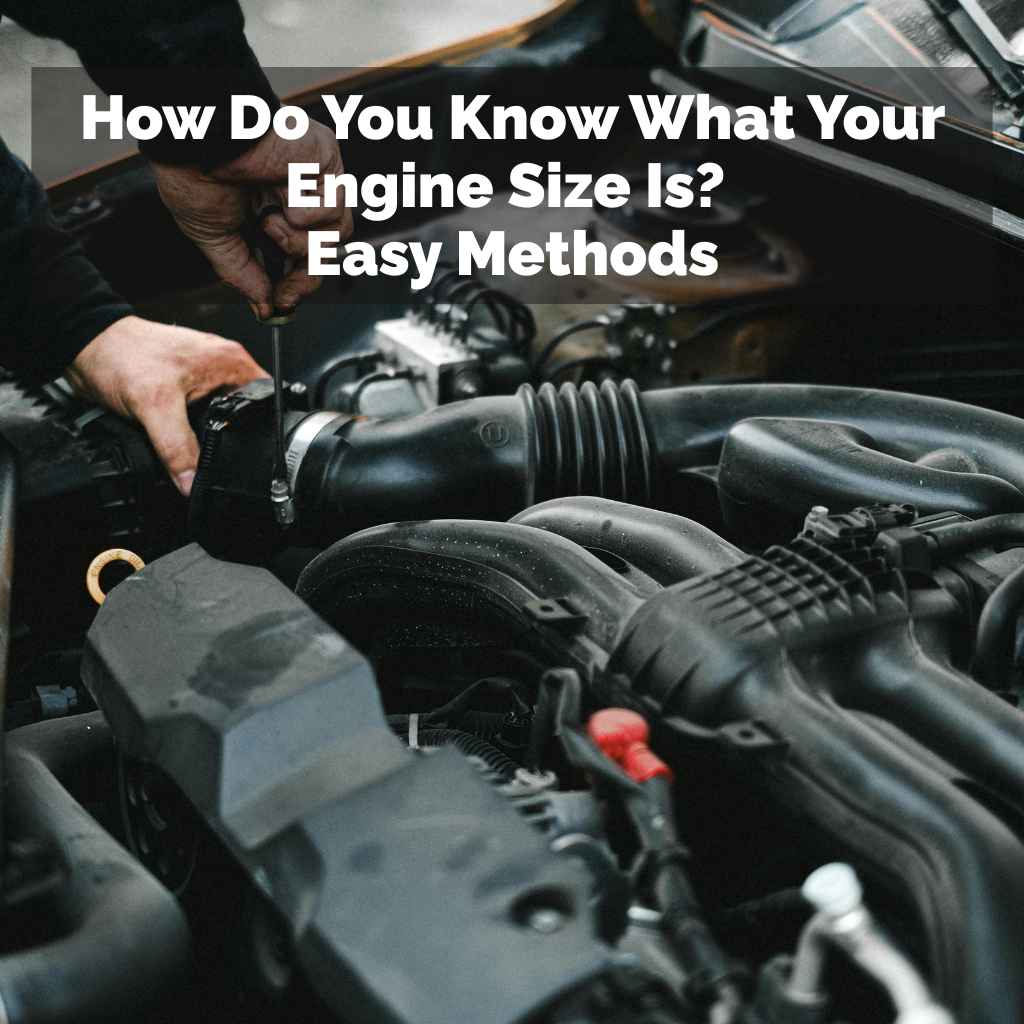
Pop your hood! There’s usually a sticker on the engine itself or on the firewall (the metal plate between the engine and the cabin) that has a Vehicle Emission Control Information (VECS) label. This sticker often contains engine codes and displacement information.
Look for lines that mention “Engine Displacement” or have numbers followed by “L” (liters) or “CID” (cubic inches). Sometimes, the engine code is listed, which you can then look up online to find the exact size. For example, a common Honda code like “K20” refers to a 2.0-liter engine.
Caution: Make sure your engine is cool before you touch anything under the hood. Safety first!
Engine Size vs. Horsepower
Engine Size (Displacement): This is the volume the pistons move within. Bigger means more potential power.
Horsepower (HP): This is the rate at which the engine can do work. It’s a measure of power output, not size.
Torque: This is the rotational force the engine produces. It’s what helps you accelerate from a stop.
Link: Larger engine size often leads to higher horsepower and torque, but not always. Engine design and technology play a huge role.
4. Your Vehicle Registration and Insurance Documents
Your state registration card and your insurance policy documents almost always list the engine size. It’s considered a key piece of information for identifying your vehicle for legal and insurance purposes.
Check your latest registration renewal form or your insurance policy declaration page. You should see a field for “Engine Size,” “Displacement,” or sometimes just the year, make, model, and then a number representing the engine size. It’s a very straightforward place to find this info.
5. Online Car Specification Databases
Many automotive websites allow you to look up car specifications by year, make, and model. If you know these details, you can easily find the engine size. Some popular sites include Edmunds, Kelley Blue Book (KBB), and even the manufacturer’s own website.
Just search for ” specs.” You’ll get a detailed list of all the technical information for that specific vehicle configuration, including the engine displacement.
6. The Manufacturer’s Website
If you know your car’s year, make, and model, you can often go directly to the manufacturer’s website. They usually have archives of past models. You can find the original brochure or spec sheet for your car’s model year, which will clearly state the engine size.
This is especially helpful if you have a newer car. The “Build and Price” tools can show you different engine options, and you can see which one your car has by comparing its features.
Understanding Engine Size Terminology
Let’s break down what these numbers and terms actually mean. It can be a little confusing at first, but it’s pretty simple once you know.
Liters (L) Explained
Liters are the most common way to measure engine size today. One liter is about the volume of a large water bottle. So, a 2.0L engine means all the cylinders combined can hold 2 liters of liquid if they were completely filled.
Common Sizes:
- Small cars often have 1.0L to 1.6L engines.
- Medium cars might have 1.8L to 2.5L engines.
- Larger cars and SUVs can have 3.0L to 5.0L or even bigger engines.
Experience: When I switched from a 1.6L compact to a 2.5L sedan, I immediately noticed the extra pep in its step, especially on hills. The engine size directly showed its potential.
Cubic Inches (CID) Explained
Cubic inches (CID) were more common in older American cars. It’s a measurement of volume, just like liters. One cubic inch is a small cube, about the size of a sugar cube.
Conversion: To get a rough idea, 1 liter is about 61 cubic inches. So, a 5.0L engine is roughly equivalent to a 305 cubic inch engine (5.0 x 61 = 305).
Common in: You’ll often see CID mentioned with classic American V8 engines, like a “350” (which refers to 350 cubic inches).
Cubic Centimeters (cc)
Cubic centimeters (cc) are often used for very small engines, like those in motorcycles, scooters, or some compact European cars. 1000cc is equal to 1 liter.
So, a 125cc scooter engine is 0.125 liters. It’s just a different unit of measurement for smaller volumes.
Engine Size vs. Number of Cylinders
Engine Size: Total volume of all cylinders.
Number of Cylinders: How many pistons the engine has (e.g., 4-cylinder, 6-cylinder, 8-cylinder).
Relationship: A 4-cylinder engine could be 1.6L or 2.4L. A V6 (6-cylinder) could be 3.0L or 3.5L. The number of cylinders is just one part of the whole engine size.
What If You Can’t Find the Engine Size Anywhere?
Sometimes, especially with very old or custom-modified vehicles, finding the exact engine size can be a challenge. If all else fails, here are a few more things you can try.
Consult a Mechanic
If you’re really stuck, take your car to a trusted mechanic. They deal with car engines every day. They can often identify the engine by sight and tell you its size.
They might look for specific markings on the engine block or know common engines for your car’s model.
Trustworthiness: A good mechanic is an expert who can provide accurate information based on years of experience. Don’t hesitate to ask them for help with basic identification.
Check Engine Part Websites
Websites that sell engine parts (like oil filters, timing belts, etc.) often require you to input your car’s year, make, and model. When you select your car, they might show you a list of compatible parts for different engine options. This can help you narrow down what your engine size might be.
Experience: I’ve used parts sites to help identify engine types when buying aftermarket parts. If a site lists three different air filters for a 2005 Honda Civic, and one is for a “1.7L” and another for a “2.0L,” it tells me those are the likely engine sizes for that model.
Look for Engine Swap Clues
If your car has had an engine swap (meaning the original engine was
This can be tricky. You might need to find the engine manufacturer’s tag or cast-in numbers on the engine block. You can then search these numbers online to identify the specific engine and its size.
Infographic: Engine Size Indicators
Indicator: Owner’s Manual
Where to Find: Specifications Section
Indicator: VIN Decoder
Where to Find: Online, Dashboard, Door Jamb, Paperwork
Indicator: Engine Bay Sticker
Where to Find: Engine Block or Firewall
Indicator: Registration/Insurance
Where to Find: Vehicle Documents
Common Misconceptions About Engine Size
People often mix up engine size with other car specs. Let’s clear up a few common misunderstandings.
Engine Size vs. Horsepower
As mentioned earlier, a larger engine can mean more horsepower, but it’s not a direct rule. Modern engine technology, turbochargers, and superchargers can make smaller engines produce a lot of power. A 2.0L turbocharged engine might have more horsepower than a naturally aspirated 3.0L engine.
Expertise: Think of it like this: engine size is the potential fuel it can burn, while horsepower is how efficiently and effectively it turns that fuel into power. It’s about the engine’s design and the technology used.
Engine Size vs. Number of Cylinders
People sometimes assume a 4-cylinder engine is always small, and an 8-cylinder engine is always huge. This isn’t always true. You can have a large displacement 4-cylinder engine (like some found in performance cars or trucks) and a smaller displacement 8-cylinder engine (like those in some compact luxury cars).
The size of each individual cylinder matters, as does the total count.
Experience: I once drove a friend’s car that had a massive 8-cylinder engine but felt surprisingly nimble and efficient. It was a smaller, lighter V8 designed for economy.
Engine Size vs. Fuel Economy
Generally, larger engines use more fuel. This is because they have more internal volume to fill with air and fuel, and their moving parts create more friction. However, modern advancements like cylinder deactivation (where some cylinders shut off when not needed) and efficient transmissions can improve fuel economy for larger engines.
Prevention: If fuel economy is a top priority, you’ll typically look for smaller engine sizes or hybrid/electric vehicles. But always check the EPA estimated MPG ratings for specific models, as they provide the most accurate comparison.
Engine Size Terms to Know
Displacement: Another word for engine size.
CID: Cubic Inches, a common U.S. measurement.
L: Liters, the international standard.
cc: Cubic Centimeters, for smaller engines.
Naturally Aspirated: An engine that gets its air just from atmospheric pressure.
Forced Induction: Engines with turbochargers or superchargers that force more air in.
When to Worry About Your Engine Size (or Lack Thereof)
For the most part, knowing your engine size is about identification and understanding. You don’t typically “worry” about the number itself unless it relates to performance expectations or maintenance.
If You’re Buying a Car
When you’re looking at a used car, make sure the engine size listed matches the actual engine in the car. A seller might misrepresent a car by saying it has a larger engine than it actually does. Always verify by checking the VIN, engine bay stickers, or the owner’s manual if available.
Trustworthiness: Don’t be afraid to ask for proof or to spend a few minutes looking it up yourself. It’s your money.
If You’re Ordering Parts
This is where getting the engine size wrong can be a real pain. Ordering the wrong spark plugs, oil filter, or air filter because you had the wrong engine size can lead to wasted money and time. Always double-check the exact engine displacement.
Experience: I once ordered brake pads for the wrong engine size on a popular SUV model. They looked similar but were slightly different. The auto parts store had to exchange them, costing me an extra trip and delay.
If You Suspect an Engine Swap
If your car’s performance seems drastically different from what you’d expect for its model year, or if you have reason to believe the engine was swapped, it’s important to try and identify the current engine’s size. Mechanics can help with this. An incorrect identification could lead to using wrong fluids or parts, potentially damaging the engine.
Expertise: Some engine swaps can be complex. If you suspect one, it’s best to have a professional confirm the engine type and size.
Tips for Keeping Your Engine Healthy
While knowing your engine size is key for maintenance, keeping the engine itself healthy is even more important. Here are some basic tips:
- Regular Oil Changes: This is the most crucial step. Use the type and weight of oil recommended in your owner’s manual for your specific engine size.
- Check Fluids: Regularly check coolant, brake fluid, power steering fluid, and transmission fluid.
- Listen to Your Engine: Strange noises are often early warnings. Don’t ignore them.
- Replace Air Filter: A clean air filter helps your engine breathe better and perform efficiently.
- Keep Up with Maintenance Schedule: Follow the manufacturer’s recommended service intervals for things like timing belts, spark plugs, and coolant flushes.
Real-World Context: Treating your engine well means it will last longer and perform better. Even a large, powerful engine needs proper care to avoid problems.
Frequently Asked Questions About Engine Size
How do I find my engine size if my car is very old?
For older cars, the owner’s manual is still your best bet if you have it. If not, look for stickers under the hood, especially emissions labels. Your VIN decoder should also work for older vehicles.
If you’re still unsure, a mechanic can usually identify older engines by sight.
Is a 3.5L engine always better than a 2.0L engine?
Not necessarily. While a 3.5L engine generally has more potential power due to its larger volume, a modern 2.0L engine with turbocharging or other advanced technology can produce similar or even more horsepower. Fuel economy is also a factor; the 2.0L will likely be more fuel-efficient.
Can I find my engine size on the dashboard?
Typically, no. The engine size itself is rarely displayed on the dashboard. You might see engine warning lights, or indicators for oil level or temperature, but not the displacement number.
You’ll need to check your documents or under the hood.
What does “engine displacement” mean?
Engine displacement is just another term for engine size. It refers to the total volume swept by all the pistons in the cylinders of an engine. It’s usually measured in liters or cubic inches.
Does engine size affect insurance costs?
Yes, engine size can sometimes affect insurance costs. Larger, more powerful engines might be seen as higher risk by insurance companies, leading to slightly higher premiums. This is because they can be more expensive to repair and may contribute to higher speeds.
How do I know if my engine has been swapped?
Signs of an engine swap can include a different engine sound, unusual performance characteristics compared to other cars of the same make and model, or discrepancies between the engine type you see and what’s listed in your documentation. A mechanic can help confirm if an engine swap has occurred.
Final Thoughts on Understanding Your Engine
Knowing your engine size is a simple but important piece of knowledge. It helps you communicate accurately with mechanics and parts suppliers. It also gives you a better understanding of your car’s capabilities and needs.
With the methods outlined here, you should be able to find your engine size quickly and easily. Don’t let this basic detail be a mystery. Understanding your car is the first step to taking great care of it.
Products related to this article
Sponsored / affiliate links. As an Amazon Associate I earn from qualifying purchases. I may earn additional commission from eligible campaigns.