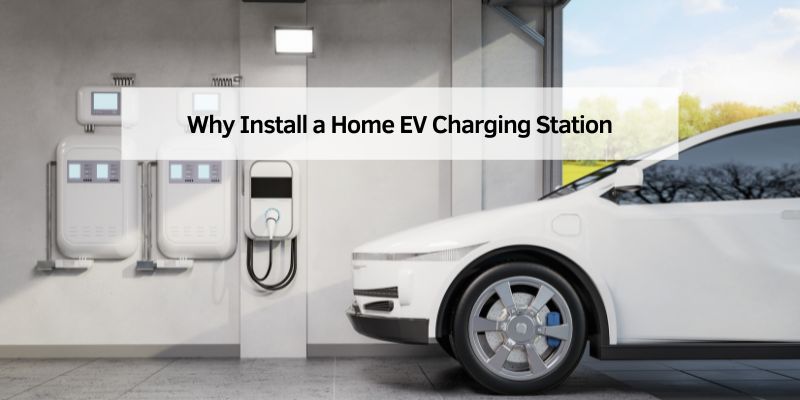
Why Install a Home EV Charging Station?
When I bought my electric car, I relied on the standard Level 1 charger that came with it. It plugged into a regular 120-volt outlet, but it was painfully slow—sometimes taking 20 hours or more to fully charge. That worked fine for occasional drives, but as I started using my EV daily, I needed something faster and more reliable. That’s when I decided to install a Level 2 charging station at home.
A home charging station, especially a Level 2 charger, can charge your EV up to eight times faster than a Level 1 charger. For me, this meant I could plug in overnight and wake up to a fully charged car, ready for my commute or errands. Plus, charging at home is often cheaper than using public stations, especially if you take advantage of off-peak electricity rates. It’s also a huge convenience—no more hunting for available public chargers or waiting in line at busy stations. Installing a home charger gave me peace of mind and made owning an EV even more enjoyable.
Understanding EV Charger Types
Before I started my installation journey, I had to learn about the different types of EV chargers. There are three main levels, and each has its own use case. Here’s what I found out:
- Level 1 Chargers: These come with most EVs and plug into a standard 120-volt household outlet. They’re super slow, adding about 2 to 5 miles of range per hour. I used one initially, but it wasn’t practical for daily driving.
- Level 2 Chargers: These use a 240-volt outlet, like the ones for dryers or ovens. They charge much faster, adding 12 to 32 miles of range per hour. This is what I ended up installing at home, and it’s the most common choice for residential use.
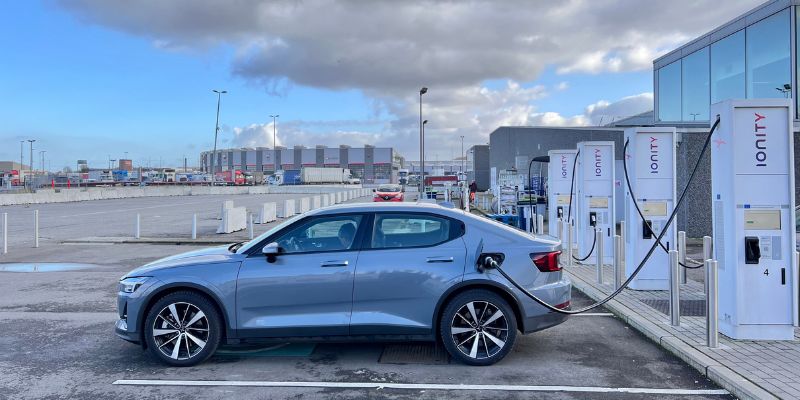
- Level 3 Chargers (DC Fast Chargers): These are high-powered chargers found at commercial or public stations. They use 400 volts or more and can add 100 to 250 miles of range in under 45 minutes. They’re not practical for home use due to their cost and power requirements.
For most homeowners, a Level 2 charger is the sweet spot. It’s fast enough to keep your EV charged for daily use but doesn’t require the complex electrical upgrades needed for a Level 3 charger.
Assessing Your Home’s Electrical System
One of the first things I did was check if my home’s electrical system could handle a Level 2 charger. This step is crucial because a 240-volt charger draws a lot more power than a standard outlet. I called a licensed electrician to evaluate my electrical panel, and I recommend you do the same. Here’s what we looked at:
- Electrical Panel Capacity: My home had a 200-amp panel, which was enough to support a Level 2 charger. Older homes with 100-amp panels might need an upgrade, which can add to the cost.
- Available Circuits: The electrician checked if there were open slots in the panel for a new 240-volt circuit. If your panel is full, you might need a subpanel.
- Wiring and Distance: The distance from your electrical panel to where you want the charger matters. Longer runs mean more wiring, which can increase costs.
My electrician also asked about my household’s energy usage. If you run a lot of heavy appliances (like an electric dryer or AC unit) at the same time, you might need a load management system to avoid overloading your panel. This was a bit overwhelming at first, but the electrician walked me through it, and it made sense.
Choosing the Right Charger for Your Needs
Picking the right charger felt like shopping for a new gadget—exciting but a little daunting with all the options. I spent hours researching brands and models, and here’s what I learned to focus on:
- Power Output: Level 2 chargers typically range from 7kW to 11kW. I chose a 7kW charger because it matched my car’s charging capacity and was compatible with my home’s electrical setup.
- Tethered vs. Untethered: A tethered charger has a built-in cable, which is convenient but limits flexibility. An untethered charger lets you use different cables but requires you to carry one. I went with a tethered model for ease of use.
- Smart Features: Some chargers connect to Wi-Fi, letting you monitor charging, schedule sessions during off-peak rates, or integrate with solar panels. My charger has an app that shows me real-time charging stats, which I love.
- Compatibility: Make sure the charger works with your EV’s connector type. Most non-Tesla EVs use a J1772 connector, while Tesla has its own. I double-checked my car’s manual to confirm.
I ended up choosing a charger from a reputable brand with good reviews. Prices for Level 2 chargers typically range from $500 to $1,500, depending on features. If you’re unsure, check with your EV manufacturer for recommendations.
Picking the Perfect Location
Deciding where to install the charger was a big decision for me. I wanted it to be convenient but also safe and practical. Here’s what I considered:
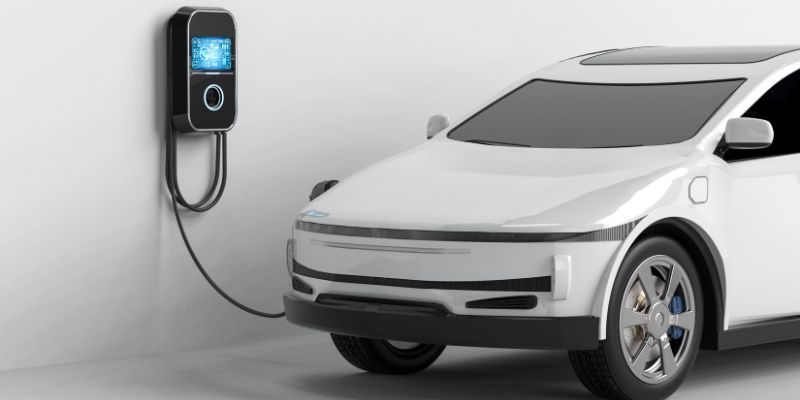
- Proximity to Parking: I park in my garage, so I installed the charger on the wall near where my car’s charging port is. If you park in a driveway, a post-mounted charger might work better.
- Weather Protection: Since my charger is indoors, I didn’t worry about weatherproofing. For outdoor installations, choose a charger with a high weather-resistance rating (like IP65) and protect the cable from rain or snow.
- Cable Length: My charger came with a 25-foot cable, which gave me flexibility to reach my car even if I parked a bit off-center. Measure the distance from the charger to your car’s port to ensure the cable is long enough.
- Safety: I made sure the charger was away from walkways to avoid tripping hazards. If you’re installing outside, keep the cable away from gas pipes or other electrical lines.
I also checked my Wi-Fi signal strength in the garage since my charger has smart features. A weak signal could mess with app connectivity, so I added a Wi-Fi extender just in case.
Navigating Permits and Regulations
Before installing my charger, I learned that most areas require permits to ensure the installation meets local electrical codes. This part felt like a hassle, but it’s important for safety. Here’s how I handled it:
- Check Local Requirements: I called my city’s building department to ask about permits. Some areas require a permit for any electrical work, while others only need one for panel upgrades.
- Hire a Licensed Electrician: My electrician handled the permit process for me, which was a huge relief. They knew the local codes and filed the paperwork on my behalf.
- Utility Notification: I also contacted my utility company to let them know I was adding a charger. Some utilities offer incentives or special rates for EV owners, so it’s worth checking.
The permit process took about a week in my case, but it varies by location. Don’t skip this step—it ensures your installation is safe and up to code.
The Installation Process
Once I had my charger, location, and permits sorted, it was time for the actual installation. I hired a professional electrician because EV chargers involve high-voltage wiring, and I didn’t want to take any risks. Here’s how it went:
- Site Assessment: The electrician visited my home to confirm the charger location and check the electrical panel. They also measured the wiring run from the panel to the charger.
- Running Wiring: They installed a new 240-volt circuit from the panel to the charger location. This involved running conduit and wiring through my garage wall.
- Mounting the Charger: The electrician mounted the charger securely on the wall and connected it to the new circuit. They also installed a protective cover to keep the setup tidy.
- Testing: After installation, they turned on the power and tested the charger with my EV to make sure everything worked. They also connected it to my Wi-Fi for smart features.
- Inspection: A city inspector came by to check the work. Everything passed, and I got the green light to start charging.
The whole process took about four hours, though it can take longer if your electrical system needs upgrades. My total cost, including the charger and installation, was around $1,200, but prices can range from $1,000 to $3,000 depending on your setup.
Costs and Incentives
Let’s talk money. Installing a charger isn’t cheap, but it’s a worthwhile investment. Here’s a breakdown of the costs I encountered:
| Item | Cost Range |
|---|---|
| Level 2 Charger | $500–$1,500 |
| Electrical Work (Wiring, Circuit) | $500–$2,000 |
| Permits | $50–$200 |
| Panel Upgrade (if needed) | $1,000–$4,000 |
To save money, I looked into incentives. The federal government offers a 30% tax credit (up to $1,000) for home EV charger installations, which helped a lot. Some states and utilities also offer rebates or discounts, so I checked with my local utility company and found a $500 rebate. Search online for “EV charger incentives [your state]” to see what’s available in your area.
Tips for a Smooth Installation
After going through this process, I picked up a few tips that made things easier:
- Get Multiple Quotes: I got estimates from three electricians to compare prices and expertise. It helped me find a reliable pro at a fair price.
- Plan for the Future: If you might get a second EV, consider installing a charger with dual ports or wiring for future expansion.
- Use Off-Peak Rates: Many utilities offer lower rates at night. I set my charger to run during off-peak hours to save on electricity bills.
- Keep Safety First: Don’t try to DIY high-voltage wiring. A licensed electrician ensures the job is done safely and correctly.
- Maintain Your Charger: Clean the cable and check for wear regularly. My charger’s manual has maintenance tips, and I follow them to keep it in top shape.
These little things made a big difference in my experience, and I hope they help you too.
Benefits of Having a Home Charger
Now that my charger is installed, I can’t imagine going back to relying on public stations. Here are some of the benefits I’ve noticed:
- Convenience: I plug in when I get home, and my car’s ready by morning. No more trips to public chargers.
- Cost Savings: Charging at home, especially during off-peak hours, is way cheaper than public stations.
- Reliability: I don’t have to worry about broken or occupied public chargers. My station is always ready.
- Increased Home Value: A home charger can make your property more attractive to future buyers, especially as EVs become more popular.
It’s been a game-changer for my EV lifestyle, and I’m sure it will be for you too.
Conclusion
Installing an electric car charging station at home was one of the best decisions I made as an EV owner. It’s given me the freedom to charge on my schedule, save money, and enjoy my electric car to the fullest. From picking the right charger to navigating permits and hiring an electrician, the process can seem overwhelming at first, but breaking it down into steps makes it manageable. I hope my experience helps you feel confident about taking on this project. Whether you’re a new EV driver or a seasoned one, a home charger is a smart investment that pays off in convenience and peace of mind. So, go for it—get that charger installed and enjoy the ride!
Frequently Asked Questions
What’s the difference between Level 1 and Level 2 chargers?
Level 1 chargers use a standard 120-volt outlet and are slow, adding 2 to 5 miles of range per hour. Level 2 chargers use a 240-volt outlet, charge much faster (12 to 32 miles per hour), and are better for daily use. I chose a Level 2 charger for its speed and convenience.
Do I need a permit to install an EV charger?
Most areas require a permit for EV charger installations to ensure they meet electrical codes. I recommend checking with your local building department. My electrician handled the permit process, which made it easy.
How much does it cost to install a home EV charger?
Costs vary, but expect to spend $1,000 to $3,000, including the charger ($500–$1,500) and installation ($500–$2,000). If your electrical panel needs an upgrade, it could add $1,000 to $4,000. I saved money by claiming a federal tax credit and a local rebate.
Can I install an EV charger myself?
I wouldn’t recommend it. EV chargers involve high-voltage wiring, which can be dangerous if not done correctly. I hired a licensed electrician to ensure safety and compliance with local codes.
How long does it take to install a charger?
My installation took about four hours, but it can take longer if your home needs electrical upgrades. The electrician will assess your setup and give you a timeline.
Can I charge my EV with solar panels?
Yes, if your charger supports it and you have a solar system. I don’t have solar, but some smart chargers let you integrate with solar panels to use renewable energy for charging.
What if I don’t have a driveway or garage?
If you park on the street or in a shared lot, installation can be trickier. You might need permission from a landlord or homeowners’ association. I suggest talking to a professional installer to explore options like post-mounted chargers.