How to Lower a Car Jack Safely: Expert Tips
To lower a car jack, turn the handle counterclockwise slowly. The car will gently descend as you keep turning until the jack is fully lowered.
Lowering a car jack seems straightforward, yet it requires a touch of care and attention to detail. Knowing how to properly lower a car jack ensures the safety of your vehicle and yourself. Missteps can lead to accidents or damage, so understanding the right technique is essential.
Whether you’re finishing up a tire change or just inspecting your car’s undercarriage, this skill is crucial. In this guide, we’ll explore the steps you need to follow to safely and effectively lower a car jack. Let’s dive into the process, ensuring you feel confident and secure every step of the way.

Credit: www.youtube.com
Choosing The Right Car Jack
Car jacks are essential tools for lifting vehicles. They come in different types. Hydraulic jacks use oil to lift heavy loads. Scissor jacks are compact and easy to store. Bottle jacks are strong and sturdy. Each type has its unique features.
Different cars need different jacks. Small cars fit well with scissor jacks. SUVs need strong bottle jacks. Trucks often use hydraulic jacks. Choose the right jack for your vehicle. This ensures safety and ease.
Preparing The Vehicle
First, park the car on a flat surface. Flat surfaces keep the car stable. After parking, turn off the engine. Pull the parking brake to secure the car. This stops the car from moving. Always double-check the brake. It’s important for safety.
Look at the ground under the car. Make sure it is not slanted. Slanted ground can make the car slip. If the ground is uneven, find another spot. Stability is key. Safety comes first. Always ensure the ground is hard and level.
Positioning The Car Jack
First, find the jack points on your car. These are spots where the car is strong. Check your car’s manual for these points. They are usually behind the front wheels and in front of the rear wheels. Never place the jack on the car body. This can damage your car. Always use the correct spots.
Once the jack points are located, align the car jack with these points. Make sure the jack is on a flat surface. A stable ground is important. This keeps the car from moving. Check the jack is straight before lifting. It helps keep everything safe. Safety first, always.
Lifting The Vehicle
Place the car jack under the vehicle. Make sure it is secure. Turn the jack handle clockwise to lift the car. Use smooth, steady movements. Check the car’s position often. Keep hands and feet clear. Ensure safety at all times.
Verify the jack is stable before lifting. Do not rush. Watch the car carefully as it rises. Ensure the lift is even. Avoid tilting or leaning. Double-check the car’s balance. Safety first is key. Keep your attention focused.
Inspecting Before Lowering
Ensure the car is stable on the jack. Look at the tires. They should not touch the ground. The car should not wobble. Make sure the parking brake is on. This helps keep the car still. Double-check the wheel chocks. They stop the car from rolling.
Check the condition of the jack. Look for any cracks or rust. These can make the jack unsafe. Ensure the jack is not leaning. A straight jack is a safe jack. Test the handle. It should move easily. If it sticks, it may be unsafe.
Credit: www.reddit.com
Lowering The Car Jack
Controlled descent techniques are very important. They keep the car safe. Turn the jack handle gently. Slowly let the car go down. Do not rush this process.
Avoiding sudden drops is crucial. Sudden drops can be dangerous. Always check the ground first. Make sure it is even and hard. This prevents the car from slipping.
Always stay clear of the car’s path. Safety is the top priority. Use these tips for a smooth and safe lowering.
Safety Precautions
Using Jack Stands is very important. Jack stands keep the car safe. They hold it steady. Always use them when working under a car. Never trust just a car jack. It can slip or fall. Jack stands prevent accidents. Place them under the car frame. Make sure they are firm and stable. Check them twice before moving under the car.
Wearing Protective Gear keeps you safe. Always wear gloves and goggles. Gloves protect your hands. Goggles protect your eyes. Loose clothes can get caught. Wear tight-fitting clothes. Shoes should be strong and closed-toed. They protect your feet from heavy tools. Safety is the first rule. Always wear protective gear.
Troubleshooting Common Issues
Lowering a car jack safely involves turning the handle counterclockwise to release pressure slowly. Make sure the vehicle is stable before starting. Keep your hands clear of moving parts to avoid injuries.
Handling Jack Malfunctions
Sometimes, a car jack might not work. It could be stuck or not lift. Check the jack for any dirt or rust. Clean it to make sure it moves well. Lubricate the moving parts with oil. This can help it work smoothly. Ensure all parts are tight and secure. Loose parts can cause problems. If the jack still does not work, it might be broken. In this case, it may need repair or replacement.
Addressing Vehicle Imbalance
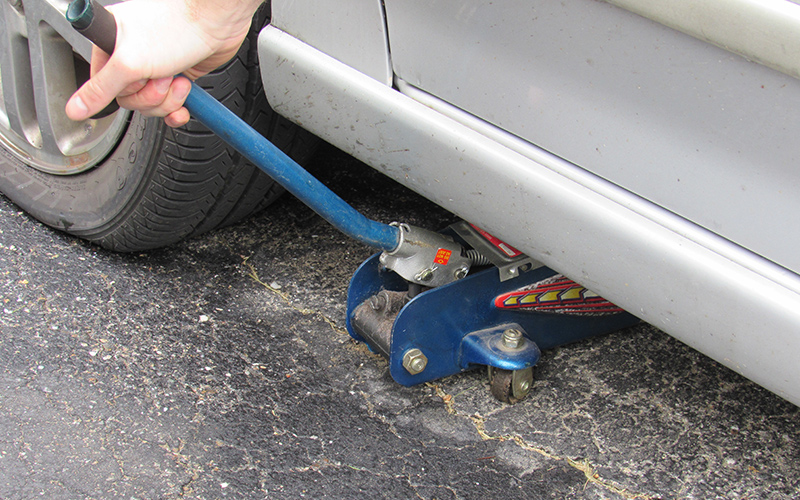
A car can lean to one side when jacked up. This can be dangerous. Check the ground for flatness. Uneven ground can cause imbalance. Place a board under the jack on soft ground. This helps keep it steady. Ensure the jack is in the right spot. Follow your car manual for guidance. Always check the car’s balance before starting work. Safety is most important.
Credit: www.homedepot.com
Frequently Asked Questions
How Do You Get A Jack To Lower?
Turn the jack handle counterclockwise to lower it. Ensure the vehicle is stable first. Always follow the jack’s manual instructions for safety.
How Do You Lower A Car Off A Jack Stand?
Lower the car by first ensuring the jack is securely positioned under the vehicle. Slowly turn the jack handle counterclockwise to gently lower the car. Make sure the car is on stable ground and not moving. Remove the jack stands once the car is safely on the ground.
How To Make A Jack All Go Down?
Lower a jack by turning the release valve counterclockwise. Ensure the jack is stable and on a flat surface.
Why Is My Jack Not Going Down?
Your jack may not go down due to a hydraulic fluid leak or blockage. Check for obstructions or fluid level issues. Inspect for mechanical damage or worn components. Regular maintenance can prevent these problems. Ensure safety by consulting a professional if the issue persists.
Conclusion
Lowering a car jack is easy with the right steps. Always stay safe. Double-check your car’s stability. Follow the steps carefully. Make sure to position the jack correctly. Lower it slowly. Keep your hands clear. Practice makes perfect. With these tips, you can confidently lower a car jack.
Now you are ready to handle your car maintenance. Happy driving!