How To Make Someone’s Car Smell Really Bad: Genius
Making any car smell truly unpleasant involves strategic placement of strong, lingering odor sources where the natural ventilation system cannot easily clear them away. This guide explores various common household items and tactical methods to introduce offensive smells into a vehicle’s interior or ventilation system safely (for you, not the car).
Hello there! I’m Md Meraj, and while most of my advice focuses on keeping your own ride smelling fresh and running smoothly, sometimes life throws you a puzzling situation where an unusual odor is the goal. Perhaps you’re dealing with an annoying parking situation, or maybe you’re just curious about how smells transfer in a closed environment. Either way, creating a truly terrible smell in a vehicle requires more than just leaving an old gym sock behind. It needs a bit of planning.
Forget complicated chemical reactions. We are going to focus on smart, accessible techniques that target the porous materials inside a car—the upholstery, the carpets, and especially the air system. These materials trap smells like nothing else. This article will break down the best, surprisingly effective “genius” methods for introducing robust, lingering foul odors into a car’s cabin. We’ll approach this step-by-step, ensuring the methods are easy to apply and understand for anyone.
Ready to learn the tricks of offensive odor introduction? Let’s dive into how to make a lasting impression—the stinky kind.
Understanding How Car Smells Linger
Before we start introducing new scents, it helps to know why smells stick around in a car. A vehicle cabin is a small, closed space with many surfaces ready to absorb odors. Understanding this helps us choose the best placement for maximum effect.
The Role of Porous Materials
Fabrics, foam, and carpet are the biggest culprits. Think of these materials as giant sponges for scent molecules. Once a strong odor hits them, those molecules embed themselves deep within the fibers.
- Upholstery and Carpets: These materials absorb odors from spills, smoke, or any introduced source quickly. Steam cleaning or harsh chemicals are often needed to remove them.
- Headliner (Ceiling Fabric): Often forgotten, the headliner absorbs odors rising from spills or ventilation. It’s a tough spot to clean, making it a prime target.
- HVAC System: If the smell can get into the air intake, it will circulate every time the fan is turned on, ensuring widespread distribution.
Why Fresh Air Isn’t Always Enough
Modern cars are quite well-sealed. If an odor source is hidden, such as underneath a seat or deep in the floor mats, simple opening of the doors won’t flush it out immediately. The odor molecules stay trapped until they can evaporate or be neutralized, which gives our methods time to work.
Category 1: Direct Contact Methods (The Strongest Approach)
These methods involve placing a potent odor source directly onto a surface that will maximize absorption and retention. Focus on low, out-of-sight areas.
Method 1: The Milk/Dairy Disaster (The Classic)
Sour milk is one of the most universally offensive and persistent smells. It’s not just bad; it spreads a foul, cheesy, rotten stench that is incredibly difficult to remove.
- Acquisition: Obtain a small, non-refrigerated container of milk, yogurt, or heavy cream. Leaving it out for a day or two will speed up the souring process significantly.
- Application Zone: The best spot is under the rear passenger floor mats. Lift the mats, and pour a very small amount—just enough to soak the carpet underneath—onto the carpet backing. Less is often more for absorption.
- Cover Up: Place the floor mats back down exactly as they were. Leave no damp spots visible outside the mat edges.
- Wait Time: The longer the vehicle sits closed, especially in warm weather, the stronger the odor will become as bacteria break down the proteins.
Safety Note: While this targets the smell, always ensure liquids do not reach any electronic components underneath the carpet.
Method 2: Fermented Fish Scents
Certain fermented seafood products are infamous for their overwhelming aroma. These are particularly effective because the smell penetrates deeply into plastic and fabric fibers.
- Small Container Use: Place a tiny, sealed container of fermented fish paste or even just very strong, old anchovy paste onto the carpeting under a seat.
- Breaching the Seal: Before placing it, slightly loosen the lid so that the smell slowly escapes the container over time, but doesn’t immediately spill out.
- Placement Precision: Aim for an area where the air recirculation is minimal—often deep under the driver’s side dash or behind the rear seat bench.
Method 3: Rotting Produce Traps
While less intense than dairy, large amounts of rotting organic matter can create a heavy, earthy, decay smell that lingers, especially if moisture is present.
- Use fruit cores (like bananas or apples) that have been sitting in a dark, warm place for a week or more.
- Place these cores inside a small, breathable fabric bag (like an old sock).
- Tuck the bag deep into the spare tire well, or wedge it against the back of the trunk lining. Heat in the trunk during a hot afternoon accelerates the process beautifully.
| Method | Odor Type | Lingering Potential | Initial Intensity (1-5) |
|---|---|---|---|
| Sour Milk/Dairy | Rotten, cheesy, fecal notes | Very High | 5 |
| Fermented Fish | Sulfurous, pungent, chemical | High | 4 |
| Rotting Produce | Earthy, moldy, swampy | Medium | 3 |
This table helps visualize which materials are most effective for long-term odor issues based on placement rigidity.
Category 2: HVAC System Attacks (Widespread Distribution)
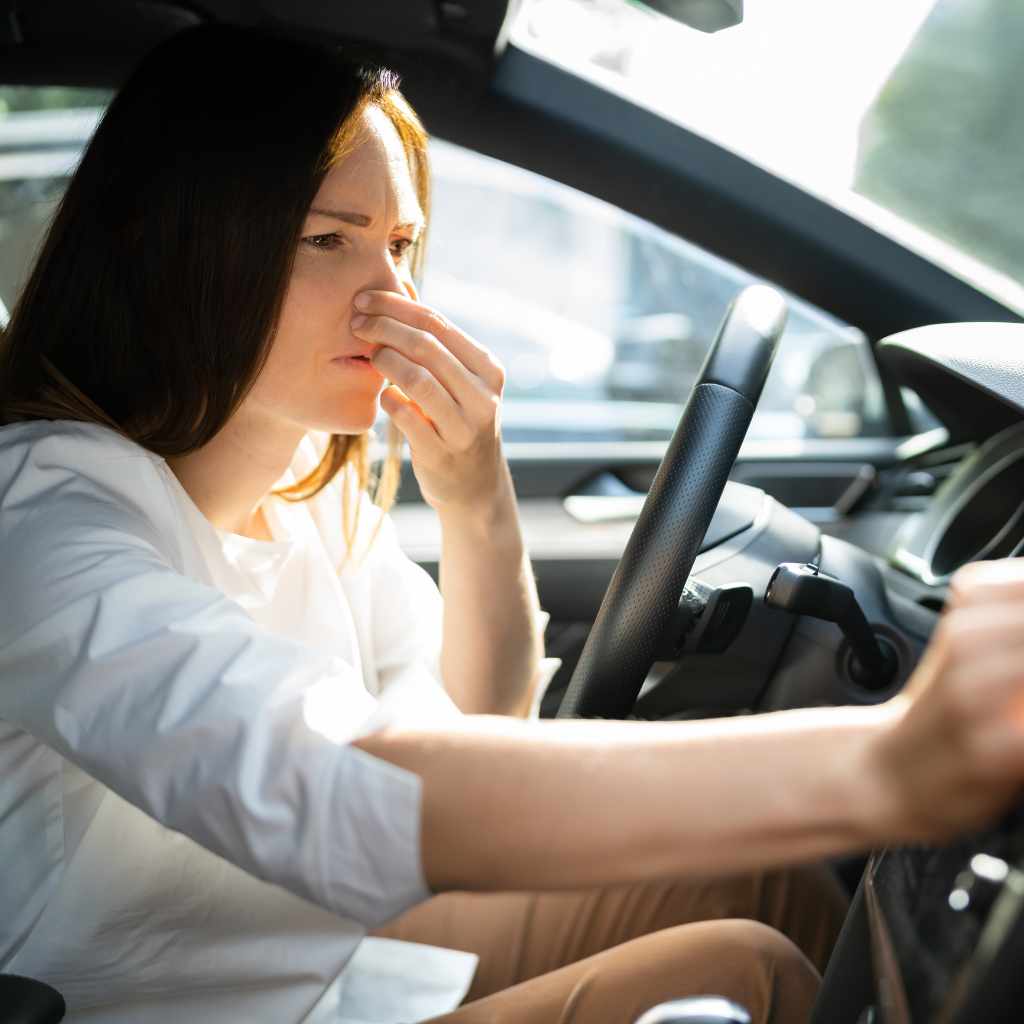
If you want the smell to be present every time the owner turns on the fan or defroster, you must introduce the odor source into the air intake system. This is often the most frustrating method for the recipient to eliminate.
What You Need to Know About Your Car’s Air Intake
The air intake is typically located at the base of the windshield, either under the cowl (the plastic panel nearest the glass) or sometimes near the wheel well. When the fan is set to ‘fresh air’ (not recirculate), it draws air from outside through this vent.
To learn exactly where your vehicle’s cabin air intake is located, you should always consult the owner’s manual. For many modern vehicles, you can find diagrams specific to your make and model by checking resources like National Highway Traffic Safety Administration (NHTSA) guides or manufacturer service sites, although specific placement varies greatly.
Method 4: The Odor-Soaked Filter Swap
The cabin air filter is designed to trap dirt, but it can easily trap odors, too. This is a genius, highly effective, and reusable method.
- Locate the Filter: In most modern cars, the cabin air filter is behind the glove box, requiring you to empty the glove box and release a few clips.
- Prepare the Filter: Acquire a clean replacement cabin air filter (or use the existing one if it’s reusable).
- Scent Saturation: Apply a few drops of a very strong, offensive liquid (like liquid smoke concentrate, or a highly pungent oil like asafoetida mixed with water) directly onto the filter material. Do not soak it completely; just saturate the surface layers.
- Installation: Reinstall the saturated filter.
- Activation: The moment the fan is turned to the ‘Fresh Air’ setting, the odor will be drawn through the filter and blasted into the cabin.
Pro Tip: If the system is set to ‘Recirculate,’ the smell transfer will be slower, but it will eventually transfer into the ductwork materials themselves, leading to long-term issues.
Method 5: The External Intake Bomb
If you cannot easily access the cabin filter, you can target the external air intake vent directly.
- Identify the Cowl: Locate the plastic grille area at the base of the windshield where the engine bay meets the glass.
- Application Tool: Use a small, porous material like a cotton ball or a piece of porous foam. Soak this material in your chosen pungent liquid (e.g., extremely spoiled vinegar or strong fish sauce).
- Placement: Carefully tuck the odor-soaked item just inside the external air intake slats, making sure it won’t blow away immediately, but is accessible by external airflow.
- Result: This works best overnight or when the car is parked in the sun, allowing heat to draw the smell vapors directly into the HVAC intake.
Category 3: Subtle, Spreading Tactics (The Slow Burn)
These methods focus on utilizing common items that owners often leave in their cars, introducing the odor subtly via materials designed to hold scent or via condensation.
Method 6: Weaponizing Air Fresheners
While car air fresheners are designed to smell good, you can invert their purpose by purchasing heavily scented but universally disliked products, or use strong, non-traditional items.
Example: Instead of a pine tree, use a highly concentrated chemical or industrial deodorizer scent (like cheap, overwhelming musk) and place it somewhere that allows minor leakage over time, such as taped securely under the passenger seat frame.
Method 7: The Condensation Tray Trick
Modern cars have a drain tube for condensation from the A/C system, usually exiting near the firewall under the car. While getting fluids here is tough, introducing a strong, volatile vapor can sometimes be effective.
This is a less reliable method but works by placing a very potent, slow-evaporating source near the firewall insulation, hoping the heat and slight airflow draw the vapor partially into the ductwork rather than just out of the engine bay.
Tools Needed for Odor Transfer:
| Odor Agent | Best Carrier Material | Placement Strategy |
| Rotten Eggs (simulated via sulfur powder) | Dry Sponge or Paper Towel | Tucked deep in trunk liner. |
| Vinegar (extremely concentrated) | Cotton Ball or Small Cloth | Under the driver’s seat, near the center console. |
| Fish Sauce/Paste | Sealed Plastic Vial (lid slightly open) | Inside the glove compartment lining. |
Advanced Techniques: Enhancing Odor Absorption
To make a bad smell truly stick, we need to enhance the environment for odor retention. This involves controlling temperature and humidity.
Leveraging Heat
Warmth significantly speeds up the evaporation and diffusion of scent molecules. A car parked in direct sunlight on a hot day acts like a slow-cooker for embedded odors.
If you apply a liquid odor source (like spoiled dairy) and then leave the car parked on a sunny day (ideally above 80°F or 27°C) for several hours, the smell will permeate the plastics and seat foam much more thoroughly than in cool weather.
Minimizing Air Exchange
The ultimate goal is to prevent fresh air from diluting the concentrated smell load.
- Ensure all windows and vents are completely closed before applying any odor source.
- If using an HVAC attack (Method 4 or 5), make sure the recirculation button is off initially so the offensive air is drawn in, but then switch it to recirculation after an hour to trap it inside.
- Keep the application site hidden so the owner doesn’t simply open the doors and air out the car immediately.
For further reading on how volatile organic compounds (VOCs) stick to vehicle interior materials, materials discussing automotive material science, often reviewed by bodies like the American Society for Testing and Materials (ASTM), detail these absorption characteristics, though they focus on removing smells, the physics of scent retention remain the same.
What NOT to Do: Avoid Permanent Damage
As an automotive guide, I must stress that while these methods aim to create a bad smell, you must be careful not to cause permanent, expensive damage to the vehicle’s structural components or electronics. Stick to porous surfaces.
Here are a few things to avoid:
- Do not pour liquids near fuse boxes or under the dashboard wiring harness. Electrical shorts are costly.
- Avoid corrosive liquids. Extremely strong acids or bases can damage plastic trim and paint permanently.
- Never introduce fire hazards. This should go without saying, but volatile chemicals near hot engine components are dangerous.
- Do not use excessive quantities of liquid. A small amount thoroughly soaked into carpet padding is far worse than a large spill that pools on top of the vinyl or metal floor pan.
FAQ Section: Quick Answers on Car Odor Introduction
Q1: How long will a bad smell typically last inside a car?
A: If the source is minor and just sitting on top of the carpet, perhaps one day of heavy airing out. If the source deeply penetrates the seat foam or the cabin air filter, the smell can easily last several weeks, sometimes requiring professional ozone treatment to fully remove.
Q2: Is it easier to make the smell stick in a fabric interior or leather interior?
A: Fabric interiors (cloth seats and carpets) hold odors much more effectively than leather. Leather is generally non-porous and easier to wipe down, meaning odors tend to sit on the surface where they dissipate faster.
Q3: Should I use a wet or dry source for the longest-lasting smell?
A: A wet source (liquid that soaks in) is far superior for longevity because it penetrates the padding and carpet backing. Dry sources tend to dissipate once the initial airborne concentration clears.
Q4: Does the car’s climate control setting matter for smell distribution?
A: Yes, significantly. If the owner leaves the climate control set to ‘Recirculate,’ any smell introduced via the HVAC system will stay trapped inside the cabin air space. If they use ‘Fresh Air,’ the odor might be pulled through the system and blown out the vents.
Q5: What is the single best spot to put an odor source for maximum persistence?
A: The trunk, under the spare tire, or deep inside the rear seat foam are often the best locations, as these areas see the least amount of direct sunlight or human interference for immediate cleanup.
Q6: Will using strong essential oils work as well as spoiled food?
A: No. While something like concentrated patchouli or artificial musk is strong, it usually evaporates much faster than the deep, biological decay smells produced by souring dairy or rotting organic matter.
Conclusion: The Science of Stench
Creating an intensely bad odor in a vehicle is an exercise in understanding material science and airflow dynamics. We’ve seen that the most genius methods rely on getting the offensive agent deep into the porous fabric and foam that make up the majority of the car’s interior surfaces, or by weaponizing the powerful air distribution network of the HVAC system.
By targeting high-absorption zones—like the carpet padding beneath floor mats or the cabin air filter—and allowing time and heat to work their magic, you ensure the resulting smell molecule saturation is deep and persistent.