What Do You Need for a Car Wash? Supplies Checklist
A basic car wash needs five items: pH-balanced car wash soap, two buckets, a microfiber wash mitt, a hose with a spray nozzle, and microfiber drying towels. That covers roughly $30-45 in supplies and gets a clean, scratch-free finish. This checklist breaks down that minimum kit, what to add if you want a full detailing setup, and roughly what each tier costs.
The Car Wash Supplies Checklist: Minimum Kit vs. Full Kit
BEST FOR COVERING THE WHOLE MINIMUM CHECKLIST IN ONE BOX
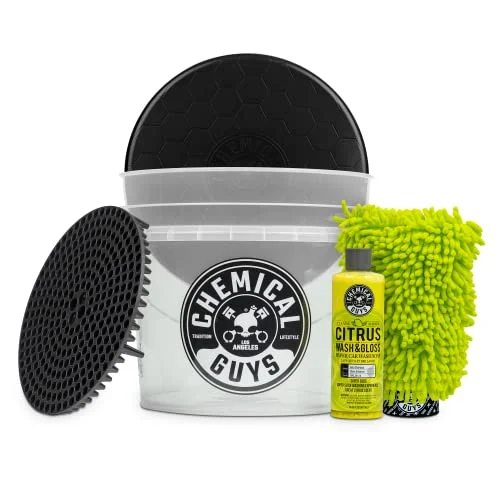 |
Chemical Guys Ultimate Car Wash Bucket Kit – $49.99 Bundles four items from the checklist above (bucket, dirt-trap grit guard, mitt, and pH-balanced soap) so you are not buying each piece separately.
|
Not everyone needs the same list. Someone washing a daily driver every couple of weeks needs far less gear than someone chasing a showroom finish. The table below splits the checklist into three tiers so you can see exactly where your budget lands.
| Tier | What is Included | Typical Cost | Best For |
|---|---|---|---|
| Minimum Kit | Car wash soap, two buckets, wash mitt, hose nozzle, microfiber towels | $30-45 | First-time washers, occasional cleaning |
| Standard Kit | Minimum Kit plus grit guards, wheel cleaner, bug and tar remover, spray sealant | $70-100 | Washing every one to two weeks |
| Full Detailing Kit | Standard Kit plus wax or ceramic coating, foam cannon, pressure washer, interior cleaners, dual-action polisher | $250-400+ | Enthusiasts wanting a showroom finish |
If you already have a full step-by-step routine you follow, our complete DIY car wash guide walks through the wash-and-dry technique itself. This page focuses on the supplies list, not the technique.
Essential Supplies for a Car Wash (The Minimum Kit, Explained)
When I first started washing my car, I thought a bucket and some soap would do the trick. The right supplies make all the difference in getting a clean car without scratching the paint or wasting time. Here is what goes into that minimum kit and why each item matters.
First, you need a car wash soap. Regular dish soap can strip wax and dull your car’s finish because it is formulated to cut through kitchen grease, not preserve a wax or sealant layer. Car wash soaps are designed to be gentle while still lifting dirt. Look for one labeled pH-balanced.
Next, grab two buckets. One holds soapy water, the other holds plain rinse water for your mitt. This is the two-bucket method, and it exists specifically to keep grit out of your cleaning solution so you are not dragging sand across the paint on your next pass. Add grit guard inserts to both buckets so dirt settles below the guard instead of swirling back onto your mitt.
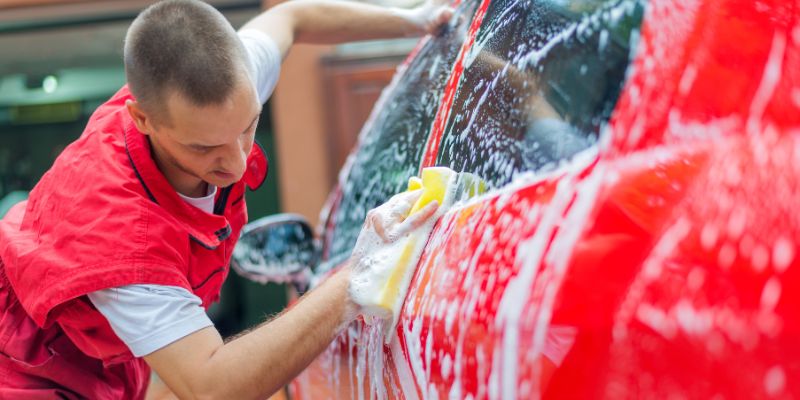
A wash mitt or sponge is the next must-have. Microfiber wash mitts hold far more soap than a sponge and glide across the surface instead of dragging, which is what actually prevents fine swirl marks. Skip old rags or kitchen towels; the weave is too coarse and can leave hairline scratches.
You will also need a hose with a spray nozzle. The nozzle lets you control water pressure, which matters for rinsing dirt off without forcing grit into the clear coat. No hose? A few large buckets of plain water work, just with more effort.
Finally, microfiber towels for drying. They are absorbent enough that you are not dragging a half-dry towel across the paint, and they will not leave lint or streaks the way old cotton towels do.
Quick reference table for the minimum kit:
| Item | Purpose | Why It Matters |
|---|---|---|
| Car Wash Soap | Cleans without stripping wax | Gentle on the clear coat and any existing protection |
| Two Buckets | One for soap, one for rinsing | Keeps grit separated so it cannot scratch on the next pass |
| Wash Mitt or Sponge | Lifts dirt off the surface | Soft microfiber holds more soap and glides instead of dragging |
| Hose with Nozzle | Rinses dirt away | Controlled pressure clears grime without forcing it into the paint |
| Microfiber Towels | Dries without streaks | Absorbs water fast and will not leave lint or hairline scratches |
What You Need for Pre-Wash Prep
Before you touch a sponge, rinse the car with a hose to knock off loose dirt, dust, and road grime, especially around the wheels and undercarriage where it builds up thickest. Skipping this step is how you end up scrubbing loose grit directly into the paint.
For stuck-on spots like bug splatter or tree sap, a pre-wash cleaner sprayed on first breaks down the residue so you are not scrubbing hard to remove it later. Keep a bottle of bug-and-tar remover on hand for summer road trips.
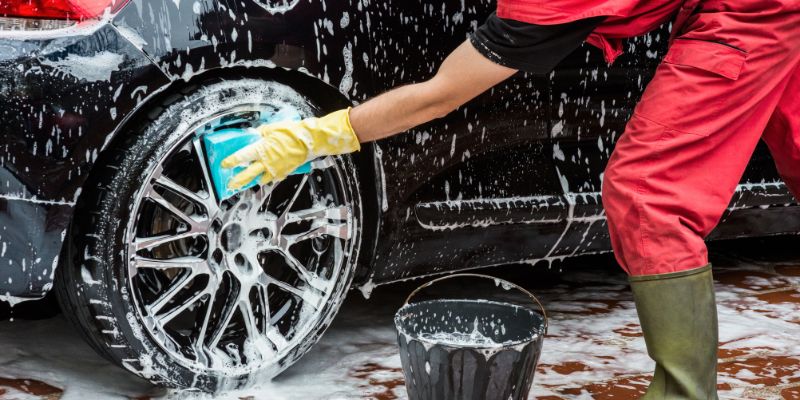
The wheels need their own supplies. Regular car soap does not cut through baked-on brake dust the way a dedicated wheel cleaner does, and you do not want brake-dust grit mixing into your regular wash water. A separate wheel cleaner and a soft brush handle this without contaminating the rest of your kit.
Choosing the Right Location
A shady spot matters almost as much as your supplies. Direct sunlight dries soap onto the paint before you can rinse it, which is exactly how streaks and water spots form. A garage, a shaded driveway, or a covered self-service bay all work, as long as leaves or sap are not going to drop onto the car mid-wash.
You also need water reach and a flat, paved surface. A driveway keeps the car stable and makes cleanup easy; grass or dirt tracks mud back onto a car you just cleaned. If you use a self-service car wash, the water and space are provided, but bring your own soap, mitt, and towels for the best result.
What You Need to Dry Your Car
Letting a car air-dry sounds harmless but leaves mineral spots that are genuinely annoying to buff out later. Use microfiber towels, working top to bottom, patting or dragging gently rather than scrubbing. A midsize sedan usually takes three or four towels to fully dry. A leaf blower or a dedicated car air dryer clears water out of mirrors, door handles, and other tight crevices faster than a towel can reach.
What You Need to Protect the Paint After Washing
Washing only gets a car clean; a wax or sealant is what actually shields the paint from UV rays, water spots, and everyday grime afterward. Liquid wax applied with a foam applicator in small sections gives a glossy finish that lasts several weeks. A spray sealant is the faster option, wiped on and buffed off with a microfiber towel, and it is small enough to keep in the trunk for touch-ups. A DIY ceramic coating costs more and takes longer to apply but can keep beading water for months at a time.
Supplies for Cleaning the Interior
A clean car is not just the outside. A shop vac with a crevice tool handles seats, floor mats, and the trunk, including the gaps a standard vacuum head cannot reach. Leather seats need a leather cleaner and conditioner to stay soft and crack-free; cloth seats do better with a dedicated fabric cleaner on stains.
A microfiber cloth and an all-purpose interior cleaner cover the dashboard and console, and a small detailing brush clears dust out of vents and buttons. For the glass, a streak-free glass cleaner sprayed onto the towel, not directly onto the window, keeps overspray off the freshly cleaned interior.
Optional Tools for a Professional-Level Finish
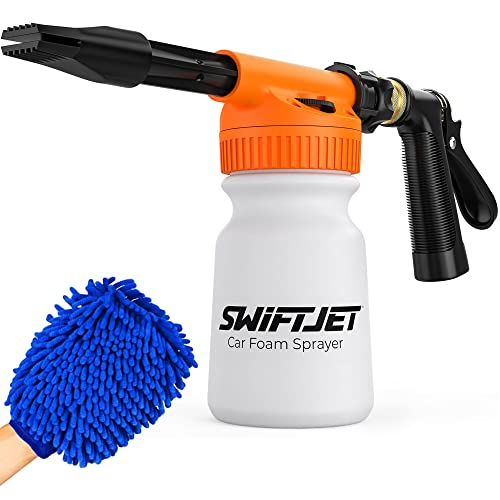
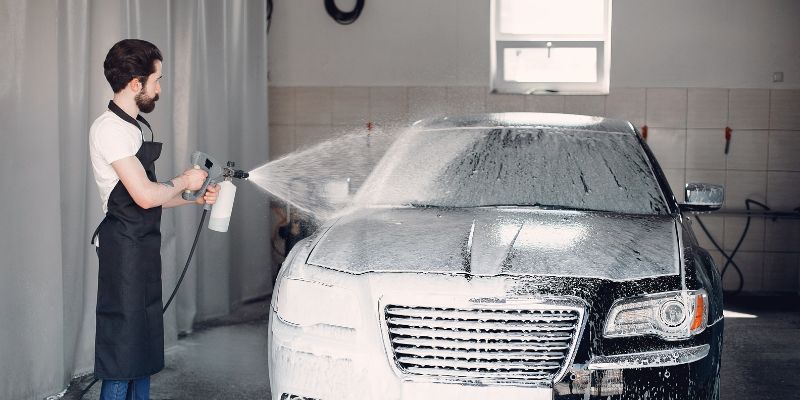
This is where the Full Detailing Kit tier from the table above comes in. A foam cannon attaches to a hose or pressure washer and coats the car in thick foam that clings to dirt, which cuts down on the scrubbing needed afterward. A pressure washer speeds up rinsing and handles caked-on grime a garden hose cannot touch.
For drying, a dedicated air dryer is more precise than a borrowed leaf blower. For polishing, a dual-action polisher removes light swirl marks and brings out a deeper shine; it is more beginner-friendly than it looks and a genuine step up from wax alone.
Restocking and Storing Your Car Wash Kit
Washing is not a one-and-done purchase. Regular washing keeps a car looking good and protects resale value, and most of the supplies above need occasional replacing, not just restocking. Soap runs out. Microfiber towels lose their absorbency if they are not washed with a microfiber-safe detergent after every use, and they should be swapped out once they start leaving lint.
Store everything together, ideally in a plastic tote in the garage, so the whole kit is ready to grab at once instead of hunting down a bucket in one closet and towels in another. In climates with harsh winters or salted roads, wash more often; road salt and grime eat into paint if left sitting, which is exactly what a good winter car care kit is built to prevent.
Conclusion
The short answer to what you need for a car wash is five items: soap, two buckets, a mitt, a hose, and microfiber towels. Everything past that, from grit guards to a foam cannon, is about moving up a tier, not starting over. Build the minimum kit first, add the standard-tier items once you are washing regularly, and save the full detailing gear for when you actually want a showroom finish. If you want the full wash-and-dry walkthrough to go with this list, our complete DIY car wash guide covers the technique step by step.
FAQs
What is the minimum you need for a car wash?
At minimum: pH-balanced car wash soap, two buckets, a microfiber wash mitt, a hose with a spray nozzle, and microfiber towels for drying. That is roughly $30-45 total and covers a basic wash without scratching the paint. Everything else, like wax or a foam cannon, is optional.
What is the best soap for washing a car?
Car wash soap is best because it is gentle on paint and wax. Avoid dish soap; it strips protection and can dull the finish. Look for a pH-balanced formula for a safe, effective clean.
Can I wash my car in direct sunlight?
It is not ideal. Sunlight dries soap quickly, which leaves spots. Wash in the shade or early morning to avoid streaks and make rinsing easier.
How often should I wash my car?
Every two weeks is a reasonable default, but it depends on your environment. Driving through mud, salt, or dust regularly calls for weekly washes to protect the paint.
Do I need a pressure washer for a car wash?
No, a hose with a nozzle is enough for a basic wash. A pressure washer cuts rinsing time and clears stubborn, caked-on dirt faster, but keep the spray pattern wide so you do not blast paint or trim.
How do I prevent scratches when washing my car?
Use the two-bucket method: one bucket for soap, one for rinsing the mitt. Grit guard inserts in both buckets and a microfiber wash mitt keep loose dirt from scratching the paint on your next pass.
Products related to this article
Sponsored / affiliate links. As an Amazon Associate I earn from qualifying purchases. I may earn additional commission from eligible campaigns.