5 Best Windshield Ice Scrapers for Freezing Mornings: We Compared
For frost, use a simple plastic scraper; for glaze ice, choose a rigid polycarbonate blade with a built-in chisel edge; for mixed snow and ice, pick a two-in-one brush scraper; for SUVs, add an extendable handle. The wrong tool slows the job, can scratch glass, and may leave blind spots before you drive. This guide matches windshield ice scrapers to frost, glaze, mixed buildup, and SUV reach so you can clear glass faster and safer.
Quick comparison
| Product | Badge | Best for | Price | ||
|---|---|---|---|---|---|
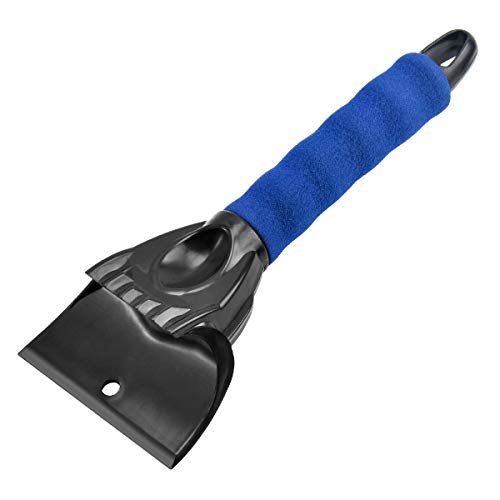 |
Zecval Ice Scraper for Cars and Small TrucksZecval | Our pick | 10" · foam grip · portable | $10.99
Price as of 8 Nov 2026
|
View |
 |
BIRDROCK HOME Snow Brush and Ice Scraper for Car WindshieldBIRDROCK HOME | Upgrade pick | 31-55" · extendable · detachable scraper | $38.95
Price as of 8 Nov 2026
|
View |
 |
EcoNour 27" 2 in 1 Ice Scraper for Car Windshield and CarEcoNour | Also great | 27" · 2-in-1 · 2 pack | $16.99
Price as of 8 Nov 2026
|
View |
 |
SEAAES 46.7 Inch Long Car Scraper Snow Brush with SqueegeeSEAAES | Also great | 46.7" · squeegee · heavy duty | $21.98
Price as of 8 Nov 2026
|
View |
 |
Snow Joe 18 Snow Broom & Ice Scraper for Cars with FoamSnow Joe | Also great | 18" · extendable · foam brush | $25.97
Price as of 8 Nov 2026
|
View |
Use the table below to match the tool to your morning, not the other way around. The fastest choice fits the ice you actually see, the vehicle height you need to reach, and the place where you need to store it. In this guide, Zecval is the compact glove-box pick, Snow Joe and EcoNour are combo options for mixed snow and ice, Birdrock is the SUV and truck reach pick, and SEAAES is the long-reach option with a squeegee.
How we chose
This roundup draws on manufacturer specs, listing details, and published buyer feedback. The deciding factors are blade material, reach, grip, storage size, and whether the design fits frost, glaze ice, or mixed snow and ice.
For the product picks, the details below stay within the listing information supplied for each item. If a feature is not stated there, check the manufacturer’s listing for your model before buying.
A common first-timer mistake is buying a long combo tool for a sedan with no snowfall forecast. It clears the job, but the extra length and bulk can become annoying to store every day.
Zecval ice scraper: best for glove box storage
This compact scraper fits drivers who want a small tool for icy mornings without snowfall. The listing calls out a 10-inch body, a 4-inch scraper, and a foam grip, which makes it easier to keep in a trunk, back seat, or glove box.
Its strength is simplicity. A short manual blade is the right call for light frost and moderate ice on windshield corners, mirrors, and side glass.
The tradeoff is reach. It is not the right pick for roofs, tall SUVs, or deep snow piles, and the compact format gives up the reach that longer tools provide.
Snow Joe 18 Snow Broom & Ice Scraper: best for mixed snow and ice
This is the cleaner choice when snow sits on top of ice. The design combines a foam brush and an ice scraper, so you can clear loose snow first and then work the ice layer underneath without swapping tools.
The extendable handle helps with higher glass and awkward angles, and the wide foam head clears heavy, wet snow more efficiently. That makes it a better fit for storm mornings than a bare scraper alone.
The downside is bulk. Combination tools take more room in the trunk, and the extra length can be annoying if you only need a quick frost tool most days.
EcoNour 27-inch 2-in-1 ice scraper and snow brush: best for budget versatility
This is a practical middle ground for drivers who want both brush and scraper function without stepping into a larger premium tool. The listing calls it a detachable 2-in-1 design with an aluminum body, a foam grip, and raised knuckles for extra control.
It suits mixed mornings where loose snow and ice show up together. The brush handles the soft stuff first, and the scraper can finish the glass once the surface is exposed.
The compromise is size. A 27-inch tool is easier to live with than a longer pole, but it still takes more storage space than a glove-box scraper.
Birdrock Home snow brush and ice scraper: best for SUVs and trucks
This is the reach-first pick for taller vehicles. The listed 31-55-inch extension reaches roof centers, higher windshields, and other awkward spots on SUVs and trucks.
The detachable scraper handles tougher ice jobs, while the foam head is intended to clear snow without scratching. That mix makes sense for drivers who need one tool to manage both roof snow and glass.
The drawback is obvious: it is a large tool. If storage space is tight, the 55-inch format is harder to stash than a compact scraper or short combo brush.
SEAAES 46.7-inch long car scraper snow brush: best for reach with slush cleanup
This tool fits drivers who need long reach and a clean finish. The listed 46.7-inch length should help with SUV and truck glass, and the built-in squeegee can be useful after defrosting when melted ice and water start streaking down the windshield.
The wide brush head can move snow faster per pass, which saves time on packed morning buildup. The foam grip also matters when gloves are on and your hands are cold.
The limitation is that a squeegee helps after the ice softens. It is not a substitute for a real scraper on thick glaze or stubborn crust.
Manual ice scraper blade: best for thick ice
A standalone blade makes sense when the windshield is covered in hard ice rather than snow. Plastic blades are the safer default for glass, while rigid chipper-style edges can bite through stubborn ice faster in some models if you keep the edge flat and controlled.
Flat blades are better for general use and safer on glass. Chipper or teeth-style edges are more aggressive and can work on thick buildup, but they demand more care because the pointy edge can chatter or catch if you press too hard.
For a lightly frosted windshield, a simple plastic blade is enough. For thick ice, a rigid edge can save time, but the driver still needs to keep the blade moving at a shallow angle and avoid grinding one spot.
2-in-1 snow brush and ice scraper: best for mixed mornings
A combo tool is the right answer when snow and ice arrive together. The brush clears the loose layer first, which keeps you from packing snow across the glass while you scrape.
The main tradeoff is bulk versus versatility. One tool does more jobs, but it is longer, heavier, and harder to store than a compact scraper. That matters if your vehicle spends winter in a tight garage or if you only need frost removal most days.
Choose a combo tool when you regularly see sleet, wet snow, or a crust of snow over ice. A standalone blade is still better for drivers who only face a thin frost layer and want the smallest possible tool.
Telescoping handle: best for SUVs and trucks
An extendable handle is the key feature for tall vehicles, roof access, and wide windshields. It lets you reach the center of the glass without stepping on running boards or stretching awkwardly across the hood.
Storage length matters as much as full reach. A long pole that locks poorly can rattle open or twist under load, while a short closed length is easier to keep in the cargo area. Check the locking mechanism closely, since a weak joint is one of the most common failure points in cold weather.
For SUV and truck owners, a telescoping tool is worth the extra space if it helps you clear the roof. Snow left on top can slide forward later, so roof reach is not optional on heavy snowfall mornings.
Windshield ice scraper decision table
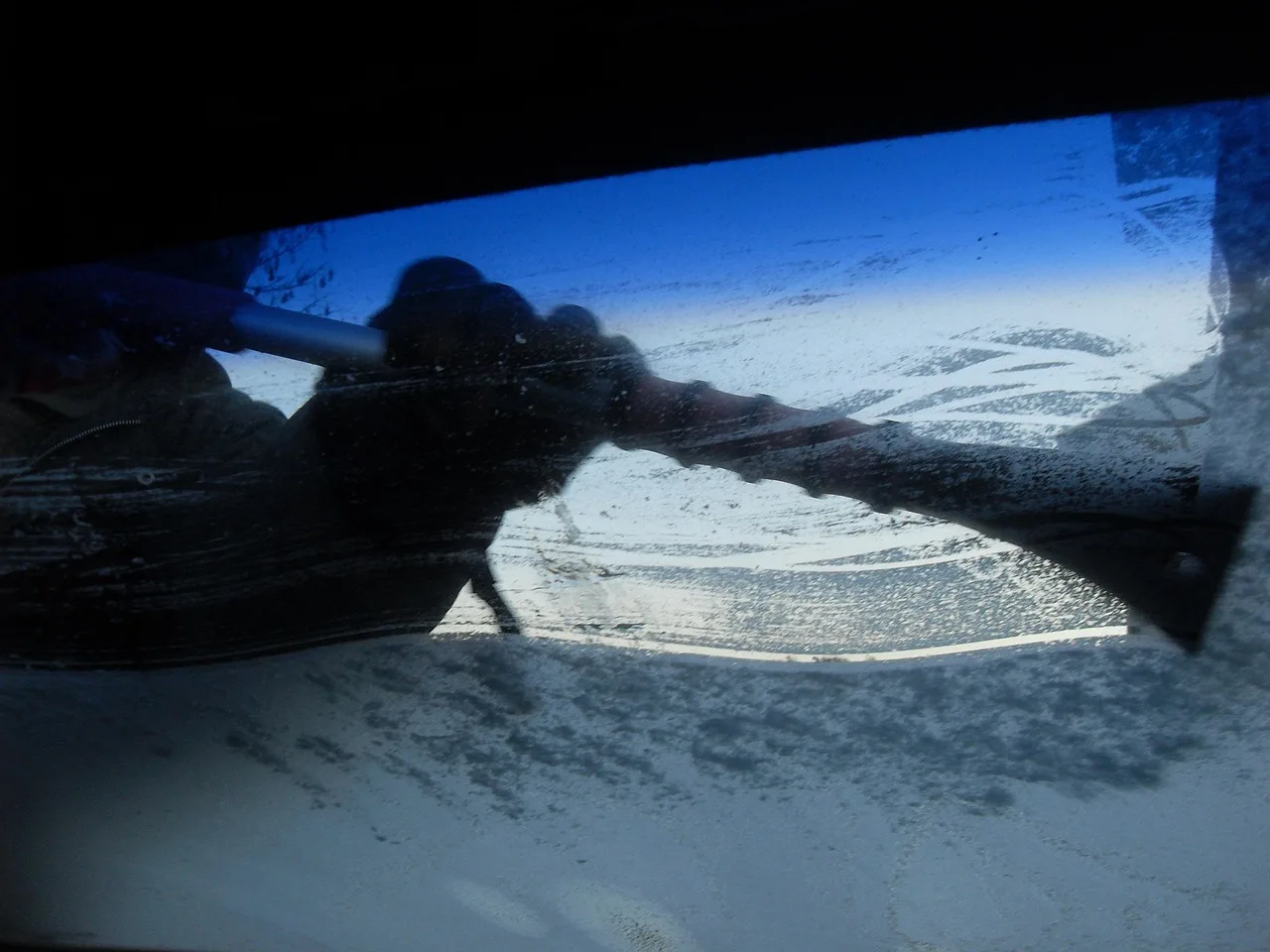
This table maps the tool to the morning. Use it to avoid buying the wrong kind of scraper for your climate, vehicle height, or storage limit.
| Winter scenario | Ideal scraper type | Must-have features | Storage size | What not to buy |
|---|---|---|---|---|
| Light frost on a sedan | Compact manual scraper | Plastic blade, foam grip | Glove box or door pocket | Long combo tool with a bulky pole |
| Glaze ice after freezing rain | Rigid manual scraper | Flat edge or chisel edge, stiff blade | Trunk or cargo bin | Soft foam blade that flexes too much |
| Mixed snow and ice on a driveway | 2-in-1 snow brush and scraper | Brush head, scraper end, comfortable grip | Trunk or rear storage well | Plain scraper with no brush attachment |
| High roof on an SUV or truck | Telescoping brush-scraper | Extendable handle, secure lock, wide reach | Long cargo area or garage hook | Short fixed-length scraper |
| Daily frost with minimal snow | Compact glove-box scraper | Small size, glove-friendly grip, simple blade | Glove box | Oversized combo tool you will not carry |
| Failure case | What it looks like | Why it matters | Better choice |
|---|---|---|---|
| Brittle foam grip | Grip hardens or cracks in cold weather | Slips easier with gloves and reduces control | Denser foam or textured handle |
| Freezing telescoping locks | Joints stick, twist, or refuse to hold length | Reach is lost when you need it most | Locking mechanism with simple, firm engagement |
| Blade chatter on glass | Blade skips, vibrates, or leaves streaks | Slower work and greater scratch risk | Flat edge used at a shallow angle |
| Handle flex under load | Tool bends when you push on thick ice | More effort, less control, worse scraping | Stiffer pole or shorter manual scraper |
Which one should you buy?
If your mornings are mostly light frost and you want the smallest possible tool, buy the compact scraper. If your area gets snow plus ice, choose a 2-in-1 brush-scraper so you can clear loose buildup before you scrape the glass.
If you drive an SUV or truck, an extendable tool is the right call because roof reach matters as much as windshield reach. If you want less physical effort, an electric or battery-powered scraper can help, but it still works best as a supplement, not a cure-all for heavy buildup.
Say your sedan sits outside and you see a thin white film most mornings. A glove-box scraper is enough. Suppose the forecast brings wet snow on Monday and freezing rain on Tuesday. Then the combo tool makes more sense, because the brush and scraper both get used.
How to stop an ice scraper from scratching the windshield
Use the right edge for the job and clear loose snow before you press on the glass. Keep the blade at a shallow angle, avoid digging into one spot, and do not force a bent or cracked edge across the windshield. If the ice is stubborn, let the defroster soften it first.
Inspect the blade before winter starts. A nicked or warped edge is more likely to chatter. Keep the windshield free of grit, since sand and road salt can turn a safe blade into an abrasive one.
What features should I look for in a winter ice scraper?
Start with the ice you face most often. For frost, a compact manual scraper is enough. For snow and ice together, choose a brush-scraper combo. For taller vehicles, extendable reach matters more than a fancy handle shape. A foam grip, a firm lock, and a clean blade edge are the core features worth paying for.
If you plan to keep the tool in a small car, check storage length before buying. If you need high roof access, check the locked length and the release mechanism. If you scrape with gloves on, a grip that stays secure in cold temperatures is worth more than cosmetic extras.
What is the best compact ice scraper to keep in the glove box?
The Zecval ice scraper is the best glove-box choice because it is easy to store and fast to grab on a frosty morning. The right one has a simple blade, a grip that stays controlled with gloves, and a shape that will not fight the lid or eat up cargo space.
Compact tools work best when snowfall is limited and you need quick frost removal, not roof clearing. If your mornings often bring deeper snow, keep a compact scraper as a backup and move up to a brush-scraper combo for the main tool.
Frequently asked questions
What is the best windshield ice scraper for freezing mornings?
The best scraper depends on the surface you wake up to. For frost, a simple plastic blade is enough. For glaze ice, choose a rigid blade with a sharp working edge. If snow sits on top, a brush-scraper combo is the faster and safer choice.
Are brass ice scrapers safe for car windows?
Brass blades are not the default choice for car windows. A plastic blade is safer for routine use on glass. If you ever use a brass edge for stubborn ice, keep the blade flat, use light pressure, and avoid dragging grit across the windshield.
Do I need a snow brush or just an ice scraper?
If your mornings bring only frost, a scraper is enough. If snow lands before the ice underneath, a brush helps remove the loose layer first so you do not grind snow into the glass. In mixed weather, the combo tool is the better buy.
What length ice scraper is best for an SUV or truck?
For SUVs and trucks, a longer tool with extendable reach is usually the better fit because roof and windshield access matter. Look for a model that locks securely at the extended length and still stores well in the cargo area. Short scrapers are usually too limited for tall vehicles.
Can a heated or electric ice scraper replace a manual one?
An electric scraper can reduce effort and speed up some jobs, especially thin frost and moderate buildup. It does not fully replace a manual tool, because heavy ice, packed snow, and tight corners may still need hand scraping or brushing. Manual tools remain the backup every driver should keep.
How do I keep telescoping locks and brush heads from freezing?
Dry the tool before storage, knock off slush after each use, and avoid leaving it loaded with meltwater in the trunk. Make sure locking joints are fully seated before you use them, and store the tool where it will not sit in standing moisture. A frozen lock is a storage problem as much as a weather problem.
Products related to this article
Sponsored / affiliate links. As an Amazon Associate I earn from qualifying purchases. I may earn additional commission from eligible campaigns.