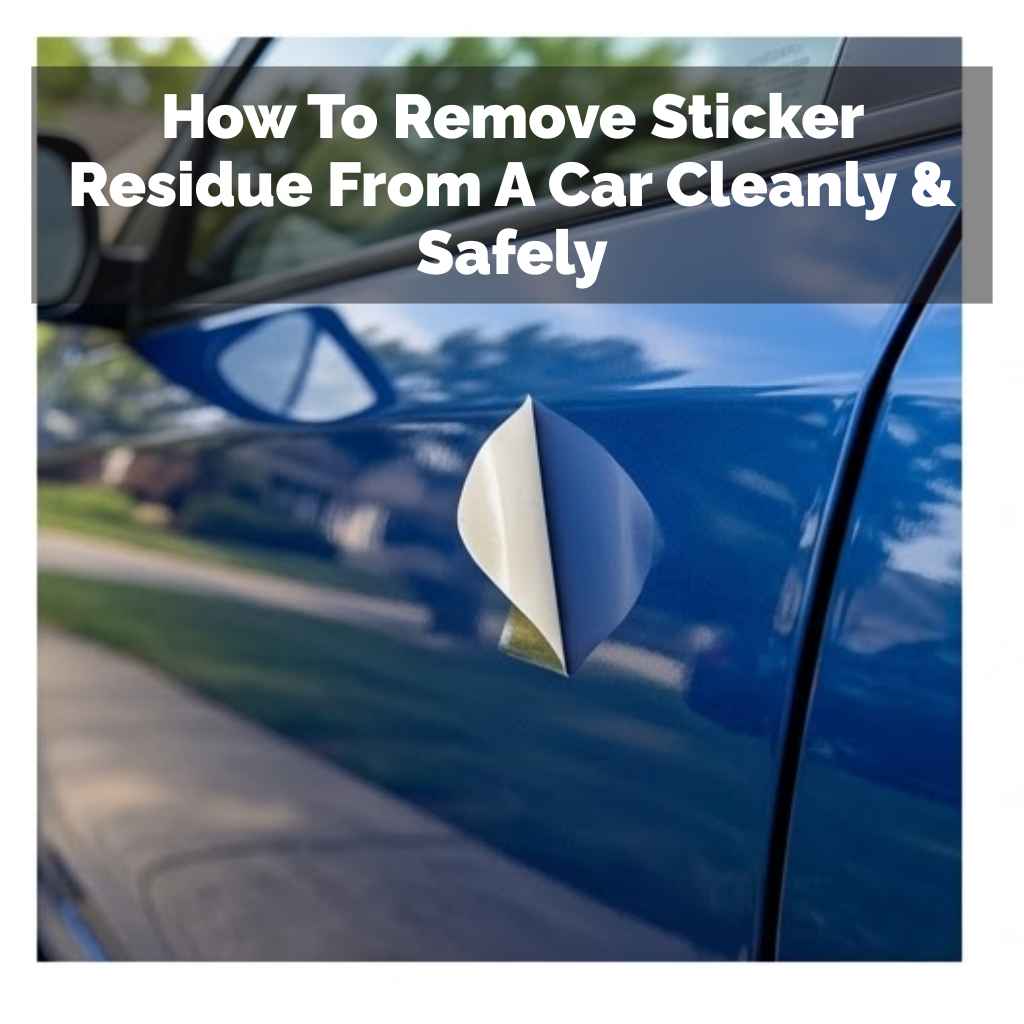
How To Remove Sticker Residue From A Car Cleanly & Safely
Let’s be honest, seeing that stubborn sticker residue left behind on your car’s paint can be incredibly frustrating. You peel off the sticker, thinking you’re done, only to find a gummy, hazy patch. It ruins the clean look of your car. Trying to scrub it off can sometimes make it worse.
It’s a common problem. Whether it’s old dealer tags, bumper stickers, or even racing stripes that have seen better days, the leftover goo is a real pain. You want your car to look its best. You try a few things, but nothing seems to work perfectly.
This guide is here to help. We’ll walk through simple, safe ways to get rid of that sticky mess. You’ll learn what works best and how to avoid damaging your car’s finish.
Removing sticker residue from your car involves gentle methods and the right products. Start with soap and water, then try rubbing alcohol or a dedicated car adhesive remover. Always test in an inconspicuous spot first. Gentle friction with a microfiber cloth is key.
Understanding Sticker Residue
So, what exactly is this sticky stuff? Sticker residue is the leftover adhesive from a sticker or decal. When you remove a sticker, the adhesive often stays stuck to the surface. Some adhesives are stronger than others. They can also break down over time, especially when exposed to sun and heat.
This causes them to become gummy and hard to remove. The residue can attract dirt and grime. This makes the spot look even worse. It can feel sticky to the touch. It’s not just an eyesore; it can actually hold onto things.
The type of adhesive matters. Some are water-based and easier to remove. Others are solvent-based and can be tougher. Over time, heat can bake the adhesive into the paint. This makes it a bit harder to lift off.
My Own Sticker Residue Nightmare
I remember one summer, I bought a used car. It was beautiful, a deep metallic blue. But the back bumper had an old dealership sticker. It was faded and cracked. I thought, “Easy fix.” I peeled off the sticker, and sure enough, there was a perfect rectangle of sticky goo.
I tried just washing it. Nope. Then I grabbed some household goo remover. Big mistake. It felt like it was melting the paint a little. Panic set in. I spent the next hour with a microfiber cloth, trying to rub the mess off, but it just smeared. My hands were sticky. My frustration grew. I felt like I had just ruined my new-to-me car’s bumper.
That’s when I realized I needed a smarter approach. I learned about specific products and techniques. The key is patience and using the right tools. It took some time, but I finally got that sticky patch gone without any damage. It was a huge relief.
Safe Methods for Sticker Residue Removal
There are several ways to tackle sticker residue. The best method often depends on how stubborn the residue is. We’ll start with the gentlest options and move to stronger ones if needed. Always work in the shade if possible. Direct sunlight can heat the surface and make adhesive removal trickier.
Method 1: Soap and Water (The Gentle Start)
Sometimes, the residue isn’t too baked on. In this case, hot, soapy water might do the trick. Get a good car wash soap. Mix it with warm water. Soak a clean microfiber cloth in the solution. Lay the wet cloth over the residue. Let it sit for a few minutes.
The warmth and soap can help soften the adhesive. After a few minutes, gently try to wipe the residue away with the wet cloth. You might need to use your fingernail or a plastic scraper very carefully. If it comes off easily, great! If not, move to the next step.
Method 2: Rubbing Alcohol (A Common Household Helper)
Rubbing alcohol, or isopropyl alcohol, is a mild solvent. It can break down many types of adhesives. Get some 70% or 90% isopropyl alcohol. Dampen a clean microfiber cloth with it. Don’t soak it too much.
Gently rub the residue with the alcohol-dampened cloth. Work in small circles. You should see the residue start to lift. You might need to reapply alcohol to the cloth several times. Be patient. If the alcohol seems to be cleaning it, keep going.
It’s a good idea to test this in an unseen area first. This is especially true for older paint or custom paint jobs. Most modern car paints handle rubbing alcohol well for short periods. After you remove the residue, wash the area with soap and water again. This removes any alcohol film.
Quick Residue Removal Tips
Tip 1: Test First Always test any cleaner in a hidden spot.
Tip 2: Work Cool Avoid direct sun. Work on a cool surface.
Tip 3: Gentle Rubbing Use soft cloths. Avoid hard scrubbing.
Tip 4: Patience is Key Don’t rush the process. It may take time.
Method 3: White Vinegar (A Natural Option)
White vinegar is another mild acid that can help break down sticky stuff. Mix equal parts white vinegar and water. Dampen a cloth with this mixture. Apply it to the residue. Let it sit for a few minutes.
Gently rub the area with the cloth. You might see the residue soften. Rinse the area with water afterward. Vinegar is generally safe for car paint, but again, testing is smart. It has a strong smell, but it usually airs out quickly.
Method 4: Specialty Adhesive Removers (For Tough Jobs)
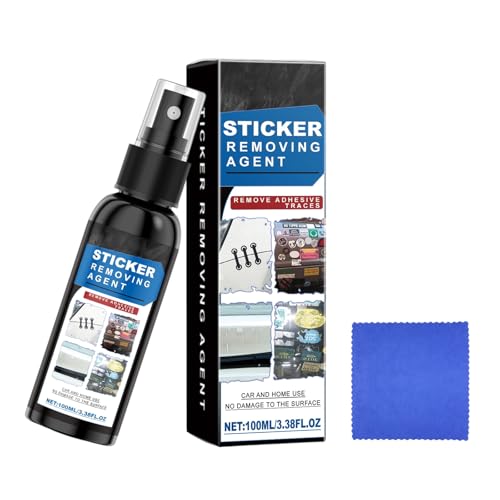
If the simpler methods don’t work, you might need a dedicated product. Many auto parts stores sell specific adhesive removers. Brands like Goo Gone, 3M Adhesive Remover, or Turtle Wax Label & Sticker Remover are popular.
Read the product instructions carefully. Most of these are designed to be safe for car paint. Apply the product as directed. Let it sit for the recommended time. Then, gently wipe or scrape away the residue.
These products often contain stronger solvents. They are very effective but must be used correctly. After using a chemical remover, always wash the area thoroughly with car soap and water. This ensures no product is left behind.
Tools You’ll Need
Having the right tools makes the job much easier and safer.
- Microfiber cloths: You’ll need several. They are soft and won’t scratch your paint.
- Plastic scraper or old credit card: For gently lifting stubborn bits.
- Gloves: To protect your hands from chemicals and stickiness.
- Spray bottle: For water, vinegar solution, or alcohol.
- Car wash soap: For cleaning afterward.
Using a Plastic Scraper Safely
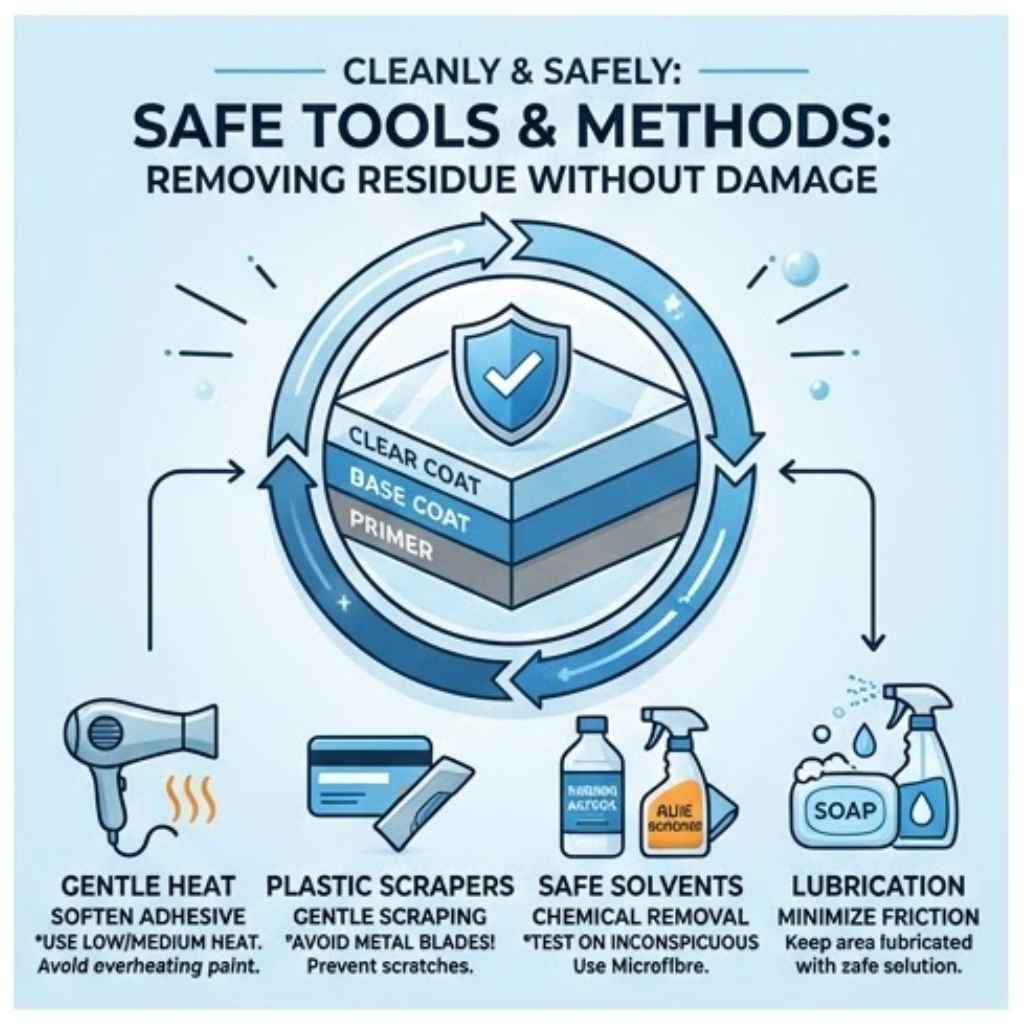
When using a plastic scraper or an old credit card, hold it at a low angle. Try to get it just under the edge of the residue. Use a gentle, sweeping motion. Never use metal scrapers or razor blades on car paint. They will scratch.
Contrast Matrix: Common Mistakes vs. Safe Practices
| Mistake | Safe Practice |
|---|---|
| Using abrasive cleaners or sponges | Using soft microfiber cloths |
| Scraping with metal tools | Using plastic scrapers or credit cards at a low angle |
| Applying strong chemicals without testing | Testing cleaners in an inconspicuous area first |
| Scrubbing aggressively | Gentle rubbing and patience |
| Leaving cleaner residue on paint | Washing the area thoroughly with car soap and water after cleaning |
When Residue is More Stubborn
Sometimes, you run into residue that just won’t budge. This often happens with older stickers or those exposed to harsh weather. The adhesive might have degraded and bonded more strongly with the paint.
Heat Application (Use With Caution)
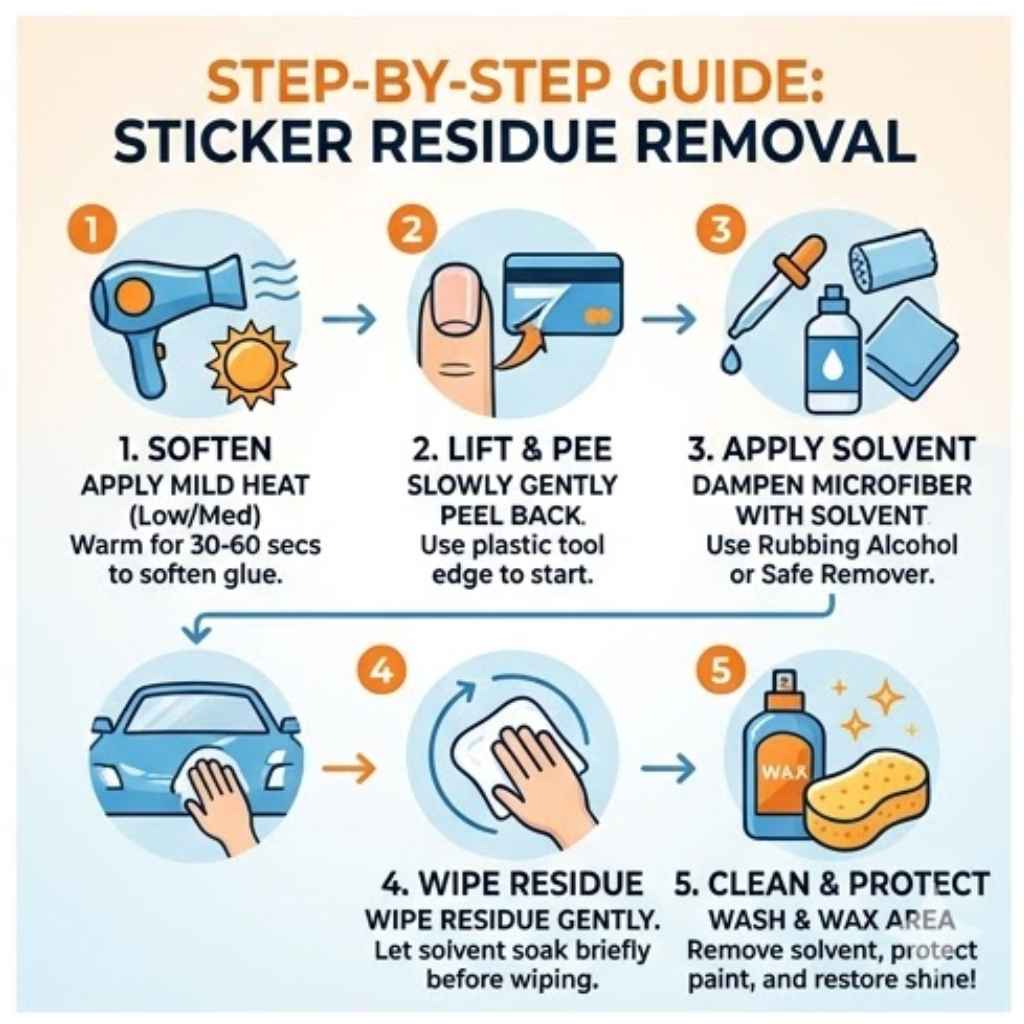
A hairdryer can sometimes help soften old, stubborn adhesive. Use a low to medium heat setting. Hold the hairdryer a few inches away from the residue. Move it back and forth. The goal is to warm the adhesive, not to overheat the paint.
Once the residue feels warm and soft, try to gently peel or wipe it away. Be careful not to let the area get too hot. Too much heat can damage the paint. After heating, you’ll likely still need a cleaner like rubbing alcohol or an adhesive remover to get the last bits off.
Clay Bar Treatment
If the residue has really bonded or you have some overspray, a clay bar might be useful. A clay bar is designed to lift contaminants from your car’s paint surface. You’ll need a lubricant, like a quick detailer spray.
Spray the lubricant generously on the residue area. Rub the clay bar gently over the lubricated area. The clay will pick up the contaminant. You will see the residue transfer to the clay. Work in small sections. Keep the area well-lubricated. After claying, wash the car.
Understanding Your Car’s Paint
Different car paints react differently. Clear coats are common on modern cars. They add protection and shine. Most of the methods we discussed are safe for clear coats. However, very old cars might have single-stage paint. This paint is less forgiving.
Specialty graphics or wraps can also be tricky. The vinyl material and its adhesive might be sensitive. Always check the manufacturer’s recommendations for cleaning graphics or wraps. If you’re unsure, err on the side of caution.
The U.S. Environmental Protection Agency (EPA) provides general guidelines on vehicle maintenance. They emphasize using biodegradable soaps. While not directly about sticker residue, it points to a general principle: gentle is often best for your car’s environment.
Real-World Scenarios
Let’s look at some common places you find this sticky problem.
Dealership Stickers
Many new and used cars come with dealership stickers. These are often on the trunk lid or rear bumper. They are meant to advertise the dealership. Sometimes they are placed with strong adhesives. When they are removed, they leave a distinct shape behind.
Bumper Stickers and Decals
People put bumper stickers on for many reasons. They express hobbies, support causes, or show humor. Over time, the sun bakes these stickers and their adhesive into the paint. Removing them cleanly requires care.
Racing Stripes and Graphics
Some cars have racing stripes or other vinyl graphics. These can be applied with adhesives that are meant to be semi-permanent. When removed, they can leave behind a ghost image or sticky residue.
What This Means for You
Knowing how to handle sticker residue is empowering. It means you can keep your car looking its best. You don’t have to live with that annoying sticky patch.
When is it Normal?
It is completely normal for some adhesive to remain after removing a sticker. Most stickers are not designed for completely residue-free removal, especially after being on the car for a while.
When Should You Worry?
You should worry if your attempts to remove the residue are damaging the paint. If you see the paint color fading, dulling, or if the residue seems to be eating into the clear coat, stop immediately. This is when you might need professional help.
Simple Checks
Before you start, run your finger over the residue. Does it feel sticky or gummy? Is it just on the surface, or does it feel like it’s in the paint? This can give you a clue about how stubborn it will be.
Observational Flow: Removing a Stubborn Sticker Residue
Step 1: Assess the Residue Note its size and stickiness.
Step 2: Apply Gentle Cleaner Start with soap and water, then try rubbing alcohol.
Step 3: Soften Stubborn Bits Use a hairdryer on low heat (carefully).
Step 4: Gently Scrape Use a plastic card at a low angle.
Step 5: Use Adhesive Remover If needed, apply a specialized product.
Step 6: Clean Thoroughly Wash the area with car soap and water.
Quick Tips for a Spotless Finish
Here are some extra pointers to ensure a clean job.
- Work in Sections: Don’t try to tackle a huge sticker’s residue all at once.
- Clean Your Tools: Use a clean part of your microfiber cloth often.
- Protect Surroundings: If using stronger chemicals, use painter’s tape to protect trim or rubber seals.
- Follow Up: After the residue is gone, consider a wax or sealant. This adds protection.
Frequently Asked Questions About Sticker Residue
Can I use nail polish remover to get rid of sticker residue?
Nail polish remover often contains acetone, which is a strong solvent. It can easily damage car paint and plastic trim. It’s best to avoid it and use safer, specifically designed products for cars.
How long should I let an adhesive remover sit on the car?
Always follow the product’s instructions. Usually, it’s a few minutes. Leaving it on too long can sometimes cause issues. It’s better to reapply if needed than to leave it for too long.
What is the best way to remove residue from a car window?
Car windows are less sensitive than paint. You can often use a glass cleaner or a mixture of rubbing alcohol and water. For very stubborn residue, a razor blade scraper (designed for glass) can be used carefully at a low angle. Always test first.
Can sticker residue permanently damage my car’s paint?
If left for a very long time, especially in heat and sun, sticker residue can etch into the clear coat. This can cause a permanent discoloration or dullness. Removing it promptly is always best.
I tried to remove a sticker and it took some paint with it. What now?
This is a sign the paint was already weak or the sticker was applied with very strong adhesive. Stop immediately. For minor paint damage, a touch-up pen might help after cleaning the area. For significant damage, consult a professional auto body shop.
Are there any natural remedies that really work for sticker residue?
Some natural options like baking soda paste (mixed with water) or lemon oil can sometimes work for lighter residues. However, they are generally less effective than rubbing alcohol or dedicated removers for tougher jobs. Always test them first.
Final Thoughts on Residue-Free Cars
Dealing with sticker residue is a common car care task. It requires patience and the right approach. By using gentle methods first and moving to stronger solutions only when needed, you can safely remove that sticky mess.
Always remember to test products in an inconspicuous area. Work carefully. Your car will thank you for it. A clean car looks great and is also better protected. You’ve got this!
Products related to this article
Sponsored / affiliate links. As an Amazon Associate I earn from qualifying purchases. I may earn additional commission from eligible campaigns.