How To Get Concrete Dust Off Your Car Without Scratching
It’s a common worry for car owners. You’ve just finished a project, or maybe driven past a construction site. Now, your car is covered in a fine, gritty layer of concrete dust.
This stuff seems impossible to clean. And the worst part? You’re terrified of scratching your car’s paint trying to get it off.
That’s where this guide comes in. We’ll walk you through safe methods. You’ll learn how to remove that stubborn concrete dust.
We aim to keep your car’s finish looking its best.
The best way to remove concrete dust from your car without scratching is to pre-rinse thoroughly, use a specialized pH-neutral car wash soap with plenty of lubrication, and employ the two-bucket wash method with clean microfiber mitts. Always wash from top to bottom and dry with soft, clean microfiber towels. Avoid abrasive tools or dry wiping.
Understanding Concrete Dust on Your Car
Concrete dust is more than just dirt. It’s made of tiny, hard particles. These come from cement, sand, and small stones.
When these hit your car’s paint, they stick. They can feel gritty under your fingers. This grit is what causes scratches.
It’s like sandpaper on your clear coat.
The dust can be dry and powdery. Or it can be mixed with moisture. This makes it stick even harder.
It can get into every tiny crevice. This makes it tough to spot and remove. It’s often found near construction zones.
It can also appear after you use concrete yourself. Even windy days can blow it around.
My Own Concrete Dust Scare
I remember one summer. I was helping my neighbor build a patio. It was a hot, dusty day.
We were mixing bags and bags of concrete. I thought I was standing far enough away. But the wind shifted.
Suddenly, my beloved blue sedan was coated in a gray film. It looked awful.
Panic set in. I’d just polished it. The thought of scratching that perfect shine made my stomach drop.
I instinctively grabbed a dry rag. Then I stopped. I knew that would be a disaster.
I pictured tiny scratches appearing everywhere. That day taught me a big lesson. I needed a better plan for dealing with this stuff.
Why It’s Different from Regular Dirt
Hard Particles: Concrete dust has sharp, hard bits. Regular dirt is softer. These sharp bits can dig into paint.
Adhesion: It often sticks very well. Sometimes it can even bond slightly. This makes it harder to lift off.
Potential for Etching: If left wet for too long, some concrete components can be slightly acidic. This might etch the paint. It’s not common but can happen.
The Importance of a Gentle Approach
Scratching your car’s paint is a serious problem. It ruins the look. It can also lower the car’s value.
Once scratches are deep, they are hard to fix. You might need professional help. This can be very expensive.
A light scratch is bad. A deep scratch is worse. It can go through the clear coat.
It might even reach the color layer.
So, the key is to avoid abrasion. We want to lift the dust off. We don’t want to rub it in.
This means using the right tools and materials. It means being patient. It means working smart, not hard.
We need to protect that shiny finish at all costs. Think of it like washing a baby’s delicate skin. Gentle is always best.
Pre-Rinse: Your First Line of Defense
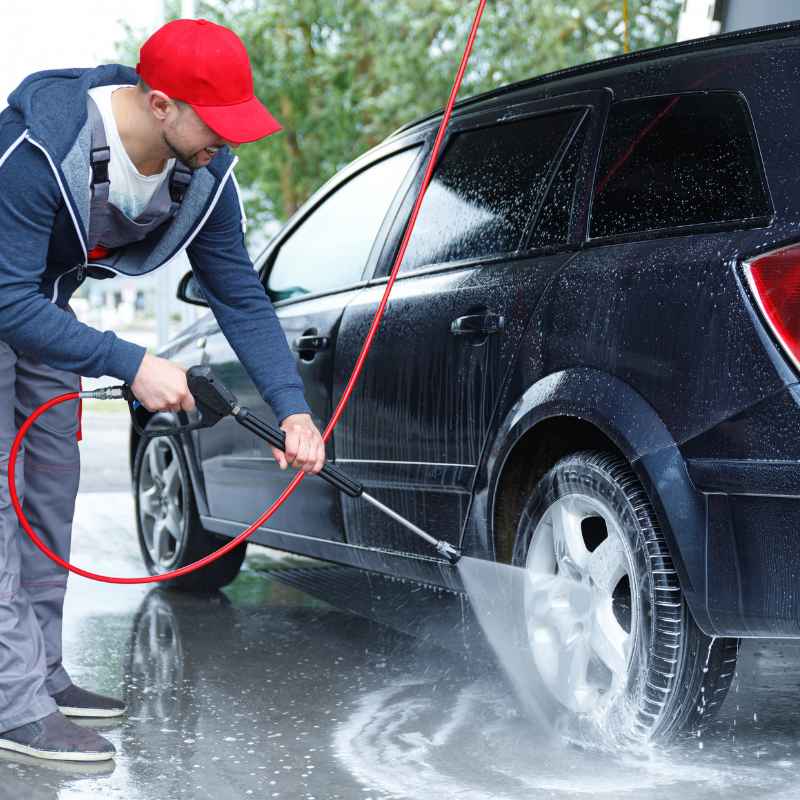
This is the most crucial step. Before you even touch the car with a mitt, you need to rinse. Use a strong stream of water from your garden hose.
Or, use a pressure washer on a low setting. Aim to dislodge as much loose dust as possible. Don’t scrub yet.
Just blast it away.
Pay close attention to wheel wells and undercarriage areas. These spots can hold a lot of dust. A good rinse can remove 70-80% of the dust.
This makes the washing step much safer. It removes the bulk of the abrasive particles. It’s like getting rid of the sand before you polish a gem.
If you have a pressure washer, be careful. Keep the nozzle far away from the paint. A wide spray pattern is better than a narrow, high-pressure jet.
You don’t want to damage the paint. Just use it to lift and rinse.
Pre-Rinse Checklist
- Use plenty of water.
- Work from top to bottom.
- Get into nooks and crannies.
- Don’t skip this step!
The Two-Bucket Wash Method Explained
This method is a game-changer for safe washing. You need two buckets. One bucket has your car wash soap and clean water.
The other bucket has just clean water. This is your rinse bucket.
Dip your wash mitt into the soap bucket. Wash a section of your car. Then, rinse the dirty mitt in the clean water bucket.
This removes the concrete dust from the mitt. After rinsing, dip the mitt back into the soap bucket. Repeat this process.
This keeps the soap water cleaner. It stops you from putting grit back onto the paint.
This prevents you from spreading the dust around. You are lifting it away. You are not re-applying it.
It’s a simple idea. But it makes a huge difference. It’s a core part of safe car care.
Choosing the Right Car Wash Soap
Not all soaps are created equal. For concrete dust, you need a soap that is very gentle. It should be pH-neutral.
This means it won’t harm your car’s wax or sealant. It should also create a lot of suds. These suds act as a lubricant.
They help the mitt glide over the surface. This reduces friction. Less friction means fewer scratches.
Look for terms like “high-suds” or “lubricated” on the bottle. Some detailing soaps are specifically designed for tough jobs. They might have added cleaning agents.
But they are still safe for paint. Avoid dish soap at all costs. Dish soap strips away wax and protective layers.
It’s too harsh for automotive paint.
Read the label. If you’re unsure, ask at an auto parts store. They can guide you to a good, safe wash soap.
A quality soap is an investment. It helps protect your car.
What to Look For in a Car Wash Soap:
- pH-Neutral: Won’t strip wax.
- High-Sudsing: Creates lubrication.
- Biodegradable: Better for the environment.
- Specifically for Cars: Not household cleaners.
Wash Mitts and Towels: Your Touch Points
The tools that touch your paint matter greatly. For concrete dust, you want the softest things possible. Microfiber wash mitts are ideal.
They trap dirt particles within their fibers. This keeps them away from the paint surface. Chenille microfiber mitts are very plush.
They offer great suds retention and a soft feel.
When drying, use plush microfiber drying towels. These are highly absorbent. They are designed to dry surfaces without scratching.
Avoid old bath towels or cotton rags. They can be surprisingly abrasive. They might have lost their softness.
They can cause micro-scratches.
Always inspect your mitts and towels. Make sure they are clean. Wash them separately from other laundry.
Use a microfiber wash detergent. Never use fabric softener. Fabric softener clogs the microfiber.
It makes them less effective and can transfer to your car.
The Washing Process: Step-by-Step
Start washing your car from the top. Work your way down. The roof gets dirty first.
Then the hood and trunk. Then the sides. Finally, the lower parts.
The lower parts of the car are usually the dirtiest. Washing them last keeps you from spreading heavy grime upwards.
Dip your wash mitt into the soapy water. Gently wash one section. For example, one small part of the roof.
Then, rinse the mitt in the clean water bucket. Dunk it well. Swish it around.
This clears out the dust. Then, go back to the soap bucket. Wash another section.
Rinse the car frequently. Don’t let soap dry on the surface. Especially on a warm day.
Rinse each section after you wash it. This keeps the dust wet and manageable. It also removes suds.
Work in the shade if possible. This prevents water spots and drying too fast.
Wash Order (Top to Bottom):
1. Roof: Wash, rinse.
2. Windows: Wash, rinse.
3. Hood & Trunk: Wash, rinse.
4. Upper Door Panels: Wash, rinse.
5. Lower Door Panels & Rocker Panels: Wash, rinse.
6. Bumpers: Wash, rinse.
What If Some Dust Remains?
Sometimes, even after a thorough wash, a few stubborn particles might linger. This is where a detailer’s trick comes in. You can use a clay bar or clay mitt.
These are designed to lift bonded contaminants. They are very effective.
First, make sure the car is wet. Spray a lubricant product onto the area. Then, gently glide the clay bar or mitt over the surface.
It will grab onto the remaining dust. You’ll feel a slight drag. Wipe the clay clean often.
Or switch to a new section of the clay mitt.
After claying, rinse the car again. Then dry it. This process is best done after washing.
It ensures you’re not grinding any dirt into the paint. Clay bars can seem a bit daunting. But they are quite safe when used with plenty of lubricant.
They leave the paint feeling incredibly smooth.
Drying Your Car Safely
Drying is just as important as washing. Never use a chamois. They can be abrasive.
Use large, plush microfiber drying towels. Drape the towel over the surface. Gently pat or blot the water.
Or, use a gliding motion. Pull the towel across the surface slowly.
Avoid rubbing back and forth. This motion can drag any missed dust. You want to absorb the water.
Let the towel do the work. You might need multiple towels. As a towel gets damp, switch to a dry one.
This speeds up drying. It also ensures maximum absorbency.
Some detailers use a car dryer blower. These blow high-velocity air. They can quickly dry the car.
They are touchless. This is the safest drying method. But a good set of microfiber towels works very well too.
Just be gentle and patient.
Drying Tips:
- Use multiple plush microfiber towels.
- Blot or gently glide, don’t rub.
- Work from top to bottom.
- Consider a car dryer if available.
Dealing with Stubborn Spots
What if there are spots that just won’t come off? Concrete dust can sometimes leave a faint residue. This might be mineral deposits.
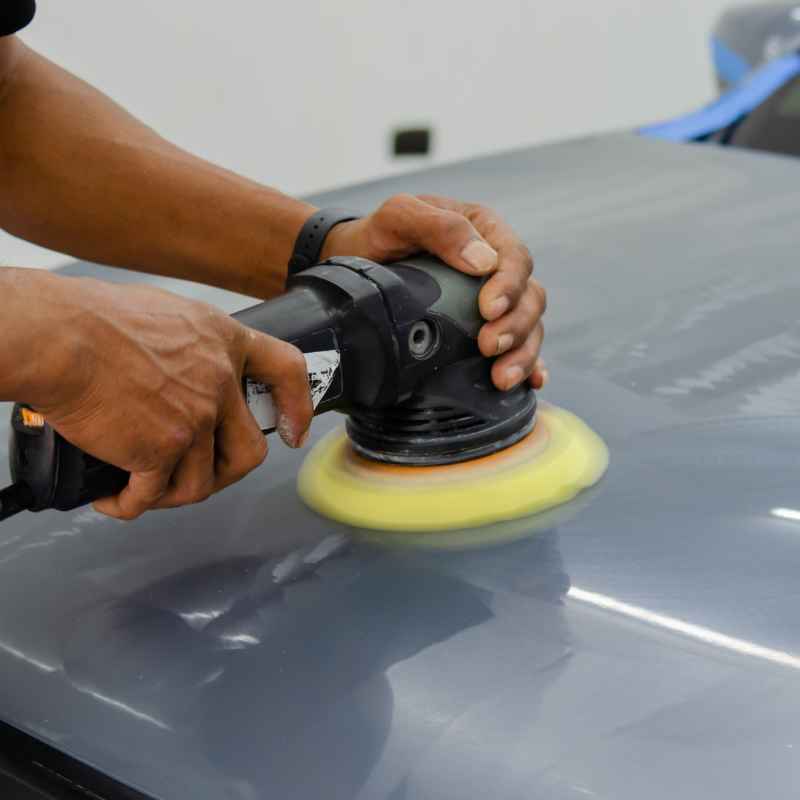
Or slight etching. For these, a good quality car polish can help. A mild polish is a very fine abrasive.
It can gently remove the top layer of clear coat.
This layer contains the imperfection. Apply a small amount of polish to a foam applicator pad. Or a microfiber applicator.
Gently rub the spot. Use light pressure. Work in a small area.
Then wipe off the residue with a clean microfiber cloth.
After polishing, it’s a good idea to reapply a wax or sealant. This protects the paint. It adds another layer of defense.
Always test polish in an inconspicuous area first. You want to be sure it doesn’t damage the paint.
When to Call a Professional
If the dust seems deeply etched. Or if you’ve tried safe methods and it’s still there. It might be time for a professional detailer.
They have specialized tools. They have advanced techniques. They know how to handle difficult situations.
They can use stronger compounds. They can perform paint correction. This involves removing paint layers safely.
It can bring back the shine. A professional detailer is an expert. They have experience with all sorts of paint issues.
They can assess the damage. They can tell you what’s possible.
Don’t feel bad about seeking help. Sometimes, a job is too tough for DIY. It’s better to let an expert fix it.
Than to try and fail. And cause more damage.
Real-World Scenarios and Prevention
Imagine you live near a new building site. Dust is a constant problem. You could cover your car.
Use a breathable car cover. Make sure it fits well. It should not flap in the wind.
A loose cover can scratch paint too.
If you park outside, consider a carport. Or a garage. These offer the best protection.
They keep dust and other elements away. Even parking away from the street can help. Less traffic means less airborne dust.
Look for parking spots under trees. But be careful. Tree sap can also damage paint.
So it’s a trade-off.
If you know you’ll be near a dusty area, perhaps avoid washing your car right before. Or wash it when you get home. Don’t let dust sit for days.
The longer it’s on there, the harder it can be to remove.
Prevention Strategies:
- Park in a garage or carport.
- Use a breathable car cover.
- Choose parking spots away from construction.
- Wash your car soon after exposure.
What This Means for Your Car’s Finish
Seeing concrete dust on your car can be alarming. It feels like a ticking time bomb for your paint. But with the right knowledge, it’s manageable.
The key takeaway is that gentle, thorough cleaning is paramount.
It means understanding that abrasive forces are the enemy. So, you need to minimize them at every step. From the initial rinse to the final dry.
This protects the clear coat. It keeps your car looking new for longer. It prevents costly repairs down the line.
When is Concrete Dust Just Normal Dirt?
Sometimes, a light dusting might look bad. But it’s just regular road grime. True concrete dust is gritty.
You can feel it. It’s a fine, powdery substance. If it washes off easily with a normal car wash, it was likely just dirt.
The real worry comes from that gritty feel. The feeling of particles embedded in the paint. That’s when you know it’s more serious.
You need to be extra careful. Always err on the side of caution. If it feels rough, treat it with care.
When Should You Worry About Concrete Dust?
Worry if the dust feels very rough and stuck. Worry if it’s been on the car for days. Especially if it’s been wet and dried.
Worry if you see swirl marks after trying to wipe it. That’s a clear sign of abrasion.
Also, if you notice dull spots. Or if the paint feels rough even after washing. These could be signs of etching.
Or fine scratches. These are situations where you should pay close attention. You might need more than a simple wash.
Simple Checks You Can Do
After washing and drying, run your hand over the paint. Is it smooth like glass? Or can you still feel grit?
Hold a light at an angle. Look for swirl marks or fine scratches. Shine a flashlight across the surface.
This will reveal imperfections. Do this in a dimly lit area. This is how detailers inspect paint.
If you find issues, don’t panic. Most can be addressed with proper care. Or by a professional.
Quick Tips for Concrete Dust Removal
Don’t dry wipe: Never wipe dry dust off your car. It will scratch.
Use plenty of water: Keep the surface wet during washing.
Work in sections: Don’t try to wash the whole car at once.
Rinse often: Keep your mitt and car clean.
Top to bottom: Always wash from the roof down.
Use quality microfiber: Soft mitts and towels are essential.
Quick Fixes & Guidelines:
Lubrication is Key: More soap and water means less friction.
Gentle Pressure: Let the tools and soap do the work.
Inspect Your Tools: Ensure mitts and towels are clean and soft.
Protect After Washing: Apply wax or sealant for added defense.
Frequently Asked Questions About Concrete Dust on Cars
Can concrete dust damage my car’s paint permanently?
Concrete dust itself is usually not permanently damaging if removed properly and promptly. The main risk comes from trying to remove it aggressively, which can cause scratches. If left for a very long time, especially when wet, it could potentially etch the paint, but this is less common.
Prompt and gentle cleaning is key.
How quickly should I wash my car after exposure to concrete dust?
It’s best to wash your car as soon as you can after exposure to concrete dust. The longer it sits, the more it can adhere to the paint. If you can’t wash it right away, at least give it a good rinse with water to lift off the loose particles.
What are the best products to remove concrete dust?
The best products include a pH-neutral car wash soap, a good quality wash mitt (like microfiber or chenille), plenty of clean water, and plush microfiber drying towels. For tougher spots, a clay bar or clay mitt with lubricant is excellent. A mild car polish can also help with any remaining residue.
Can I use a pressure washer on concrete dust?
Yes, you can use a pressure washer, but with caution. Use a wide spray pattern and keep the nozzle at a safe distance from the paint. A pressure washer can be very effective for the initial pre-rinse to blast away loose dust.
Avoid using a narrow, high-pressure stream directly on the paint.
What’s the difference between concrete dust and cement dust on a car?
Concrete dust and cement dust are very similar. Cement is a component of concrete. Both are fine, gritty particles.
The concern is the abrasive nature of these particles and their potential to stick to surfaces. The removal methods are largely the same for both.
Should I worry about concrete dust getting into my car’s interior?
Yes, concrete dust can get into your car’s interior. It’s a fine powder. It can enter through doors, windows, and vents.
If this happens, use a vacuum cleaner with a brush attachment. You may also need a damp microfiber cloth to wipe down surfaces. Avoid dry dusting, as it can spread the fine particles.
Conclusion
Dealing with concrete dust on your car doesn’t have to be a paint-ruining ordeal. By understanding the risks and using gentle, methodical cleaning techniques, you can keep your car’s finish pristine. Remember to always pre-rinse, use plenty of lubrication, and employ the two-bucket method.
Your car will thank you for the care.
Products related to this article
Sponsored / affiliate links. As an Amazon Associate I earn from qualifying purchases. I may earn additional commission from eligible campaigns.