How to Repaint Car Interior: Transform Your Ride
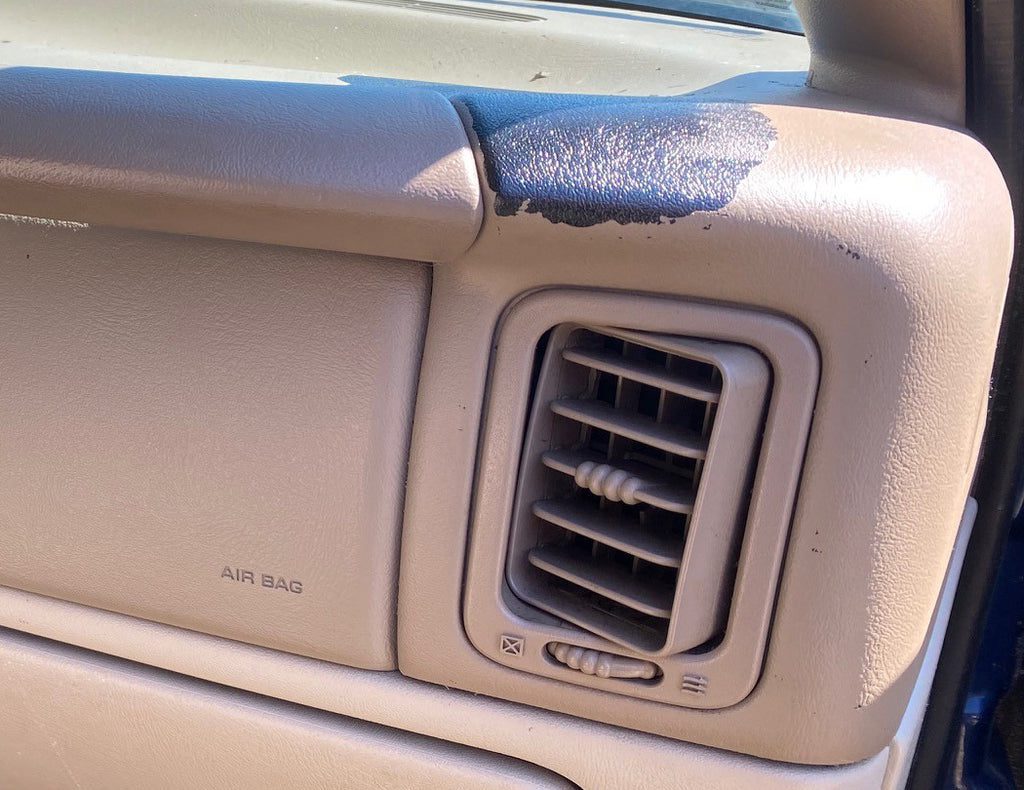
Ever glanced at your car’s interior and thought it could use a fresh new look? Maybe the colors have faded, or perhaps you’re just ready for a change.
Repainting your car’s interior can transform your driving experience, making it feel like a brand-new vehicle without the hefty price tag of a full replacement. Imagine slipping into a car that reflects your style and taste, with colors that invigorate your senses every time you drive.
In this guide, you’ll discover how to breathe new life into your car’s interior with a paint job that’s both cost-effective and rewarding. Stay tuned, because by the end of this article, you’ll have all the insights and tips you need to tackle this exciting DIY project with confidence. Whether you’re a car enthusiast or just looking to refresh your ride, you’re about to learn how simple it can be to achieve a stunning interior makeover.

Credit: www.wikihow.com
Choosing The Right Materials
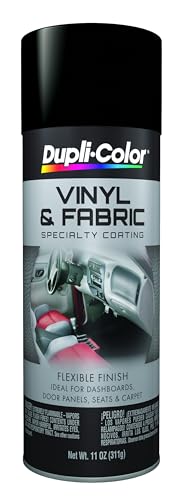
Different paints have unique uses. Acrylic paints are great for hard surfaces. Vinyl paints work well on soft surfaces. Enamel paints are durable and shiny. Choose the right paint for each surface. Each type needs different care. Always read labels for best results.
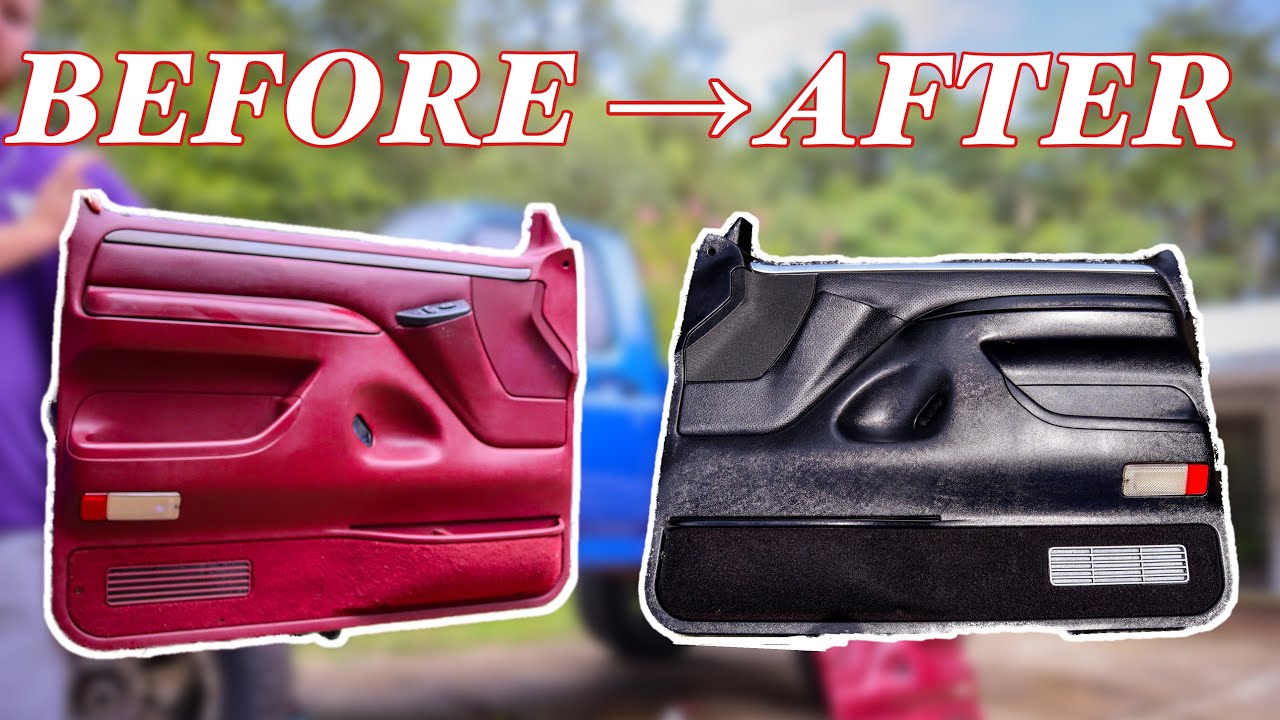
A smooth finish needs the right tools. Sandpaper helps make surfaces smooth. Use painters tape to cover parts you don’t want painted. Brushes and rollers apply paint evenly. Don’t forget gloves to protect your hands. A mask is important for safety. Drop cloths keep paint off the ground.
Credit: www.youtube.com
Preparing The Interior
Start by removing all dirt and dust. Use a soft cloth for surfaces. Degreasing is important. It removes oil and grime. Use a cleaner made for cars. Spray it on all surfaces. Wipe with a clean cloth. Make sure everything is dry. Clean again if needed. Check for any missed spots.
Take out small parts first. Screws and bolts need careful handling. Keep them in a safe place. Seats and panels are bigger. Use a wrench or screwdriver. Label each part as you remove it. This helps when you put them back. Be gentle with wires. Avoid breaking any. Inspect all parts before painting.
Masking And Protecting Areas
Carefully mask areas to protect them from paint splatters during car interior repainting. Use quality tape for precise edges and cover surfaces with plastic sheets. This ensures a neat finish without accidental paint marks.
Covering Windows And Electronics
Windows must be covered with plastic or paper. This keeps paint away. Use tape to hold the cover tight. Electronics like radios need special care. Use plastic bags or special covers. This will keep them safe from paint. Make sure everything is sealed well. No gaps should be seen.
Protecting Upholstery
Seats and other fabric parts need protection. Use old sheets or blankets. These will cover upholstery well. Secure them with clips or tape. Make sure no fabric is showing. This saves seats from paint spills. Double check for any missed spots. Fix any loose covers right away.
Applying The Paint
Start by cleaning the car’s interior surfaces. Use a damp cloth for dust removal. Choose a primer made for car interiors. It helps the paint stick better. Apply the primer evenly on all surfaces. Wait for it to dry completely before painting. This ensures a smooth finish. Sand the surface lightly if needed. This removes any bumps or scratches. Make sure to work in a well-ventilated area. This is important for safety.
Begin with a light mist of paint. Hold the spray can 10 inches away. Move your hand side to side smoothly. Do not spray in one spot for too long. This prevents drips and uneven layers. Apply thin coats of paint for the best result. Let each coat dry before adding another. Usually, 2-3 coats are enough. Check the paint for any missed spots. Add more paint if needed. Keep the area clean and free of dust while painting.
Drying And Curing Process
Proper drying is crucial for a smooth finish. Make sure the area has enough ventilation. This helps the paint dry evenly. The room temperature should be mild. Not too hot or cold. Humidity affects drying time. Low humidity is best. It speeds up the process.
Drying time can vary. It often takes a few hours. For full curing, expect a few days. Patience is key. Rushing may damage the paint. After drying, test a small area. Check if it’s fully dry. If sticky, it needs more time.
Reassembling The Interior
Revamp your car’s interior by repainting surfaces for a fresh look. Select suitable paint, clean thoroughly, and apply evenly. Ensure proper drying for lasting results.
Reattaching Components
Begin by placing back the dashboard and other large parts. Ensure everything fits snugly. Screws and bolts must be secured tightly. Use a screwdriver for precision. Seats come next. Position them correctly. Attach each bolt firmly. Check that they don’t wobble. Doors require attention too. Align the panels. Tighten every screw. Handles and buttons need proper placement. Make sure they work smoothly. Wires should be connected back. Avoid loose ends. Test each button. Confirm functionality.
Final Adjustments
Inspect every part. Look for any missing pieces. Adjust components that seem off. Check alignment. Ensure everything operates correctly. Gaps should be minimal. Feel the surfaces. They should be smooth. Test all switches. Ensure lights turn on. Inspect mirrors. They should be clear. Tighten any loose parts. Listen for unusual sounds. Fix them promptly. Ensure comfort. Seats should be cozy. Drive the car. Feel the interior. It should be perfect.
Maintaining The New Look
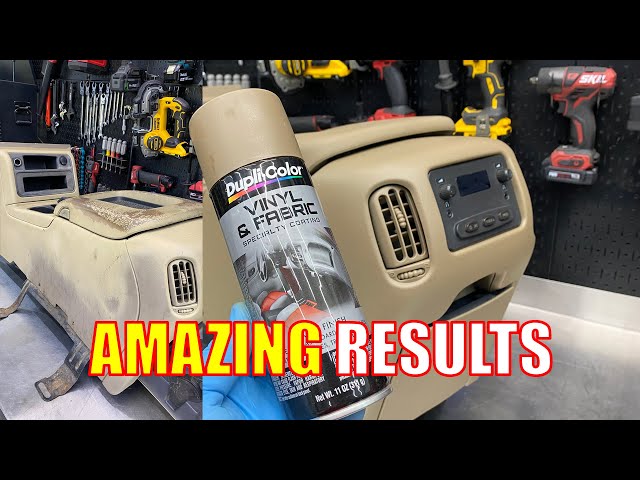
Use a soft clothto wipe surfaces. Avoid harsh chemicals. These can damage the paint. Choose a gentle cleaner. Clean every week. This keeps the shine.
Keep windows closed. This stops dust. Use seat covers. They protect the fabric. Place mats on the floor. These catch dirt. Avoid sharp objects inside. They can scratch the surface.
Credit: www.youtube.com
Frequently Asked Questions
What Materials Are Needed For Repainting Car Interior?
To repaint your car’s interior, gather spray paint, primer, sandpaper, and cleaning supplies. Choose paint suitable for plastic, vinyl, or metal surfaces. Proper preparation ensures lasting results and a professional finish.
How Do I Prepare Car Interior For Painting?
Start by cleaning surfaces with soap and water. Sand any rough areas for smoothness. Apply primer to enhance paint adhesion. Protect surrounding areas with masking tape to prevent overspray.
Can I Repaint Fabric Car Seats?
Repainting fabric seats requires specialized fabric paint. Ensure seats are clean and dry before application. Follow instructions for even coverage and durability. Consider professional help for best results.
How Long Does Car In2terior Paint Take To Dry?
Most interior paints dry within 24 hours. Allow additional time for curing before use. Follow manufacturer guidelines for specific drying times. Ensure proper ventilation during the process.
Conclusion
Repainting your car’s interior breathes new life into it. Start with a clean surface. Use the right primer for better paint adhesion. Choose colors that match or enhance your car’s style. Protect surrounding areas with tape and coverings. Apply paint evenly for a smooth finish.
Allow ample drying time to avoid smudges. Follow these steps carefully to achieve a professional look. Enjoy the refreshed vibe of your newly painted car interior. A simple project can make a big difference. With patience and care, your car will look stunning inside.