What Is A Battery Tender For A Car? Do You Really Need One?
It’s that sinking feeling. You go to start your car, and all you hear is a sad click. Or maybe nothing at all.
Your car battery is dead. It happens to the best of us, especially if your car sits for a while. We’ve all been there, wondering why this happens and what we can do about it.
You might have heard of something called a “battery tender” and wondered if it’s a magic fix. Let’s break down exactly what a battery tender is and whether it’s something you should consider for your own car.
A battery tender is a small, smart device that keeps your car’s battery charged when it’s not being used. It prevents the battery from losing its power over time, especially if the car sits for long periods. This helps avoid dead batteries and can even make your battery last longer.
What is a Battery Tender?
A battery tender is a special type of battery charger. It’s not like the big, powerful chargers you might use to quickly boost a dead battery. Instead, a tender is designed for long-term use.
Its main job is to maintain a full charge. Think of it like a trickle charger, but smarter. It sends a small amount of power to your car’s battery when needed.
This keeps the battery topped up without overcharging it. Overcharging can damage a battery. So, tenders are very gentle.
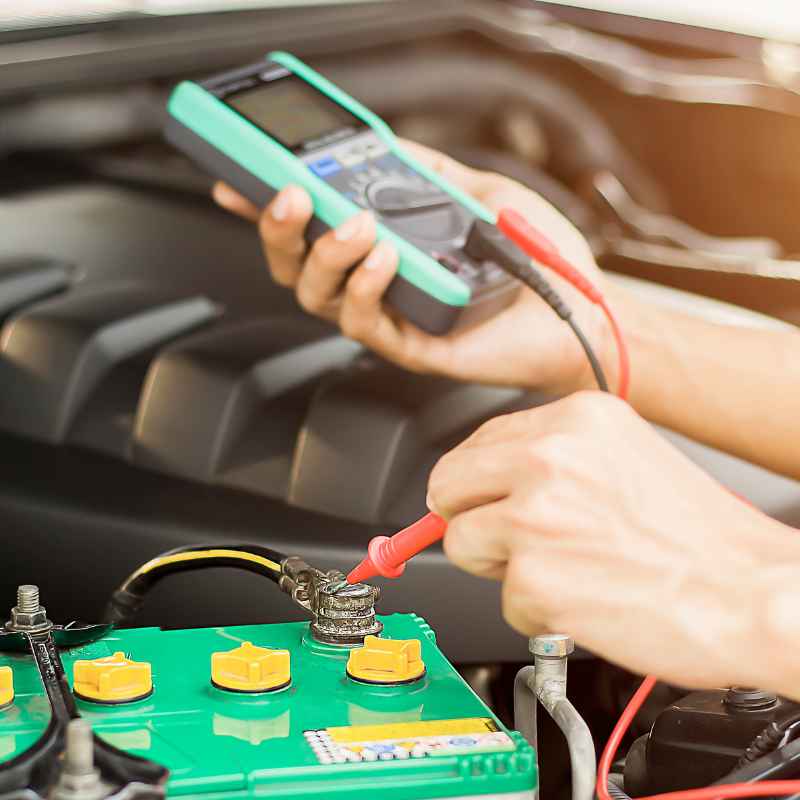
Many modern cars have more electronics than older ones. Things like alarm systems, GPS trackers, and even just the car’s computer systems draw a small amount of power all the time. This is called “parasitic draw.” If a car sits unused for a few weeks, this small draw can slowly drain the battery.
Eventually, there isn’t enough power left to start the engine.
A battery tender prevents this. It connects to your car’s battery and plugs into a standard wall outlet. When the battery’s voltage drops a little, the tender sends a tiny bit of power to bring it back up.
Once the battery is full, the tender stops charging. It then waits and checks the battery’s level again. This cycle repeats.
It’s a very efficient way to keep your battery healthy.
How Does a Battery Tender Work?
The magic of a battery tender is in its smart charging technology. They don’t just blast electricity at the battery. Instead, they use multi-stage charging.
This means they have different charging modes. Most tenders use three main stages:
1. Diagnosis
When you first connect the tender, it checks the battery. It looks to see if the battery is okay. It can even detect some problems.
If the battery is bad, the tender might let you know. It won’t try to charge a battery that’s already damaged.
2. Bulk Charge
If the battery is healthy but low on charge, the tender will start a bulk charge. It sends a steady, moderate amount of power. This brings the battery’s charge level up quickly.
It aims to get the battery to about 80% of its full capacity.
3. Float/Maintenance Charge
This is where the tender really shines. Once the battery is nearly full, it switches to a float mode. In this mode, the tender sends a very small, consistent amount of power.
It’s just enough to keep the battery at 100% charge. It also compensates for any tiny power draw from the car’s systems. This stage can run for days, weeks, or even months.
The tender constantly monitors the battery. It only sends power when it detects the voltage dropping slightly. This prevents overcharging and heat buildup.
Some advanced tenders also have a “equalization” or “desulfation” mode. Batteries can develop sulfate crystals on their plates over time. This reduces their ability to hold a charge.
These modes use specific voltage pulses to break up these crystals. This can sometimes restore a slightly older battery’s performance.
Do You Really Need a Battery Tender?
This is the big question. The answer depends a lot on how you use your car. Not everyone needs one.
But if any of these sound like you, a tender could be a lifesaver:
Cars That Sit for Long Periods
This is the most common reason people use battery tenders. If you have a classic car, a boat, an RV, or even a second car that you only drive occasionally, a tender is highly recommended. Sitting idle is the enemy of car batteries.
Even a month of inactivity can drain a battery enough to cause starting problems. This is especially true in colder weather, as cold temperatures reduce a battery’s capacity.
I remember a friend who had a beautiful vintage Mustang. He loved taking it out on sunny weekend afternoons. But during the week, it sat in his garage.
After a few weeks of not driving it, he’d go to start it, and it would just click. He’d have to jump-start it. It was frustrating.
He finally got a battery tender for it. Now, whenever he wants to drive it, it starts up perfectly. It saved him a lot of hassle and worry.
Cars with High Parasitic Draw
As mentioned, modern cars have more electronics. Some cars, even when turned off, draw more power than others. Features like advanced security systems, keyless entry, and infotainment systems can all contribute.
If your car is only driven for very short trips, the alternator may not have enough time to fully recharge the battery. This can lead to a slow drain. A tender can help maintain the charge between drives.
People Who Drive Short Distances Regularly
This might seem counterintuitive, but it’s a common issue. If your daily commute is very short, say just a few miles each way, your car’s alternator might not be able to recharge the battery fully. Each start-up and drive uses a significant amount of battery power.
Short trips don’t give the alternator enough time to replenish it. Over time, the battery can become chronically undercharged. This reduces its lifespan.
A battery tender can top it off overnight.
Those Living in Cold Climates
Cold weather is tough on car batteries. It reduces their cranking power and their ability to accept a charge. If your car sits outside in freezing temperatures, the battery is under more stress.
A battery tender can help ensure the battery has enough power to start the engine in frigid conditions. It also helps protect the battery from damage caused by deep discharge in the cold.
To Extend Battery Life
Batteries don’t last forever. But their lifespan can be significantly affected by how they are treated. Regularly letting a car battery go completely dead or frequently running it at a low charge level shortens its life.
Keeping a battery fully charged, as a tender does, helps it perform better for longer. It reduces stress on the battery’s internal components. You might get an extra year or two out of a good battery.
This can save you money in the long run.
Types of Battery Tenders
When you’re looking for a battery tender, you’ll see a few different kinds. They generally differ in features and sophistication.
Battery Tender Styles
Smart Tenders: These are the most common and recommended. They have microprocessors that monitor the battery and adjust charging automatically. They switch between charging stages and are very safe.
Most modern tenders fall into this category.
Basic Trickle Chargers: These are simpler and less expensive. They provide a slow, constant charge. However, they don’t have the smarts to stop charging when the battery is full.
This means they can overcharge and damage the battery if left connected too long. They are generally not recommended for unattended, long-term use.
Solar Tenders: These use small solar panels to charge the battery. They are great for cars parked outdoors where there’s sunlight. They are eco-friendly and can be a good option if you don’t have easy access to a wall outlet.
However, their charging speed depends on the weather.
Choosing the Right Battery Tender
When you’re shopping for a battery tender, keep these things in mind:
Voltage and Amperage
Most car batteries are 12-volt systems. Make sure the tender is designed for 12V batteries. The amperage (how much current it delivers) is usually quite low for tenders, often 1-2 amps.
This is plenty for maintenance charging and is safe for most car batteries.
Safety Features
Look for tenders with built-in safety features. These include:
- Spark-proof connections: This prevents dangerous sparks when connecting or disconnecting.
- Reverse polarity protection: This stops damage if you accidentally connect the clamps to the wrong battery terminals.
- Overcharge protection: Essential for preventing damage.
Brand Reputation and Reviews
Stick with well-known brands that have good reviews. Companies like Battery Tender, CTEK, NOCO, and Schumacher are reputable. Read user reviews to see real-world performance and reliability.
Durability and Weatherproofing
If you plan to use the tender outdoors, or in a garage that might get damp, look for a weatherproof model. Some are designed to withstand rain and dust.
Battery Tender Connection Options
- Clamp Connectors: These are the most common. They attach directly to the battery terminals. Make sure they can reach your battery terminals easily.
- Ring Terminal Connectors: These have small rings that bolt onto the battery terminals. They offer a more secure connection. They are often preferred for permanent installations.
- 12V Cigarette Lighter Plug: Some tenders come with an adapter that plugs into your car’s 12V accessory socket (cigarette lighter). This is very convenient if you have easy access to this port. However, not all cars allow power to flow through this port when the ignition is off.
How to Use a Battery Tender
Using a battery tender is quite simple. Here’s a general step-by-step guide:
1. Read the Manual
Always read the specific instructions for your tender. They might have unique features or requirements.
2. Park Your Car
Park your car in a safe location. Ensure there’s access to a power outlet nearby. A garage or driveway is ideal.
3. Connect the Tender to the Battery
This is the most important step to do correctly.
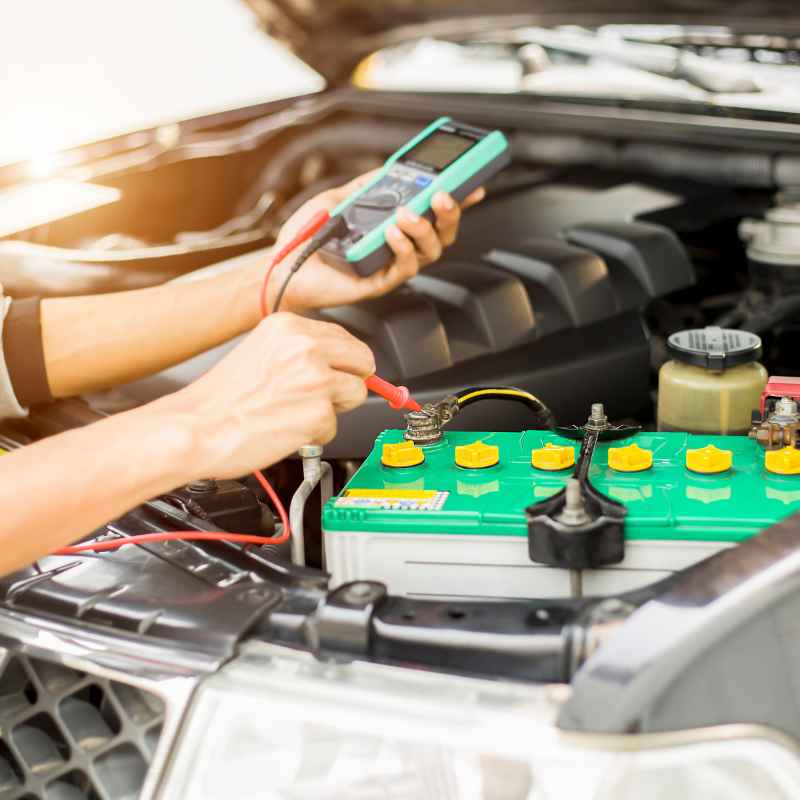
- Identify the battery terminals. The positive terminal is usually marked with a “+” symbol and is often red. The negative terminal is marked with a “-” symbol and is often black.
- Connect the positive (red) clamp or ring to the positive battery terminal.
- Connect the negative (black) clamp or ring to the negative battery terminal.
Safety Tip: Connect the positive first, then the negative. When disconnecting, disconnect the negative first, then the positive. This helps prevent sparks.
Many modern tenders are spark-proof, but it’s still good practice.
If you are using a 12V plug adapter, simply plug it into your car’s accessory socket. Make sure the socket is live when the car is off.
4. Plug the Tender into the Outlet
Once the tender is connected to the battery, plug its power cord into a standard electrical outlet. The tender should indicate that it’s on and beginning to charge or monitor. Some have indicator lights to show the charging status.
5. Let It Work
That’s it! The tender will automatically manage the charging process. You can leave it connected for as long as you need.
It’s designed for continuous use. Most tenders have built-in surge protection, so they are safe to leave plugged in.
6. Disconnecting
When you need to drive your car, simply unplug the tender from the wall outlet. Then, disconnect it from the battery. You should see the tender’s indicator lights turn off.
Then, disconnect the clamps from the battery terminals.
Common Battery Tender Indicator Lights
- Solid Green Light: Battery is fully charged and being maintained.
- Flashing Green Light: Battery is charging.
- Solid Yellow/Orange Light: Battery is in the bulk charge stage.
- Flashing Yellow/Orange Light: Battery may have an issue or is being desulfated.
- Solid Red Light: Fault detected. Check battery connections or battery health.
- No Light: Unit is not powered or is not connected correctly.
Battery Tender vs. Battery Maintainer vs. Charger
These terms are often used interchangeably, but there are subtle differences. Understanding them helps you choose the right device.
Device Differences
Battery Charger: This is a general term. Chargers are designed to restore a discharged battery. They can come in various power levels, from quick boost chargers to slower chargers.
Some can overcharge if not monitored.
Battery Maintainer (or Tender): This is a specific type of charger. It’s designed for long-term use. It keeps a fully charged battery topped up without overcharging.
It uses smart technology to cycle between charging and monitoring.
Trickle Charger: This is an older, simpler type of charger. It delivers a very low, constant current. It can take a long time to charge a deeply discharged battery.
While it’s less likely to overcharge than a standard charger, it can still cause damage if left connected indefinitely without smart controls.
For keeping a car battery healthy when the car is parked, a battery tender or maintainer is the best choice. A full-blown charger is for when you need to revive a significantly drained battery.
What If My Car Battery is Already Dead?
If you find yourself with a dead car battery, a tender won’t help immediately. A dead battery means there’s very little voltage left. A tender is for maintaining a charge, not for reviving a completely depleted battery.
In this situation, you’ll need:
- A Jump Start: Use jumper cables and another vehicle to start your car.
- A Battery Charger: A standard battery charger can bring a dead battery back to life. This might take several hours.
- A New Battery: If the battery is old or damaged, it might not hold a charge anymore. You’ll need to replace it.
Once you’ve jump-started or charged the battery, a tender can then be used to prevent it from dying again. It’s a preventative measure.
Battery Tender Myths and Facts
There’s some confusion about battery tenders. Let’s clear up a few common myths.
Myth vs. Reality
Myth: Battery tenders can overcharge and damage your battery. Reality: Modern smart battery tenders are designed to prevent overcharging. They use multi-stage charging and float mode.
They only supply power when needed.
Myth: A tender is only for expensive collector cars. Reality: Anyone with a car that sits for long periods, or that experiences short trips, can benefit. It’s practical for everyday vehicles too.
Myth: You have to disconnect the battery from the car to use a tender. Reality: Most tenders are designed to be connected while the battery is still in the car. This is why they have reverse polarity protection and spark-proof features.
Myth: Tenders use a lot of electricity. Reality: Battery tenders use very little electricity. They typically draw only a few watts, similar to a small LED light.
The cost to run one is minimal.
Is it Safe to Leave a Tender Connected?
Yes, it is generally safe to leave a smart battery tender connected to your car battery for extended periods. They are specifically designed for this purpose. The smart charging technology prevents damage.
They monitor the battery and only charge when necessary. This constant monitoring and gentle charging is what makes them ideal for maintaining battery health.
However, always ensure the tender is in good condition. Check the cords for any damage. Make sure the connections are secure.
If you notice any strange smells, heat, or unusual noises from the tender, unplug it immediately. Also, make sure the area where the tender is operating is well-ventilated. Batteries can release small amounts of hydrogen gas when charging, though this is much less of a concern with modern tenders and proper ventilation.
When a Battery Tender Might Not Be Necessary
While beneficial for many, a battery tender isn’t always a must-have. If you drive your car regularly, at least every few days, and for decent lengths of time (more than 30 minutes per trip), your car’s alternator is likely doing a good job of keeping the battery charged. Daily drivers who take their cars on the highway or longer commutes often don’t need one.
Also, if your car is a relatively new model and you use it daily without issues, the battery management system in the car might be sufficient. Some modern vehicles have advanced systems to optimize battery charging and health. But even then, if the car sits for a week or more, a tender can offer peace of mind.
Maintaining Your Car’s Battery Health
A battery tender is just one part of keeping your car’s battery healthy. Here are other good practices:
Battery Care Tips
- Regular Driving: Drive your car at least once a week for a good 30-minute drive. This lets the alternator recharge the battery fully.
- Clean Terminals: Keep the battery terminals clean and free of corrosion. Use a wire brush and a baking soda-water paste if you see white or blue buildup.
- Check Battery Age: Car batteries typically last 3-5 years. If yours is getting old, consider replacing it before it fails unexpectedly.
- Avoid Deep Discharges: Try not to leave lights or accessories on when the car is off. Deep discharges stress the battery.
- Extreme Temperatures: Protect your car from extreme heat and cold when possible. Hot engines and environments can degrade batteries faster.
Personal Experience with a Stored Vehicle
I once had a classic Volkswagen Beetle that I adored. It was my weekend project car. I’d work on it in the garage, take it for short spins on Saturdays, and then it would sit for the rest of the week.
For the first year, I didn’t think much of it. But then, one winter, I left it for about three weeks without starting it. When I went to turn the key, nothing happened.
Not even a click. The battery was completely dead.
I had to call for a jump start. It was embarrassing and inconvenient. The mechanic who helped me mentioned that my battery was fairly new, but it couldn’t handle sitting idle for that long.
He strongly suggested I get a battery tender. So, I did. I bought a small, 1.5-amp smart tender from a reputable brand.
I installed it with the ring terminals, which made it a permanent fixture.
From then on, the Beetle always started perfectly, even after weeks of sitting. I even used it on my daily driver during a time when I was traveling for work for two months. When I returned, the car fired right up.
That experience made me a true believer in battery tenders for any vehicle that doesn’t get regular, extensive use. It’s a small investment that saves so much frustration.
Real-World Context: Why Cars Need Power When Off
Even when your car is parked and turned off, its battery is still working. This is often called the “phantom load” or “parasitic drain.” It’s necessary for various systems to function correctly. These systems include:
- The Car’s Computer (ECU): It needs a constant trickle of power to maintain its memory. This includes radio presets, seat memory, and diagnostic trouble codes.
- Alarm System: The anti-theft alarm and immobilizer systems must remain active.
- Keyless Entry Systems: These systems are constantly listening for your key fob.
- Clock and Interior Lights: The clock needs power to keep time. Small interior lights might stay on or be ready to activate.
- Sensors: Various sensors for tire pressure, engine status, and other functions may draw minimal power.
On average, a modern car can draw between 50 and 150 milliamps (mA) when it’s off. A typical car battery has a capacity of around 50 to 70 amp-hours (Ah). If the draw is 100mA (0.1A), a fully charged battery could theoretically last for 500 to 700 hours (about 20-30 days) before being completely drained.
This is why cars left for longer periods are prone to dead batteries.
A battery tender essentially
What This Means for You
Understanding battery tenders means you can make informed choices about your car care. For some, it’s a simple solution to a recurring problem. For others, it might be an unnecessary purchase.
When It’s Normal to Not Need One
If your car is your primary mode of transport and you use it daily for commutes longer than 30 minutes, or for regular errands covering significant distances, your battery is likely getting enough charge from the alternator. In this case, a tender is probably overkill.
When to Consider a Tender
- You have a second car, classic car, or recreational vehicle that sits idle for more than a week or two at a time.
- Your car is used only for very short trips (under 15-20 minutes), especially in cold weather.
- You travel frequently for work or vacation and leave your car parked for extended periods.
- You live in a very cold climate and worry about starting in winter.
- You want to maximize the lifespan of an expensive car battery.
Simple Checks
Before buying a tender, check your car’s battery age. Most batteries have a sticker indicating the installation date. If it’s over 3-4 years old, it might be nearing the end of its life anyway.
Also, consider how often you actually drive your car. Be honest with yourself about its usage patterns.
Quick Fixes & Tips
While a battery tender is a maintenance tool, here are some quick tips related to battery health:
- Battery Load Test: If you suspect your battery is weak, many auto parts stores offer free battery load tests. This will tell you if the battery can still hold a charge properly.
- Check Alternator Output: A failing alternator won’t charge the battery effectively. A mechanic can test your alternator’s output.
- Clean Battery Terminals: A simple cleaning can improve electrical connections and prevent starting issues.
- Secure Battery Mount: Ensure your battery is securely fastened in its tray. A loose battery can suffer damage.
Frequent Questions
What is the difference between a battery tender and a battery charger?
A battery charger is designed to bring a discharged battery back to full power. It can deliver a higher current. A battery tender (or maintainer) is designed to keep a fully charged battery topped up. It delivers a very low, controlled current and cycles on and off automatically. Tenders are for long-term use.
Can I use a battery tender on a new car?
Yes, you can. Modern cars have electronics that draw power even when off. If you don’t drive your new car frequently, a tender can prevent the battery from draining and ensure it’s always ready to start. It can also help extend the battery’s life.
How long does a car battery last with a tender?
A battery tender doesn’t directly increase the lifespan of a healthy battery beyond its normal limits. However, by keeping the battery fully charged and preventing deep discharges, it significantly reduces stress. This can help a battery reach its maximum potential lifespan, often helping it last a year or two longer than it might otherwise.
Do I need to disconnect my car battery when using a tender?
No, most smart battery tenders are designed to be connected directly to the battery terminals while the battery is still in the car. They have safety features like spark-proof clamps and reverse polarity protection to ensure safe connection and operation.
How much electricity does a battery tender use?
Battery tenders use very little electricity. They typically consume only 1 to 5 watts of power, which is comparable to a small LED light bulb. The cost to run one continuously for a month is usually less than a dollar.
Can a battery tender start a car with a dead battery?
No, a battery tender is not designed to start a car with a dead battery. It provides a very low current for maintenance. If your battery is completely dead, you will need to jump-start the car or use a more powerful battery charger to revive it. A tender is for prevention, not recovery from a deep discharge.
Conclusion
So, what is a battery tender? It’s your car’s battery’s best friend when it’s not being used. It’s a smart, gentle charger that keeps your battery topped up.
Do you need one? If your car sits for extended periods, takes short trips, or lives in a cold climate, the answer is likely yes. It’s a small investment for peace of mind, reliable starts, and potentially a longer-lasting battery.
It’s a simple tool that solves a common, frustrating problem for many car owners.
Products related to this article
Sponsored / affiliate links. As an Amazon Associate I earn from qualifying purchases. I may earn additional commission from eligible campaigns.