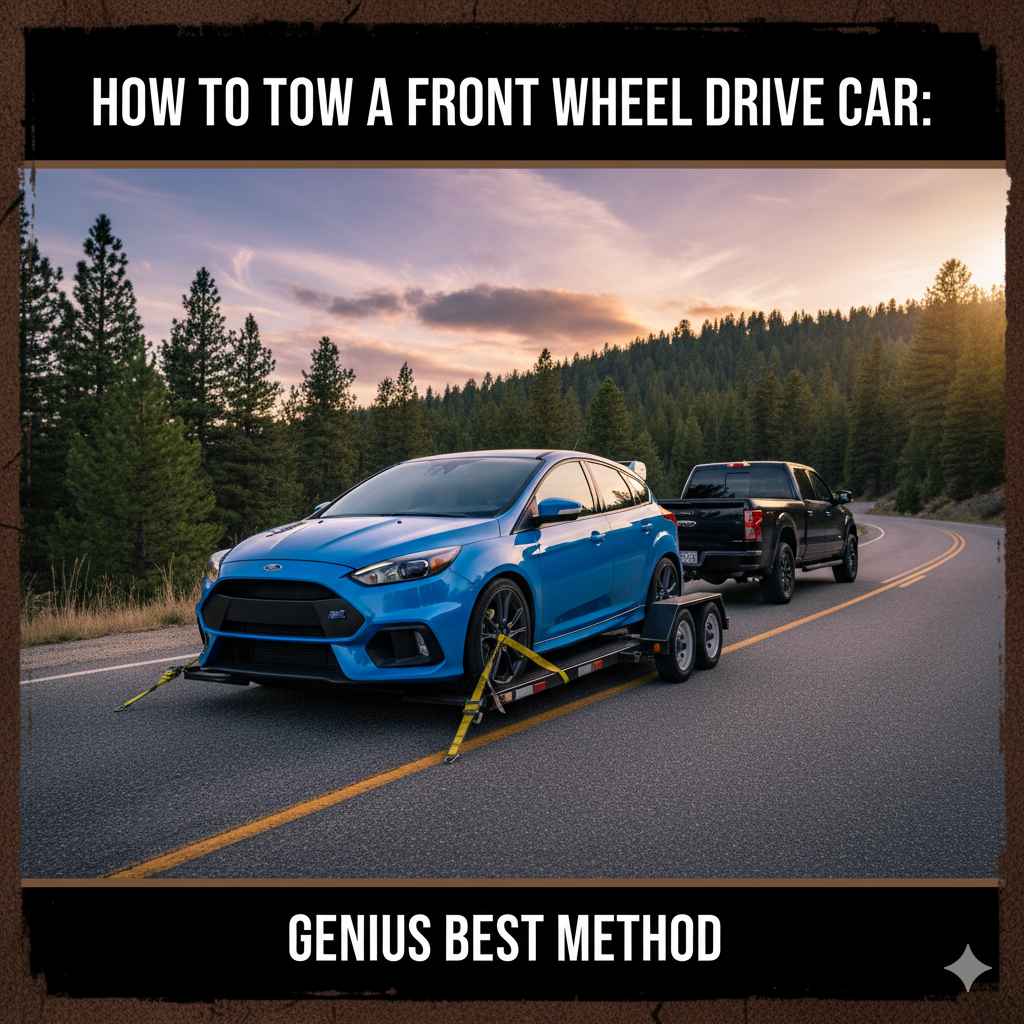
How To Tow A Front Wheel Drive Car: Genius Best Method
The best method to tow a front-wheel drive car is by towing dolly, ensuring the drive wheels (front wheels) are securely lifted off the ground. This prevents drivetrain damage. Always check your owner’s manual for specific towing instructions for your vehicle.
Ever found yourself in a bind, needing to move a car but unsure how to safely get a front-wheel-drive vehicle from point A to point B? It’s a common worry, and the thought of potentially damaging the transmission can be stressful. But don’t worry! Moving a front-wheel-drive car doesn’t have to be complicated. With the right knowledge and a few simple steps, you can tow it safely and confidently, just like a pro. We’ll go over the best ways to do it, so you can get moving without any worries.
Understanding Front-Wheel Drive (FWD) and Why It Matters for Towing
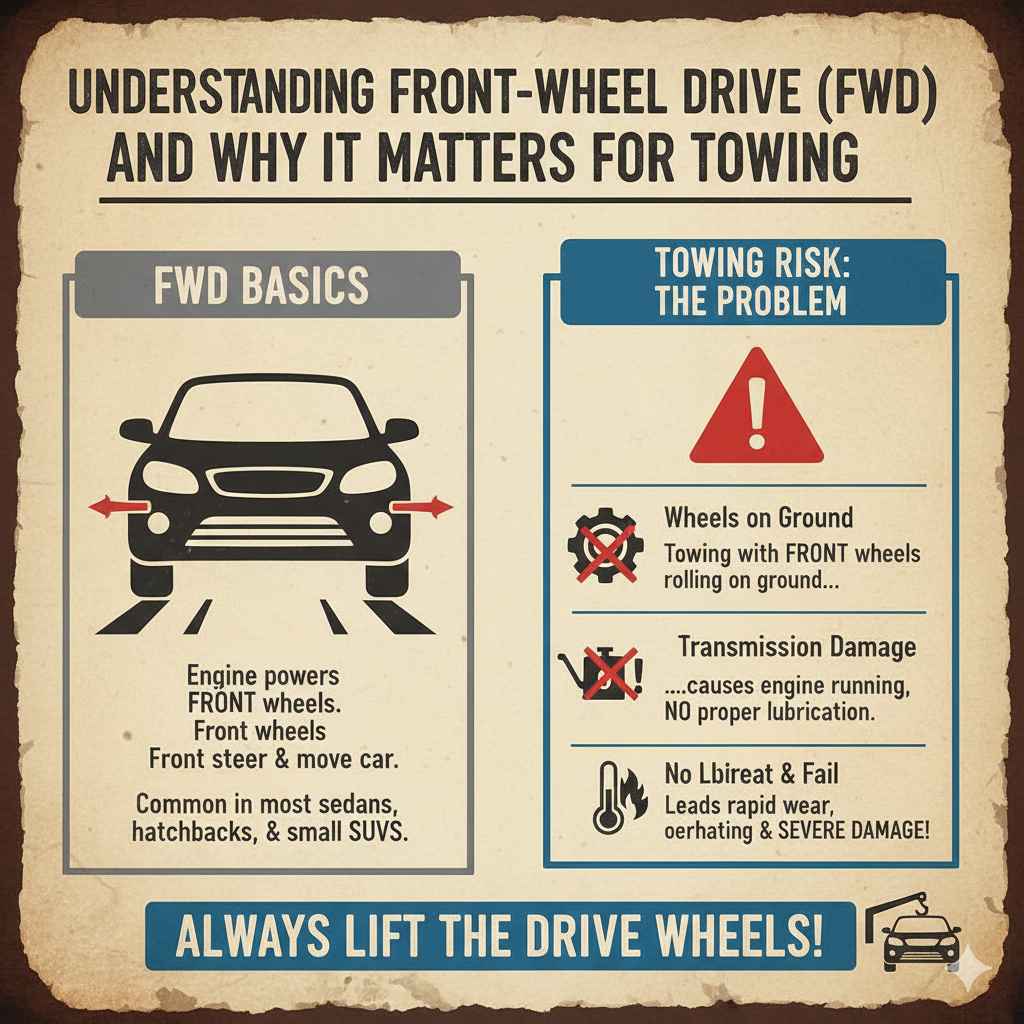
Before we dive into the “how-to,” let’s quickly understand what “front-wheel drive” means for your car. In a front-wheel-drive (FWD) vehicle, the engine’s power is sent to the front wheels, making them do all the work of moving the car. This is different from rear-wheel drive (RWD) or all-wheel drive (AWD), where power might go to the back or all four wheels.
So, why is this important when towing? When you tow a car, its wheels are either rolling on the ground or are lifted off the ground. If the drive wheels (the ones connected to the engine’s power) are rolling on the ground while the transmission is in neutral, it might seem okay. However, for FWD cars, towing with the front wheels on the ground, even in neutral, can cause serious damage to the transmission and drivetrain. This is because the internal components of the transmission keep spinning, and without the engine running to lubricate them properly, they can overheat and wear out quickly. It’s like trying to run a complex machine without its power source – it’s not designed for that kind of stress!
The “Genius” Method: Why Towing Dolly is Your Best Friend
When it comes to towing a front-wheel-drive car, the absolute best and safest method is using a tow dolly. Think of a tow dolly as a small, sturdy trailer that lifts the front wheels of the towed car off the ground. The rear wheels of the car then roll safely on the ground.
Here’s why it’s often considered the “genius” method:
- Protects the Drivetrain: By lifting the front wheels (the drive wheels), the transmission and all those critical components are kept stationary. This means no spinning, no overheating, and no expensive repairs down the line.
- Easy to Use: While it requires a bit of setup, driving onto a tow dolly is generally simpler than backing up a full car trailer, especially for beginners.
- Relatively Affordable: Compared to other towing options like flatbed trailers, tow dollies are usually more budget-friendly to rent or buy.
- Maneuverable: Tow dollies are often easier to maneuver and park than larger trailers.
While a flatbed trailer is also a perfectly safe option (as it lifts all four wheels off the ground), a tow dolly is often the most practical and accessible “genius” solution for most FWD towing needs. We’ll focus on the tow dolly method here.
What You’ll Need: Your Towing Toolkit
Before you hitch up, make sure you have all the necessary equipment. Having the right tools and gear makes the process smoother and, most importantly, safer.
Essential Equipment:
- Tow Dolly: Ensure it’s rated for the weight of the vehicle you plan to tow.
- Tow Vehicle: A vehicle with a sufficient towing capacity to handle the combined weight of the tow dolly and the car. Check your tow vehicle’s owner’s manual for its maximum towing limit.
- Ball Mount and Hitch Ball: The correct size and rating for your tow dolly and tow vehicle.
- Tow Lights: Essential for signaling turns and braking. Many dollies come with magnetic or plug-in lights, or you may need to rent or buy a lighting kit.
- Safety Chains: To connect the tow dolly to the tow vehicle in case of hitch failure.
- Wheel Straps or Tie-Downs: Heavy-duty straps specifically designed to secure the vehicle’s tires to the dolly.
- Wheel Chocks: To prevent the car from rolling while you’re securing it.
- Vehicle Owner’s Manual: Always a good idea to have for specific instructions.
- Wheel Bearings Grease (Optional but Recommended): For lubricating the dolly’s wheel bearings before a long trip.
Step-by-Step Guide: Towing Your FWD Car with a Tow Dolly
Let’s walk through the process. Taking your time and being methodical is key to a safe tow.
Step 1: Prepare Your Tow Vehicle and Dolly
First, ensure your tow vehicle is ready. Check its tires, brakes, and fluids. Connect the hitch ball to your tow vehicle’s receiver. Then, attach the tow dolly’s coupler to the hitch ball and secure it with the locking pin.
Next, connect the safety chains. Cross them in an ‘X’ pattern under the coupler. This ensures that if the coupler were to detach from the hitch ball, the safety chains would catch the dolly and prevent it from dropping completely to the ground. Attach the electrical connector from the dolly to your tow vehicle’s lighting system. Test all lights (brake lights, turn signals, running lights) by having someone step on the brake pedal and activate the turn signals.
Step 2: Position the Tow Dolly
Find a level, safe (and legal!) area to position the tow dolly. Ensure there’s enough space for you to back your towed vehicle onto it. Most dollies have a frame that tilts down to allow the car to drive on, or they have ramps that attach.
Step 3: Load the Front-Wheel Drive Car
This is a crucial step specific to FWD vehicles. You need to load the car onto the dolly so that its front wheels are securely on the dolly’s platforms, and the rear wheels are on the ground.
Important Tip: Before loading, always consult your vehicle’s owner’s manual. Some manuals might recommend putting the transmission in neutral, while others might suggest a specific gear (like park for automatic or first gear for manual, though neutral is most common for towing). However, the most critical part is that the front wheels are lifted. For dollies, this is the standard.
Carefully drive the FWD car slowly onto the dolly. Have a spotter guide you to ensure the tires are centered on the wheel ramps (if used) and correctly positioned on the dolly’s cradles.
Step 4: Secure the Vehicle to the Dolly
Once the car is positioned correctly on the dolly, it’s time to secure it firmly. This prevents the car from shifting or coming off the dolly during transit.
Load Straps: Use the heavy-duty wheel straps provided with the dolly. Wrap them around the tires and secure them tightly to the anchor points on the dolly. Ensure the straps are snug and that the tires cannot lift or move within the dolly’s cradles. Check that the straps aren’t rubbing against any sharp metal edges that could fray them.
Wheel Chocks: Place wheel chocks behind the rear wheels of the towed car. This adds an extra layer of security, especially if you’re on any sort of incline.
A well-secured vehicle is paramount. Manufacturers like Sure-Trax provide high-quality tie-down systems that can offer peace of mind for securing vehicles to trailers and dollies.
Step 5: Prepare the Towed Car for Towing
Beyond securing the vehicle, there are a few more things to do:
- Transmission: Set the transmission to Neutral. For automatic transmissions, ensure you’re not in Park. For manual transmissions, leave it in neutral and do NOT engage the parking brake.
- Parking Brake: Ensure the parking brake is fully disengaged.
- Steering Wheel Lock: Many cars have a steering wheel lock that engages when the key is removed. You’ll need to leave the key in the ignition in the ‘Accessory’ or ‘On’ position (but not running) to prevent the steering wheel from locking. This ensures the car can follow the tow vehicle smoothly around corners. Be mindful that this can drain your car battery if left connected for very long periods, so it’s best for shorter trips or if using a dolly with a power system.
- Remove Accessories: Remove any loose items from the towed vehicle, especially anything that could fly off or obstruct vision.
Step 6: Connect and Test the Lights
Double-check that all your lights are connected and functioning correctly. This is critical for safety, as other drivers need to know when you are braking or turning. Test them again just before hitting the road.
Step 7: Drive Safely
Towing requires a different driving style. Here are some tips:
- Go Slow: Maintain lower speeds than you normally would. The posted speed limits for towing are usually much lower than regular driving speeds.
- Brake Early: Your tow vehicle is carrying extra weight, so you’ll need more time and distance to stop.
- Wide Turns: Remember that you are towing something. You’ll need to take turns more widely than usual to avoid hitting curbs or other obstacles.
- Be Aware of Surroundings: Constantly check your mirrors and be aware of what’s happening around you.
- Regular Checks: Pull over periodically to check that the car is still securely strapped to the dolly and that all lights are working.
Alternative Towing Methods (and why they might not be ideal for FWD)
While a tow dolly is often the “genius” pick for FWD cars, it’s good to know about other options and why they might be less suitable.
1. Flatbed Tow Truck
This is the safest and most foolproof method for any vehicle, including FWD. The towed car is loaded entirely onto a flatbed truck, meaning no wheels are touching the ground. This completely eliminates any risk to the drivetrain.
Pros: The absolute safest for all vehicle types, no risk of drivetrain damage, suitable for any vehicle condition (e.g., non-rolling).
Cons: Usually the most expensive option, requires professional service.
2. Towing with a Tow Strap or Rope (NOT Recommended for FWD)
This is where you might see a strap or rope connecting two vehicles. This method is only safe for towing vehicles where the drive wheels can be lifted off the ground (like a RWD car on a dolly) or in very specific, emergency low-speed situations where the towed car’s engine is running (which is often not possible for a broken-down FWD car).
Pros: Can be an emergency option.
Cons: Extremely dangerous for FWD cars if the front wheels are on the ground, not legally permitted in many areas, high risk of damage and accidents.
3. Dinghy Towing / Flat Towing (Requires Special Equipment)
This involves towing a vehicle with all four wheels on the ground, directly behind a motorhome or other recreational vehicle. Many modern FWD cars are not designed for this without modifications or specific procedures outlined in their owner’s manuals. Some manufacturers offer base plates for dinghy towing, but it’s less common for everyday cars compared to specific towable RV models.
Pros: Convenient for RV owners.
Cons: Not suitable for most standard FWD cars without extensive modification and specific manufacturer approval; still may require certain procedures like disconnecting driveshafts in some cases to prevent drivetrain wear.
To understand vehicle towing, the Federal Highway Administration’s towing guide offers comprehensive, though sometimes technical, information on towing safety regulations and best practices.
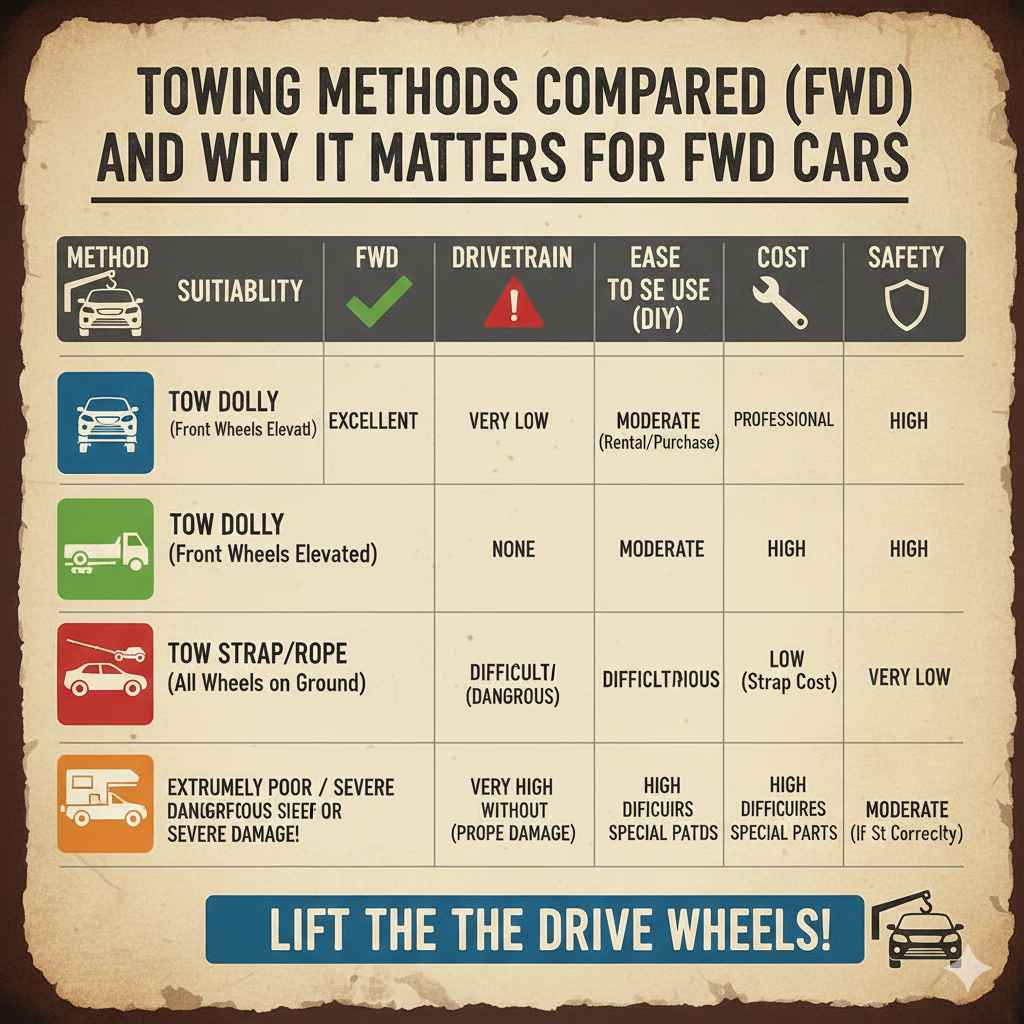
Table: Towing Methods Compared for FWD Cars
Here’s a quick comparison to help you decide.
| Towing Method | Front Wheel Drive Suitability | Drivetrain Risk | Ease of Use (DIY) | Cost (DIY Rental/Purchase) | Safety |
|---|---|---|---|---|---|
| Tow Dolly (Front Wheels Elevated) | Excellent | Very Low | Moderate | Moderate | High |
| Flatbed Tow Truck | Excellent | None | Professional Only | High | Very High |
| Tow Strap/Rope (All Wheels on Ground) | Extremely Poor / Dangerous | Very High (Severe Damage) | Difficult/Dangerous | Low (Strap Cost) | Very Low |
| Dinghy Towing (All Wheels on Ground) | Requires Specific Approval/Modifications | High (Without Proper Setup) | Difficult/Requires Special Parts | High (For Modifications) | Moderate (If Set Up Correctly) |
Frequently Asked Questions (FAQ)
Can I tow my FWD car with all four wheels on the ground?
No, it is highly NOT recommended to tow a standard front-wheel-drive car with all four wheels on the ground if the transmission is engaged or if it’s an automatic transmission. Even in neutral, the internal components can spin and cause significant damage due to lack of lubrication and overheating. Always lift the front wheels off the ground using a tow dolly or use a flatbed trailer.
What happens if I tow my FWD car incorrectly?
Towing a FWD car with the front wheels on the ground can lead to severe damage to the transmission, the transaxle, and potentially other drivetrain components. This can result in costly repairs that could easily run into thousands of dollars. It can also be a safety hazard if a component fails while you’re towing on a public road.
How do I know if my car is front-wheel drive?
Most cars manufactured today list their drivetrain (FWD, RWD, AWD) in the owner’s manual. You can also often find this information on the vehicle’s manufacturer website or by looking at the vehicle’s chassis specifications. Generally, FWD vehicles tend to have a more compact engine compartment and often have a different feel when accelerating, as they are pulling rather than pushing.
What is the difference between a tow dolly and a car trailer (Car Carrier)?
A tow dolly is designed to carry the front wheels of the towed vehicle, while the rear wheels roll on the ground. A car trailer, also known as a car carrier or auto transport trailer, is a flat platform that carries the entire vehicle, with all four wheels off the ground. For FWD cars, a tow dolly is usually sufficient and more manageable.
Do I need to disconnect the driveshaft when towing a FWD car with a tow dolly?
No, when using a tow dolly that lifts the front wheels, you do not need to disconnect the driveshaft. This is because the engine and transmission are not running, and thus the driveshaft is not being driven by the engine. The key is lifting the drive wheels (front wheels) off the ground.
How fast can I tow a car with a tow dolly?
You should always adhere to the speed limits specified by the tow dolly manufacturer and your local regulations for towing. Generally, it’s advised to drive at reduced speeds, typically no more than 55-60 mph (around 88-96 km/h), and always slower if road conditions are poor or weather is bad. Faster speeds increase the risk of instability and damage.
Can I rent a tow dolly?
Yes, tow dollies are widely available for rent from many equipment rental companies, RV rental businesses, and even some auto parts stores or U-Haul locations. It’s a good option if you only need one for a single trip or a few times a year.
Conclusion
Towing a front-wheel-drive car doesn’t have to be a source of anxiety. By understanding the unique needs of FWD vehicles and choosing the right equipment – with a tow dolly being the standout “genius” method – you can successfully and safely transport your car. Remember, safety and proper technique are your most important tools. Always prioritize securing the vehicle, testing your lights, and driving with caution. With these steps, you’ll gain the confidence to handle towing situations with ease, saving yourself stress and potential repair bills. Happy (and safe) towing!