What Soap To Wash A Car? Avoid These Common Mistakes
Washing your car should be a simple task. It’s about keeping your ride looking great and protecting your investment. But choosing the right soap is key.
Using the wrong one can cause more harm than good. This guide will walk you through everything you need to know. We’ll cover the best car wash soaps and what to steer clear of.
You’ll learn how to avoid common mistakes and get that showroom shine every time.
Choosing the right car wash soap is crucial for protecting your vehicle’s paint. Opt for pH-neutral, dedicated car wash soaps that create rich foam and effectively lift dirt without stripping wax or damaging clear coats. Avoid household detergents, dish soaps, and abrasive cleaners, as they can cause dullness, swirl marks, and compromise protective layers.
The Science Behind Car Wash Soap
Think of your car’s paint as a protective shield. It has layers. There’s the base coat, the color coat, and the clear coat on top.
This clear coat is what gives your car its shine. It also protects the layers underneath from the sun, rain, and road grime. When you wash your car, your goal is to remove dirt, dust, and other contaminants from this clear coat.
Different soaps do this in different ways. Some are designed to be gentle. Others are very strong.
The strength comes from their chemical makeup. They have surfactants. These are molecules that help lift dirt and oil away from the surface.
They also help water spread out and rinse away more easily. This makes the washing process more effective.
Car wash soaps are made to be pH-neutral. This means they are balanced. They aren’t too acidic or too alkaline.
This is important because extreme pH levels can harm your car’s finish. They can strip away existing wax or sealants. They can also dull the paint over time.
This is why using the right soap matters so much.
Why Household Soaps Are a No-Go
Many people reach for dish soap or laundry detergent when washing their car. It seems logical. These soaps clean dishes and clothes well, right?
They are strong degreasers. They are great at cutting through grease and grime on kitchen counters or dirty laundry. But this strength is exactly why they are bad for your car.
Dish soap, especially, is very alkaline. It’s designed to break down food oils. When you use it on your car, it does a great job of removing dirt.
But it also strips away all the protective layers you’ve applied. This includes wax, sealants, and even the clear coat itself over time. This leaves your car’s paint vulnerable.
Think of it like washing your hair with dish soap. It would get rid of oil, but it would also leave your hair dry, brittle, and stripped of its natural moisture. Your car’s paint can suffer a similar fate.
It becomes dry, dull, and more prone to scratches. Over time, this can lead to costly paint corrections.
Dish Soap vs. Car Wash Soap: The Key Differences
- Highly alkaline
- Strong degreaser
- Strips wax and sealants
- Can dull paint over time
- Damages protective layers
- pH-neutral
- Gentle cleaning agents
- Lifts dirt without stripping
- Protects wax and sealants
- Safe for clear coats
My Own Wake-Up Call With Car Soap
I remember the first time I really messed up. It was a hot summer day, and my red sports car was covered in a layer of dust and pollen. I was in college and on a tight budget.
I thought, “What’s the harm in using some dish soap? It’s cheap and it gets things clean.” So, I grabbed the bright blue bottle from under the sink.
I washed the car. It looked shiny for about ten minutes. Then, as the sun hit it, I saw them.
Tiny little scratches all over the hood and doors. They weren’t deep, but they were noticeable. I felt a pang of annoyance.
Then I remembered reading somewhere about how harsh dish soap could be. That was the moment I understood the real cost of using the wrong soap. It wasn’t just about cleanliness; it was about preservation.
I learned a hard lesson that day, one that cost me hours of trying to buff out those new swirl marks.
What Makes a Good Car Wash Soap?
A great car wash soap is designed with your car’s finish in mind. It needs to be effective at removing dirt and grime. But it must also be gentle.
Here are the key features to look for:
pH-Neutrality: As mentioned, this is vital. A pH-neutral soap won’t strip your car’s wax or sealant. It won’t harm the clear coat.
Look for this on the product label. It’s a sign of a quality car care product.
Rich Foam: Good car wash soaps create a lot of foam. This foam is more than just for show. It acts as a lubricant.
The foam traps dirt particles. This helps prevent them from scratching your paint as you wash. More foam means better protection.
Lubricity: This is another term for how slippery the soap solution is. A car wash soap with good lubricity allows your wash mitt to glide smoothly over the paint. This further reduces the risk of scratches and swirl marks.
You can often feel this difference when you’re washing.
Biodegradable Formulas: Many modern car wash soaps are biodegradable. This is good for the environment. It means the soap breaks down naturally.
It’s a responsible choice for your car and the planet.
Wax-Infused Options: Some soaps have added waxes or polymers. These can add a little extra shine and protection as you wash. They won’t replace a dedicated wax or sealant.
But they can help maintain the finish between full detailing sessions. They are a nice bonus for everyday washes.
Key Features of a Quality Car Wash Soap
- pH-Neutral Formula
- High Suds / Foam
- Excellent Lubricity
- Biodegradable
- Wax/Polymer Infused
- Pleasant Scent (optional)
Understanding Different Types of Car Wash Soaps
The world of car wash soaps can seem vast. But they generally fall into a few categories. Knowing these helps you pick the right one for your needs.
Standard Car Wash Soaps: These are your everyday, go-to car wash shampoos. They are pH-neutral and designed for regular washing. They offer a good balance of cleaning power and paint safety.
Most brands offer several options within this category.
High-Foam Soaps: Some soaps are specifically formulated to produce massive amounts of thick, clinging foam. These are often used with foam cannons or foam guns. The idea is to blanket the car in suds.
This lifts dirt and allows you to wash with less contact.
Rinseless Wash Solutions: This is a more advanced method. You use a highly concentrated solution in a bucket of water. You use special microfiber towels to wash.
Then you dry. There’s no need for a final rinse with a hose. These are great for when water is scarce or for quick touch-ups.
Waterless Wash Sprays: These are spray-on products. You spray a section, wipe it with a microfiber towel, then buff. They are best for very light dust and grime.
They aren’t for heavily soiled cars. They contain lubricants to prevent scratching.
All-in-One Wash and Wax Products: These soaps have added carnauba wax or synthetic polymers. They clean your car and leave behind a light layer of protection. They are convenient for those who want a quick shine.
However, they don’t offer the same level of protection or longevity as a dedicated waxing. They are a good middle ground for a quick clean.
The Best Car Wash Soaps for a Sparkling Finish
Choosing a brand can be overwhelming. But many reputable brands offer excellent car wash soaps. Here are some widely recommended types and what makes them stand out:
Premium pH-Neutral Shampoos: Brands like Chemical Guys, Meguiar’s, Griot’s Garage, and Optimum are known for their high-quality car wash soaps. They focus on pH-neutral formulas, excellent foam, and great lubricity. These are often slightly more expensive but offer superior results and paint protection.
Concentrated Formulas: Many of these premium soaps are highly concentrated. This means a little goes a long way. You use just a few ounces per gallon of water.
This makes them cost-effective in the long run. Always follow the dilution ratios on the bottle for best results.
Specific Needs: Some soaps are tailored for specific needs. For instance, some are designed to enhance gloss. Others are for removing tough road film.
Some are even designed to be safe for ceramic coatings or paint protection films. If you have special coatings, look for soaps that are certified safe for them.
Personal Experience Tip: When I first started detailing, I bought a cheap generic soap. It lathered okay but felt gritty. My wash mitt didn’t glide well.
I switched to a well-regarded pH-neutral soap, and the difference was night and day. The wash mitt just floated over the paint. The water beaded up beautifully afterward.
That’s when I knew the soap quality truly mattered.
Quick Guide to Popular Car Wash Soap Features
- Foam Production
- Lubricity
- Wax Removal
- Environmental Impact
- Helps trap dirt, prevents scratches
- Allows mitt to glide, reduces marring
- Dish soap strips it; car soap preserves it
- Biodegradable options are best
Common Mistakes to Avoid When Washing Your Car
Even with the right soap, you can still damage your paint. It’s all about the technique. Here are some common blunders that people make:
Washing in Direct Sunlight: This is a big one. Washing your car when it’s hot and sunny causes the soap and water to dry too quickly. This leads to water spots.
These spots can etch into your paint if left too long. Always try to wash in the shade. Or do it early in the morning or late in the evening.
Using the Wrong Wash Mitt: A kitchen sponge or an old t-shirt is a recipe for disaster. These materials are abrasive. They trap dirt and grit against the paint.
Invest in a soft, high-quality microfiber wash mitt. These are designed to be gentle and capture dirt effectively.
The Two-Bucket Method: This is a game-changer for preventing scratches. You use one bucket for soapy water and another for rinsing your wash mitt. Dip your mitt in the soap bucket.
Wash a section of the car. Then, rinse the dirty mitt thoroughly in the plain water bucket before dipping it back into the soap bucket. This keeps the dirt out of your soap.
Reusing Dirty Water: Never reuse water that has been on the ground or is full of dirt. Always start with fresh water and soap for each wash. If you’re doing a multi-stage wash, empty and refill your buckets as needed.
Scrubbing Too Hard: Let the soap and the mitt do the work. You don’t need to apply a lot of pressure. Excessive scrubbing, even with a good mitt, can create swirl marks.
Gentle, consistent passes are best.
Forgetting to Dry Properly: Don’t let your car air dry. Use clean, high-quality microfiber drying towels. Blot the water rather than rubbing vigorously.
This prevents water spots and introduces fewer new scratches. Some people even use a leaf blower or a dedicated car dryer for a spot-free finish.
Real-World Scenarios: When Soap Choice Really Matters
Imagine you’re about to sell your car. You’ve cleaned it thoroughly inside and out. The paint looks decent, but it’s a bit dull.
If you used a harsh detergent for your last few washes, the clear coat might be compromised. This dullness can significantly lower the perceived value. A buyer might think the car has been poorly maintained, even if it hasn’t.
Or consider a car owner living in an area with hard water. If they use a soap that doesn’t rinse well or has harsh chemicals, the mineral deposits from the hard water can combine with the soap residue. This can lead to stubborn water spots that are difficult to remove.
A good pH-neutral soap helps prevent this by allowing water to sheet off more cleanly and not leaving as much residue.
Another scenario: a classic car owner. These vehicles often have original paint or delicate re-paints. They require the utmost care.
Using anything other than a specifically formulated, pH-neutral, gentle car wash soap would be a serious mistake. The value and integrity of the paint are paramount. The wrong soap could cause irreversible damage and devalue the classic car.
Your Car Wash Toolkit Essentials
- Dedicated Car Wash Soap
- Two Buckets (with grit guards, if possible)
- Microfiber Wash Mitt(s)
- Microfiber Drying Towels
- Hose with Nozzle (or pressure washer with appropriate nozzle)
- Safe, gentle cleaning
- Separate clean & dirty water
- Soft, scratch-free washing
- Absorb water without scratching
- Rinsing and cleaning
What This Means for Your Car’s Health
Using the right car wash soap is more than just about appearance. It’s about the long-term health of your car’s paint. When you use pH-neutral, high-quality car wash soaps, you are actively protecting your investment.
Paint Longevity: Gentle soaps help preserve the clear coat. This layer protects against UV damage, oxidation, and environmental fallout. A healthy clear coat means your paint will look good for years.
It also helps prevent rust from forming.
Reduced Risk of Damage: As we’ve seen, harsh soaps strip away protection and can cause microscopic scratches. These tiny imperfections, known as swirl marks, dull the paint’s shine. Over time, they can become deeper and more noticeable.
The right soap minimizes this risk.
Easier Maintenance: A well-maintained finish is easier to clean in the future. When your car’s paint is healthy and protected, dirt and grime have a harder time sticking. This means future washes will be quicker and more effective.
You’ll spend less time and effort keeping it looking great.
Maintaining Resale Value: A car that has been well cared for, including its paintwork, will always command a higher resale value. Consistent use of proper washing techniques and products contributes significantly to this. It shows you’ve taken pride in ownership.
Quick Fixes and Best Practices
If you’re just starting out or want to improve your car washing routine, focus on these key practices:
Invest in Quality Soap: You don’t need the most expensive soap. But do choose a dedicated car wash shampoo from a reputable brand. Look for “pH-neutral” on the label.
A small bottle can last for many washes.
Master the Two-Bucket Method: This is non-negotiable if you want to avoid swirl marks. Always rinse your mitt in a separate bucket of clean water before loading it with fresh soap. This simple step makes a huge difference.
Use Microfiber for Everything: Microfiber towels and wash mitts are your best friends. They are soft, absorbent, and designed to lift dirt safely. Always wash your microfiber items separately from other laundry, without fabric softener.
Wash in the Shade: Always, always wash your car out of direct sunlight. If you can’t find shade, wait until the sun is lower in the sky. This prevents water spots and soap drying on the paint.
Dry with Care: Use soft, clean microfiber drying towels. Gently blot water off the surface. Start from the top and work your way down.
Some people use a leaf blower to get water out of crevices and trim, reducing the need for towel contact.
Frequently Asked Questions About Car Wash Soap
Can I use car wash soap in a pressure washer?
Yes, most car wash soaps can be used in a pressure washer, especially with a foam cannon attachment. You’ll want to dilute the soap according to the manufacturer’s instructions for your foam cannon. Always use the correct nozzle setting on your pressure washer to avoid damaging the paint.
How much car wash soap should I use in a bucket?
This varies greatly by product. Most car wash soaps are concentrated. A common recommendation is 1-2 ounces of soap per 5 gallons of water.
Always check the product label for the specific dilution ratio. Using too much soap can make it harder to rinse off and leave residue.
Is it okay to wash my car every week?
Washing your car weekly is generally fine, provided you use the correct methods and products. It helps prevent dirt and contaminants from bonding to the paint. However, if you live in an area with harsh conditions, like heavy road salt in winter, you might need to wash more often.
Always use a gentle soap.
What is a “waterless wash” and when should I use it?
A waterless wash is a spray product designed for light cleaning when a full wash isn’t practical. It contains lubricants to lift and encapsulate dirt. It’s best for cars with only light dust or pollen.
Never use it on a heavily soiled car, as you risk scratching the paint. You’ll need multiple microfiber towels.
Will car wash soap remove wax from my car?
A dedicated, pH-neutral car wash soap will not strip your wax. It’s designed to lift dirt without removing protective layers. However, harsh detergents like dish soap will strip wax and can damage your car’s finish.
Always use a soap labeled for automotive use.
What’s the difference between car wash soap and car shampoo?
There is no significant difference. The terms “car wash soap” and “car shampoo” are used interchangeably in the automotive detailing world. Both refer to specialized cleaning products designed for vehicle exteriors.
They are formulated to be gentle yet effective.
Final Thoughts on Car Wash Soap
Choosing the right soap is a simple step that makes a world of difference. It protects your paint, enhances your car’s shine, and makes washing easier. Always opt for pH-neutral, dedicated car wash soaps.
Avoid harsh household cleaners at all costs. By following these guidelines and avoiding common mistakes, you’ll keep your car looking its best for years to come.
Products related to this article
Sponsored / affiliate links. As an Amazon Associate I earn from qualifying purchases. I may earn additional commission from eligible campaigns.
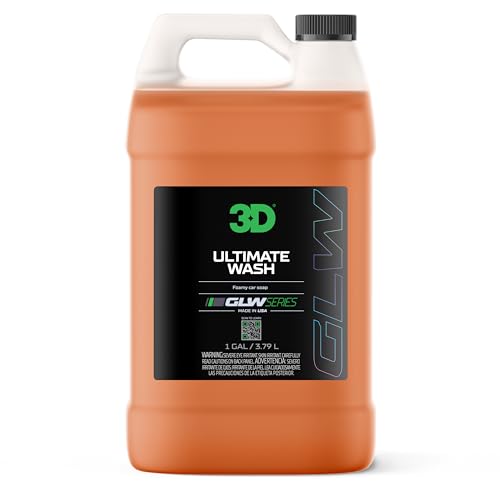 3D Ultimate Wash - 1 Gallon - pH Neutral Car Wash Soap with Ultra Foam, Scratch-Free, High-Foaming Shampoo for Paint Protection, Safe for All Finishes
 Ceramic Car Shampoo - Slick Ceramic Car Wash Soap for Coatings - pH-Balanced Car Wash Shampoo - Adds Hydrophobic Protection | Enhances Coatings, Waxes or Sealants | Incredible Shine (16oz - 2 Pack)