Lexol Leather Cleaner Review: Is It Worth Buying Today?
Lexol Leather Cleaner is worth buying for routine leather-seat upkeep, but it is a mild cleaner. Expect solid results on light dirt and body oils, not old grime packed into seams. Used poorly, it can leave residue, darken dirty stitching unevenly, or tempt you to scrub harder than the leather can take. This review covers what Lexol does well, where it falls short, how to apply it, and which tools improve the result.
Verdict
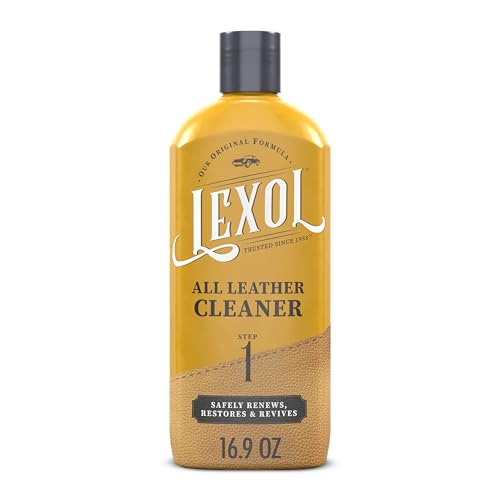
For daily-driver interiors, that mild approach is the point. Lexol’s All Leather Cleaner is made to lift dirt and oils from finished leather without harming the topcoat, and the conditioner is meant to follow with real conditioning rather than heavy cleaning. If you want a simple two-step leather routine, Lexol makes sense. If your seat has dye transfer, hard crusted soil, or cracked dry leather, it is too light on its own.
📊 Lexol says the conditioner should be used every 6 months. Source: Lexol® All Leather Conditioner Bottle 16 oz.
Specs at a glance
| Product | What it is | Notable details |
|---|---|---|
| Lexol All Leather Cleaner Bottle 16 oz | All-leather cleaner | 16 oz / 500 mL size; lifts dirt, oil, and residue; wipe-away use |
| Lexol All Leather Cleaner Spray | Spray-format cleaner | Featured product; part of the all-leather care lineup |
| Lexol All Leather Conditioner Bottle 16 oz | Conditioner | 16.9 oz / 500 mL size; rated 4.38 out of 5 from 121 reviews; no greasy residue; use every 6 months |
| Lexol Naturals All Leather Cleaner | Cleaner | Naturally derived ingredients; lifts dirt, oil, and residue |
| Lexol Naturals All Leather Conditioner | Conditioner | Naturally derived ingredients; conditions and nourishes; helps protect against drying and cracking |
| Core formula position | Cleaner chemistry | pH-balanced; non-solvent-based; designed to clean without harming finish |
Who it is for
Lexol fits owners of daily-driver leather seats that need regular upkeep, not rescue work. It suits light dust, body oil, and general buildup on finished leather, especially if you plan to condition afterward and use microfiber cloths plus a brush for seams.
It is a weaker fit for neglected seats, deep dye transfer, cracked leather, or suede-like trim. A common first-timer mistake is buying a mild cleaner for a seat that needs stain removal, then scrubbing longer and harder than the finish can tolerate.
Best fit use cases
- Light to moderate soil on daily-driver seats.
- Routine clean-then-condition maintenance every few months.
- Owners who want a pH-balanced, non-solvent-based cleaner.
- Small fleet or one-car upkeep where a bottle gets used slowly.
When it is too mild
- Dye transfer from jeans or dark clothing.
- Older leather with hardened grime in seams.
- Cracked, flaking, or brittle leather that needs repair work first.
- Suede, Alcantara, and suede-like surfaces.
How do you use Lexol leather cleaner?
Use Lexol in small sections, on a test spot first, with a microfiber cloth and light pressure. It is a wipe-clean product, not a soak-and-scrub fix. The best results come from controlled application, a second pass only where soil remains, and immediate follow-up with conditioner if the seat is dry.
- Test a hidden area and wait for the finish to dry.
- Apply a small amount to a microfiber cloth, not the whole seat.
- Work one panel at a time with short, even passes.
- Use a detailing brush for stitching, seams, and crevices.
- Wipe the panel dry with a clean microfiber cloth.
- Repeat once only if the soil is light enough to lift.
- Stop if the area stays dark, tacky, or unchanged; move to a stronger cleaner or a dedicated stain step.
Suppose a front seat bolster has body oil near the door side and dust in the stitching. Start with a dampened microfiber cloth on the flat leather, then switch to a detailing brush along the seam. If the cloth comes away gray after the second pass, that is progress. If the stain stays fixed, more scrubbing is the wrong move.
What works
Lexol works best on surface soil. That includes light dust, body oils, seat residue, and grime sitting in seams. Because the formula is described as pH-balanced and non-solvent-based, it is built for maintenance cleaning rather than stripping finish or chasing a stain with aggressive chemistry.
What the tools change
- Microfiber cloths: best for spreading cleaner and wiping residue away without adding abrasion.
- Cleaning pad or scrub pad: useful when the seat has more traffic grime and needs a little more mechanical action.
- Detailing brush: the most useful add-on for stitching, perforations, and crevices where dirt collects.
- Lukewarm water: can help with wipe-off on a review-recommended basic setup, especially on lighter soil.
Why the mild formula matters
A gentle cleaner is less likely to strip away a finished seat’s top layer. That matters on modern automotive leather, where the coating does much of the work for look and feel. Lexol is better for keeping a seat clean over time than for fixing a neglected one in a single session.
What does not
Lexol does not act like a heavy-duty stain remover. It is not a dye-transfer remover, and it is not the answer for hardened contamination in seams or on old, dry leather that needs reconditioning after cleaning. That is the main limit buyers should understand before they spend money.
It also will not solve every compatibility issue. Soft matte leather, brittle leather, or worn finishes can darken unevenly if you scrub too hard or over-wet the surface. The cleaner itself is meant to be gentle, but technique still matters.
Common failure modes
- Dye transfer: often needs a dedicated remover, not a maintenance cleaner.
- Deep stains: embedded marks may stay visible after wiping.
- Dry, old leather: cleaning alone can make the surface look cleaner without making it healthier.
- Suede or suede-like trim: not a safe target for this product family.
Can Lexol clean different seat conditions?
Yes, but the right process changes with the leather’s condition. Light dust needs only a microfiber wipe. Body oil and seam dirt need more section-by-section work and a brush. Dye transfer and older dry leather are where Lexol usually hits its limit and should be treated as part of a larger plan, not the entire fix.
| Seat condition | Lexol process | Tools | Stop point | Cost-per-detail estimate |
|---|---|---|---|---|
| Light dust | Wipe a small amount onto the panel, then dry buff | Microfiber cloth | When the cloth stops picking up dust | About $1.50 to $2.50 of cleaner for one full-seat refresh, depending on coverage and waste |
| Body oil | Two light passes, then stop and condition if the leather feels dry | Microfiber cloth, optional cleaning pad | When the sheen evens out and no oily film remains | About $2 to $4 for one front-seat set |
| Seam dirt | Clean the panel first, then brush stitching and crevices | Microfiber cloth, detailing brush | When seams stop releasing gray residue | About $2 to $4 for one seat if dirt is localized |
| Dye transfer | Test spot only; use Lexol as a mild pre-cleaner, not the main remover | Microfiber cloth | Stop if the mark does not move after one careful pass | About $1 in cleaner for the test; more product is unlikely to help much |
| Older dry leather | Clean gently, then condition promptly | Microfiber cloth, soft pad | Stop as soon as soil lifts; do not chase color loss with more cleaning | About $2 to $3 for the clean step, then conditioner for follow-up |
Pros and cons
Lexol’s case is simple. It is a maintenance cleaner with a clear place in a two-step leather routine. It is not built to rescue badly neglected upholstery, and that honesty is part of its value.
Pros
- Mild cleaning for daily-driver leather.
- Works well with microfiber cloths and a brush for seams.
- Broad leather use beyond car seats.
- Easy clean-then-condition routine.
Cons
- Limited on dye transfer and deep grime.
- Can be too soft for neglected seats.
- Not for suede or suede-like materials.
- Requires follow-up conditioning on dry leather.
Value depends on how often you use it. A 16.9 oz cleaner at $19.00, or the 33.8 oz bottle at $35.95, makes more sense for a household with multiple vehicles than for someone cleaning one lightly used car twice a year. The bottle can also be economical if you treat it as a maintenance product, not a stain-removal chemical.
Alternatives
If Lexol’s cleaner is too mild, too manual, or not the right formula family for your seats, the alternatives below fill specific gaps. The choice should depend on cleaning strength, speed, and whether you want a cleaner-plus-conditioner kit or a one-step spray.
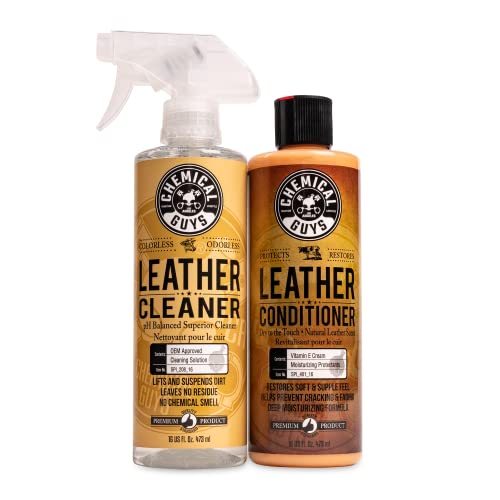
Chemical Guys Leather Cleaner & Conditioner Kit is the cleaner pick if you want both steps in one box and a broader sealed-leather routine. Based on the spec sheet and owner feedback, the drawback is that a kit can be less focused than separate products, and the cleaner may still be mild on stubborn contamination.

Meguiar’s Gold Class Rich Leather Cleaner & Conditioner is the quick-spray option for buyers who want one-step convenience. The tradeoff is less control over the cleaning stage, which matters when seams hold dirt or the seat needs a dedicated cleaner before conditioning.
Lexol All Leather Cleaner 16.9 oz remains the balanced maintenance choice if you want the classic cleaner-first workflow. The drawback is the same one that defines the product: it is intentionally light, so it will not do the work of a stronger stain remover.
Lexol All Leather Cleaner Spray is the pick for faster application on lightly soiled seats. It is easier to deploy across a cabin, but spray format can waste product if you are trying to treat seams carefully or avoid oversaturating a matte finish.
Lexol Naturals All Leather Cleaner is the cleaner to consider if you want the newer Naturals line and naturally derived ingredients. It still aims to lift dirt, oil, and residue, but buyers should treat it as a maintenance cleaner first, not a cure for embedded stains.
Lexol Naturals All Leather Conditioner is the follow-up choice if you want a naturally derived conditioner that conditions and nourishes while helping protect against drying and cracking. Like any conditioner, it works best after a proper clean, and it will not reverse damage already in the leather.
Should you buy it
Buy Lexol if your leather seats are in regular use, have light to moderate soil, and need a cleaner that fits a calm two-step routine. It is a sensible choice for owners who will use microfiber, a brush for seams, and a conditioner afterward when needed.
Skip it if you need stain removal, dye-transfer cleanup, or restoration for old cracked leather. In that case, start with a stronger dedicated cleaner or a specialist product for the problem spot, then return to a milder maintenance cleaner once the seat is back in shape.
Frequently asked questions
Is Lexol good for leather?
Lexol is good for maintained, finished leather that needs routine cleaning. It is best viewed as a maintenance product rather than a restoration fix. The cleaner is made to lift dirt and oils without harming the finish, which makes it a sensible choice for regular care on car seats, bags, and similar items.
Does Lexol leather cleaner remove dirt without drying leather out?
It is meant to remove dirt, oil, and residue while staying gentle on the finish. That said, a cleaner cannot replace lost moisture, so older leather often needs conditioning afterward. The safe outcome depends on light application, a soft cloth, and not overworking one spot.
Can Lexol be used on car seats and other leather items?
Yes. Lexol is used on car upholstery and other leather goods such as furniture, shoes, bags, and similar finished leather items. The key is matching the product to the surface type. It is not meant for suede or suede-like materials, and a hidden test spot is still smart.
What’s the difference between Lexol leather cleaner and conditioner?
The cleaner removes surface dirt, oil, and residue. The conditioner is the follow-up step that helps keep leather from drying out, and Lexol says to use it every 6 months. The cleaner and conditioner do different jobs, so they should not be treated as interchangeable.
Does Lexol leave a greasy residue?
Lexol’s conditioner is described as leaving no greasy residue, which is part of its appeal for daily interiors. The cleaner should wipe away cleanly when used in thin amounts. If residue appears, the usual cause is too much product, dirty towels, or not fully buffing the surface.
Products related to this article
Sponsored / affiliate links. As an Amazon Associate I earn from qualifying purchases. I may earn additional commission from eligible campaigns.